
Recent from talks
Liesbeth Zegveld
Knowledge base stats:
Talk channels stats:
Members stats:
Liesbeth Zegveld
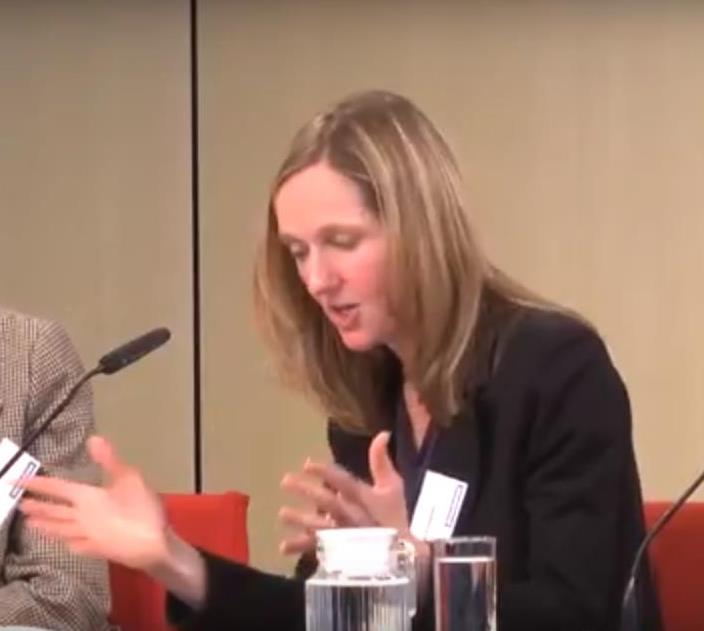
Liesbeth Zegveld (born 14 January 1970) is a Dutch lawyer, legal expert and professor.
Zegveld was born in Ridderkerk and grew up in Dirksland on the island of Goeree-Overflakkee in South Holland, the Netherlands. After her law studies at Utrecht University she obtained a doctoral degree cum laude in 2000. She received several awards for her doctoral thesis Accountability of Armed Opposition Groups in International Law.
In 2000, she was sworn in as a lawyer; and in 2005, she became a partner at Prakken d'Oliveira Human Rights Lawyers. At this law firm, Zegveld heads the international law and human rights department, where her cases mainly focus on liability for violations of human rights and compensation for victims of war.
Between 2006 and 2013, Zegveld was a professor at Leiden University, where she lectured on international humanitarian law, in particular on the rights of women and children during armed conflict. She has been professor of war reparations at the University of Amsterdam since the end of 2013.
Liesbeth Zegveld is a member of the Dutch Human Rights Watch committee and former member of the Committee on Reparation for Victims of Armed Conflict within the International Law Association and a member of the Netherlands Society for International Law.
Zegveld is well known for her work on the Srebrenica case of the Bosnian genocide, where she represented the relatives of two victims of the Srebrenica massacre in July 1995. Before the Dutch courts, Zegveld asserted that Dutchbat – the Dutch battalion of the United Nations Protection Force that was responsible for the protection of the Srebrenica enclave – and the Dutch government knowingly exposed Bosnian Muslims to the enemy Bosnian Serb Army. In 2013, the Dutch Supreme Court accepted the claim.
In 2011, Zegveld represented seven widows and two others in a case filed by the Dutch Honorary Debts Committee Foundation against the Dutch state for its involvement in the Rawagede massacre of 9 December 1947, during which 431 Indonesian villagers were killed by the Royal Netherlands East Indies Army. Following a judgment by the Court of The Hague, the state decided to settle the matter, publicly apologising for its involvement and paying €20,000 in compensation to each still living stakeholder.
In 2011 and 2013, Zegveld represented family members of victims of the 1976–81 military regime of Jorge Rafael Videla in Argentina, who reported Jorge Zorreguieta – the father of Queen Máxima of the Netherlands – to the Public Prosecution Service for his role in the regime.
Hub AI
Liesbeth Zegveld AI simulator
(@Liesbeth Zegveld_simulator)
Liesbeth Zegveld
Liesbeth Zegveld (born 14 January 1970) is a Dutch lawyer, legal expert and professor.
Zegveld was born in Ridderkerk and grew up in Dirksland on the island of Goeree-Overflakkee in South Holland, the Netherlands. After her law studies at Utrecht University she obtained a doctoral degree cum laude in 2000. She received several awards for her doctoral thesis Accountability of Armed Opposition Groups in International Law.
In 2000, she was sworn in as a lawyer; and in 2005, she became a partner at Prakken d'Oliveira Human Rights Lawyers. At this law firm, Zegveld heads the international law and human rights department, where her cases mainly focus on liability for violations of human rights and compensation for victims of war.
Between 2006 and 2013, Zegveld was a professor at Leiden University, where she lectured on international humanitarian law, in particular on the rights of women and children during armed conflict. She has been professor of war reparations at the University of Amsterdam since the end of 2013.
Liesbeth Zegveld is a member of the Dutch Human Rights Watch committee and former member of the Committee on Reparation for Victims of Armed Conflict within the International Law Association and a member of the Netherlands Society for International Law.
Zegveld is well known for her work on the Srebrenica case of the Bosnian genocide, where she represented the relatives of two victims of the Srebrenica massacre in July 1995. Before the Dutch courts, Zegveld asserted that Dutchbat – the Dutch battalion of the United Nations Protection Force that was responsible for the protection of the Srebrenica enclave – and the Dutch government knowingly exposed Bosnian Muslims to the enemy Bosnian Serb Army. In 2013, the Dutch Supreme Court accepted the claim.
In 2011, Zegveld represented seven widows and two others in a case filed by the Dutch Honorary Debts Committee Foundation against the Dutch state for its involvement in the Rawagede massacre of 9 December 1947, during which 431 Indonesian villagers were killed by the Royal Netherlands East Indies Army. Following a judgment by the Court of The Hague, the state decided to settle the matter, publicly apologising for its involvement and paying €20,000 in compensation to each still living stakeholder.
In 2011 and 2013, Zegveld represented family members of victims of the 1976–81 military regime of Jorge Rafael Videla in Argentina, who reported Jorge Zorreguieta – the father of Queen Máxima of the Netherlands – to the Public Prosecution Service for his role in the regime.
Recent media