
Recent from talks
Lilli Lehmann
Knowledge base stats:
Talk channels stats:
Members stats:
Lilli Lehmann
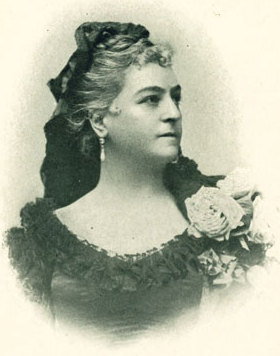
Lilli Lehmann (born Elisabeth Maria Lehmann, later Elisabeth Maria Lehmann-Kalisch; 24 November 1848 – 17 May 1929) was a German soprano who had an active performance career spanning from 1865 into the 1920s. One of the great sopranos of the late 19th and early 20th centuries, music critics hailed her as a peer to other celebrated singers of that era such as Jenny Lind and Adelina Patti. In her early career she performed lighter soprano roles from mainly the lyric coloratura soprano repertoire; and it is in this rep that she was known while a prima donna at the Berlin Hofoper from 1869 through 1885. In 1884 she made her first foray into the dramatic soprano canon at the Royal Opera House in London when she performed the part of Isolde in Richard Wagner's Tristan und Isolde. She thereafter performed roles from a wide range of fachs in the soprano literature; mastering more than 170 different opera characters during her extraordinarily long career. Unlike many singers, her voice maintained its flexibility as it grew in size allowing her to be successful in the dramatic coloratura soprano repertoire.
Lehmann was a principal soprano at the Metropolitan Opera ("Met") from 1885 until 1892 and again in 1888–1889. While her repertoire at the Met was large and varied, she was part of a group of singers that popularized Wagner's operas in America. She had earlier performed multiple roles in the first staging of Wagner's Ring Cycle at the very first Bayreuth Festival in 1876. At the Met she portrayed Brünnhilde in the first complete staging of the Ring in America in March 1889. She performed in the first American performances of several of Wagner's operas; among them Siegfried (1887), Götterdämmerung (1888), Tristan und Isolde (1886) and Tannhäuser (1889). In 1888 Lehmann married tenor Paul Kalisch who was also a singer at the Met.
Lehmann returned to the Berlin Hofoper from 1892 until 1897, and was thereafter active in opera houses internationally. She sang annually at the Salzburg Festival from 1901 to 1910 and was also artistic director of that festival for a period. She continued to perform into the 1920s as a singer of Lieder; still singing well into the last year of her life. She was also a voice teacher at the Mozarteum in Salzburg and an animal welfare advocate. She died in 1929 of heart disease at the age of 80 in Berlin.
Lilli Lehmann was born in Würzburg on 24 November 1848. Her father was heldentenor Karl August Lehmann, and her mother was the soprano and harpist Maria Theresia Löw (1809–1885). Maria portrayed heroines in several operas by Louis Spohr while a leading soprano in Kassel. Her younger sister, Marie Lehmann, also went on to become an operatic soprano. Her parents separated in 1853, and she lived with her mother and siblings in Prague. There her mother gave her voice lessons and other training in music. She began studies in piano at the age of six.
Lehmann made her professional opera debut on October 20, 1865 portraying the First Boy in The Magic Flute at the Deutschen Landestheater in Prague. Soon after she took over the role of Pamina in that opera; replacing a singer who became ill during the first act at the last minute. 'In her early career she sang smaller supporting roles first and then progressed into performing lead light soprano roles. Over time she slowly developed into a dramatic soprano. Her other roles in Prague included the First Lady in The Magic Flute, the Shepherd Boy in Tannhäuser (1866), and a bridesmaid in Der Freischütz (1866) among other lesser roles.
In 1868 Lehmann became a principal soprano at the Stadttheater Danzig. Her repertoire there included Zerline in Fra Diavolo, Susanna in The Marriage of Figaro, Rosina in The Barber of Seville, Queen Marguerite de Valois in Giacomo Meyerbeer's Les Huguenots, Princess Eudoxie in La Juive, Marie in Der Waffenschmied, Marie in Zar und Zimmermann, Gilda in Rigoletto, both Donna Elvira and Zerlina in Don Giovanni, Blonde in Die Entführung aus dem Serail, and the title role in Carlo Broschi. In 1869 she joined the roster of singers at the Leipzig Opera. In Leipzig she pursued further vocal training with Heinrich Laube. Her repertoire there included The Messenger of Peace in Rienzi, Marguerite de Valois, and the title roles in La Grande-Duchesse de Gérolstein and Martha.
In 1869 Lehmann appeared as a guest artist for her debut at the Berlin Hofoper (BH) as Marguerite de Valois in Giacomo Meyerbeer's Les Huguenots. She became a resident prima donna at that house a year later; making her first appearance on her long-term contract on August 19, 1870 as Vielka in Meyerbeer's Ein Feldlager in Schlesien. She remained at the BH for the next fifteen years, and became so successful that she was appointed a Kammersängerin in 1876.
At the BH Lehmann starred in the world premiere of Bernhard Ludwig Hopffer's Frithjof on April 11, 1871. Other premieres she performed in at that theatre included Wilhelm Taubert's Caesario, oder Was ihr wollt (1874), Anton Rubinstein's Die Maccabäer (1875), and Johann Joseph Abert's Ekkehard (1878). Her other repertoire in Berlin included Agathe in Der Freischütz, Amazili in Jessonda, Oscar in Un ballo in maschera, Marie in La fille du régiment, Maria in Taubert's Cesario, Irma in Le maçon, the First Witch in Taubert's Macbeth, and many of the parts she had sung previously at other theaters.
Hub AI
Lilli Lehmann AI simulator
(@Lilli Lehmann_simulator)
Lilli Lehmann
Lilli Lehmann (born Elisabeth Maria Lehmann, later Elisabeth Maria Lehmann-Kalisch; 24 November 1848 – 17 May 1929) was a German soprano who had an active performance career spanning from 1865 into the 1920s. One of the great sopranos of the late 19th and early 20th centuries, music critics hailed her as a peer to other celebrated singers of that era such as Jenny Lind and Adelina Patti. In her early career she performed lighter soprano roles from mainly the lyric coloratura soprano repertoire; and it is in this rep that she was known while a prima donna at the Berlin Hofoper from 1869 through 1885. In 1884 she made her first foray into the dramatic soprano canon at the Royal Opera House in London when she performed the part of Isolde in Richard Wagner's Tristan und Isolde. She thereafter performed roles from a wide range of fachs in the soprano literature; mastering more than 170 different opera characters during her extraordinarily long career. Unlike many singers, her voice maintained its flexibility as it grew in size allowing her to be successful in the dramatic coloratura soprano repertoire.
Lehmann was a principal soprano at the Metropolitan Opera ("Met") from 1885 until 1892 and again in 1888–1889. While her repertoire at the Met was large and varied, she was part of a group of singers that popularized Wagner's operas in America. She had earlier performed multiple roles in the first staging of Wagner's Ring Cycle at the very first Bayreuth Festival in 1876. At the Met she portrayed Brünnhilde in the first complete staging of the Ring in America in March 1889. She performed in the first American performances of several of Wagner's operas; among them Siegfried (1887), Götterdämmerung (1888), Tristan und Isolde (1886) and Tannhäuser (1889). In 1888 Lehmann married tenor Paul Kalisch who was also a singer at the Met.
Lehmann returned to the Berlin Hofoper from 1892 until 1897, and was thereafter active in opera houses internationally. She sang annually at the Salzburg Festival from 1901 to 1910 and was also artistic director of that festival for a period. She continued to perform into the 1920s as a singer of Lieder; still singing well into the last year of her life. She was also a voice teacher at the Mozarteum in Salzburg and an animal welfare advocate. She died in 1929 of heart disease at the age of 80 in Berlin.
Lilli Lehmann was born in Würzburg on 24 November 1848. Her father was heldentenor Karl August Lehmann, and her mother was the soprano and harpist Maria Theresia Löw (1809–1885). Maria portrayed heroines in several operas by Louis Spohr while a leading soprano in Kassel. Her younger sister, Marie Lehmann, also went on to become an operatic soprano. Her parents separated in 1853, and she lived with her mother and siblings in Prague. There her mother gave her voice lessons and other training in music. She began studies in piano at the age of six.
Lehmann made her professional opera debut on October 20, 1865 portraying the First Boy in The Magic Flute at the Deutschen Landestheater in Prague. Soon after she took over the role of Pamina in that opera; replacing a singer who became ill during the first act at the last minute. 'In her early career she sang smaller supporting roles first and then progressed into performing lead light soprano roles. Over time she slowly developed into a dramatic soprano. Her other roles in Prague included the First Lady in The Magic Flute, the Shepherd Boy in Tannhäuser (1866), and a bridesmaid in Der Freischütz (1866) among other lesser roles.
In 1868 Lehmann became a principal soprano at the Stadttheater Danzig. Her repertoire there included Zerline in Fra Diavolo, Susanna in The Marriage of Figaro, Rosina in The Barber of Seville, Queen Marguerite de Valois in Giacomo Meyerbeer's Les Huguenots, Princess Eudoxie in La Juive, Marie in Der Waffenschmied, Marie in Zar und Zimmermann, Gilda in Rigoletto, both Donna Elvira and Zerlina in Don Giovanni, Blonde in Die Entführung aus dem Serail, and the title role in Carlo Broschi. In 1869 she joined the roster of singers at the Leipzig Opera. In Leipzig she pursued further vocal training with Heinrich Laube. Her repertoire there included The Messenger of Peace in Rienzi, Marguerite de Valois, and the title roles in La Grande-Duchesse de Gérolstein and Martha.
In 1869 Lehmann appeared as a guest artist for her debut at the Berlin Hofoper (BH) as Marguerite de Valois in Giacomo Meyerbeer's Les Huguenots. She became a resident prima donna at that house a year later; making her first appearance on her long-term contract on August 19, 1870 as Vielka in Meyerbeer's Ein Feldlager in Schlesien. She remained at the BH for the next fifteen years, and became so successful that she was appointed a Kammersängerin in 1876.
At the BH Lehmann starred in the world premiere of Bernhard Ludwig Hopffer's Frithjof on April 11, 1871. Other premieres she performed in at that theatre included Wilhelm Taubert's Caesario, oder Was ihr wollt (1874), Anton Rubinstein's Die Maccabäer (1875), and Johann Joseph Abert's Ekkehard (1878). Her other repertoire in Berlin included Agathe in Der Freischütz, Amazili in Jessonda, Oscar in Un ballo in maschera, Marie in La fille du régiment, Maria in Taubert's Cesario, Irma in Le maçon, the First Witch in Taubert's Macbeth, and many of the parts she had sung previously at other theaters.
Recent media