
Recent from talks
Liu Shaoqi
Knowledge base stats:
Talk channels stats:
Members stats:
Liu Shaoqi
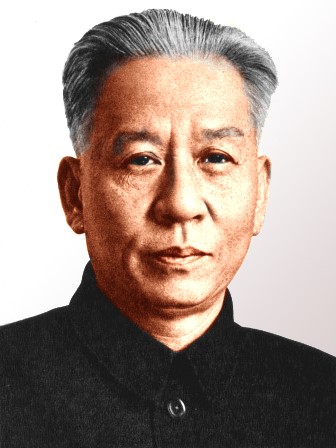
Liu Shaoqi (Chinese: 刘少奇; pronounced [ljǒʊ ʂâʊtɕʰǐ]; 24 November 1898 – 12 November 1969) was a Chinese revolutionary and politician. He was the chairman of the Standing Committee of the National People's Congress from 1954 to 1959, first-ranking vice chairman of the Chinese Communist Party (CCP) from 1956 to 1966, and the chairman of the People's Republic of China (president of China) from 1959 to 1968. He was considered to be a possible successor to Chairman Mao Zedong, but was purged during the Cultural Revolution.
In his early years, Liu participated in the labor movement, including the May Thirtieth Movement. After the Chinese Civil War began in 1927, he was assigned by the CCP to work in Shanghai and Northeast China, and travelled to the Jiangxi Soviet in 1932. He participated in the Long March, and was appointed as the Party Secretary in North China in 1936 to lead anti-Japanese resistance efforts in the area. During the Second Sino-Japanese War, Liu led the CCP's Central Plains Bureau. After the New Fourth Army incident in 1941, Liu became a political commissar of the New Fourth Army. After Liu returned to Yan'an in 1943, he became a secretary of the CCP Secretariat and a vice chairman of the Central Military Commission.
After the proclamation of the People's Republic of China in 1949, Liu became a vice chairman of the Central People's Government. After the establishment of the National People's Congress in 1954, Liu was elected as the chairman of its Standing Committee. In 1959, he succeeded Mao Zedong as the chairman of the People's Republic of China. During his chairmanship, he implemented policies of economic reconstruction in China, especially after the Seven Thousand Cadres Conference in 1962. Liu was publicly named as Mao's chosen successor in 1961. However, he was criticized and then purged by Mao soon after the beginning of the Cultural Revolution in 1966, eventually being placed under house arrest in 1967. He was forced out of public life and was labelled the "commander of China's bourgeoisie headquarters", China's foremost "capitalist roader", and a traitor to the revolution. He died in prison in 1969 due to complications from diabetes. Liu was widely condemned in the years following his death until he was posthumously rehabilitated by Deng Xiaoping's government in 1980, as part of the Boluan Fanzheng period. Deng's government granted Liu a national memorial service.
According to his family genealogy, Liu's parents named him Shaoxuan, while his courtesy name was Weihuang, meaning the huang of the Wei River. In the local dialect, the last child is called "Manzai". Liu was the ninth among his uncles, brothers and sisters, and his family usually affectionately called him Jiuman (九满).
On 24 November 1898, Liu was born in a mud-brick farmhouse at the foot of the eastern hillside of Tanzichong, Huaminglou Township, Ningxiang, Hunan Province. His father was Liu Shousheng (1865–1911), and his mother was surnamed Lu (1864–1931). His mother was the aunt of Lu Dipin and Lu Dangping, both famous figures in the Republic of China. Liu often helped his older siblings weed and pick vegetables, or go up the mountain to herd cattle and collect firewood. Liu received a modern education. When he was eight years old, his father sent him to study at the Zhemu Chong private school. The following year, Liu went to the Luojiatang private school. In 1908, Liu went to the Yuetangwan private school to study the Classic of Poetry and other Chinese texts.
In 1909, Liu went to study at the Hong family mansion in Fenpuzi, 10 kilometers away from Tanzichong, where he studied Chinese literature and arithmetic. In 1910, Liu went to a private school in Hongmichong, but his father died a few months later, and he dropped out of school and returned home. In 1911, Liu stayed at his cousin's house to study, learning Zuo Zhuan. In 1912, Liu entered Fangchu Township Primary School for remedial studies and obtained a primary school diploma half a year later. In the same year, his second brother Liu Yunting, who was serving in the Hunan New Army, brought back a set of The Beginning and End of the Xinhai Revolution. Liu listened to his brother's account, read the book, and insisted that his sister cut off her queue to show that she had broken with the Qing dynasty. During the summer vacation of 1913, Liu was admitted to Ningxiang County No.1 Higher Primary School (also known as Yutan School) with excellent grades.
In January 1916, Liu and his classmates marched in the streets to oppose Yuan Shikai's restoration of the monarchy. After graduating from elementary school, Liu applied to Shaoyang Middle School, Changjun Middle School and No. 1 Middle School; Liu was admitted to all of them. He studied at Ningxiang Provincial Middle School (now Jinhai Middle School) and was admitted to Class 5 of the second term of the second year. In the same year, he was tricked by his brother to return to his hometown. His mother arranged for him to marry Zhou from Maquetang, a neighboring village. Liu disagreed and soon broke off his marriage with Zhou. In November, the first class of Hunan Military Academy recruited from junior officers of the army. Liu used the retired officer's license of Liu Shaoji, a friend of his sixth brother Liu Yunting, to take the exam for the military academy. In the autumn, Liu applied for the Army Academy opened by Tan Yankai in Changsha and was admitted with the highest score; however, due to the lack of school buildings, the academy did not officially open until March 1917.
On 1 May 1917, the Hunan Military Academy opened. In September 1917, Hunan Military Governor Tan Yankai stepped down and Fu Liangzuo succeeded him. The North-South War broke out in Hunan, and the school was disbanded. In October, the Military Academy was disbanded, and Liu left the school and returned to his hometown. In 1918, Liu studied at home, reviewing and self-studying all the middle school courses and some university courses. He also read Imperial Commentary on the Supplement to Yuan Liaofan's Outline and Mirror and Imperial Compilation of the Outline of Zizhi Tongjian in preparation for taking the university entrance examination.
Hub AI
Liu Shaoqi AI simulator
(@Liu Shaoqi_simulator)
Liu Shaoqi
Liu Shaoqi (Chinese: 刘少奇; pronounced [ljǒʊ ʂâʊtɕʰǐ]; 24 November 1898 – 12 November 1969) was a Chinese revolutionary and politician. He was the chairman of the Standing Committee of the National People's Congress from 1954 to 1959, first-ranking vice chairman of the Chinese Communist Party (CCP) from 1956 to 1966, and the chairman of the People's Republic of China (president of China) from 1959 to 1968. He was considered to be a possible successor to Chairman Mao Zedong, but was purged during the Cultural Revolution.
In his early years, Liu participated in the labor movement, including the May Thirtieth Movement. After the Chinese Civil War began in 1927, he was assigned by the CCP to work in Shanghai and Northeast China, and travelled to the Jiangxi Soviet in 1932. He participated in the Long March, and was appointed as the Party Secretary in North China in 1936 to lead anti-Japanese resistance efforts in the area. During the Second Sino-Japanese War, Liu led the CCP's Central Plains Bureau. After the New Fourth Army incident in 1941, Liu became a political commissar of the New Fourth Army. After Liu returned to Yan'an in 1943, he became a secretary of the CCP Secretariat and a vice chairman of the Central Military Commission.
After the proclamation of the People's Republic of China in 1949, Liu became a vice chairman of the Central People's Government. After the establishment of the National People's Congress in 1954, Liu was elected as the chairman of its Standing Committee. In 1959, he succeeded Mao Zedong as the chairman of the People's Republic of China. During his chairmanship, he implemented policies of economic reconstruction in China, especially after the Seven Thousand Cadres Conference in 1962. Liu was publicly named as Mao's chosen successor in 1961. However, he was criticized and then purged by Mao soon after the beginning of the Cultural Revolution in 1966, eventually being placed under house arrest in 1967. He was forced out of public life and was labelled the "commander of China's bourgeoisie headquarters", China's foremost "capitalist roader", and a traitor to the revolution. He died in prison in 1969 due to complications from diabetes. Liu was widely condemned in the years following his death until he was posthumously rehabilitated by Deng Xiaoping's government in 1980, as part of the Boluan Fanzheng period. Deng's government granted Liu a national memorial service.
According to his family genealogy, Liu's parents named him Shaoxuan, while his courtesy name was Weihuang, meaning the huang of the Wei River. In the local dialect, the last child is called "Manzai". Liu was the ninth among his uncles, brothers and sisters, and his family usually affectionately called him Jiuman (九满).
On 24 November 1898, Liu was born in a mud-brick farmhouse at the foot of the eastern hillside of Tanzichong, Huaminglou Township, Ningxiang, Hunan Province. His father was Liu Shousheng (1865–1911), and his mother was surnamed Lu (1864–1931). His mother was the aunt of Lu Dipin and Lu Dangping, both famous figures in the Republic of China. Liu often helped his older siblings weed and pick vegetables, or go up the mountain to herd cattle and collect firewood. Liu received a modern education. When he was eight years old, his father sent him to study at the Zhemu Chong private school. The following year, Liu went to the Luojiatang private school. In 1908, Liu went to the Yuetangwan private school to study the Classic of Poetry and other Chinese texts.
In 1909, Liu went to study at the Hong family mansion in Fenpuzi, 10 kilometers away from Tanzichong, where he studied Chinese literature and arithmetic. In 1910, Liu went to a private school in Hongmichong, but his father died a few months later, and he dropped out of school and returned home. In 1911, Liu stayed at his cousin's house to study, learning Zuo Zhuan. In 1912, Liu entered Fangchu Township Primary School for remedial studies and obtained a primary school diploma half a year later. In the same year, his second brother Liu Yunting, who was serving in the Hunan New Army, brought back a set of The Beginning and End of the Xinhai Revolution. Liu listened to his brother's account, read the book, and insisted that his sister cut off her queue to show that she had broken with the Qing dynasty. During the summer vacation of 1913, Liu was admitted to Ningxiang County No.1 Higher Primary School (also known as Yutan School) with excellent grades.
In January 1916, Liu and his classmates marched in the streets to oppose Yuan Shikai's restoration of the monarchy. After graduating from elementary school, Liu applied to Shaoyang Middle School, Changjun Middle School and No. 1 Middle School; Liu was admitted to all of them. He studied at Ningxiang Provincial Middle School (now Jinhai Middle School) and was admitted to Class 5 of the second term of the second year. In the same year, he was tricked by his brother to return to his hometown. His mother arranged for him to marry Zhou from Maquetang, a neighboring village. Liu disagreed and soon broke off his marriage with Zhou. In November, the first class of Hunan Military Academy recruited from junior officers of the army. Liu used the retired officer's license of Liu Shaoji, a friend of his sixth brother Liu Yunting, to take the exam for the military academy. In the autumn, Liu applied for the Army Academy opened by Tan Yankai in Changsha and was admitted with the highest score; however, due to the lack of school buildings, the academy did not officially open until March 1917.
On 1 May 1917, the Hunan Military Academy opened. In September 1917, Hunan Military Governor Tan Yankai stepped down and Fu Liangzuo succeeded him. The North-South War broke out in Hunan, and the school was disbanded. In October, the Military Academy was disbanded, and Liu left the school and returned to his hometown. In 1918, Liu studied at home, reviewing and self-studying all the middle school courses and some university courses. He also read Imperial Commentary on the Supplement to Yuan Liaofan's Outline and Mirror and Imperial Compilation of the Outline of Zizhi Tongjian in preparation for taking the university entrance examination.
Recent media