



Community hub
Recent from talks
Knowledge base stats:
Talk channels stats:
Members stats:
Lombardy wine
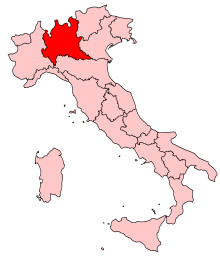
Lombardy wine is the Italian wine produced in the Lombardy region of north central Italy. The region is known particularly for its sparkling wines made in the Franciacorta and Oltrepò Pavese areas. Lombardy also produces still red, white and rosé wines made from a variety of local and international grapes, including Nebbiolo wines in the Valtellina region and Trebbiano di Lugana white wines produced with the Chiaretto style rosé along the shores of Lake Garda. The wine region currently has 22 denominazione di origine controllata (DOC), 5 denominazione di origine controllata e garantita (DOCG) and at least 13 indicazione geografica tipica (IGT) designations. The main cities of the region are Milan, Bergamo and Brescia. The region annually produces around 1.3 million hectolitres of wine, more than the regions of Friuli-Venezia Giulia, Marche, Trentino-Alto Adige/Südtirol and Umbria.
The winemaking tradition of Lombardy dates back to its settlement by Greeks from Athens along the Po river. Archaeological evidence suggest that these settlers traded wine with the Etruscans in nearby Tuscany. In the late 19th century, the Italian wine writer C. B. Cerletti wrote a book for the French market that described the wines of Italy. Of the wines of Lombardy, he noted that the Valtellina were still being made in a Greek style and the wines of Oltrepò Pavese were the preferred wines of the Milanese.
The climate of Lombardy is varied due to the diverse terrain of the region, but is generally considered a "cool" continental climate. The region is influenced by several geographic features that control the climate and terroir of the land. These include the Alps located in the northern parts of the region near the wine-producing area of Valtellina and the Po River, which runs along the Oltrepò Pavese (whose name means "Pavia across the Po") and forms most of the region's southern border with Emilia-Romagna. Many wine areas are located near some of Lombardy's major lakes, including Franciacorta near Lake Iseo as well as the Garda Bresciano and Garda Mantovano regions near Lake Garda. To the west of Lombardy is the Piedmont wine region, to the south is Emilia-Romagna and to the east are the Trentino-Alto Adige/Südtirol and Veneto wine regions.
The Lombardy region consists primarily of 13 wine-producing areas (from north-south):
This northernmost wine region of Lombardy has been producing wine since the 5th century and is found in the valley of Adda River traveling west to east through the Alps. The vineyards in this area are located at high altitudes around 2,500 feet. For most of its history, the Valtellina region's primary market was Switzerland to the north. In recent times it has garnered international attention for being the only major Italian region to focus on the Nebbiolo grape, locally known as Chiavennasca, outside of the Piedmont region.
The vineyards of the region are located on the south-facing slopes along the Adda river. The nearby mountain peaks provide protection from cold, harsh winds and help to trap heat in the valley. The stony vineyard soil also retains heat and releases it during the night to warm the vines. This creates an optimum situation which allows the Nebbiolo grape to fully develop its flavors during the long growing season it needs. The steep location of the vineyards makes mechanical harvesting difficult so most vineyards are tended by hand which increases the cost and limits production. Heavy winter rainfall poses the hazards of landslides and soil erosion.
The red wines of the Valtellina regions are typically light to medium bodied. The Nebbiolos are noticeably less tannic and acidic than their Piedmont counterparts. The Valtellina DOC includes the basic level wines while the Valtellina Superiore DOCG include wines from the more premium locations and must be aged a minimum of two years. The Valtellina Superiore Riserva are reserve-style wines that must be aged for at least four years. Valtellina also produces an Amarone-style DOCG wine known as Sforzato (or Sfursat, Sfurzat as alternate dialect names) made from dried grapes with a minimum alcohol content of 14.5%.
The Valtellina grape Rossola nera that is permitted as a minor blending component in the DOC wines of the region is an offspring of Nebbiolo. Another wine grape, Rossolino nero, that is thought to be an offspring of Rossola nera (and such a grandchild variety of Nebbiolo) is also grown in Valtellina.
Hub AI
Lombardy wine AI simulator
(@Lombardy wine_simulator)
Lombardy wine
Lombardy wine is the Italian wine produced in the Lombardy region of north central Italy. The region is known particularly for its sparkling wines made in the Franciacorta and Oltrepò Pavese areas. Lombardy also produces still red, white and rosé wines made from a variety of local and international grapes, including Nebbiolo wines in the Valtellina region and Trebbiano di Lugana white wines produced with the Chiaretto style rosé along the shores of Lake Garda. The wine region currently has 22 denominazione di origine controllata (DOC), 5 denominazione di origine controllata e garantita (DOCG) and at least 13 indicazione geografica tipica (IGT) designations. The main cities of the region are Milan, Bergamo and Brescia. The region annually produces around 1.3 million hectolitres of wine, more than the regions of Friuli-Venezia Giulia, Marche, Trentino-Alto Adige/Südtirol and Umbria.
The winemaking tradition of Lombardy dates back to its settlement by Greeks from Athens along the Po river. Archaeological evidence suggest that these settlers traded wine with the Etruscans in nearby Tuscany. In the late 19th century, the Italian wine writer C. B. Cerletti wrote a book for the French market that described the wines of Italy. Of the wines of Lombardy, he noted that the Valtellina were still being made in a Greek style and the wines of Oltrepò Pavese were the preferred wines of the Milanese.
The climate of Lombardy is varied due to the diverse terrain of the region, but is generally considered a "cool" continental climate. The region is influenced by several geographic features that control the climate and terroir of the land. These include the Alps located in the northern parts of the region near the wine-producing area of Valtellina and the Po River, which runs along the Oltrepò Pavese (whose name means "Pavia across the Po") and forms most of the region's southern border with Emilia-Romagna. Many wine areas are located near some of Lombardy's major lakes, including Franciacorta near Lake Iseo as well as the Garda Bresciano and Garda Mantovano regions near Lake Garda. To the west of Lombardy is the Piedmont wine region, to the south is Emilia-Romagna and to the east are the Trentino-Alto Adige/Südtirol and Veneto wine regions.
The Lombardy region consists primarily of 13 wine-producing areas (from north-south):
This northernmost wine region of Lombardy has been producing wine since the 5th century and is found in the valley of Adda River traveling west to east through the Alps. The vineyards in this area are located at high altitudes around 2,500 feet. For most of its history, the Valtellina region's primary market was Switzerland to the north. In recent times it has garnered international attention for being the only major Italian region to focus on the Nebbiolo grape, locally known as Chiavennasca, outside of the Piedmont region.
The vineyards of the region are located on the south-facing slopes along the Adda river. The nearby mountain peaks provide protection from cold, harsh winds and help to trap heat in the valley. The stony vineyard soil also retains heat and releases it during the night to warm the vines. This creates an optimum situation which allows the Nebbiolo grape to fully develop its flavors during the long growing season it needs. The steep location of the vineyards makes mechanical harvesting difficult so most vineyards are tended by hand which increases the cost and limits production. Heavy winter rainfall poses the hazards of landslides and soil erosion.
The red wines of the Valtellina regions are typically light to medium bodied. The Nebbiolos are noticeably less tannic and acidic than their Piedmont counterparts. The Valtellina DOC includes the basic level wines while the Valtellina Superiore DOCG include wines from the more premium locations and must be aged a minimum of two years. The Valtellina Superiore Riserva are reserve-style wines that must be aged for at least four years. Valtellina also produces an Amarone-style DOCG wine known as Sforzato (or Sfursat, Sfurzat as alternate dialect names) made from dried grapes with a minimum alcohol content of 14.5%.
The Valtellina grape Rossola nera that is permitted as a minor blending component in the DOC wines of the region is an offspring of Nebbiolo. Another wine grape, Rossolino nero, that is thought to be an offspring of Rossola nera (and such a grandchild variety of Nebbiolo) is also grown in Valtellina.