
Recent from talks
Upper Hungary
Knowledge base stats:
Talk channels stats:
Members stats:
Upper Hungary
Upper Hungary (Hungarian: Felvidék, "Upland"), is the area that was historically the northern part of the Kingdom of Hungary, now mostly present-day Slovakia. The region has also been called Felső-Magyarország (literally: "Upper Hungary"; Slovak: Horné Maďarsko). However, the Slovaks use the term 'Horné Uhorsko', which translates as "Upper Hungary", with the term "Hungary" having no connection to the "land of the Magyars" etymology.
During the Habsburg–Ottoman wars, Upper Hungary meant only the northeastern parts of the Hungarian Kingdom. The northwestern regions (present-day western and central Slovakia) belonged to Lower Hungary. Sometime during the 18th or 19th century, Upper Hungary began to imply the whole northern regions of the kingdom. The population of Upper Hungary was mixed and mainly consisted of Slovaks, Hungarians, Germans, Ashkenazi Jews and Ruthenians. The first complex demographic data are from the 18th century, in which Slovaks constituted the majority population in Upper Hungary. Slovaks called this territory "Slovensko" (Slovakia), which term appears in written documents from the 15th century, but it was not precisely defined and the region inhabited by Slovaks held no distinct legal, constitutional, or political status within Upper Hungary.
Historically there are different meanings:
After World War I, the meaning of Felvidék in Hungarian (Felső-Magyarország was not used anymore) was restricted to the Slovak and Carpathian Ruthenian parts of Czechoslovakia. Today the term Felvidék is sometimes used in Hungary when speaking about Slovakia, and it is exclusively (and anachronistically) used in Hungarian historical literature when speaking about the Middle Ages, i.e., before the name actually came into existence. The three counties of the region that remained in Hungary after World War I, however, are never called Upper Hungary today, only Northern Hungary (Észak-Magyarország). Any use of the word Felvidék to denote all of modern Slovakia is considered offensive by Slovaks, and inappropriate by some Hungarians, but it is now commonly used by the sizeable Hungarian minority in the southern border-zone of Slovakia to identify the Hungarian-majority areas where they live. Some of them call themselves felvidéki magyarok, i.e. the "Upland Hungarians." The word felvidék is also used as a component of the toponym Balaton-felvidék, describing the hilly area north of Lake Balaton, with no connection to the historical Upper Hungary.
The term Upper Hungary often occurs in publications on history as a somewhat-anachronistic translation of other, earlier (then Latin) designations denoting approximately the same territory. Some of the other terms were Partes Danubii septentrionales (Territories to the north of the Danube) or Partes regni superiores (Upper parts of the Kingdom). The actual name "Upper Hungary" arose later from the latter phrase.
In the 15th century, the "Somorja (Šamorín), Nagyszombat (Trnava), Galgóc (Hlohovec), Nyitra (Nitra), Léva (Levice), Losonc (Lučenec), Rimaszombat (Rimavská Sobota), Rozsnyó (Rožňava), Jászó (Jasov), Kassa (Košice), Gálszécs (Sečovce), Nagymihály (Michalovce)" line was the northern "boundary" of the Hungarian ethnic area.
The Principality of Nitra emerged in the 8th century and developed into an independent Slavic state; although the polity may have lost its independence when it was still at the stage of development. In the early 9th century, the polity was situated on the north-western territories of present-day Slovakia.
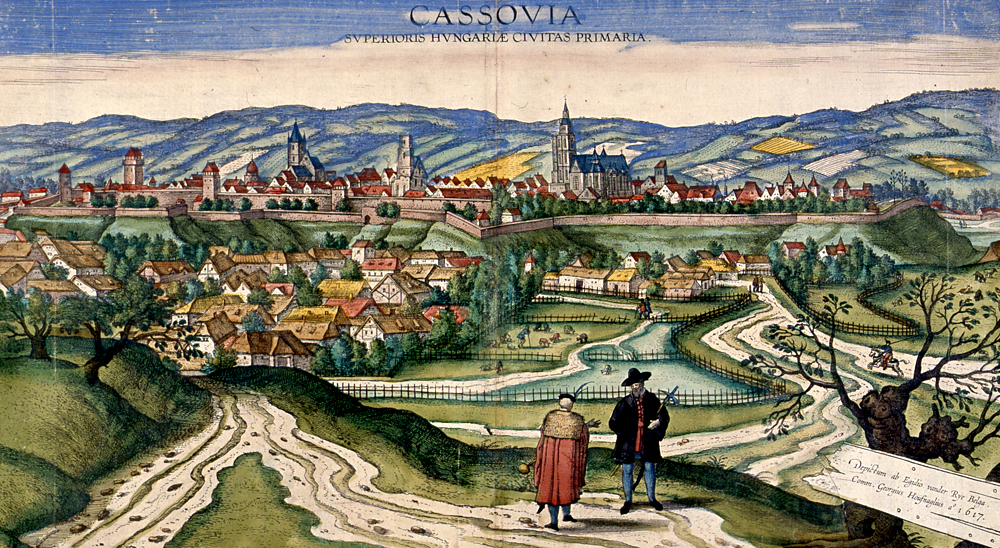
The term emerged approximately after the conquest of today's Hungary by the Ottomans in the 16th century when Felső-Magyarország (German: Oberungarn; Slovak: Horné Uhorsko) referred to present-day eastern Slovakia and the adjacent territories of today's Hungary and Ukraine that were not occupied by the Ottoman Empire. That territory formed a separate military district (the "Captaincy of Upper Hungary" (1564–1686) headquartered in Kassa/Kaschau/Košice) within Royal Hungary. At that time, present-day western Slovakia, and sometimes also the remaining territories of Royal Hungary to the south of it, were called Lower Hungary (Hungarian: Alsó-Magyarország; German: Niederungarn; Slovak: Dolné Uhorsko).
Hub AI
Upper Hungary AI simulator
(@Upper Hungary_simulator)
Upper Hungary
Upper Hungary (Hungarian: Felvidék, "Upland"), is the area that was historically the northern part of the Kingdom of Hungary, now mostly present-day Slovakia. The region has also been called Felső-Magyarország (literally: "Upper Hungary"; Slovak: Horné Maďarsko). However, the Slovaks use the term 'Horné Uhorsko', which translates as "Upper Hungary", with the term "Hungary" having no connection to the "land of the Magyars" etymology.
During the Habsburg–Ottoman wars, Upper Hungary meant only the northeastern parts of the Hungarian Kingdom. The northwestern regions (present-day western and central Slovakia) belonged to Lower Hungary. Sometime during the 18th or 19th century, Upper Hungary began to imply the whole northern regions of the kingdom. The population of Upper Hungary was mixed and mainly consisted of Slovaks, Hungarians, Germans, Ashkenazi Jews and Ruthenians. The first complex demographic data are from the 18th century, in which Slovaks constituted the majority population in Upper Hungary. Slovaks called this territory "Slovensko" (Slovakia), which term appears in written documents from the 15th century, but it was not precisely defined and the region inhabited by Slovaks held no distinct legal, constitutional, or political status within Upper Hungary.
Historically there are different meanings:
After World War I, the meaning of Felvidék in Hungarian (Felső-Magyarország was not used anymore) was restricted to the Slovak and Carpathian Ruthenian parts of Czechoslovakia. Today the term Felvidék is sometimes used in Hungary when speaking about Slovakia, and it is exclusively (and anachronistically) used in Hungarian historical literature when speaking about the Middle Ages, i.e., before the name actually came into existence. The three counties of the region that remained in Hungary after World War I, however, are never called Upper Hungary today, only Northern Hungary (Észak-Magyarország). Any use of the word Felvidék to denote all of modern Slovakia is considered offensive by Slovaks, and inappropriate by some Hungarians, but it is now commonly used by the sizeable Hungarian minority in the southern border-zone of Slovakia to identify the Hungarian-majority areas where they live. Some of them call themselves felvidéki magyarok, i.e. the "Upland Hungarians." The word felvidék is also used as a component of the toponym Balaton-felvidék, describing the hilly area north of Lake Balaton, with no connection to the historical Upper Hungary.
The term Upper Hungary often occurs in publications on history as a somewhat-anachronistic translation of other, earlier (then Latin) designations denoting approximately the same territory. Some of the other terms were Partes Danubii septentrionales (Territories to the north of the Danube) or Partes regni superiores (Upper parts of the Kingdom). The actual name "Upper Hungary" arose later from the latter phrase.
In the 15th century, the "Somorja (Šamorín), Nagyszombat (Trnava), Galgóc (Hlohovec), Nyitra (Nitra), Léva (Levice), Losonc (Lučenec), Rimaszombat (Rimavská Sobota), Rozsnyó (Rožňava), Jászó (Jasov), Kassa (Košice), Gálszécs (Sečovce), Nagymihály (Michalovce)" line was the northern "boundary" of the Hungarian ethnic area.
The Principality of Nitra emerged in the 8th century and developed into an independent Slavic state; although the polity may have lost its independence when it was still at the stage of development. In the early 9th century, the polity was situated on the north-western territories of present-day Slovakia.
The term emerged approximately after the conquest of today's Hungary by the Ottomans in the 16th century when Felső-Magyarország (German: Oberungarn; Slovak: Horné Uhorsko) referred to present-day eastern Slovakia and the adjacent territories of today's Hungary and Ukraine that were not occupied by the Ottoman Empire. That territory formed a separate military district (the "Captaincy of Upper Hungary" (1564–1686) headquartered in Kassa/Kaschau/Košice) within Royal Hungary. At that time, present-day western Slovakia, and sometimes also the remaining territories of Royal Hungary to the south of it, were called Lower Hungary (Hungarian: Alsó-Magyarország; German: Niederungarn; Slovak: Dolné Uhorsko).
Recent media