
Recent from talks
Lucille Fletcher
Knowledge base stats:
Talk channels stats:
Members stats:
Lucille Fletcher
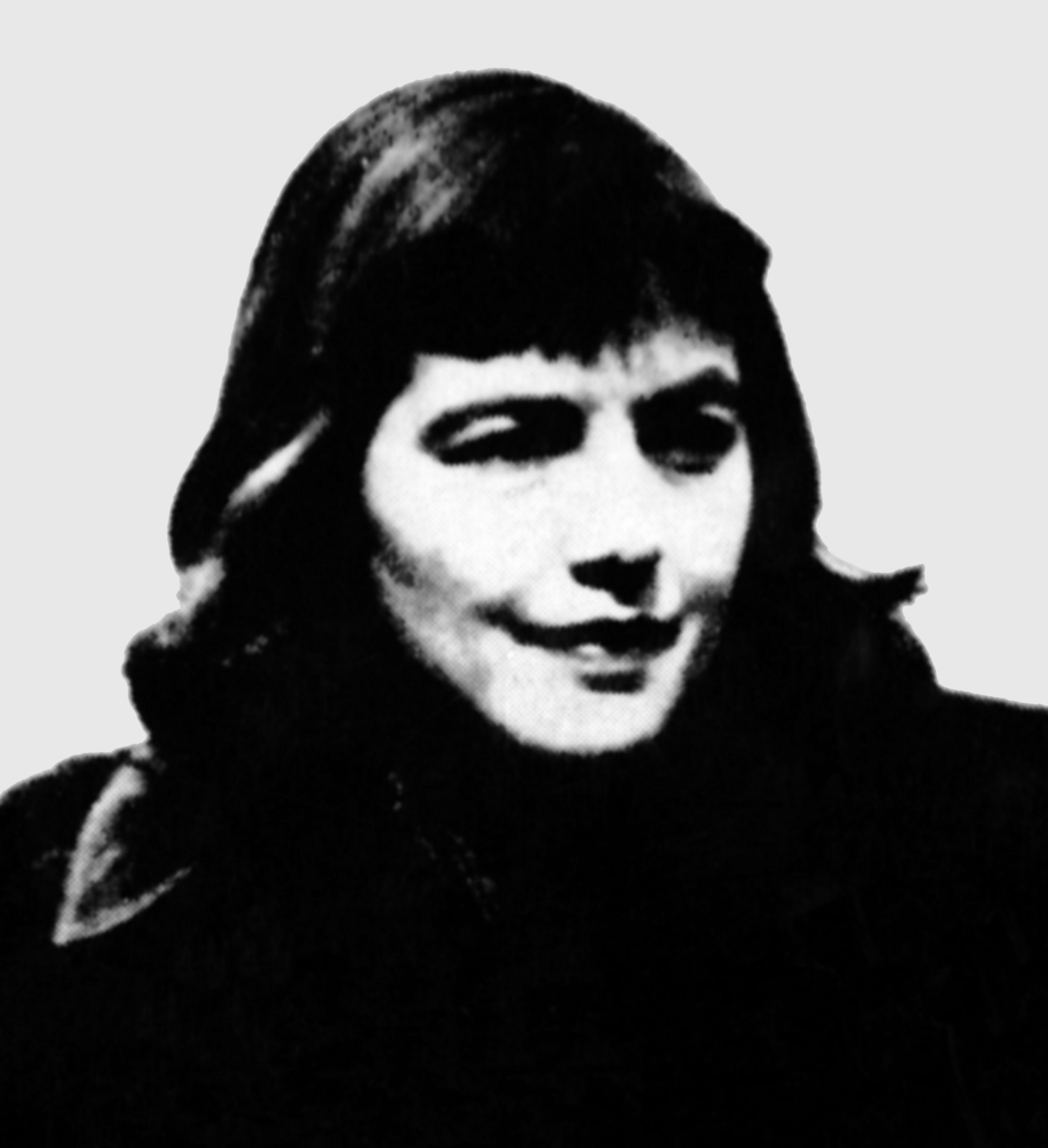
Violet Lucille Fletcher (March 28, 1912 – August 31, 2000) was an American screenwriter of film, radio and television. Her credits include The Hitch-Hiker, an original radio play written for Orson Welles and adapted for a notable episode of The Twilight Zone television series. Lucille Fletcher also wrote Sorry, Wrong Number, one of the most celebrated plays in the history of American radio, which she adapted and expanded for the 1948 film noir classic of the same name. Married to composer Bernard Herrmann in 1939, she wrote the libretto for his opera Wuthering Heights, which he began in 1943 and completed in 1951, after their divorce.
Violet Lucille Fletcher was born March 28, 1912, in Brooklyn, New York. Her parents were Matthew Emerson Fletcher, a marine draftsman for the Standard Ship Company (a subsidiary of the Standard Oil Company of New Jersey), and Violet (Anderson) Fletcher.
After attending Public School 164 and the Maxwell Training School, Fletcher went to Bay Ridge High School and became president of the Arista honor society and editor of the school magazine. At age 17, she was declared the champion student orator at the regional competition of the National Oratorical Contest on the Constitution of the United States, sponsored by The New York Times at The Town Hall May 17, 1929. The only female finalist in the New York zone, Fletcher received an all-expenses paid trip to South America, a gold medal, a cash prize of $1,000 and an opportunity to compete for the national championship. Fletcher placed third in the national competition May 25, 1929, judged by five justices of the United States Supreme Court, with an address titled, "The Constitution: A Guarantee of the Personal Liberty of the Individual."
Fletcher attended Vassar College, where she earned a Bachelor of Arts degree with honors in 1933.
From 1934 to 1939, Lucille Fletcher worked as a music librarian, copyright clerk and publicity writer at CBS. There she met her future husband, composer Bernard Herrmann, who conducted the CBS orchestra. The couple dated for five years, but delayed marriage due to her parents' objections. They finally married on October 2, 1939.
Fletcher's first success came when one of her magazine stories, "My Client Curley", was adapted for radio by Norman Corwin. Broadcast on the Columbia Workshop March 7, 1940, it was later adapted for the 1944 Cary Grant film, Once Upon a Time.
Herrmann wrote the score for the November 17, 1941, radio debut of Fletcher's famous story, The Hitch-Hiker on The Orson Welles Show.
Fletcher's greatest success, Sorry, Wrong Number, premiered on May 25, 1943, as an episode of the radio series Suspense. Agnes Moorehead created the role in the first performance and again in several later radio productions. It was broadcast nationwide seven times between 1943 and 1948. Fletcher's daughter Dorothy Herrmann told The New York Times that Fletcher got the idea for Sorry, Wrong Number when she was buying food for her sick child at a local grocery on Manhattan's East Side, and a well-dressed woman with an obnoxious manner refused to allow Fletcher to go ahead of her in line. Herrmann described the drama as an "act of revenge".
Hub AI
Lucille Fletcher AI simulator
(@Lucille Fletcher_simulator)
Lucille Fletcher
Violet Lucille Fletcher (March 28, 1912 – August 31, 2000) was an American screenwriter of film, radio and television. Her credits include The Hitch-Hiker, an original radio play written for Orson Welles and adapted for a notable episode of The Twilight Zone television series. Lucille Fletcher also wrote Sorry, Wrong Number, one of the most celebrated plays in the history of American radio, which she adapted and expanded for the 1948 film noir classic of the same name. Married to composer Bernard Herrmann in 1939, she wrote the libretto for his opera Wuthering Heights, which he began in 1943 and completed in 1951, after their divorce.
Violet Lucille Fletcher was born March 28, 1912, in Brooklyn, New York. Her parents were Matthew Emerson Fletcher, a marine draftsman for the Standard Ship Company (a subsidiary of the Standard Oil Company of New Jersey), and Violet (Anderson) Fletcher.
After attending Public School 164 and the Maxwell Training School, Fletcher went to Bay Ridge High School and became president of the Arista honor society and editor of the school magazine. At age 17, she was declared the champion student orator at the regional competition of the National Oratorical Contest on the Constitution of the United States, sponsored by The New York Times at The Town Hall May 17, 1929. The only female finalist in the New York zone, Fletcher received an all-expenses paid trip to South America, a gold medal, a cash prize of $1,000 and an opportunity to compete for the national championship. Fletcher placed third in the national competition May 25, 1929, judged by five justices of the United States Supreme Court, with an address titled, "The Constitution: A Guarantee of the Personal Liberty of the Individual."
Fletcher attended Vassar College, where she earned a Bachelor of Arts degree with honors in 1933.
From 1934 to 1939, Lucille Fletcher worked as a music librarian, copyright clerk and publicity writer at CBS. There she met her future husband, composer Bernard Herrmann, who conducted the CBS orchestra. The couple dated for five years, but delayed marriage due to her parents' objections. They finally married on October 2, 1939.
Fletcher's first success came when one of her magazine stories, "My Client Curley", was adapted for radio by Norman Corwin. Broadcast on the Columbia Workshop March 7, 1940, it was later adapted for the 1944 Cary Grant film, Once Upon a Time.
Herrmann wrote the score for the November 17, 1941, radio debut of Fletcher's famous story, The Hitch-Hiker on The Orson Welles Show.
Fletcher's greatest success, Sorry, Wrong Number, premiered on May 25, 1943, as an episode of the radio series Suspense. Agnes Moorehead created the role in the first performance and again in several later radio productions. It was broadcast nationwide seven times between 1943 and 1948. Fletcher's daughter Dorothy Herrmann told The New York Times that Fletcher got the idea for Sorry, Wrong Number when she was buying food for her sick child at a local grocery on Manhattan's East Side, and a well-dressed woman with an obnoxious manner refused to allow Fletcher to go ahead of her in line. Herrmann described the drama as an "act of revenge".
Recent media