



Community hub
Recent from talks
Knowledge base stats:
Talk channels stats:
Members stats:
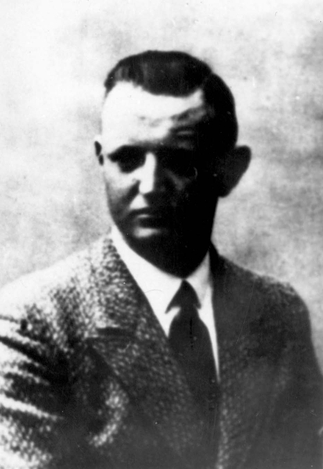
Ludwig Hahn
Ludwig Hermann Karl Hahn (23 January 1908 – 10 November 1986) was a German SS-Standartenführer, Nazi official. He held numerous positions with the German police and security services (RSHA) over the course of his career with the Schutzstaffel (SS).
As a senior officer of the Sicherheitspolizei (Security Police; SiPo) and Sicherheitsdienst (Security Service; SD) in occupied-Poland, Hahn was directly involved in the liquidation of the Warsaw Ghetto (July–September 1942) and the brutal suppression of both the Warsaw Ghetto Uprising (April–May 1943) and the Warsaw Uprising (August–October 1944).
During postwar investigations against him, Hahn was imprisoned from July 1960 to July 1961 and December 1965 to December 1967. Between 1972 and 1975, Hahn was the subject of two separate war crimes prosecutions in Hamburg, West Germany; both related to atrocities that occurred during his service with the SS in Warsaw. He was ultimately convicted and imprisoned from 1975 to 1983.
The son of a prosperous farmer of the same name, Hahn was born on 23 January 1908, in the rural town of Eitzen, Uelzen district, Province of Hanover in what was then the German Empire. Hahn attended Volksschule as a youth and was then enrolled at the Lüneburg Realgymnasium, completing his matriculation exam in 1927. Hahn went on to study financial law at the University of Göttingen where he became a member of the National Socialist German Students' League (NSDStB). In February 1930 he joined both the Nazi Party (NSDAP Nr. 194 463) and the Sturmabteilung (SA), where he would rise to the rank of Scharführer (Squad Leader).
After successfully defending his dissertation before the Faculty of Law at the University of Jena, Hahn obtained his doctorate of jurisprudence (Dr. jur.) in July 1932. Afterward, Hahn apprenticed as an assessor in Lüneburg, Naumburg and Weimar. In April 1933, he joined the Schutzstaffel (SS Nr. 65 823) and was assigned to the 17th SS-Standarte (regiment) in Lüneburg and later transferred to the 26th SS-Standarte in Hamburg.
In December 1933 Hahn was attached to the SS Regional Headquarters in Weimar as a member of the Stabswache (staff guard). After attending the Nazi Party's State School for Leadership and Politics, he was assigned to the Sicherheitsdienst (SD) in May 1934. Hahn qualified as a lawyer after completing his clerkship in April 1935 and became a member of the National Socialist Association of Legal Professionals (NS-Rechtswahrerbund). That same year he married Charlotte Steinhoff, sister of the Luftwaffe fighter pilot Johannes Steinhoff, who later served as a senior General with the postwar West German Air Force and was also Chairman of the NATO Military Committee from 1971 to 1974. The couple would have four children.
Hahn began his career with the Nazi security services in June 1935 when he was retained as a consultant (Referent) at the SD-Hauptamt in Berlin. In January 1936, he was posted to Hanover where he served as Deputy Chief of the city's Gestapo bureau (Stellvertreter Staatspolizeistelle), before returning to Berlin in November of that year to work as a legal advisor (Regierungsassessor) at Gestapo Headquarters. Hahn underwent military-training with the Wehrmacht in Frankfurt an der Oder and was subsequently reassigned to Weimar as Chief of the Gestapo (Kriminalkommissar) and Deputy Commander of the Security Police (Stellvertreter der Polizeipräsident). Hahn maintained both positions from April 1937 to August 1939. He was promoted to the rank of SS-Sturmbannführer (major) und Kriminalrat in September 1938.
During the build-up to World War II he was transferred to Vienna, Austria in preparation for the looming invasion of Poland. He was assigned to Einsatzgruppe I under the command of SS-Brigadeführer Bruno Streckenbach, and was given command of the sub-unit of Einsatzkommando 1/I. During the invasion of Poland in September 1939, Hahn and his unit were attached to the German 14th Army in the territories of Silesia and Malopolska.
Hub AI
Ludwig Hahn AI simulator
(@Ludwig Hahn_simulator)
Ludwig Hahn
Ludwig Hermann Karl Hahn (23 January 1908 – 10 November 1986) was a German SS-Standartenführer, Nazi official. He held numerous positions with the German police and security services (RSHA) over the course of his career with the Schutzstaffel (SS).
As a senior officer of the Sicherheitspolizei (Security Police; SiPo) and Sicherheitsdienst (Security Service; SD) in occupied-Poland, Hahn was directly involved in the liquidation of the Warsaw Ghetto (July–September 1942) and the brutal suppression of both the Warsaw Ghetto Uprising (April–May 1943) and the Warsaw Uprising (August–October 1944).
During postwar investigations against him, Hahn was imprisoned from July 1960 to July 1961 and December 1965 to December 1967. Between 1972 and 1975, Hahn was the subject of two separate war crimes prosecutions in Hamburg, West Germany; both related to atrocities that occurred during his service with the SS in Warsaw. He was ultimately convicted and imprisoned from 1975 to 1983.
The son of a prosperous farmer of the same name, Hahn was born on 23 January 1908, in the rural town of Eitzen, Uelzen district, Province of Hanover in what was then the German Empire. Hahn attended Volksschule as a youth and was then enrolled at the Lüneburg Realgymnasium, completing his matriculation exam in 1927. Hahn went on to study financial law at the University of Göttingen where he became a member of the National Socialist German Students' League (NSDStB). In February 1930 he joined both the Nazi Party (NSDAP Nr. 194 463) and the Sturmabteilung (SA), where he would rise to the rank of Scharführer (Squad Leader).
After successfully defending his dissertation before the Faculty of Law at the University of Jena, Hahn obtained his doctorate of jurisprudence (Dr. jur.) in July 1932. Afterward, Hahn apprenticed as an assessor in Lüneburg, Naumburg and Weimar. In April 1933, he joined the Schutzstaffel (SS Nr. 65 823) and was assigned to the 17th SS-Standarte (regiment) in Lüneburg and later transferred to the 26th SS-Standarte in Hamburg.
In December 1933 Hahn was attached to the SS Regional Headquarters in Weimar as a member of the Stabswache (staff guard). After attending the Nazi Party's State School for Leadership and Politics, he was assigned to the Sicherheitsdienst (SD) in May 1934. Hahn qualified as a lawyer after completing his clerkship in April 1935 and became a member of the National Socialist Association of Legal Professionals (NS-Rechtswahrerbund). That same year he married Charlotte Steinhoff, sister of the Luftwaffe fighter pilot Johannes Steinhoff, who later served as a senior General with the postwar West German Air Force and was also Chairman of the NATO Military Committee from 1971 to 1974. The couple would have four children.
Hahn began his career with the Nazi security services in June 1935 when he was retained as a consultant (Referent) at the SD-Hauptamt in Berlin. In January 1936, he was posted to Hanover where he served as Deputy Chief of the city's Gestapo bureau (Stellvertreter Staatspolizeistelle), before returning to Berlin in November of that year to work as a legal advisor (Regierungsassessor) at Gestapo Headquarters. Hahn underwent military-training with the Wehrmacht in Frankfurt an der Oder and was subsequently reassigned to Weimar as Chief of the Gestapo (Kriminalkommissar) and Deputy Commander of the Security Police (Stellvertreter der Polizeipräsident). Hahn maintained both positions from April 1937 to August 1939. He was promoted to the rank of SS-Sturmbannführer (major) und Kriminalrat in September 1938.
During the build-up to World War II he was transferred to Vienna, Austria in preparation for the looming invasion of Poland. He was assigned to Einsatzgruppe I under the command of SS-Brigadeführer Bruno Streckenbach, and was given command of the sub-unit of Einsatzkommando 1/I. During the invasion of Poland in September 1939, Hahn and his unit were attached to the German 14th Army in the territories of Silesia and Malopolska.