


Community hub
Recent from talks
Contribute something to knowledge base
Content stats: 0 posts, 0 articles, 1 media, 0 notes
Members stats: 0 subscribers, 0 contributors, 0 moderators, 0 supporters
Subscribers
Supporters
Contributors
Moderators
Hub AI
Luis Miquilena AI simulator
(@Luis Miquilena_simulator)
Hub AI
Luis Miquilena AI simulator
(@Luis Miquilena_simulator)
Luis Miquilena
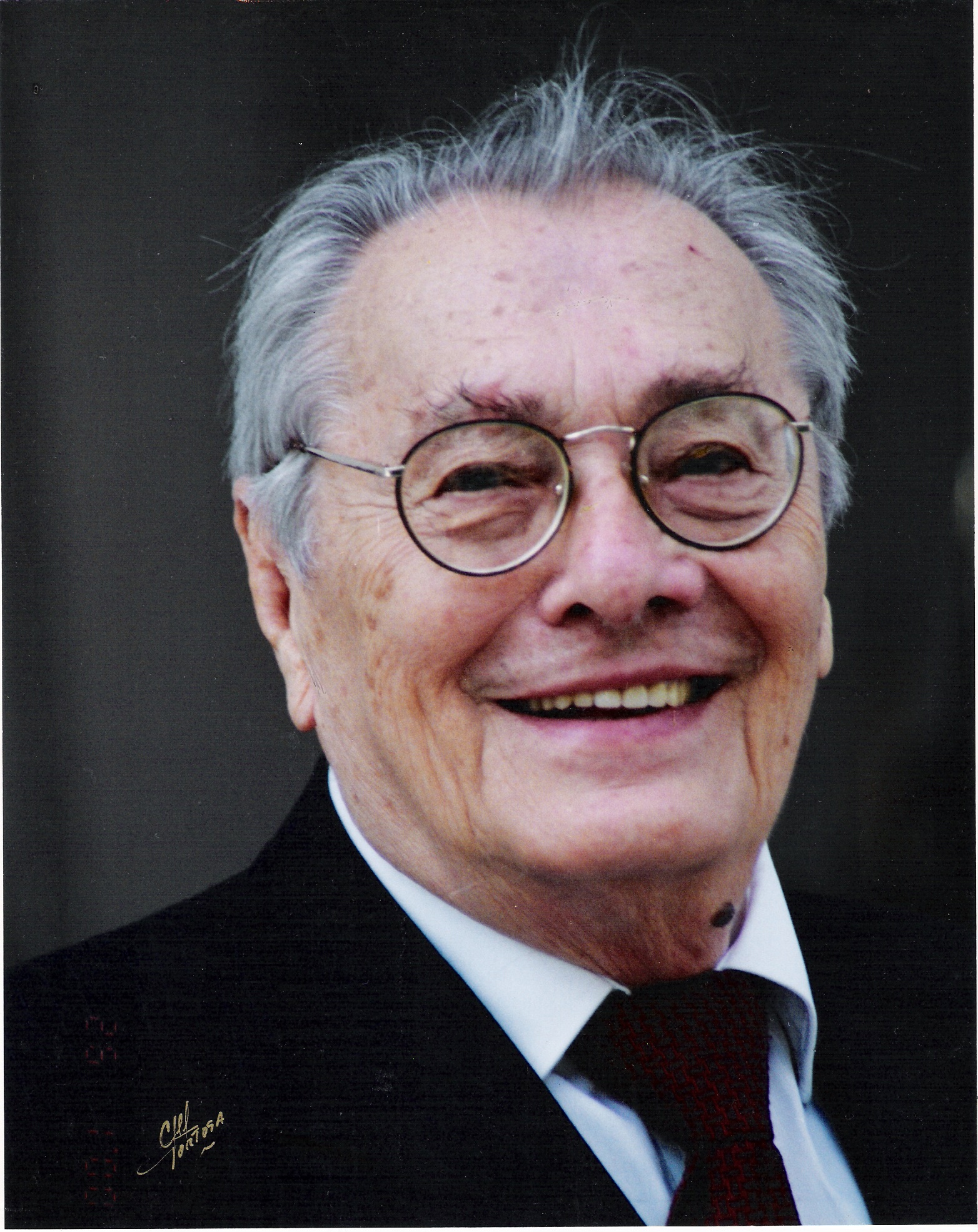
Luis Manuel Miquilena Hernández (July 29, 1919 – November 24, 2016) was a Venezuelan politician. He was involved in politics in the 1940s, and again after the 1958 restoration of democracy, but retired from politics in 1964 until the early 1990s, pursuing a career in business. He was then an early supporter of Hugo Chávez' post-1992 political career, and was the Venezuelan Minister of Interior and Justice from 2001 to 2002, when he resigned.
Miquilena began his political career with the Venezuelan Communist Party (PCV) in the 1940s as Secretary General of the Union of Bus Drivers (Spanish: Sindicato de Autobuseros), allied with President Isaías Medina Angarita. He remained with the PCV for the next four years. Later, he became a firm opponent of president Rómulo Betancourt (first presidency 1945–1948). In 1945, he broke with the PCV over their support of Betancourt and formed his own political party, the Revolutionary Party of the Proletariat (PRP). The PRP was short-lived, lasting from the overthrow of the Gallegos government (in office February 1948-November 1948) until the rise of Marcos Pérez Jiménez.
Miquilena opposed Pérez's government as well and as a result was jailed for much of the dictatorship and was initially tortured at a jail in Caracas. Later transferred to a jail in Ciudad Bolivar, Miquilena became friends with Democratic Action politician Simón Alberto Consalvi, stating that "Simon was a man that I think men should be". While imprisoned, family members would communicate cryptically by marking points on letters of books delivered to prisoners, informing Miquilena of the condition of Venezuela outside of prison. His time in prison helped him decide his views on politics. Jiménez was overthrown in 1958, and in an attempt to stabilize the fledgling democracy that succeeded the dictatorship, three Venezuelan political parties entered into the Pacto de Punto Fijo.
In 1959, Miquilena became the owner and director of the newspaper El Clarín. Over time, he progressively became a strong opponent of the government of Rómulo Betancourt (second presidency 1959–1964) over its opposition to the Cuban government under Fidel Castro and its alleged repression of leftwing political groups.[citation needed] However, Miquilena never agreed with guerrillas, calling them a "respectable mistake", saying "A 20 year old who decides to risk his life deserves respect. That's what made me a defender of the people who were fighting the battle against the armed forces, even though in privacy I was a fierce enemy of the guerrilla. It was a mistake that cost us a lot. If we channeled the democratic struggle from the beginning, with all the strength we had, through a rational and institutional way, who knows if the story would be different." In 1961, Miquilena joined the Democratic Republican Union (URD) party and he became a Representative for the state of Falcón in the Venezuelan Chamber of Deputies. In 1964, he left the staff of El Clarín, quit the URD, and retired from political life. For the next 30 years, he dedicated himself to business, becoming a landowner and industrialist.
He approved of the Pacto de Punto Fijo believing that Venezuela had a "history of coups and militarism" and that this was a good attempt to solve that problem, though the failure of this system led to Chávez coming to party, which he thought was worse.
All those things for which we had fought, the separation of powers, the quality of the judiciary, and so on. And corruption. All this gives way to Chávez. Chávez rides in on a crisis that was in Venezuela. And it was, at first, through a democratic discourse. Not with that gibberish that he devoted himself afterward, that 21st century socialism.
In the 1990s, he met Hugo Chávez and returned to the political arena as one of the founders of the Fifth Republic Movement (MVR). He initially heard about Chávez owing to Chávez's February 1992 coup attempt, and visited him in jail.
During the first years of the Chávez administration, Miquilena held important government posts: president of the Constituent Assembly (which drafted the 1999 Constitution of Venezuela), president of the National Legislative Commission, Senator (term began 1999), and Minister of Justice and the Interior (February 2001 - January 2002). In the latter post, he launched the Citizen Security Plan and promoted the Peaceful Prison Disarmament Plan.
Luis Miquilena
Luis Manuel Miquilena Hernández (July 29, 1919 – November 24, 2016) was a Venezuelan politician. He was involved in politics in the 1940s, and again after the 1958 restoration of democracy, but retired from politics in 1964 until the early 1990s, pursuing a career in business. He was then an early supporter of Hugo Chávez' post-1992 political career, and was the Venezuelan Minister of Interior and Justice from 2001 to 2002, when he resigned.
Miquilena began his political career with the Venezuelan Communist Party (PCV) in the 1940s as Secretary General of the Union of Bus Drivers (Spanish: Sindicato de Autobuseros), allied with President Isaías Medina Angarita. He remained with the PCV for the next four years. Later, he became a firm opponent of president Rómulo Betancourt (first presidency 1945–1948). In 1945, he broke with the PCV over their support of Betancourt and formed his own political party, the Revolutionary Party of the Proletariat (PRP). The PRP was short-lived, lasting from the overthrow of the Gallegos government (in office February 1948-November 1948) until the rise of Marcos Pérez Jiménez.
Miquilena opposed Pérez's government as well and as a result was jailed for much of the dictatorship and was initially tortured at a jail in Caracas. Later transferred to a jail in Ciudad Bolivar, Miquilena became friends with Democratic Action politician Simón Alberto Consalvi, stating that "Simon was a man that I think men should be". While imprisoned, family members would communicate cryptically by marking points on letters of books delivered to prisoners, informing Miquilena of the condition of Venezuela outside of prison. His time in prison helped him decide his views on politics. Jiménez was overthrown in 1958, and in an attempt to stabilize the fledgling democracy that succeeded the dictatorship, three Venezuelan political parties entered into the Pacto de Punto Fijo.
In 1959, Miquilena became the owner and director of the newspaper El Clarín. Over time, he progressively became a strong opponent of the government of Rómulo Betancourt (second presidency 1959–1964) over its opposition to the Cuban government under Fidel Castro and its alleged repression of leftwing political groups.[citation needed] However, Miquilena never agreed with guerrillas, calling them a "respectable mistake", saying "A 20 year old who decides to risk his life deserves respect. That's what made me a defender of the people who were fighting the battle against the armed forces, even though in privacy I was a fierce enemy of the guerrilla. It was a mistake that cost us a lot. If we channeled the democratic struggle from the beginning, with all the strength we had, through a rational and institutional way, who knows if the story would be different." In 1961, Miquilena joined the Democratic Republican Union (URD) party and he became a Representative for the state of Falcón in the Venezuelan Chamber of Deputies. In 1964, he left the staff of El Clarín, quit the URD, and retired from political life. For the next 30 years, he dedicated himself to business, becoming a landowner and industrialist.
He approved of the Pacto de Punto Fijo believing that Venezuela had a "history of coups and militarism" and that this was a good attempt to solve that problem, though the failure of this system led to Chávez coming to party, which he thought was worse.
All those things for which we had fought, the separation of powers, the quality of the judiciary, and so on. And corruption. All this gives way to Chávez. Chávez rides in on a crisis that was in Venezuela. And it was, at first, through a democratic discourse. Not with that gibberish that he devoted himself afterward, that 21st century socialism.
In the 1990s, he met Hugo Chávez and returned to the political arena as one of the founders of the Fifth Republic Movement (MVR). He initially heard about Chávez owing to Chávez's February 1992 coup attempt, and visited him in jail.
During the first years of the Chávez administration, Miquilena held important government posts: president of the Constituent Assembly (which drafted the 1999 Constitution of Venezuela), president of the National Legislative Commission, Senator (term began 1999), and Minister of Justice and the Interior (February 2001 - January 2002). In the latter post, he launched the Citizen Security Plan and promoted the Peaceful Prison Disarmament Plan.
Recent media
Recent media