



Community hub
Recent from talks
Knowledge base stats:
Talk channels stats:
Members stats:
Luxury packaging
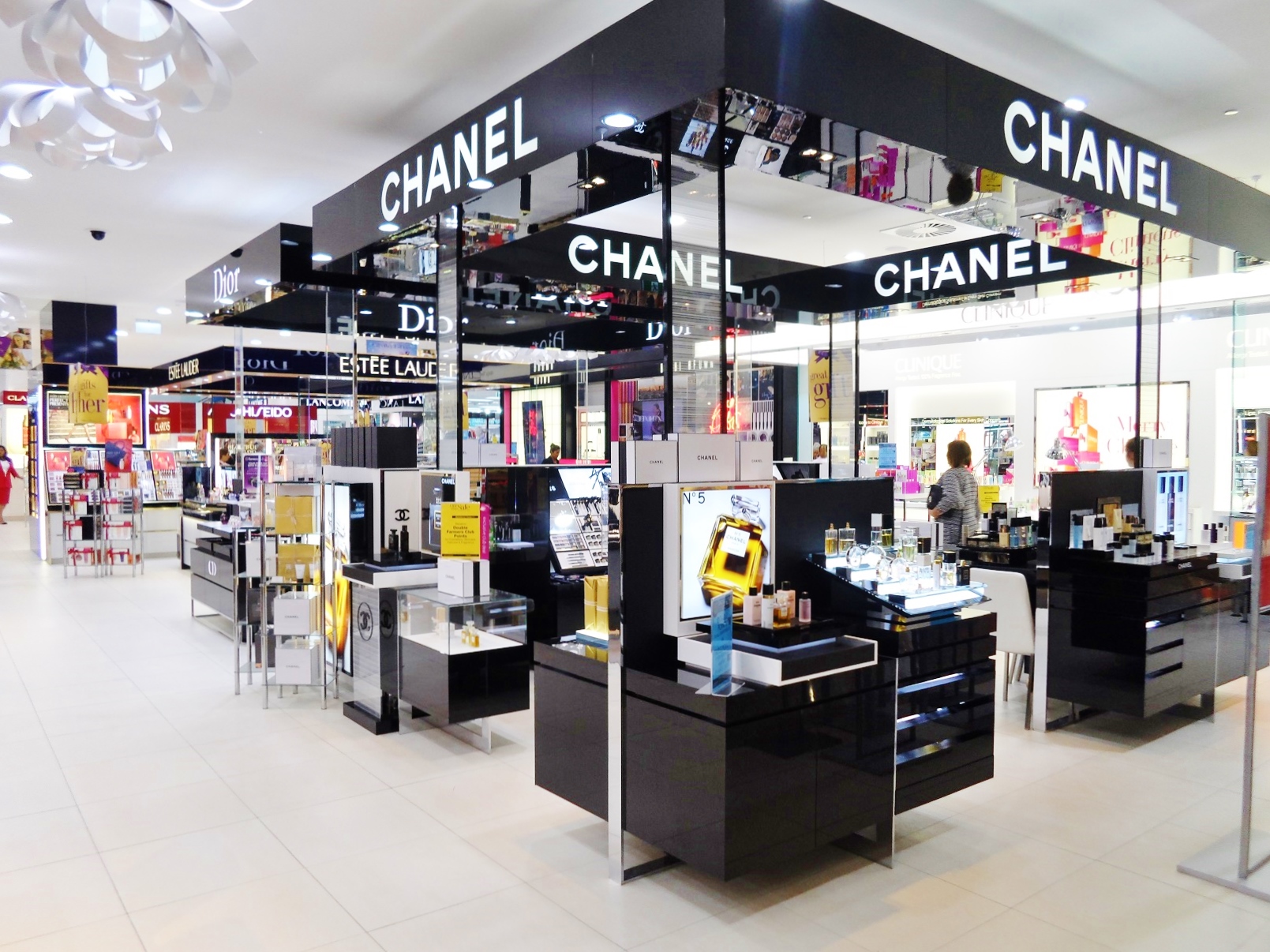
Luxury and specialty packaging is the design, research, development, and manufacturing of packaging, displays, and for luxury brands. The packaging of a luxury product is part of the brand’s image and research shows consumers are willing to spend more on products if the packaging looks appealing and luxurious.
As well as adding to the value of the product, luxury packaging fulfils various other roles; it enhances the image of the brand, increases consumer engagement through personalised packaging, performs a function, creates appeal and diversifies the product.
Globally, the luxury packaging market continues to grow, driven by global trends of personalised packaging, attention to sustainability issues, and economic and demographic drivers. The luxury packaging market is forecast to grow by 4.4% to 2019, reaching $17.6 billion, and consumption will reach 9.9 billion tons with growth of 3.1%.
Package design and development are often thought of as an integral part of the new product development process. Alternatively, the development of a package (or component) can be a separate process but must be linked closely to the product to be packaged.
Package design starts with the identification of all the requirements: structural design, marketing, shelf life, quality assurance, logistics, legal, regulatory, graphic design, end-use, and environmental. The design criteria, performance (specified by package testing), completion time targets, resources, and cost constraints need to be established and agreed upon. Package design processes often employ rapid prototyping, computer-aided design, computer-aided manufacturing and document automation.
High-value products are inviting to theft. Security packaging can be an important consideration to help reduce package pilferage. Authentication technologies can be used to help verify that the expensive luxury product is not among the many counterfeit consumer goods.
Security solutions involve all phases of product production, packaging, distribution, logistics, sale, and use. No single solution is considered "pilfer proof". Often, packaging engineers, logistics engineers, and security professionals have addressed multiple levels of security to reduce the risk of pilfering.
Each situation is unique. Some considerations have included:
Hub AI
Luxury packaging AI simulator
(@Luxury packaging_simulator)
Luxury packaging
Luxury and specialty packaging is the design, research, development, and manufacturing of packaging, displays, and for luxury brands. The packaging of a luxury product is part of the brand’s image and research shows consumers are willing to spend more on products if the packaging looks appealing and luxurious.
As well as adding to the value of the product, luxury packaging fulfils various other roles; it enhances the image of the brand, increases consumer engagement through personalised packaging, performs a function, creates appeal and diversifies the product.
Globally, the luxury packaging market continues to grow, driven by global trends of personalised packaging, attention to sustainability issues, and economic and demographic drivers. The luxury packaging market is forecast to grow by 4.4% to 2019, reaching $17.6 billion, and consumption will reach 9.9 billion tons with growth of 3.1%.
Package design and development are often thought of as an integral part of the new product development process. Alternatively, the development of a package (or component) can be a separate process but must be linked closely to the product to be packaged.
Package design starts with the identification of all the requirements: structural design, marketing, shelf life, quality assurance, logistics, legal, regulatory, graphic design, end-use, and environmental. The design criteria, performance (specified by package testing), completion time targets, resources, and cost constraints need to be established and agreed upon. Package design processes often employ rapid prototyping, computer-aided design, computer-aided manufacturing and document automation.
High-value products are inviting to theft. Security packaging can be an important consideration to help reduce package pilferage. Authentication technologies can be used to help verify that the expensive luxury product is not among the many counterfeit consumer goods.
Security solutions involve all phases of product production, packaging, distribution, logistics, sale, and use. No single solution is considered "pilfer proof". Often, packaging engineers, logistics engineers, and security professionals have addressed multiple levels of security to reduce the risk of pilfering.
Each situation is unique. Some considerations have included: