
Recent from talks
Mahmud II
Knowledge base stats:
Talk channels stats:
Members stats:
Mahmud II
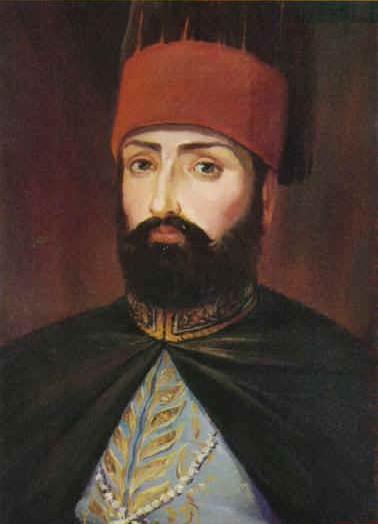
Mahmud II (Ottoman Turkish: محمود ثانى, romanized: Maḥmûd-u s̠ânî, Turkish: II. Mahmud; 20 July 1785 – 1 July 1839) was the sultan of the Ottoman Empire from 1808 until his death in 1839. Often described as the "Peter the Great of Turkey", Mahmud instituted extensive administrative, military, and fiscal reforms. His disbandment of the conservative Janissary Corps removed a major obstacle to his and his successors' reforms in the Empire, creating the foundations of the subsequent Tanzimat era. Mahmud's reign was also marked by further Ottoman military defeats and loss of territory as a result of nationalist uprisings and European intervention.
Mahmud ascended the throne following an 1808 coup that deposed his half-brother Mustafa IV. Early in his reign, the Ottoman Empire ceded Bessarabia to Russia at the end of the 1806–1812 Russo-Turkish War. Greece waged a successful war of independence that started in 1821 with British, French and Russian support, and Mahmud was forced to recognize the independent Greek state in 1832. The Ottomans lost more territory to Russia after the Russo-Turkish War of 1828–1829, and Ottoman Algeria was conquered by France beginning in 1830.
The Empire's continued decline convinced Mahmud to resume the reforms that were halted before he came to power. In 1826, he orchestrated the Auspicious Incident, in which the Kapıkulu were forcibly abolished and many of its members executed, paving the way for the establishment of a modern Ottoman army and further military reforms. With this modern army, Sultan Mahmud initiated a campaign of recentralization in the empire that saw the submission of derebeys and ayans to central authority. He also made sweeping changes to the bureaucracy to reestablish royal authority and increase administrative efficiency. He oversaw a reorganisation of the Ottoman foreign office. In 1838, Mahmud established the Supreme Council of Judicial Ordinances, and the following year, he introduced a Council of Ministers. He died of tuberculosis later that year and was succeeded by his son Abdülmecid I, who would continue to implement his modernization efforts.
Mahmud II was born on 20 July 1785, in the month of Ramazan. He was the son of Abdul Hamid I and his Seventh consort Nakşidil Kadin. He was the youngest son of his father, and the second child of his mother, he had an elder brother, Şehzade Seyfullah Murad, two years older than him, and a younger sister, Saliha Sultan, one year younger than him, both dead in infancy. According to tradition, he was confined in the Kafes after the death of his father.
In 1808, Mahmud II's predecessor and half-brother, Mustafa IV, ordered his execution along with his cousin, the deposed Sultan Selim III, to defuse any rebellion. Selim III was killed, but Mahmud was safely kept hidden by his mother and was placed on the throne after the rebels deposed Mustafa IV. The leader of this rebellion, Alemdar Mustafa Pasha, later became Mahmud II's vizier.
There are many stories surrounding the circumstances of his attempted murder. A version by the 19th-century Ottoman historian Ahmed Cevdet Pasha gives the following account: one of his slaves, a Georgian girl named Cevri, gathered ashes when she heard the commotion in the palace surrounding the murder of Selim III. When the assassins approached the chambers of the Kafes where Mahmud was staying, she was able to keep them away for a while by throwing ashes into their faces, temporarily blinding them. This allowed Mahmud to escape through a window and climb onto the roof of the harem. He ran to the roof of the Third Court, where other pages saw him and helped him come down with pieces of clothes that were quickly tied together as a ladder. By this time, one of the leaders of the rebellion, Alemdar Mustafa Pasha, arrived with his armed men, and upon seeing the dead body of Selim III, proclaimed Mahmud the padishah. The slave girl Cevri Kalfa was awarded for her bravery and loyalty and appointed as haznedar usta, chief treasurer of the Imperial Harem, which was the second most important position in the hierarchy. A plain stone staircase at the Altınyol or "Golden Way" of the Ottoman Imperial Harem is called the Staircase of Cevri Kalfa, since the events happened around there and are associated with her.
Some of the Janissaries who brought Mahmud to power considered other candidates to put on the throne. Other candidates included Esma Sultan, the head of the Mevlevi Order in Konya, or a prince from the Giray dynasty of the former Crimean Khanate.
The vizier took the initiative in resuming reforms that had been terminated by the conservative coup d'état of 1807 that had brought Mustafa IV to power. However, he was killed during a rebellion in 1808, and Mahmud II temporarily abandoned the reforms. Mahmud II's later reformation efforts would be much more successful.
Hub AI
Mahmud II AI simulator
(@Mahmud II_simulator)
Mahmud II
Mahmud II (Ottoman Turkish: محمود ثانى, romanized: Maḥmûd-u s̠ânî, Turkish: II. Mahmud; 20 July 1785 – 1 July 1839) was the sultan of the Ottoman Empire from 1808 until his death in 1839. Often described as the "Peter the Great of Turkey", Mahmud instituted extensive administrative, military, and fiscal reforms. His disbandment of the conservative Janissary Corps removed a major obstacle to his and his successors' reforms in the Empire, creating the foundations of the subsequent Tanzimat era. Mahmud's reign was also marked by further Ottoman military defeats and loss of territory as a result of nationalist uprisings and European intervention.
Mahmud ascended the throne following an 1808 coup that deposed his half-brother Mustafa IV. Early in his reign, the Ottoman Empire ceded Bessarabia to Russia at the end of the 1806–1812 Russo-Turkish War. Greece waged a successful war of independence that started in 1821 with British, French and Russian support, and Mahmud was forced to recognize the independent Greek state in 1832. The Ottomans lost more territory to Russia after the Russo-Turkish War of 1828–1829, and Ottoman Algeria was conquered by France beginning in 1830.
The Empire's continued decline convinced Mahmud to resume the reforms that were halted before he came to power. In 1826, he orchestrated the Auspicious Incident, in which the Kapıkulu were forcibly abolished and many of its members executed, paving the way for the establishment of a modern Ottoman army and further military reforms. With this modern army, Sultan Mahmud initiated a campaign of recentralization in the empire that saw the submission of derebeys and ayans to central authority. He also made sweeping changes to the bureaucracy to reestablish royal authority and increase administrative efficiency. He oversaw a reorganisation of the Ottoman foreign office. In 1838, Mahmud established the Supreme Council of Judicial Ordinances, and the following year, he introduced a Council of Ministers. He died of tuberculosis later that year and was succeeded by his son Abdülmecid I, who would continue to implement his modernization efforts.
Mahmud II was born on 20 July 1785, in the month of Ramazan. He was the son of Abdul Hamid I and his Seventh consort Nakşidil Kadin. He was the youngest son of his father, and the second child of his mother, he had an elder brother, Şehzade Seyfullah Murad, two years older than him, and a younger sister, Saliha Sultan, one year younger than him, both dead in infancy. According to tradition, he was confined in the Kafes after the death of his father.
In 1808, Mahmud II's predecessor and half-brother, Mustafa IV, ordered his execution along with his cousin, the deposed Sultan Selim III, to defuse any rebellion. Selim III was killed, but Mahmud was safely kept hidden by his mother and was placed on the throne after the rebels deposed Mustafa IV. The leader of this rebellion, Alemdar Mustafa Pasha, later became Mahmud II's vizier.
There are many stories surrounding the circumstances of his attempted murder. A version by the 19th-century Ottoman historian Ahmed Cevdet Pasha gives the following account: one of his slaves, a Georgian girl named Cevri, gathered ashes when she heard the commotion in the palace surrounding the murder of Selim III. When the assassins approached the chambers of the Kafes where Mahmud was staying, she was able to keep them away for a while by throwing ashes into their faces, temporarily blinding them. This allowed Mahmud to escape through a window and climb onto the roof of the harem. He ran to the roof of the Third Court, where other pages saw him and helped him come down with pieces of clothes that were quickly tied together as a ladder. By this time, one of the leaders of the rebellion, Alemdar Mustafa Pasha, arrived with his armed men, and upon seeing the dead body of Selim III, proclaimed Mahmud the padishah. The slave girl Cevri Kalfa was awarded for her bravery and loyalty and appointed as haznedar usta, chief treasurer of the Imperial Harem, which was the second most important position in the hierarchy. A plain stone staircase at the Altınyol or "Golden Way" of the Ottoman Imperial Harem is called the Staircase of Cevri Kalfa, since the events happened around there and are associated with her.
Some of the Janissaries who brought Mahmud to power considered other candidates to put on the throne. Other candidates included Esma Sultan, the head of the Mevlevi Order in Konya, or a prince from the Giray dynasty of the former Crimean Khanate.
The vizier took the initiative in resuming reforms that had been terminated by the conservative coup d'état of 1807 that had brought Mustafa IV to power. However, he was killed during a rebellion in 1808, and Mahmud II temporarily abandoned the reforms. Mahmud II's later reformation efforts would be much more successful.
Recent media