
Recent from talks
Marcel Reich-Ranicki
Knowledge base stats:
Talk channels stats:
Members stats:
Marcel Reich-Ranicki
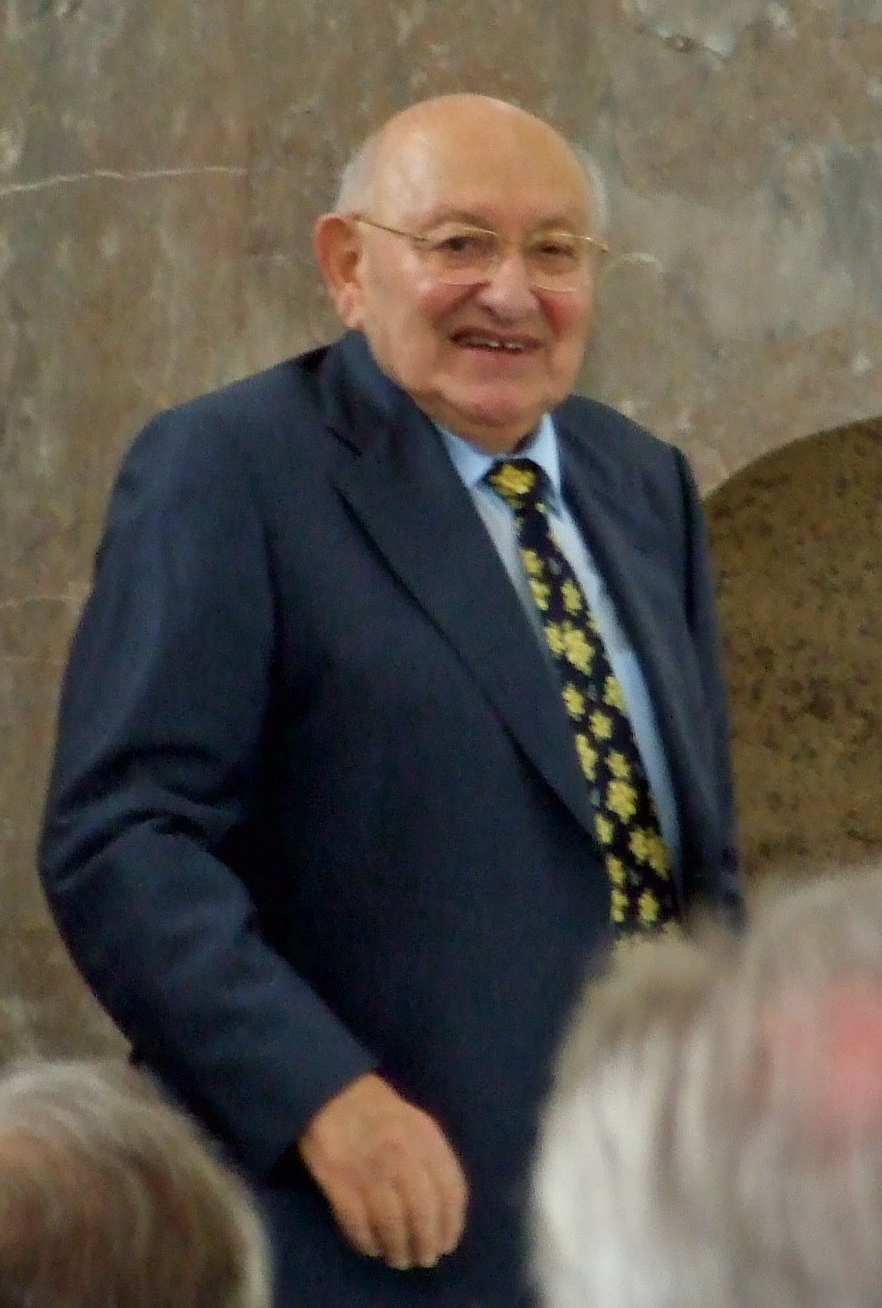
Marcel Reich-Ranicki (German: [maʁˈsɛl ˌʁaɪçʁaˈnɪtskiː]; born Marceli Reich; 2 June 1920 – 18 September 2013) was a Polish-born German literary critic and member of the informal literary association Gruppe 47. He was regarded as one of the most influential contemporary literary critics in the field of German literature and has often been called Literaturpapst ("Pope of Literature") in Germany. His TV appearances (including the literature TV show Das literarische Quartett) made Reich-Ranicki a household name even among non-readers; in 2010, a survey found that 98% of Germans had heard of him.
Marcel Reich was born on 2 June 1920 in Włocławek, Poland, to David Reich, a Polish Jewish merchant, and his wife, Helene (née Auerbach) Reich, who came from a German Jewish family (his cousin was the painter Frank Auerbach). Reich and his family moved to Berlin in 1929. He attended a German school there, but was later sent to Berlin to study.
Reich dedicated himself to the reading of German classics and practicing the theatre. The literary critic Volker Weidermann wrote that "he found his salvation in literature". As a Jew he was unable to enroll at university and was then expelled back to Poland in 1938. After being denied at the University of Berlin, he was arrested and deported to Poland. In his 1999 autobiography, The Author of Himself, Ranicki affirmed, "I had a ticket for [a] première that evening – I wouldn't be needing it."
In November 1940, Reich and his parents found themselves in the Warsaw Ghetto, during which time he worked for the Judenrat as a chief translator, and contributed to the collaborative[clarification needed] newspaper Gazeta Żydowska (The Jewish Newspaper) as a music critic. Reich's translation work made him an eyewitness to meetings between the Jewish and Nazi authorities. Ranicki's sister left for England shortly before the war started, but his parents and brother decided not to leave, and did not survive. His parents died in the Treblinka concentration camp. Ranicki himself married his wife Teofila, and in 1943, they escaped the Ghetto.
In 1944, he joined the Polish People's Army, and became an officer in Urząd Bezpieczeństwa, the Soviet-controlled Polish secret police, known for using torture and human rights violations, where he worked in the censorship department. He joined the communist Polish Workers' Party after the war.
From 1948 to 1949, he was a Polish diplomat and intelligence worker (operating under the pseudonym "Ranicki") in London. The couple's only child, Andrew Ranicki, a topologist and mathematics professor, was born in London in 1948. Reich was recalled from London in 1949, sacked from the intelligence service, and expelled from the Party on charges of "ideological estrangement", for which he was also jailed for a short time. Subsequently, he developed a career as an editor, publisher of East German authors, and freelance writer for newspapers and radio with a focus on German literature.
Frustrated by the curtailment of his liberty in the People's Republic of Poland he emigrated in 1958 with his wife and son to the Federal Republic of Germany (West Germany), living in the city of Hamburg. Here he began writing for leading West German periodicals, including Die Welt and the Frankfurter Allgemeine Zeitung. In Poland, he had published under the pseudonym "Ranicki" (his intelligence codename). On the advice of the arts editor of the Frankfurter Allgemeine, he adopted the name Marcel Reich-Ranicki professionally. From 1963 to 1973, he was literary critic for the West German weekly Die Zeit, published in Hamburg.
In 1973, he moved to Frankfurt, where, from 1973 to 1988, he was head of the literature staff at the daily Frankfurter Allgemeine Zeitung. Reich-Ranicki would go on to write and edit for the Frankfurter Allgemeine Zeitung for the rest of his life. In 1969 he taught at Vermont. From 1971 to 1975, he held visiting professorships at Stockholm and Uppsala.
Hub AI
Marcel Reich-Ranicki AI simulator
(@Marcel Reich-Ranicki_simulator)
Marcel Reich-Ranicki
Marcel Reich-Ranicki (German: [maʁˈsɛl ˌʁaɪçʁaˈnɪtskiː]; born Marceli Reich; 2 June 1920 – 18 September 2013) was a Polish-born German literary critic and member of the informal literary association Gruppe 47. He was regarded as one of the most influential contemporary literary critics in the field of German literature and has often been called Literaturpapst ("Pope of Literature") in Germany. His TV appearances (including the literature TV show Das literarische Quartett) made Reich-Ranicki a household name even among non-readers; in 2010, a survey found that 98% of Germans had heard of him.
Marcel Reich was born on 2 June 1920 in Włocławek, Poland, to David Reich, a Polish Jewish merchant, and his wife, Helene (née Auerbach) Reich, who came from a German Jewish family (his cousin was the painter Frank Auerbach). Reich and his family moved to Berlin in 1929. He attended a German school there, but was later sent to Berlin to study.
Reich dedicated himself to the reading of German classics and practicing the theatre. The literary critic Volker Weidermann wrote that "he found his salvation in literature". As a Jew he was unable to enroll at university and was then expelled back to Poland in 1938. After being denied at the University of Berlin, he was arrested and deported to Poland. In his 1999 autobiography, The Author of Himself, Ranicki affirmed, "I had a ticket for [a] première that evening – I wouldn't be needing it."
In November 1940, Reich and his parents found themselves in the Warsaw Ghetto, during which time he worked for the Judenrat as a chief translator, and contributed to the collaborative[clarification needed] newspaper Gazeta Żydowska (The Jewish Newspaper) as a music critic. Reich's translation work made him an eyewitness to meetings between the Jewish and Nazi authorities. Ranicki's sister left for England shortly before the war started, but his parents and brother decided not to leave, and did not survive. His parents died in the Treblinka concentration camp. Ranicki himself married his wife Teofila, and in 1943, they escaped the Ghetto.
In 1944, he joined the Polish People's Army, and became an officer in Urząd Bezpieczeństwa, the Soviet-controlled Polish secret police, known for using torture and human rights violations, where he worked in the censorship department. He joined the communist Polish Workers' Party after the war.
From 1948 to 1949, he was a Polish diplomat and intelligence worker (operating under the pseudonym "Ranicki") in London. The couple's only child, Andrew Ranicki, a topologist and mathematics professor, was born in London in 1948. Reich was recalled from London in 1949, sacked from the intelligence service, and expelled from the Party on charges of "ideological estrangement", for which he was also jailed for a short time. Subsequently, he developed a career as an editor, publisher of East German authors, and freelance writer for newspapers and radio with a focus on German literature.
Frustrated by the curtailment of his liberty in the People's Republic of Poland he emigrated in 1958 with his wife and son to the Federal Republic of Germany (West Germany), living in the city of Hamburg. Here he began writing for leading West German periodicals, including Die Welt and the Frankfurter Allgemeine Zeitung. In Poland, he had published under the pseudonym "Ranicki" (his intelligence codename). On the advice of the arts editor of the Frankfurter Allgemeine, he adopted the name Marcel Reich-Ranicki professionally. From 1963 to 1973, he was literary critic for the West German weekly Die Zeit, published in Hamburg.
In 1973, he moved to Frankfurt, where, from 1973 to 1988, he was head of the literature staff at the daily Frankfurter Allgemeine Zeitung. Reich-Ranicki would go on to write and edit for the Frankfurter Allgemeine Zeitung for the rest of his life. In 1969 he taught at Vermont. From 1971 to 1975, he held visiting professorships at Stockholm and Uppsala.
Recent media