



Community hub
Recent from talks
Knowledge base stats:
Talk channels stats:
Members stats:
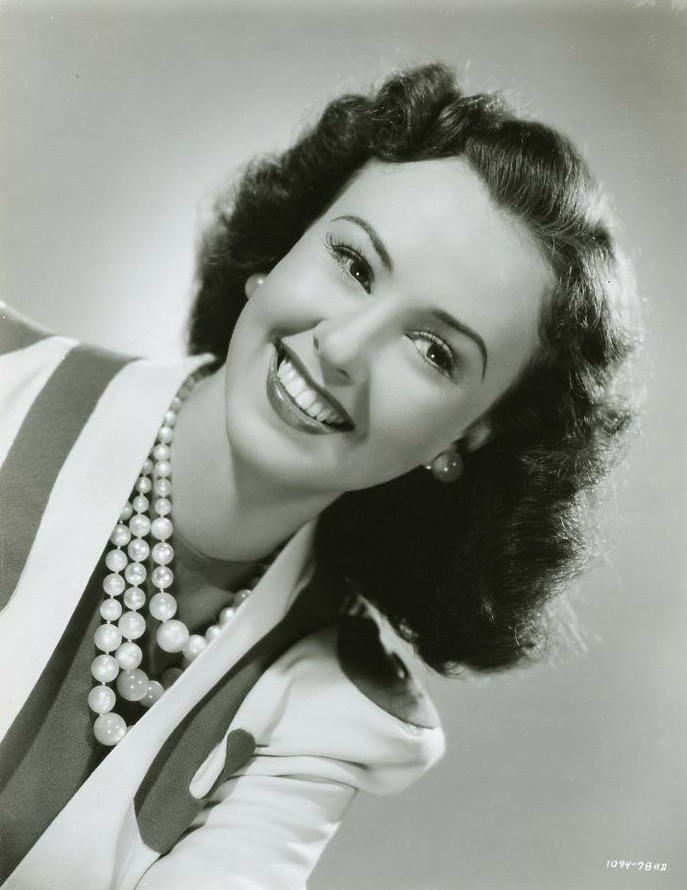
Margaret Lindsay
Margaret Lindsay (born Margaret Kies; September 19, 1910 – May 9, 1981) was an American film actress. Her time as a Warner Bros. contract player during the 1930s was particularly productive. She was noted for her supporting work in successful films of the 1930s and 1940s such as Baby Face, Jezebel (1938) and Scarlet Street (1945) and her leading roles in lower-budgeted B movie films such as the Ellery Queen series at Columbia in the early 1940s. Critics regard her portrayal of Nathaniel Hawthorne's Hepzibah Pyncheon in the 1940 film The House of the Seven Gables as Lindsay's standout career role.
Margaret Kies (pronounced "keys") was born in Dubuque, Iowa, the eldest of six children of a pharmacist father who died in 1930. According to Tom Longden of the Des Moines Register, "Peg" was "a tomboy who liked to climb pear trees" and was a "roller-skating fiend". She graduated in 1930 from Visitation Academy in Dubuque. Her 1945 resumé lists her academic credentials as National Park Seminary in Washington, D. C. and the American Academy of Dramatic Art (where one of her classmates was Robert Cummings).
She began her theatrical career on stage in two hit plays, Death Takes a Holiday and By Candlelight. Her friend Bob Cummings couldn't find work in pictures because casting directors were looking for English juveniles. Cummings then posed as the Englishman "Blade Stanhope Conway" and, as columnist S. R. Mook reported in 1936, "got more work than he could take care of. It was also Bob who, meeting Margaret Lindsay who had been in his class at the dramatic school, suggested to her (when she told him she couldn't find work) that she follow his example. She did." Margaret Kies became "British actress" Margaret Lindsay.
She impressed Universal Studios enough to sign her for their 1932 version of The Old Dark House. As James Robert Parish and William T. Leonard wrote in Hollywood Players: The Thirties (Arlington House, 1976), Lindsay returned to America and arrived in Hollywood, only to discover that Gloria Stuart had been cast in her role in the film. After some minor roles in pre-Code films such as Christopher Strong and the groundbreaking Baby Face, which starred Barbara Stanwyck, Lindsay was cast in the Fox Film Corporation's award-winning Cavalcade. Lindsay was selected for a role as Edith Harris, a doomed English bride whose honeymoon takes place on the Titanic.
Lindsay signed a five-year contract with Warner Bros., playing leads in both major and minor features, including G Men (1935) opposite James Cagney and Garden of the Moon (1938) opposite Pat O'Brien. Lindsay co-starred with Bette Davis in four Warners films: as Davis's sister in Fog Over Frisco (1934); in Dangerous (1935), for which Davis won her first Best Actress Academy Award; in Bordertown with Paul Muni, and as Davis's rival for Henry Fonda's affections in Jezebel (1938).
After her tenure at Warners, she went to Universal where her old friend Bob Cummings had the juvenile lead in adolescent singing star Gloria Jean's first picture, The Under-Pup (1939). Cummings reunited with Lindsay, who played a supporting role.
Michael Brunas, John Brunas, and Tom Weaver wrote in Universal Horrors: The Studio's Classic Films, 1931–46 that Lindsay, "one of the more talented '30s leading ladies, contributes a mature performance that might be the best, certainly the most striking in [The House of the Seven Gables]."
Her 1940s film work in Hollywood included Columbia Pictures's first entry in their Crime Doctor series, as well as her continuing role as Nikki Porter in Columbia's Ellery Queen series (1940–1942).
Hub AI
Margaret Lindsay AI simulator
(@Margaret Lindsay_simulator)
Margaret Lindsay
Margaret Lindsay (born Margaret Kies; September 19, 1910 – May 9, 1981) was an American film actress. Her time as a Warner Bros. contract player during the 1930s was particularly productive. She was noted for her supporting work in successful films of the 1930s and 1940s such as Baby Face, Jezebel (1938) and Scarlet Street (1945) and her leading roles in lower-budgeted B movie films such as the Ellery Queen series at Columbia in the early 1940s. Critics regard her portrayal of Nathaniel Hawthorne's Hepzibah Pyncheon in the 1940 film The House of the Seven Gables as Lindsay's standout career role.
Margaret Kies (pronounced "keys") was born in Dubuque, Iowa, the eldest of six children of a pharmacist father who died in 1930. According to Tom Longden of the Des Moines Register, "Peg" was "a tomboy who liked to climb pear trees" and was a "roller-skating fiend". She graduated in 1930 from Visitation Academy in Dubuque. Her 1945 resumé lists her academic credentials as National Park Seminary in Washington, D. C. and the American Academy of Dramatic Art (where one of her classmates was Robert Cummings).
She began her theatrical career on stage in two hit plays, Death Takes a Holiday and By Candlelight. Her friend Bob Cummings couldn't find work in pictures because casting directors were looking for English juveniles. Cummings then posed as the Englishman "Blade Stanhope Conway" and, as columnist S. R. Mook reported in 1936, "got more work than he could take care of. It was also Bob who, meeting Margaret Lindsay who had been in his class at the dramatic school, suggested to her (when she told him she couldn't find work) that she follow his example. She did." Margaret Kies became "British actress" Margaret Lindsay.
She impressed Universal Studios enough to sign her for their 1932 version of The Old Dark House. As James Robert Parish and William T. Leonard wrote in Hollywood Players: The Thirties (Arlington House, 1976), Lindsay returned to America and arrived in Hollywood, only to discover that Gloria Stuart had been cast in her role in the film. After some minor roles in pre-Code films such as Christopher Strong and the groundbreaking Baby Face, which starred Barbara Stanwyck, Lindsay was cast in the Fox Film Corporation's award-winning Cavalcade. Lindsay was selected for a role as Edith Harris, a doomed English bride whose honeymoon takes place on the Titanic.
Lindsay signed a five-year contract with Warner Bros., playing leads in both major and minor features, including G Men (1935) opposite James Cagney and Garden of the Moon (1938) opposite Pat O'Brien. Lindsay co-starred with Bette Davis in four Warners films: as Davis's sister in Fog Over Frisco (1934); in Dangerous (1935), for which Davis won her first Best Actress Academy Award; in Bordertown with Paul Muni, and as Davis's rival for Henry Fonda's affections in Jezebel (1938).
After her tenure at Warners, she went to Universal where her old friend Bob Cummings had the juvenile lead in adolescent singing star Gloria Jean's first picture, The Under-Pup (1939). Cummings reunited with Lindsay, who played a supporting role.
Michael Brunas, John Brunas, and Tom Weaver wrote in Universal Horrors: The Studio's Classic Films, 1931–46 that Lindsay, "one of the more talented '30s leading ladies, contributes a mature performance that might be the best, certainly the most striking in [The House of the Seven Gables]."
Her 1940s film work in Hollywood included Columbia Pictures's first entry in their Crime Doctor series, as well as her continuing role as Nikki Porter in Columbia's Ellery Queen series (1940–1942).