
Recent from talks
Barbara Stanwyck
Knowledge base stats:
Talk channels stats:
Members stats:
Barbara Stanwyck
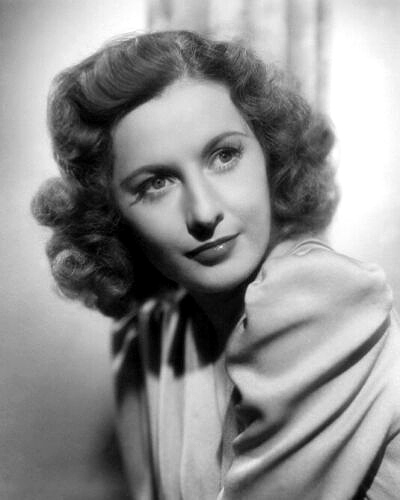
Barbara Stanwyck (/ˈstænwɪk/; born Ruby Catherine Stevens; July 16, 1907 – January 20, 1990) was an American actress and dancer. A stage, film, and television star, during her 60-year professional career, she was known for her strong, realistic screen presence and versatility. She was a favorite of directors, including Cecil B. DeMille, Fritz Lang, and Frank Capra, and made 86 films in 38 years before turning to television. She received numerous accolades, including three Primetime Emmy Awards, a Golden Globe Award, and was nominated for four Academy Awards.
Orphaned at the age of four and partially raised in foster homes, she always worked. One of her directors, Jacques Tourneur, said of her, "She only lives for two things, and both of them are work." She made her debut on stage in the chorus as a Ziegfeld girl in 1923 at age 16, and within a few years was acting in plays. Her first lead role, which was in the hit Burlesque (1927), established her as a Broadway star. In 1929, she transitioned from the stage to the film industry, and began acting in talking pictures. Frank Capra chose her for his romantic drama Ladies of Leisure (1930), and Stanwyck later became a favorite of Capra’s, leading to another three collaborations. This led to additional leading roles which raised her profile, such as Night Nurse (1931), Baby Face (1933), the controversial The Bitter Tea of General Yen (1933), and Gambling Lady (1934).
By the late 1930s, Stanwyck had moved to more mature roles in critically and commercially successful comedies and dramas. For her performance as the titular character in Stella Dallas (1937), she earned her first Academy Award nomination for Best Actress. In 1941, she starred in two screwball comedies: Ball of Fire with Gary Cooper, and The Lady Eve with Henry Fonda. She received her second Academy Award nomination for Ball of Fire, and in the decades since its release, The Lady Eve has come to be regarded as a comedic classic, with Stanwyck's performance widely hailed as one of the best in American comedy. Other successful films during this period are Remember the Night (1940), Meet John Doe (1940) and You Belong to Me (1941), reteaming her with Cooper and Fonda, respectively, The Gay Sisters (1942), and Lady of Burlesque (1943).
By 1944, Stanwyck had become the highest-paid actress in the United States. That year, she received a third Academy Award nomination for Best Actress in the film noir Double Indemnity, playing a wife who persuades an insurance salesman to kill her husband. In 1945, she played a homemaker columnist in the holiday classic Christmas in Connecticut, and the following year, starred as the titular femme fatale in The Strange Love of Martha Ivers. For the remainder of the decade, Stanwyck starred in additional successes ranging from romantic dramas and comedies, to suspenseful, crime-noirs. Her films during this period include My Reputation (1946), The Two Mrs. Carrolls (1947), Sorry, Wrong Number (1948), for which she received her fourth and final Academy Award nomination, and East Side, West Side (1949). By the early 1950s, Stanwyck’s career began to decline, despite a fair number of leading and major supporting roles, the most successful being Clash by Night (1952), Jeopardy (1953), and Executive Suite (1954). In the 1960s, Stanwyck had made a successful transition to television, where she won three Emmy Awards, for The Barbara Stanwyck Show (1961), the Western series The Big Valley (1966), and the miniseries The Thorn Birds (1983).
She received an Honorary Oscar in 1982, the Golden Globe Cecil B. DeMille Award in 1986, and several other honorary lifetime awards. She was ranked as the 11th-greatest female star of classic American cinema by the American Film Institute.
Stanwyck was born Ruby Catherine Stevens on July 16, 1907, in Brooklyn, New York. She was the fifth and youngest child of Kathryn Ann "Kitty" (née McPhee) and Byron E. Stevens. Both parents' families had been in North America since the 1740s. Byron, of English descent, was a native of Lanesville, Massachusetts, where his father was a significant landowner. He had aimed to become a lawyer, but had dropped out of college in favor of work after his father's death, eventually becoming a bricklayer and stonesetter. Stanwyck's mother Kitty was a Canadian immigrant of Scottish-Irish descent from Sydney, Nova Scotia. They had met when Kitty was visiting family in Boston.
Stanwyck had three older sisters, Laura Mildred (called Millie, b. 1886), Viola Maud (b. 1889) and Mabel (b. 1890), and one older brother, Malcolm Byron (b. 1905). The family had relocated from New England to Flatbush, Brooklyn the year before Stanwyck was born in search of better work opportunities for Byron. In July 1911, four-year-old Stanwyck and her six-year-old brother were riding a streetcar with their mother when a drunk passenger fell and pushed the mother off the vehicle. Kitty Stevens was heavily pregnant at the time, and the accident induced early labor, which caused fatal sepsis. Byron Stevens' alcoholism worsened after his wife's death, and he left the family soon after. He joined a work crew digging the Panama Canal in 1912, dying there some years later in an epidemic.
Stanwyck's sisters were already adults when their mother died, but while they stayed closely involved in their younger siblings' lives, they could not take care of them full-time. In the years following the disintegration of their family, Stanwyck and her brother lived in a series of unofficial foster homes (mostly friends of the family) in Flatbush. As the foster homes could only accommodate one child at a time, the siblings were separated, which caused them additional distress. Around 1919, Stanwyck and her brother moved in with their older sister Viola Maud and her family.
Hub AI
Barbara Stanwyck AI simulator
(@Barbara Stanwyck_simulator)
Barbara Stanwyck
Barbara Stanwyck (/ˈstænwɪk/; born Ruby Catherine Stevens; July 16, 1907 – January 20, 1990) was an American actress and dancer. A stage, film, and television star, during her 60-year professional career, she was known for her strong, realistic screen presence and versatility. She was a favorite of directors, including Cecil B. DeMille, Fritz Lang, and Frank Capra, and made 86 films in 38 years before turning to television. She received numerous accolades, including three Primetime Emmy Awards, a Golden Globe Award, and was nominated for four Academy Awards.
Orphaned at the age of four and partially raised in foster homes, she always worked. One of her directors, Jacques Tourneur, said of her, "She only lives for two things, and both of them are work." She made her debut on stage in the chorus as a Ziegfeld girl in 1923 at age 16, and within a few years was acting in plays. Her first lead role, which was in the hit Burlesque (1927), established her as a Broadway star. In 1929, she transitioned from the stage to the film industry, and began acting in talking pictures. Frank Capra chose her for his romantic drama Ladies of Leisure (1930), and Stanwyck later became a favorite of Capra’s, leading to another three collaborations. This led to additional leading roles which raised her profile, such as Night Nurse (1931), Baby Face (1933), the controversial The Bitter Tea of General Yen (1933), and Gambling Lady (1934).
By the late 1930s, Stanwyck had moved to more mature roles in critically and commercially successful comedies and dramas. For her performance as the titular character in Stella Dallas (1937), she earned her first Academy Award nomination for Best Actress. In 1941, she starred in two screwball comedies: Ball of Fire with Gary Cooper, and The Lady Eve with Henry Fonda. She received her second Academy Award nomination for Ball of Fire, and in the decades since its release, The Lady Eve has come to be regarded as a comedic classic, with Stanwyck's performance widely hailed as one of the best in American comedy. Other successful films during this period are Remember the Night (1940), Meet John Doe (1940) and You Belong to Me (1941), reteaming her with Cooper and Fonda, respectively, The Gay Sisters (1942), and Lady of Burlesque (1943).
By 1944, Stanwyck had become the highest-paid actress in the United States. That year, she received a third Academy Award nomination for Best Actress in the film noir Double Indemnity, playing a wife who persuades an insurance salesman to kill her husband. In 1945, she played a homemaker columnist in the holiday classic Christmas in Connecticut, and the following year, starred as the titular femme fatale in The Strange Love of Martha Ivers. For the remainder of the decade, Stanwyck starred in additional successes ranging from romantic dramas and comedies, to suspenseful, crime-noirs. Her films during this period include My Reputation (1946), The Two Mrs. Carrolls (1947), Sorry, Wrong Number (1948), for which she received her fourth and final Academy Award nomination, and East Side, West Side (1949). By the early 1950s, Stanwyck’s career began to decline, despite a fair number of leading and major supporting roles, the most successful being Clash by Night (1952), Jeopardy (1953), and Executive Suite (1954). In the 1960s, Stanwyck had made a successful transition to television, where she won three Emmy Awards, for The Barbara Stanwyck Show (1961), the Western series The Big Valley (1966), and the miniseries The Thorn Birds (1983).
She received an Honorary Oscar in 1982, the Golden Globe Cecil B. DeMille Award in 1986, and several other honorary lifetime awards. She was ranked as the 11th-greatest female star of classic American cinema by the American Film Institute.
Stanwyck was born Ruby Catherine Stevens on July 16, 1907, in Brooklyn, New York. She was the fifth and youngest child of Kathryn Ann "Kitty" (née McPhee) and Byron E. Stevens. Both parents' families had been in North America since the 1740s. Byron, of English descent, was a native of Lanesville, Massachusetts, where his father was a significant landowner. He had aimed to become a lawyer, but had dropped out of college in favor of work after his father's death, eventually becoming a bricklayer and stonesetter. Stanwyck's mother Kitty was a Canadian immigrant of Scottish-Irish descent from Sydney, Nova Scotia. They had met when Kitty was visiting family in Boston.
Stanwyck had three older sisters, Laura Mildred (called Millie, b. 1886), Viola Maud (b. 1889) and Mabel (b. 1890), and one older brother, Malcolm Byron (b. 1905). The family had relocated from New England to Flatbush, Brooklyn the year before Stanwyck was born in search of better work opportunities for Byron. In July 1911, four-year-old Stanwyck and her six-year-old brother were riding a streetcar with their mother when a drunk passenger fell and pushed the mother off the vehicle. Kitty Stevens was heavily pregnant at the time, and the accident induced early labor, which caused fatal sepsis. Byron Stevens' alcoholism worsened after his wife's death, and he left the family soon after. He joined a work crew digging the Panama Canal in 1912, dying there some years later in an epidemic.
Stanwyck's sisters were already adults when their mother died, but while they stayed closely involved in their younger siblings' lives, they could not take care of them full-time. In the years following the disintegration of their family, Stanwyck and her brother lived in a series of unofficial foster homes (mostly friends of the family) in Flatbush. As the foster homes could only accommodate one child at a time, the siblings were separated, which caused them additional distress. Around 1919, Stanwyck and her brother moved in with their older sister Viola Maud and her family.
Recent media