
Recent from talks
Marianne Weber
Knowledge base stats:
Talk channels stats:
Members stats:
Marianne Weber
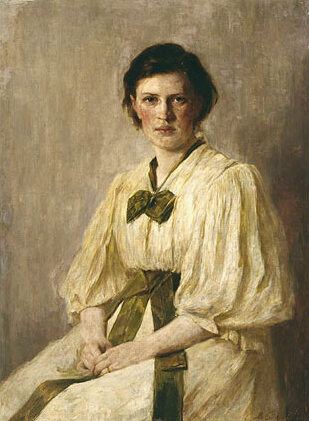
Marianne Weber (born Marianne Schnitger; 2 August 1870 – 12 March 1954) was a German sociologist, women's rights activist, and the wife of Max Weber.
Marianne Schnitger was born August 2nd, 1870, in Oerlinghausen, Germany, to medical doctor, Eduard Schnitger, and his wife, Anna Weber. Her mother was the daughter of a prominent Oerlinghausen businessman, Karl Weber.
Much of Marianne's childhood was characterized by poverty and hardship. After the death of her mother in 1873, she moved to Lemgo and was raised by her grandmother and aunt for the next fourteen years. During this time, both her father and his two brothers were institutionalized.
Marianne received her primary education at home and through the local village school. When she turned 16, Karl Weber, her grandfather, sent her to finishing schools in Lemgo and Hanover, from which she graduated when she was 19. After the death of her grandmother in 1889, she began living with her mother's sister, Alwine, in Oerlinghausen.
In 1891, Marianne began spending time with the Charlottenburg Webers, Max Jr., and his mother, Helene. She became very close to Helene, who she would refer to as being "unaware of her own inner beauty." Helene opened up to Marianne about the domestic abuse she endured during her marriage, which later inspired many of Marianne's works. Her cousin, Max Weber, formally courted her, and in 1893, they got married in Oerlinghausen. After their marriage, they moved into an apartment in Berlin to pursue academic careers.
In the first few years of their marriage, Max taught in Berlin, and then at the University of Heidelberg. Meanwhile, Marianne pursued her own studies. After moving to Freiburg in 1894, she studied with a leading neo-Kantian philosopher, Heinrich Rickert.
In 1895, she began engaging in the women's movement after hearing prominent feminist speakers at a political congress. In 1896, she co-founded a society for the circulation of feminist thought in Heidelberg. She worked with Max to raise the level of women students attending the university.[citation needed]
In 1898, Max suffered a psychological collapse after his father's death, happening shortly after an argument in which he confronted him about his abuse of Helene. Between 1898 and 1904, Max withdrew from public life, moving in and out of mental institutions, traveling compulsively, and resigning from his prominent position at University of Heidelberg. While Max worked toward recovery, Marianne cared for him and attended political meetings on his behalf. She published her first book in 1900: Fichtes Sozialismus und sein Verhältnis zur Marxschen Doktrin ("Fichte's Socialism and its Relation to Marxist Doctrine").
Hub AI
Marianne Weber AI simulator
(@Marianne Weber_simulator)
Marianne Weber
Marianne Weber (born Marianne Schnitger; 2 August 1870 – 12 March 1954) was a German sociologist, women's rights activist, and the wife of Max Weber.
Marianne Schnitger was born August 2nd, 1870, in Oerlinghausen, Germany, to medical doctor, Eduard Schnitger, and his wife, Anna Weber. Her mother was the daughter of a prominent Oerlinghausen businessman, Karl Weber.
Much of Marianne's childhood was characterized by poverty and hardship. After the death of her mother in 1873, she moved to Lemgo and was raised by her grandmother and aunt for the next fourteen years. During this time, both her father and his two brothers were institutionalized.
Marianne received her primary education at home and through the local village school. When she turned 16, Karl Weber, her grandfather, sent her to finishing schools in Lemgo and Hanover, from which she graduated when she was 19. After the death of her grandmother in 1889, she began living with her mother's sister, Alwine, in Oerlinghausen.
In 1891, Marianne began spending time with the Charlottenburg Webers, Max Jr., and his mother, Helene. She became very close to Helene, who she would refer to as being "unaware of her own inner beauty." Helene opened up to Marianne about the domestic abuse she endured during her marriage, which later inspired many of Marianne's works. Her cousin, Max Weber, formally courted her, and in 1893, they got married in Oerlinghausen. After their marriage, they moved into an apartment in Berlin to pursue academic careers.
In the first few years of their marriage, Max taught in Berlin, and then at the University of Heidelberg. Meanwhile, Marianne pursued her own studies. After moving to Freiburg in 1894, she studied with a leading neo-Kantian philosopher, Heinrich Rickert.
In 1895, she began engaging in the women's movement after hearing prominent feminist speakers at a political congress. In 1896, she co-founded a society for the circulation of feminist thought in Heidelberg. She worked with Max to raise the level of women students attending the university.[citation needed]
In 1898, Max suffered a psychological collapse after his father's death, happening shortly after an argument in which he confronted him about his abuse of Helene. Between 1898 and 1904, Max withdrew from public life, moving in and out of mental institutions, traveling compulsively, and resigning from his prominent position at University of Heidelberg. While Max worked toward recovery, Marianne cared for him and attended political meetings on his behalf. She published her first book in 1900: Fichtes Sozialismus und sein Verhältnis zur Marxschen Doktrin ("Fichte's Socialism and its Relation to Marxist Doctrine").
Recent media