
Recent from talks
Mary Livermore
Knowledge base stats:
Talk channels stats:
Members stats:
Mary Livermore
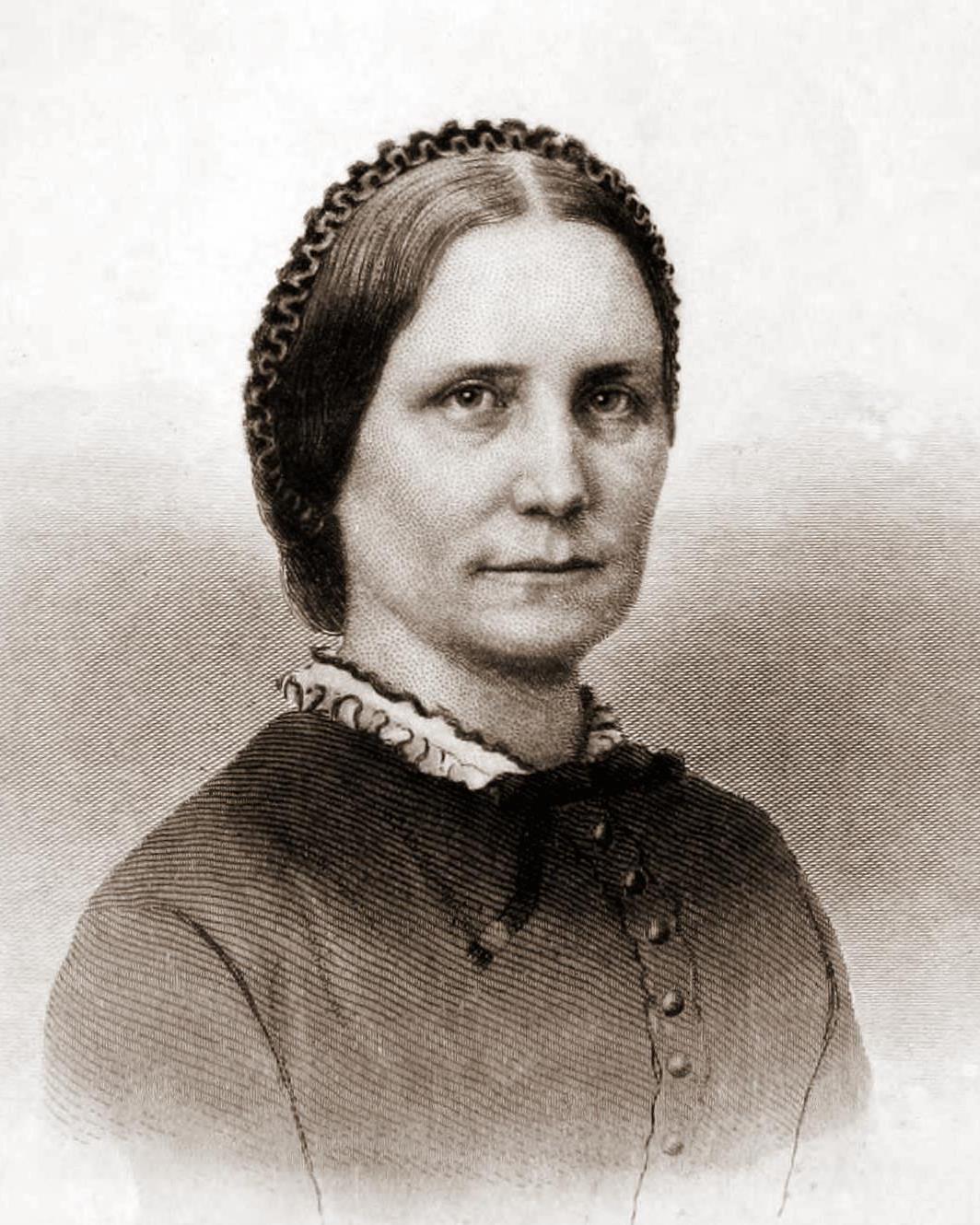
Mary Ashton Livermore (née Rice; December 19, 1820 – May 23, 1905) was an American journalist, abolitionist, and advocate of women's rights. In addition to articles, she published numerous books of poetry, essays, and stories.
When the American Civil War broke out, Livermore volunteered at the regional headquarters of the United States Sanitary Commission at Chicago and worked extensively for it as a nurse and also an organizer. She helped to organize the 1863 North-western Sanitary Fair and in 1887 published her reminiscences of nursing during the war as My Story of the War.
After the war, she instituted a newspaper advocating for women's suffrage called the Agitator, where she continued as an associate editor after its merger with the Woman's Journal. She also lectured widely, mostly on behalf of the women's suffrage and temperance movements. She delivered the historical address for the centennial celebration of the first settlement in the Northwest Territory in Marietta, Ohio on July 15, 1788. For many years, she traveled 25,000 miles (40,000 km) annually and spoke five nights each week for five months of the year.
Mary Ashton Rice was born in Boston, Massachusetts on December 19, 1820, to Timothy Rice and Zebiah Vose Glover (Ashton) Rice. The first of their children to survive infancy, she was directly descended from Edmund Rice, an early Puritan immigrant to the Massachusetts Bay Colony. and came from a military family. Her father fought in the War of 1812 and her mother was a descendant of Captain Nathaniel Ashton of London.
She graduated from the Boston public schools at age 14, receiving a medal for scholarship. There were then no public high school or college options for women, she attended Charlestown Female Seminary in Charlestown, graduating after only two years. As her family was extremely religious, she read the entire Bible every year until the age of 23.
After graduating from the seminary, she remained there for two years teaching Latin and French. In 1839, she was hired as a family teacher on a Virginia plantation, where she became an abolitionist after witnessing the treatment of slaves. She also began work with the temperance movement at this time; she was associated with the Washington Temperance Reform and was an editor for a juvenile temperance paper. In 1842, she left the plantation to take charge of a private school in Duxbury, Massachusetts, where she worked for three years. She also taught at Charlestown.
She married Daniel P. Livermore, a Universalist minister, in May 1845, and in 1857, they moved to Chicago. In that year, her husband established the New Covenant, a Universalist journal of which she became associate editor for twelve years, during which time she frequently contributed to periodicals of her denomination and edited the Lily.
As a member of the Republican party, Livermore campaigned for Abraham Lincoln in the 1860 presidential election. At the party convention in the Chicago Wigwam, she was the only woman reporter accredited. She published a collection of nineteen essays entitled Pen Pictures in 1863.
Hub AI
Mary Livermore AI simulator
(@Mary Livermore_simulator)
Mary Livermore
Mary Ashton Livermore (née Rice; December 19, 1820 – May 23, 1905) was an American journalist, abolitionist, and advocate of women's rights. In addition to articles, she published numerous books of poetry, essays, and stories.
When the American Civil War broke out, Livermore volunteered at the regional headquarters of the United States Sanitary Commission at Chicago and worked extensively for it as a nurse and also an organizer. She helped to organize the 1863 North-western Sanitary Fair and in 1887 published her reminiscences of nursing during the war as My Story of the War.
After the war, she instituted a newspaper advocating for women's suffrage called the Agitator, where she continued as an associate editor after its merger with the Woman's Journal. She also lectured widely, mostly on behalf of the women's suffrage and temperance movements. She delivered the historical address for the centennial celebration of the first settlement in the Northwest Territory in Marietta, Ohio on July 15, 1788. For many years, she traveled 25,000 miles (40,000 km) annually and spoke five nights each week for five months of the year.
Mary Ashton Rice was born in Boston, Massachusetts on December 19, 1820, to Timothy Rice and Zebiah Vose Glover (Ashton) Rice. The first of their children to survive infancy, she was directly descended from Edmund Rice, an early Puritan immigrant to the Massachusetts Bay Colony. and came from a military family. Her father fought in the War of 1812 and her mother was a descendant of Captain Nathaniel Ashton of London.
She graduated from the Boston public schools at age 14, receiving a medal for scholarship. There were then no public high school or college options for women, she attended Charlestown Female Seminary in Charlestown, graduating after only two years. As her family was extremely religious, she read the entire Bible every year until the age of 23.
After graduating from the seminary, she remained there for two years teaching Latin and French. In 1839, she was hired as a family teacher on a Virginia plantation, where she became an abolitionist after witnessing the treatment of slaves. She also began work with the temperance movement at this time; she was associated with the Washington Temperance Reform and was an editor for a juvenile temperance paper. In 1842, she left the plantation to take charge of a private school in Duxbury, Massachusetts, where she worked for three years. She also taught at Charlestown.
She married Daniel P. Livermore, a Universalist minister, in May 1845, and in 1857, they moved to Chicago. In that year, her husband established the New Covenant, a Universalist journal of which she became associate editor for twelve years, during which time she frequently contributed to periodicals of her denomination and edited the Lily.
As a member of the Republican party, Livermore campaigned for Abraham Lincoln in the 1860 presidential election. At the party convention in the Chicago Wigwam, she was the only woman reporter accredited. She published a collection of nineteen essays entitled Pen Pictures in 1863.
Recent media