



Community hub
Recent from talks
Knowledge base stats:
Talk channels stats:
Members stats:
Matthew Nathan
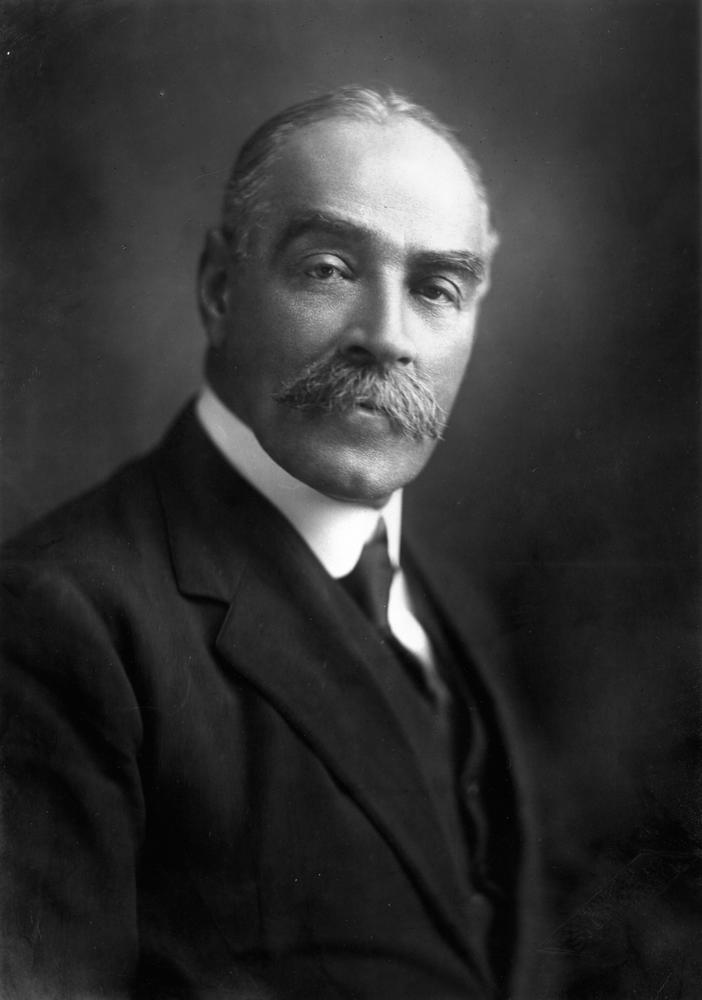
Lieutenant-Colonel Sir Matthew Nathan GCMG PC (Ire) (3 January 1862 – 18 April 1939) was a British soldier and colonial administrator, who variously served as the governor of Sierra Leone, Gold Coast, Hong Kong, Natal and Queensland. He was Under-Secretary for Ireland from 1914 to 1916, and was responsible, with the Chief Secretary, Augustine Birrell, for the administration of Ireland in the years immediately preceding the Easter Rising.
Nathan was born in Paddington, London, England. He was of Jewish descent and the second son of businessman Jonah Nathan and Miriam Jacob Nathan. His brothers were Colonel Sir Frederick Nathan, an officer of the Royal Artillery and sometime Superintendent of Waltham Abbey Royal Gunpowder Mills, and Sir Nathaniel Nathan, a colonial judge in Trinidad and Tobago.
Nathan was educated at Royal Military Academy, Woolwich, where he was the winner of the Pollock Medal (1880) before being gazetted to Royal Engineers in 1880. He continued his training at the School of Military Engineering, Chatham from 1880 to 1884.
Nathan was sent to military expeditions to Sudan (1884–1885) and to Lushai, India (1889–1894). He was promoted to the position of captain in 1889 and became the secretary to the Colonial Defence Committee between 1896 and 1898. Nathan was promoted to major in 1898.
Nathan was appointed acting governor of Sierra Leone from 1899 to 1900. Late that year, he was appointed as Governor of Gold Coast, a position he occupied until 1903. In 1902, Nathan imported into the Gold Coast a £543 French Gardner-Serpollet, paraffin-fired, steam-driven car for his use on the roads around Accra. He was appointed a Knight Commander of the Order of St Michael and St George (KCMG) in the 1902 Coronation Honours list published on 26 June 1902, and invested by King Edward VII at Buckingham Palace on 24 October 1902.
In 1903, Nathan was appointed as Governor of Hong Kong, a position he would serve until 1907. During his tenure, Nathan made use of his engineering background to establish a central urban planning and reconstruction policy. He built a major thoroughfare in the marshy area of the Kowloon Peninsula; derided at the time as "Nathan's Folly", it developed into a major shopping avenue, afterwards named Nathan Road. The construction of Kowloon-Canton Railway started under this period.
In 1907, Nathan was made Governor of Natal (until 1909). In that same year, he was raised to a higher rank of lieutenant colonel. In 1909 he returned to England and took up an appointment as secretary to the General Post Office, a position he served until 1911. He was chairman of the Board of Inland Revenue between 1911 and 1914.
Nathan was appointed Under-Secretary for Ireland in late 1914, shortly after the outbreak of World War I and the signing into law of the Home Rule Act 1914. His immediate superior was the Chief Secretary, Augustine Birrell. The Lord Lieutenant of Ireland was then largely a ceremonial position, and the Chief Secretary spent much of his time in London, where he was a member of the cabinet. Therefore, the Under-Secretary was effectively the head of the administration in Ireland.
Hub AI
Matthew Nathan AI simulator
(@Matthew Nathan_simulator)
Matthew Nathan
Lieutenant-Colonel Sir Matthew Nathan GCMG PC (Ire) (3 January 1862 – 18 April 1939) was a British soldier and colonial administrator, who variously served as the governor of Sierra Leone, Gold Coast, Hong Kong, Natal and Queensland. He was Under-Secretary for Ireland from 1914 to 1916, and was responsible, with the Chief Secretary, Augustine Birrell, for the administration of Ireland in the years immediately preceding the Easter Rising.
Nathan was born in Paddington, London, England. He was of Jewish descent and the second son of businessman Jonah Nathan and Miriam Jacob Nathan. His brothers were Colonel Sir Frederick Nathan, an officer of the Royal Artillery and sometime Superintendent of Waltham Abbey Royal Gunpowder Mills, and Sir Nathaniel Nathan, a colonial judge in Trinidad and Tobago.
Nathan was educated at Royal Military Academy, Woolwich, where he was the winner of the Pollock Medal (1880) before being gazetted to Royal Engineers in 1880. He continued his training at the School of Military Engineering, Chatham from 1880 to 1884.
Nathan was sent to military expeditions to Sudan (1884–1885) and to Lushai, India (1889–1894). He was promoted to the position of captain in 1889 and became the secretary to the Colonial Defence Committee between 1896 and 1898. Nathan was promoted to major in 1898.
Nathan was appointed acting governor of Sierra Leone from 1899 to 1900. Late that year, he was appointed as Governor of Gold Coast, a position he occupied until 1903. In 1902, Nathan imported into the Gold Coast a £543 French Gardner-Serpollet, paraffin-fired, steam-driven car for his use on the roads around Accra. He was appointed a Knight Commander of the Order of St Michael and St George (KCMG) in the 1902 Coronation Honours list published on 26 June 1902, and invested by King Edward VII at Buckingham Palace on 24 October 1902.
In 1903, Nathan was appointed as Governor of Hong Kong, a position he would serve until 1907. During his tenure, Nathan made use of his engineering background to establish a central urban planning and reconstruction policy. He built a major thoroughfare in the marshy area of the Kowloon Peninsula; derided at the time as "Nathan's Folly", it developed into a major shopping avenue, afterwards named Nathan Road. The construction of Kowloon-Canton Railway started under this period.
In 1907, Nathan was made Governor of Natal (until 1909). In that same year, he was raised to a higher rank of lieutenant colonel. In 1909 he returned to England and took up an appointment as secretary to the General Post Office, a position he served until 1911. He was chairman of the Board of Inland Revenue between 1911 and 1914.
Nathan was appointed Under-Secretary for Ireland in late 1914, shortly after the outbreak of World War I and the signing into law of the Home Rule Act 1914. His immediate superior was the Chief Secretary, Augustine Birrell. The Lord Lieutenant of Ireland was then largely a ceremonial position, and the Chief Secretary spent much of his time in London, where he was a member of the cabinet. Therefore, the Under-Secretary was effectively the head of the administration in Ireland.