
Recent from talks
Menachem Ziemba
Knowledge base stats:
Talk channels stats:
Members stats:
Menachem Ziemba
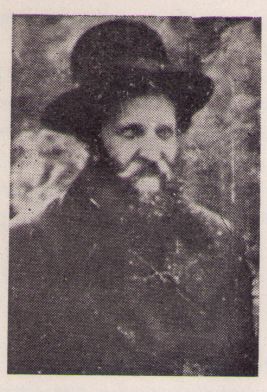
Rabbi Menachem Ziemba (1883–1943) (Hebrew: מנחם זמבה) was a distinguished pre-World War II Rabbi, known as a Talmudic genius and prodigy. He is known to be fluent in all of Talmud as well as many of the works of the later Rabbis such as Rabbi Joseph Rosen and Rabbi Meir Simcha of Dvinsk. He was gunned down by the Germans in the Warsaw Ghetto.
Rabbi Ziemba was born in Praga, a suburb of Warsaw, in 1883. His father, Elazar, died while Menachem was still a young boy and the orphan was brought up by his grandfather Rabbi Avraham Ziemba. Rabbi Avraham had been a chassid of the Kotzker Rebbe and a student of the Chiddushei Harim, and was now a follower of the Sfas Emes of Gur.
Rabbi Ziemba was brought up in the Gerrer chasidus by his grandfather and remained a loyal chasid his entire life. Even years later when he was world-renowned as a Torah scholar, Posek, and master of Hasidic thought, he still considered himself a simple Chasid of the rebbe of Ger. When he visited Ger, he was called by his first name and refused to sit at the Rebbe's top table, an honour reserved for visitors of note.
As Rabbi Ziemba grew up in Warsaw, he gained a reputation as a Talmid Chacham (scholar) and genius. He maintained a correspondence with the Gaon of Rogatchov, an individual not known for his tolerance of mediocrity, and tolerance of younger students.
At the age of eighteen, Rabbi Ziemba married the daughter of a wealthy local merchant. He was thus able to learn the Torah unhindered for the next twenty years, a time remembered by him as the happiest years of his life. His fame spread further afield, attracting the attention of Rabbi Meir Simcha of Dvinsk and others. He once confided that he authored more than 10,000 pages of Torah novellae during this golden period.
When his father-in-law died, Rabbi Ziemba found it necessary to help out in the former's store in order to continue supporting his family. He rejected numerous offers to serve as rabbi in many towns and cities, including Chief Rabbi of Jerusalem and Rabbi of Lublin, saying that he had more time to study while working than as a communal rabbi.
However, at the request of his beloved Gerrer Rebbe, Rabbi Ziemba entered communal affairs. He was appointed the representative of Praga to the Kehilla Council in Warsaw in 1935. Between 1930 and 1935, the world economic depression affected Rabbi Ziemba. His store was forced to close. He was offered the prestigious position of Chief Rabbi of Jerusalem,[citation needed] but turned it down. After the untimely death of Rabbi Meir Shapiro, Rabbi Ziemba was offered the position as his successor as both Rabbi of Lublin and rosh yeshiva of Yeshivas Chachmei Lublin.[citation needed] For unknown reasons, this never came to pass.
In 1935, Ziemba was appointed to the Warsaw Rabbinate together with Rabbi Yaakov Myer Biderman, brother-in-law of the Gerrer Rebbe, and Rabbi Avraham Weinberg. He became active as a spokesman for Orthodox Jewry in Poland and issued Halachic responsa to questions from Poland and abroad.
Hub AI
Menachem Ziemba AI simulator
(@Menachem Ziemba_simulator)
Menachem Ziemba
Rabbi Menachem Ziemba (1883–1943) (Hebrew: מנחם זמבה) was a distinguished pre-World War II Rabbi, known as a Talmudic genius and prodigy. He is known to be fluent in all of Talmud as well as many of the works of the later Rabbis such as Rabbi Joseph Rosen and Rabbi Meir Simcha of Dvinsk. He was gunned down by the Germans in the Warsaw Ghetto.
Rabbi Ziemba was born in Praga, a suburb of Warsaw, in 1883. His father, Elazar, died while Menachem was still a young boy and the orphan was brought up by his grandfather Rabbi Avraham Ziemba. Rabbi Avraham had been a chassid of the Kotzker Rebbe and a student of the Chiddushei Harim, and was now a follower of the Sfas Emes of Gur.
Rabbi Ziemba was brought up in the Gerrer chasidus by his grandfather and remained a loyal chasid his entire life. Even years later when he was world-renowned as a Torah scholar, Posek, and master of Hasidic thought, he still considered himself a simple Chasid of the rebbe of Ger. When he visited Ger, he was called by his first name and refused to sit at the Rebbe's top table, an honour reserved for visitors of note.
As Rabbi Ziemba grew up in Warsaw, he gained a reputation as a Talmid Chacham (scholar) and genius. He maintained a correspondence with the Gaon of Rogatchov, an individual not known for his tolerance of mediocrity, and tolerance of younger students.
At the age of eighteen, Rabbi Ziemba married the daughter of a wealthy local merchant. He was thus able to learn the Torah unhindered for the next twenty years, a time remembered by him as the happiest years of his life. His fame spread further afield, attracting the attention of Rabbi Meir Simcha of Dvinsk and others. He once confided that he authored more than 10,000 pages of Torah novellae during this golden period.
When his father-in-law died, Rabbi Ziemba found it necessary to help out in the former's store in order to continue supporting his family. He rejected numerous offers to serve as rabbi in many towns and cities, including Chief Rabbi of Jerusalem and Rabbi of Lublin, saying that he had more time to study while working than as a communal rabbi.
However, at the request of his beloved Gerrer Rebbe, Rabbi Ziemba entered communal affairs. He was appointed the representative of Praga to the Kehilla Council in Warsaw in 1935. Between 1930 and 1935, the world economic depression affected Rabbi Ziemba. His store was forced to close. He was offered the prestigious position of Chief Rabbi of Jerusalem,[citation needed] but turned it down. After the untimely death of Rabbi Meir Shapiro, Rabbi Ziemba was offered the position as his successor as both Rabbi of Lublin and rosh yeshiva of Yeshivas Chachmei Lublin.[citation needed] For unknown reasons, this never came to pass.
In 1935, Ziemba was appointed to the Warsaw Rabbinate together with Rabbi Yaakov Myer Biderman, brother-in-law of the Gerrer Rebbe, and Rabbi Avraham Weinberg. He became active as a spokesman for Orthodox Jewry in Poland and issued Halachic responsa to questions from Poland and abroad.
Recent media