
Recent from talks
Defense of Azakh
Knowledge base stats:
Talk channels stats:
Members stats:
Defense of Azakh
The Defense of Azakh was one of the few remaining pockets of resistance during the Assyrian genocide that took place in Azakh (Syriac: ܐܙܟ, romanized: Azakh). Ottoman authorities labeled these pockets of resistance the Midyat Rebellion after Midyat, the largest Assyrian town in Tur Abdin. The Azakh defense was coupled with the Defense of Iwardo, which also took place during Sayfo.
The story of the defense remains significant to the memory of the survivors of the massacre and their descendants, as it showed the willingness of the Assyrians to defend themselves and their homeland at a dangerous time. Despite the attempts of Ottoman authorities and Kurdish tribes to inflict more death on the Christians of Azakh, they were unsuccessful and were eventually forced to withdraw their forces.
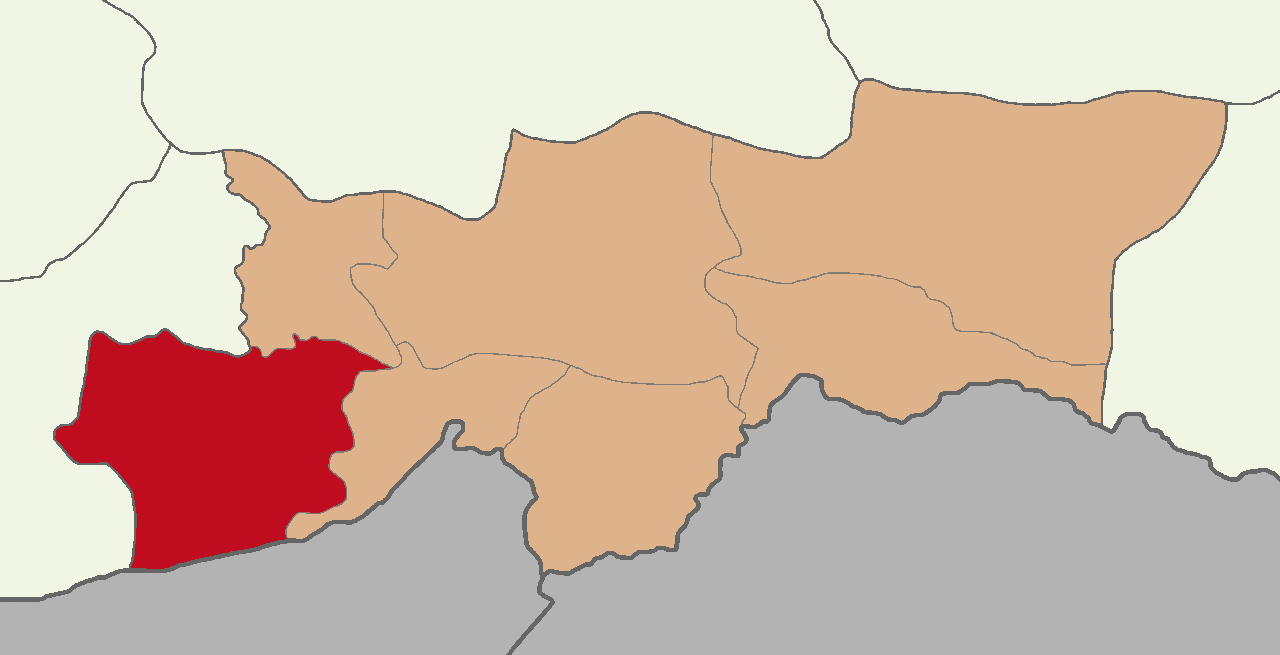
The village of Azakh (modern day İdil) is perched on a hill at 1,000m altitude and is near Cizre as part of the region of Tur Abdin in southeastern Turkey. At the start of the 20th century, the village had a population of 1,000 people, who were mixed with Syriac Orthodox, Syriac Catholic and Protestant Christians.
Azakh was victim to violence and killings from Ottoman and Kurdish soldiers during Sayfo. In April 1915, national assemblyman of the Committee of Union and Progress Aziz Feyzi Pirinççizâde was sent to Cizre to agitate local Kurdish tribes into attacking the non-Muslim population, but this turned out to be slow. Starting in May 1915, many Assyrian families from surrounding villages as well as some Armenians sought protection from massacres, as it became increasingly apparent that an attack was incoming. The conflict began as Kurdish tribes and other local Muslim militias began to raid and destroy small Assyrian villages throughout Tur Abdin throughout the summer of 1915. Most villages were unprepared and fell quickly to the Kurdish raiders into June and July.
The Ottoman Empire was well aware that it was acting against populations who were not Armenian. Through the Ottoman millet system, the members of the Church of the East were called "Nasturi" (i.e. Nestorian), the members of the Syriac Orthodox Church were called "Süryani" and the members of the Chaldean Catholic Church were called "Keldani". Since the campaign wasn't part of the backdrop of the anti-Armenian sentiment of the Ottoman government, it was more likely due to local circumstances that the Assyrians of the area were attacked. As the Assyrians armed themselves and put up a resistance, Talaat Pasha sent the order to permanently drive them from the Hakkari mountains. Minister of War Enver Pasha ordered the suppression of Azakh using "utmost severity".
By July, more than a thousand defenders had gathered in Azakh. A group of 50 volunteers was formed, the "Jesus Fedai", and defense works were built. The leader of the Azakh National Assembly who organized the resistance was mayor Işo Hanna Gabre, while other members included: Tuma Abde Kette, Behnan Isko, Murad Hannoush, Andrawos Hanna Eliya, Yaqub Hanna Gabre and Behnam Aqrawi. The village of Azakh was first surrounded in mid-August.
Azakh was first attacked on August 18 by an assembly of Kurdish tribes, leading into a counterattack by the village Fedayi led by the son of the village leader. On the night of August 26, they managed to capture and destroy strategic positions of the Kurds who withdrew from Azakh on September 9 after suffering heavy casualties. However, this prompted Ottoman authorities to deploy regular troops against the Azakh defense. The case of the conflict of Azakh was then passed from the civil officials and given to the military for them to handle.
General Halil Kut was deceitfully informed that "one thousand armed Armenians had gathered lately and started an assault destroying Muslim villages nearby and massacred their inhabitants" while he was passing through the area with an army division on its way to Bagdad, similarly to a secret Turkish-German expeditionary force tasked with infiltrating Iran, led by Ömer Naci Bey, with the German contingent led by Max Erwin von Scheubner-Richter. This expeditionary force of 650 cavalry and two pieces of field artillery was also diverted to Azakh as they were traveling in the same direction tasked with suppressing the rebels who were falsely accused of "cruelly massacring the Muslim people in the area.” Naci Bey previously made claims that the villagers of Azakh were "Armenian rebels" that had committed terrible massacres against the Muslim population, though he did not name the villages where Muslims were said to have been massacred. French historian Raymond Kévorkian believes these claims were made to implicate German involvement in the massacres and to legitimize military operations against the Assyrians of Azakh. On October 29, 1915, Naci Bey requested reinforcements to assist with the siege, while Talaat Pasha ordered 500 mujahideen under his command to assist Naci.
Hub AI
Defense of Azakh AI simulator
(@Defense of Azakh_simulator)
Defense of Azakh
The Defense of Azakh was one of the few remaining pockets of resistance during the Assyrian genocide that took place in Azakh (Syriac: ܐܙܟ, romanized: Azakh). Ottoman authorities labeled these pockets of resistance the Midyat Rebellion after Midyat, the largest Assyrian town in Tur Abdin. The Azakh defense was coupled with the Defense of Iwardo, which also took place during Sayfo.
The story of the defense remains significant to the memory of the survivors of the massacre and their descendants, as it showed the willingness of the Assyrians to defend themselves and their homeland at a dangerous time. Despite the attempts of Ottoman authorities and Kurdish tribes to inflict more death on the Christians of Azakh, they were unsuccessful and were eventually forced to withdraw their forces.
The village of Azakh (modern day İdil) is perched on a hill at 1,000m altitude and is near Cizre as part of the region of Tur Abdin in southeastern Turkey. At the start of the 20th century, the village had a population of 1,000 people, who were mixed with Syriac Orthodox, Syriac Catholic and Protestant Christians.
Azakh was victim to violence and killings from Ottoman and Kurdish soldiers during Sayfo. In April 1915, national assemblyman of the Committee of Union and Progress Aziz Feyzi Pirinççizâde was sent to Cizre to agitate local Kurdish tribes into attacking the non-Muslim population, but this turned out to be slow. Starting in May 1915, many Assyrian families from surrounding villages as well as some Armenians sought protection from massacres, as it became increasingly apparent that an attack was incoming. The conflict began as Kurdish tribes and other local Muslim militias began to raid and destroy small Assyrian villages throughout Tur Abdin throughout the summer of 1915. Most villages were unprepared and fell quickly to the Kurdish raiders into June and July.
The Ottoman Empire was well aware that it was acting against populations who were not Armenian. Through the Ottoman millet system, the members of the Church of the East were called "Nasturi" (i.e. Nestorian), the members of the Syriac Orthodox Church were called "Süryani" and the members of the Chaldean Catholic Church were called "Keldani". Since the campaign wasn't part of the backdrop of the anti-Armenian sentiment of the Ottoman government, it was more likely due to local circumstances that the Assyrians of the area were attacked. As the Assyrians armed themselves and put up a resistance, Talaat Pasha sent the order to permanently drive them from the Hakkari mountains. Minister of War Enver Pasha ordered the suppression of Azakh using "utmost severity".
By July, more than a thousand defenders had gathered in Azakh. A group of 50 volunteers was formed, the "Jesus Fedai", and defense works were built. The leader of the Azakh National Assembly who organized the resistance was mayor Işo Hanna Gabre, while other members included: Tuma Abde Kette, Behnan Isko, Murad Hannoush, Andrawos Hanna Eliya, Yaqub Hanna Gabre and Behnam Aqrawi. The village of Azakh was first surrounded in mid-August.
Azakh was first attacked on August 18 by an assembly of Kurdish tribes, leading into a counterattack by the village Fedayi led by the son of the village leader. On the night of August 26, they managed to capture and destroy strategic positions of the Kurds who withdrew from Azakh on September 9 after suffering heavy casualties. However, this prompted Ottoman authorities to deploy regular troops against the Azakh defense. The case of the conflict of Azakh was then passed from the civil officials and given to the military for them to handle.
General Halil Kut was deceitfully informed that "one thousand armed Armenians had gathered lately and started an assault destroying Muslim villages nearby and massacred their inhabitants" while he was passing through the area with an army division on its way to Bagdad, similarly to a secret Turkish-German expeditionary force tasked with infiltrating Iran, led by Ömer Naci Bey, with the German contingent led by Max Erwin von Scheubner-Richter. This expeditionary force of 650 cavalry and two pieces of field artillery was also diverted to Azakh as they were traveling in the same direction tasked with suppressing the rebels who were falsely accused of "cruelly massacring the Muslim people in the area.” Naci Bey previously made claims that the villagers of Azakh were "Armenian rebels" that had committed terrible massacres against the Muslim population, though he did not name the villages where Muslims were said to have been massacred. French historian Raymond Kévorkian believes these claims were made to implicate German involvement in the massacres and to legitimize military operations against the Assyrians of Azakh. On October 29, 1915, Naci Bey requested reinforcements to assist with the siege, while Talaat Pasha ordered 500 mujahideen under his command to assist Naci.
Recent media