
Recent from talks
Mirpur, Azad Kashmir
Knowledge base stats:
Talk channels stats:
Members stats:
Mirpur, Azad Kashmir
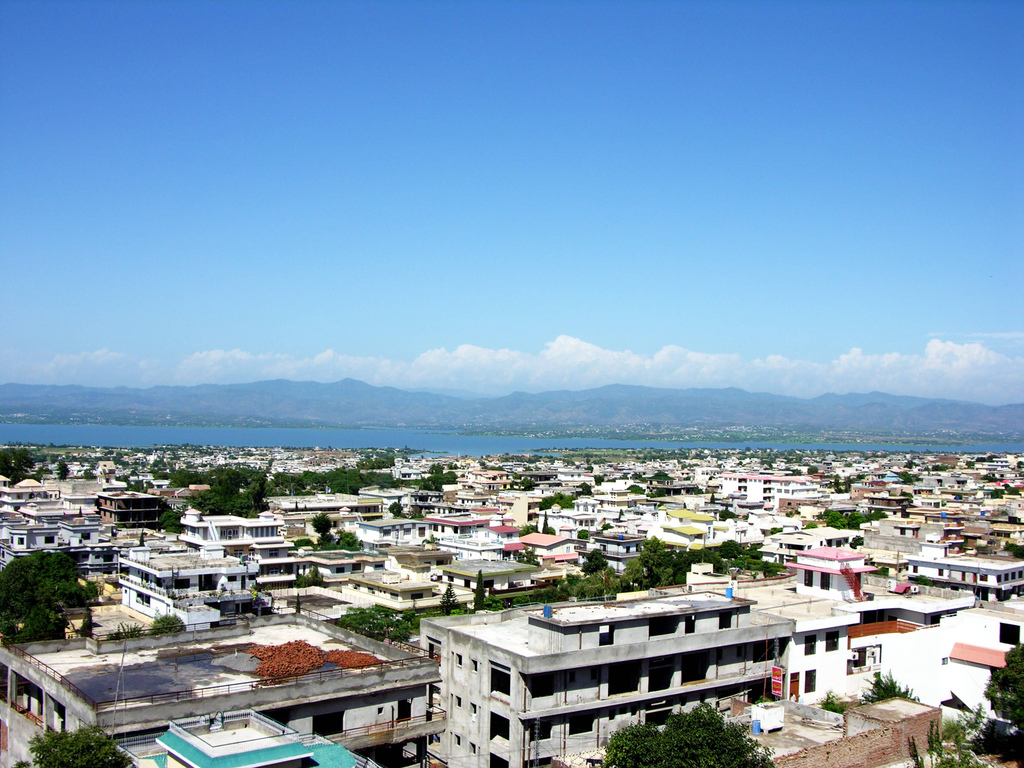
Mirpur (Potwari: ميرپر [mɪɾˈpəɾᵊ]; Urdu: ميرپور [miːɾˈpuːɾ]), officially known as New Mirpur City, is the capital of Mirpur district located in Pakistani-administered Azad Kashmir in the disputed Kashmir region. It is the second largest city of Azad Kashmir and the 74th most populous city in Pakistan.
A significant portion of the population from the district, the Mirpuri diaspora, migrated to the United Kingdom in the mid-to-late 1950s and in the early 1960s. Mirpur is thus sometimes known as "Little England". Many British products are found, and many shops in the city accept the pound sterling.
The city of Mirpur was founded in around 1640 AD or 1050 AH by the local Ghakhar chief Miran Shah Ghazi during Mughal rule. The Imperial Gazetteer of India Provincial Series Kashmir and Jammu (1909) reports that Mirpur "is said to have been founded by Miran Shah Ghazi and Sultan Fateh Khan." An alternative view is that the city was founded by Mira Shah Gazi and Gosain Bodhpuri, both regarded as saints. The word 'Mir' was taken from the name of the former and 'Pur’ from the latter.
The area that is now Mirpur has been historically associated with Pothohar region of Punjab, though the modern demarcation of Pothohar devised by the British excludes Mirpur, by using the Jhelum River as its eastern boundary. By the end of the 18th century, Gakhar power in Pothohar had declined. Mirpur had become part of Chibb, which ruled the state of Khari Khariyali with its capital located at Mangla Fort. With the rise of the Sikh power in the Punjab, Maharaja Ranjit Singh established his position and set his eyes to the north on the Chibh states of Bhimber and Khari Khariyali. In 1810, a force was sent against Raja Sultan Khan of Bhimber and was met with fierce resistance, causing the Sikhs and their Dogra allies to retreat. However, in 1812 another Sikh army under prince Kharak Singh defeated Raja Sultan Khan, and the Bhimber state was annexed as Jagir of Kharak Singh. Around the same time, Ranjit Singh acquired Gujrat and invaded Khari Khariyali, then ruled by Raja Umar Khan. Exhausted by conflict, Raja Umar Khan made peace with Ranjit Singh; but before a settlement could be made, he died. The state and Mirpur ultimately became part of Ranjit Singh's territories.
In 1808, Ranjit Singh annexed Jammu state, which had been a tributary since 1780. In 1820, he awarded Jammu to his commander Gulab Singh, who hailed from Jammu and had been under the service of Ranjit Singh for the past eight years. Between 1831 and 1839 Ranjit Singh bestowed on Gulab Singh the royalty of the salt mines in northern Punjab, and the northern Punjab towns including Bhera, Jhelum, Rohtas and Gujrat. Gulab Singh kept on expanding his kingdom, and in 1840, Baltistan was made subject to Jammu while Gilgit fell to a Sikh force from Kashmir in 1842. The state of Kashmir was annexed by Ranjit Singh in 1819. However, the rebellion in Hazara in the beginning of 1846 compelled the country to be transferred to Raja Gulab Singh of Jammu as well.
Ranjit Singh had given Poonch, Mirpur, and Bhimber as a Jagir to Gulab Singh's younger brother Dhian Singh. However, in 1843 Dhian Singh died, and Gulab Singh considered these areas now part of his territory. He was not able to establish full control due to resistance movements.
As an aftermath of the First Anglo-Sikh War and the Treaty of Lahore, the Treaty of Amritsar was signed between the British East India company and Raja Gulab Singh of Jammu on March 16, 1846. The British Government sold Kashmir to the Raja of Jammu for 75 lakhs Nanak Shahi Rupees. This treaty transferred to him all the hill states between Ravi and Indus. The transfer included Kashmir, Hazara, and the southern hill states, including the former Khari Khariyali, thus sealing the fate of Mirpur with the new state of Jammu and Kashmir.
Since Mirpur lies in between where the Jhelum River meets the densely forested foothills of the Pir Panjal mountains and above the plains of the largely treeless Punjab, it was an ideal spot for the construction of the boats used to carry goods from the Himalayas down the five rivers of the Punjab to the Indus River and on to the seaports in the Indus delta. Traders have been operating from there across the Indian Ocean for more than three thousand years. Most of the crew on the boats trading up and down the Punjab and Indus River system were drawn from Mirpur, as training as a boatbuilder was a necessary prerequisite for becoming a boatman.
Hub AI
Mirpur, Azad Kashmir AI simulator
(@Mirpur, Azad Kashmir_simulator)
Mirpur, Azad Kashmir
Mirpur (Potwari: ميرپر [mɪɾˈpəɾᵊ]; Urdu: ميرپور [miːɾˈpuːɾ]), officially known as New Mirpur City, is the capital of Mirpur district located in Pakistani-administered Azad Kashmir in the disputed Kashmir region. It is the second largest city of Azad Kashmir and the 74th most populous city in Pakistan.
A significant portion of the population from the district, the Mirpuri diaspora, migrated to the United Kingdom in the mid-to-late 1950s and in the early 1960s. Mirpur is thus sometimes known as "Little England". Many British products are found, and many shops in the city accept the pound sterling.
The city of Mirpur was founded in around 1640 AD or 1050 AH by the local Ghakhar chief Miran Shah Ghazi during Mughal rule. The Imperial Gazetteer of India Provincial Series Kashmir and Jammu (1909) reports that Mirpur "is said to have been founded by Miran Shah Ghazi and Sultan Fateh Khan." An alternative view is that the city was founded by Mira Shah Gazi and Gosain Bodhpuri, both regarded as saints. The word 'Mir' was taken from the name of the former and 'Pur’ from the latter.
The area that is now Mirpur has been historically associated with Pothohar region of Punjab, though the modern demarcation of Pothohar devised by the British excludes Mirpur, by using the Jhelum River as its eastern boundary. By the end of the 18th century, Gakhar power in Pothohar had declined. Mirpur had become part of Chibb, which ruled the state of Khari Khariyali with its capital located at Mangla Fort. With the rise of the Sikh power in the Punjab, Maharaja Ranjit Singh established his position and set his eyes to the north on the Chibh states of Bhimber and Khari Khariyali. In 1810, a force was sent against Raja Sultan Khan of Bhimber and was met with fierce resistance, causing the Sikhs and their Dogra allies to retreat. However, in 1812 another Sikh army under prince Kharak Singh defeated Raja Sultan Khan, and the Bhimber state was annexed as Jagir of Kharak Singh. Around the same time, Ranjit Singh acquired Gujrat and invaded Khari Khariyali, then ruled by Raja Umar Khan. Exhausted by conflict, Raja Umar Khan made peace with Ranjit Singh; but before a settlement could be made, he died. The state and Mirpur ultimately became part of Ranjit Singh's territories.
In 1808, Ranjit Singh annexed Jammu state, which had been a tributary since 1780. In 1820, he awarded Jammu to his commander Gulab Singh, who hailed from Jammu and had been under the service of Ranjit Singh for the past eight years. Between 1831 and 1839 Ranjit Singh bestowed on Gulab Singh the royalty of the salt mines in northern Punjab, and the northern Punjab towns including Bhera, Jhelum, Rohtas and Gujrat. Gulab Singh kept on expanding his kingdom, and in 1840, Baltistan was made subject to Jammu while Gilgit fell to a Sikh force from Kashmir in 1842. The state of Kashmir was annexed by Ranjit Singh in 1819. However, the rebellion in Hazara in the beginning of 1846 compelled the country to be transferred to Raja Gulab Singh of Jammu as well.
Ranjit Singh had given Poonch, Mirpur, and Bhimber as a Jagir to Gulab Singh's younger brother Dhian Singh. However, in 1843 Dhian Singh died, and Gulab Singh considered these areas now part of his territory. He was not able to establish full control due to resistance movements.
As an aftermath of the First Anglo-Sikh War and the Treaty of Lahore, the Treaty of Amritsar was signed between the British East India company and Raja Gulab Singh of Jammu on March 16, 1846. The British Government sold Kashmir to the Raja of Jammu for 75 lakhs Nanak Shahi Rupees. This treaty transferred to him all the hill states between Ravi and Indus. The transfer included Kashmir, Hazara, and the southern hill states, including the former Khari Khariyali, thus sealing the fate of Mirpur with the new state of Jammu and Kashmir.
Since Mirpur lies in between where the Jhelum River meets the densely forested foothills of the Pir Panjal mountains and above the plains of the largely treeless Punjab, it was an ideal spot for the construction of the boats used to carry goods from the Himalayas down the five rivers of the Punjab to the Indus River and on to the seaports in the Indus delta. Traders have been operating from there across the Indian Ocean for more than three thousand years. Most of the crew on the boats trading up and down the Punjab and Indus River system were drawn from Mirpur, as training as a boatbuilder was a necessary prerequisite for becoming a boatman.
Recent media