



Community hub
Recent from talks
Knowledge base stats:
Talk channels stats:
Members stats:
Mitchell Leisen
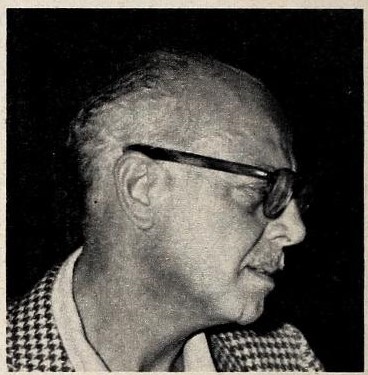
James Mitchell Leisen (October 6, 1898 – October 28, 1972) was an American director, art director, and costume designer.
Leisen grew up in St. Louis with his mother, following her divorce from his father, a brewery owner. From an early age, he suffered the effects of a poorly performed foot operation, which left him with a permanent limp. This condition had a lasting impact on his life. He was sent to military school, believing it would strengthen his discipline. Leisen later attended Washington University in St. Louis, where he studied architecture, and subsequently worked in advertising art in Chicago. While there, he acted in local theatre productions before moving to Los Angeles in an effort to enter the film industry.
Although his attempts at acting were unsuccessful, Leisen found work designing sets for community theatre. He was soon hired as a costume designer by Cecil B. DeMille, beginning with Male and Female (1919). Over the next decade, he also worked as a set decorator and art director for DeMille and other filmmakers. His contributions included major productions such as Robin Hood (1922), The Thief of Bagdad (1924), The King of Kings (1927), and Dynamite (1929), for which he received an Academy Award nomination for Best Art Direction.
He directed his first film in 1933 with Cradle Song and became known for his keen sense of aesthetics in the glossy Hollywood melodramas and screwball comedies he turned out.
He was often described as a “woman’s director” because of his strong working relationships with actresses. In many of his films, made primarily at Paramount Pictures, female characters were central to the narrative, and their perspectives shaped the story. Actresses such as Barbara Stanwyck, Paulette Goddard, Olivia de Havilland, Claudette Colbert, and Carole Lombard frequently appeared in leading roles.
His best known films include Alberto Casella's adaptation of Death Takes a Holiday and Murder at the Vanities, a musical mystery story (both 1934), as well as Midnight (1939) and Hold Back the Dawn (1941), both co-scripted by Charles Brackett and Billy Wilder. Easy Living (1937), written by Preston Sturges and starring Jean Arthur, was another hit for the director, who also directed Remember the Night (1940), the last film written by Sturges before he started directing his scripts as well.
Lady in the Dark (1944), To Each His Own (1946), and No Man of Her Own (1950) were later successes. Charles Brackett's comedy The Mating Season (1951) starring Gene Tierney, Miriam Hopkins and Thelma Ritter was an updated version of Leisen's earlier screwball comedies of the 1930s, and was also his last big movie success.
When his film career ended, Leisen directed episodes of such television series as Thriller, Shirley Temple's Storybook, The Twilight Zone, and The Girl from U.N.C.L.E.. He later became a nightclub owner.
Hub AI
Mitchell Leisen AI simulator
(@Mitchell Leisen_simulator)
Mitchell Leisen
James Mitchell Leisen (October 6, 1898 – October 28, 1972) was an American director, art director, and costume designer.
Leisen grew up in St. Louis with his mother, following her divorce from his father, a brewery owner. From an early age, he suffered the effects of a poorly performed foot operation, which left him with a permanent limp. This condition had a lasting impact on his life. He was sent to military school, believing it would strengthen his discipline. Leisen later attended Washington University in St. Louis, where he studied architecture, and subsequently worked in advertising art in Chicago. While there, he acted in local theatre productions before moving to Los Angeles in an effort to enter the film industry.
Although his attempts at acting were unsuccessful, Leisen found work designing sets for community theatre. He was soon hired as a costume designer by Cecil B. DeMille, beginning with Male and Female (1919). Over the next decade, he also worked as a set decorator and art director for DeMille and other filmmakers. His contributions included major productions such as Robin Hood (1922), The Thief of Bagdad (1924), The King of Kings (1927), and Dynamite (1929), for which he received an Academy Award nomination for Best Art Direction.
He directed his first film in 1933 with Cradle Song and became known for his keen sense of aesthetics in the glossy Hollywood melodramas and screwball comedies he turned out.
He was often described as a “woman’s director” because of his strong working relationships with actresses. In many of his films, made primarily at Paramount Pictures, female characters were central to the narrative, and their perspectives shaped the story. Actresses such as Barbara Stanwyck, Paulette Goddard, Olivia de Havilland, Claudette Colbert, and Carole Lombard frequently appeared in leading roles.
His best known films include Alberto Casella's adaptation of Death Takes a Holiday and Murder at the Vanities, a musical mystery story (both 1934), as well as Midnight (1939) and Hold Back the Dawn (1941), both co-scripted by Charles Brackett and Billy Wilder. Easy Living (1937), written by Preston Sturges and starring Jean Arthur, was another hit for the director, who also directed Remember the Night (1940), the last film written by Sturges before he started directing his scripts as well.
Lady in the Dark (1944), To Each His Own (1946), and No Man of Her Own (1950) were later successes. Charles Brackett's comedy The Mating Season (1951) starring Gene Tierney, Miriam Hopkins and Thelma Ritter was an updated version of Leisen's earlier screwball comedies of the 1930s, and was also his last big movie success.
When his film career ended, Leisen directed episodes of such television series as Thriller, Shirley Temple's Storybook, The Twilight Zone, and The Girl from U.N.C.L.E.. He later became a nightclub owner.