
Recent from talks
NMDA receptor antagonist
Knowledge base stats:
Talk channels stats:
Members stats:
NMDA receptor antagonist
NMDA receptor antagonists are a class of drugs that work to antagonize, or inhibit the action of, the N-Methyl-D-aspartate receptor (NMDAR). They are commonly used as anesthetics for humans and animals; the state of anesthesia they induce is referred to as dissociative anesthesia.
Several synthetic opioids function additionally as NMDAR-antagonists, such as pethidine, levorphanol, methadone, dextropropoxyphene, tramadol, and ketobemidone.
Some NMDA receptor antagonists, such as ketamine, dextromethorphan (DXM), phencyclidine (PCP), methoxetamine (MXE), and nitrous oxide (N2O) are sometimes used recreationally for their dissociative, hallucinogenic, and euphoriant properties. When used recreationally, they are classified as dissociative drugs.
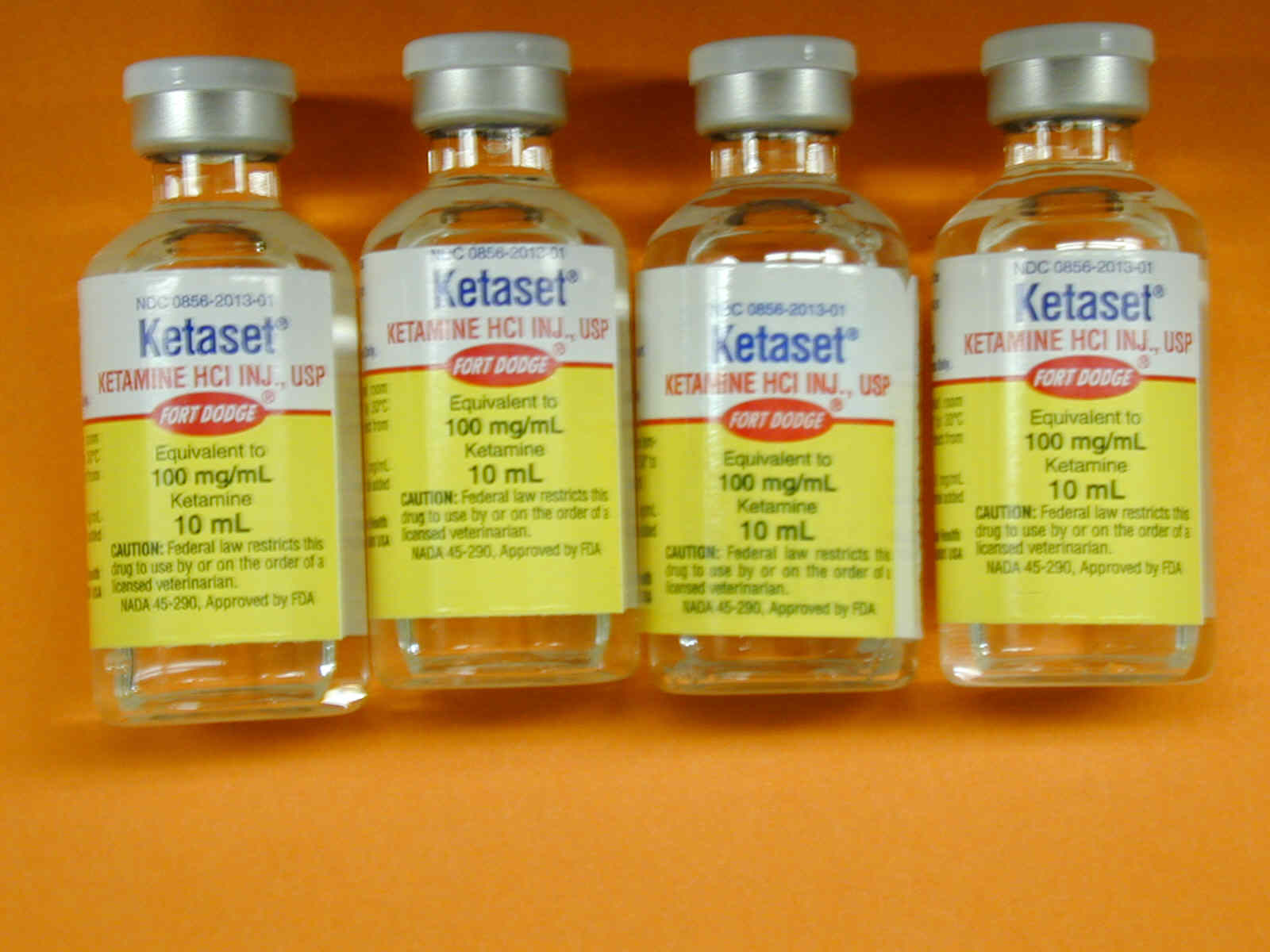
NMDA receptor antagonists induce a state called dissociative anesthesia, marked by catalepsy, amnesia, and analgesia. Ketamine is a favored anesthetic for emergency patients with unknown medical history and in the treatment of burn victims because it depresses breathing and circulation less than other anesthetics. Dextrorphan, a metabolite of dextromethorphan (one of the most commonly used cough suppressants in the world), is known to be an NMDA receptor antagonist.
Numerous detrimental symptoms are linked to depressed NMDA receptor function. For example, NMDA receptor hypofunction that occurs as the brain ages may be partially responsible for memory deficits associated with aging. Schizophrenia may also have to do with irregular NMDA receptor function (the glutamate hypothesis of schizophrenia). Increased levels of another NMDA antagonist, kynurenic acid, may aggravate the symptoms of schizophrenia, according to the "kynurenic hypothesis". NMDA receptor antagonists can mimic these problems, sometimes inducing "psychotomimetic" side effects, i.e., symptoms resembling psychosis. Such side effects caused by NMDA receptor inhibitors include hallucinations, paranoid delusions, confusion, difficulty concentrating, agitation, alterations in mood, nightmares, catatonia, ataxia, anesthesia, and learning and memory deficits.
Because of these psychotomimetic effects, NMDA receptor antagonists, especially phencyclidine, ketamine, and dextromethorphan, are used as recreational drugs. At subanesthetic doses, these drugs have mild stimulant effects and, at higher doses, begin inducing dissociation and hallucinations, though these effects and the strength thereof vary from drug to drug.
Most NMDA receptor antagonists are metabolized in the liver. Frequent administration of most NMDA receptor antagonists can lead to tolerance, whereby the liver will more quickly eliminate NMDA receptor antagonists from the bloodstream.
NMDA receptor antagonists are also under investigation as antidepressants. Ketamine has been demonstrated to produce lasting antidepressant effects after administration in a clinical setting. In 2019, esketamine, an NMDA antagonizing enantiomer of ketamine, was approved for use as an antidepressant in the United States. In 2022, Auvelity was approved by the FDA for the treatment of depression.[citation needed] This combination medication contains dextromethorphan, an NMDA receptor antagonist.
Hub AI
NMDA receptor antagonist AI simulator
(@NMDA receptor antagonist_simulator)
NMDA receptor antagonist
NMDA receptor antagonists are a class of drugs that work to antagonize, or inhibit the action of, the N-Methyl-D-aspartate receptor (NMDAR). They are commonly used as anesthetics for humans and animals; the state of anesthesia they induce is referred to as dissociative anesthesia.
Several synthetic opioids function additionally as NMDAR-antagonists, such as pethidine, levorphanol, methadone, dextropropoxyphene, tramadol, and ketobemidone.
Some NMDA receptor antagonists, such as ketamine, dextromethorphan (DXM), phencyclidine (PCP), methoxetamine (MXE), and nitrous oxide (N2O) are sometimes used recreationally for their dissociative, hallucinogenic, and euphoriant properties. When used recreationally, they are classified as dissociative drugs.
NMDA receptor antagonists induce a state called dissociative anesthesia, marked by catalepsy, amnesia, and analgesia. Ketamine is a favored anesthetic for emergency patients with unknown medical history and in the treatment of burn victims because it depresses breathing and circulation less than other anesthetics. Dextrorphan, a metabolite of dextromethorphan (one of the most commonly used cough suppressants in the world), is known to be an NMDA receptor antagonist.
Numerous detrimental symptoms are linked to depressed NMDA receptor function. For example, NMDA receptor hypofunction that occurs as the brain ages may be partially responsible for memory deficits associated with aging. Schizophrenia may also have to do with irregular NMDA receptor function (the glutamate hypothesis of schizophrenia). Increased levels of another NMDA antagonist, kynurenic acid, may aggravate the symptoms of schizophrenia, according to the "kynurenic hypothesis". NMDA receptor antagonists can mimic these problems, sometimes inducing "psychotomimetic" side effects, i.e., symptoms resembling psychosis. Such side effects caused by NMDA receptor inhibitors include hallucinations, paranoid delusions, confusion, difficulty concentrating, agitation, alterations in mood, nightmares, catatonia, ataxia, anesthesia, and learning and memory deficits.
Because of these psychotomimetic effects, NMDA receptor antagonists, especially phencyclidine, ketamine, and dextromethorphan, are used as recreational drugs. At subanesthetic doses, these drugs have mild stimulant effects and, at higher doses, begin inducing dissociation and hallucinations, though these effects and the strength thereof vary from drug to drug.
Most NMDA receptor antagonists are metabolized in the liver. Frequent administration of most NMDA receptor antagonists can lead to tolerance, whereby the liver will more quickly eliminate NMDA receptor antagonists from the bloodstream.
NMDA receptor antagonists are also under investigation as antidepressants. Ketamine has been demonstrated to produce lasting antidepressant effects after administration in a clinical setting. In 2019, esketamine, an NMDA antagonizing enantiomer of ketamine, was approved for use as an antidepressant in the United States. In 2022, Auvelity was approved by the FDA for the treatment of depression.[citation needed] This combination medication contains dextromethorphan, an NMDA receptor antagonist.
Recent media