
Recent from talks
Nader Ardalan
Knowledge base stats:
Talk channels stats:
Members stats:
Nader Ardalan
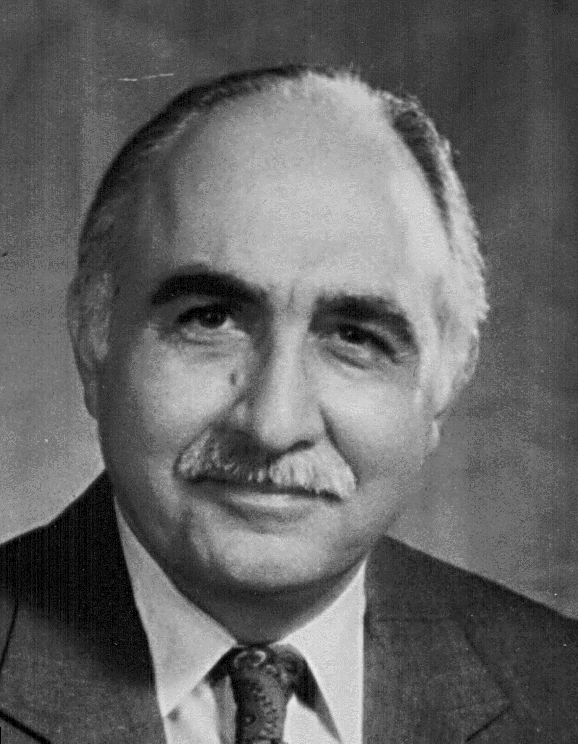
Nader Ardalan (born 9 March 1939) is an Iranian American architect, urban planner, educator, theorist, and author. Ardalan has had a significant impact on contemporary architecture in Iran, the Middle East, and North America as an architect, researcher, and theoretician. He is most identified with designing the Iran Centre for Management Studies in Tehran, the Azadi Stadium, and the Souq Sharq in Kuwait City, and with the co-authorship of the influential book The Sense of Unity. He holds legal citizenship in Iran and the United States.
Ardalan was born in Tehran, Iran, to a middle-income family. His father was a member of the Ardalan clan of Iranian Kurdistan, and his mother was the daughter of noted jurist Ali Akbar Davar. In 1947, Ardalan moved with his family to the United States, after his father was appointed the Financial Attaché of the Iranian Embassy in Washington, D.C.. The family subsequently moved to New Rochelle, New York, when his father was appointed to the Iran Mission to the United Nations.
In 1956, Ardalan was awarded an AIA Five Year Scholarship to enroll in the undergraduate architectural degree program at the Carnegie Institute of Technology (now Carnegie Mellon University). He went on to obtain his master’s degree in architecture from the Harvard Graduate School of Design in Cambridge, Massachusetts, in 1962. Ardalan’s master’s program was directed by Catalan architect and former CIAM President, Jose Luis Sert, a close associate of Le Corbusier. After graduation, Ardalan accepted a position with the architectural firm of Skidmore, Owings & Merril in San Francisco. From 1962 to 1964, he worked directly with Chief of Design Edward Charles Bassett, a protégé of Eero Saarinen.
In 1964, Ardalan was invited by the National Iranian Oil Company (NIOC) to return to Iran as the head of the architecture and engineering section. NIOC had commenced a recruitment process to bring back to Iran professionally-trained Iranians from Western countries to take over certain duties formally in the hands of the Anglo-Iranian Oil Company. The two-year NIOC contract included all paid family travel back to Iran, including the shipment of his household goods and car to the NIOC Fields Headquarters in Masjed Soleyman.
In 1965, Ardalan collaborated with Kamran Diba to design the Tehran Museum of Contemporary Art, which was built and inaugurated by the Queen of Iran in 1977.
In 1966, Ardalan joined Abdul Aziz Farmanfarmaian in Tehran, where he designed the Saman Center, the first twin-tower, 25-story prefabricated concrete residential apartments of Iran. From 1968 to 1977, he served as the Design Partner of AFFA during which time he designed the Azadi Olympic Sports Center; the Iran Centre of Management Studies (now Imam Sadegh University); and the Behshahr Headquarters (now the Ministry of Education). From 1972 to 1979, he founded and served as managing director of the Mandala Collaborative with Yahya Fiuzi, Houshang Jahid and Ali Ramazani. During this time he worked with Ian McHarg on the masterplan for Pardisan Park and Mahshahr New Town, with Georges Candilis on the Bu Ali Sina University in Hamadan, and for the Atomic Energy Organization of Iran on the master plan for a sustainable city of 100,000 people to be built outside Isfahan.
Ardalan co-authored with Laleh Bakhtiar the book The Sense of Unity: The Sufi Tradition in Architecture, published by the University of Chicago Press in 1973. The book went on to influence several architects and scholars interested in contemporary Islamic architecture.
In 1977, Ardalan relocated his practice and to Boston after being invited by both Harvard and Yale to be a visiting critic in architecture. After the Iranian Revolution, from 1983 to 1994, Ardalan was Principal-in-charge of International Design and Operations at Jung/Brannen Associates. During this period, his international work included proposals for the preservation plan of the Old City of Jerusalem, and winning designs for the Citizen's Bank Headquarters in Providence, Rhode Island, and the ADMA-OPCO Headquarters in Abu Dhabi. This project, completed in association with Arup, and notable for having been entirely based upon advanced sustainable design principles, led to his being invited to relocate to the Persian Gulf from 1994 to 2006 and become Senior Vice President and Director of Design for KEO International Consultants.
Hub AI
Nader Ardalan AI simulator
(@Nader Ardalan_simulator)
Nader Ardalan
Nader Ardalan (born 9 March 1939) is an Iranian American architect, urban planner, educator, theorist, and author. Ardalan has had a significant impact on contemporary architecture in Iran, the Middle East, and North America as an architect, researcher, and theoretician. He is most identified with designing the Iran Centre for Management Studies in Tehran, the Azadi Stadium, and the Souq Sharq in Kuwait City, and with the co-authorship of the influential book The Sense of Unity. He holds legal citizenship in Iran and the United States.
Ardalan was born in Tehran, Iran, to a middle-income family. His father was a member of the Ardalan clan of Iranian Kurdistan, and his mother was the daughter of noted jurist Ali Akbar Davar. In 1947, Ardalan moved with his family to the United States, after his father was appointed the Financial Attaché of the Iranian Embassy in Washington, D.C.. The family subsequently moved to New Rochelle, New York, when his father was appointed to the Iran Mission to the United Nations.
In 1956, Ardalan was awarded an AIA Five Year Scholarship to enroll in the undergraduate architectural degree program at the Carnegie Institute of Technology (now Carnegie Mellon University). He went on to obtain his master’s degree in architecture from the Harvard Graduate School of Design in Cambridge, Massachusetts, in 1962. Ardalan’s master’s program was directed by Catalan architect and former CIAM President, Jose Luis Sert, a close associate of Le Corbusier. After graduation, Ardalan accepted a position with the architectural firm of Skidmore, Owings & Merril in San Francisco. From 1962 to 1964, he worked directly with Chief of Design Edward Charles Bassett, a protégé of Eero Saarinen.
In 1964, Ardalan was invited by the National Iranian Oil Company (NIOC) to return to Iran as the head of the architecture and engineering section. NIOC had commenced a recruitment process to bring back to Iran professionally-trained Iranians from Western countries to take over certain duties formally in the hands of the Anglo-Iranian Oil Company. The two-year NIOC contract included all paid family travel back to Iran, including the shipment of his household goods and car to the NIOC Fields Headquarters in Masjed Soleyman.
In 1965, Ardalan collaborated with Kamran Diba to design the Tehran Museum of Contemporary Art, which was built and inaugurated by the Queen of Iran in 1977.
In 1966, Ardalan joined Abdul Aziz Farmanfarmaian in Tehran, where he designed the Saman Center, the first twin-tower, 25-story prefabricated concrete residential apartments of Iran. From 1968 to 1977, he served as the Design Partner of AFFA during which time he designed the Azadi Olympic Sports Center; the Iran Centre of Management Studies (now Imam Sadegh University); and the Behshahr Headquarters (now the Ministry of Education). From 1972 to 1979, he founded and served as managing director of the Mandala Collaborative with Yahya Fiuzi, Houshang Jahid and Ali Ramazani. During this time he worked with Ian McHarg on the masterplan for Pardisan Park and Mahshahr New Town, with Georges Candilis on the Bu Ali Sina University in Hamadan, and for the Atomic Energy Organization of Iran on the master plan for a sustainable city of 100,000 people to be built outside Isfahan.
Ardalan co-authored with Laleh Bakhtiar the book The Sense of Unity: The Sufi Tradition in Architecture, published by the University of Chicago Press in 1973. The book went on to influence several architects and scholars interested in contemporary Islamic architecture.
In 1977, Ardalan relocated his practice and to Boston after being invited by both Harvard and Yale to be a visiting critic in architecture. After the Iranian Revolution, from 1983 to 1994, Ardalan was Principal-in-charge of International Design and Operations at Jung/Brannen Associates. During this period, his international work included proposals for the preservation plan of the Old City of Jerusalem, and winning designs for the Citizen's Bank Headquarters in Providence, Rhode Island, and the ADMA-OPCO Headquarters in Abu Dhabi. This project, completed in association with Arup, and notable for having been entirely based upon advanced sustainable design principles, led to his being invited to relocate to the Persian Gulf from 1994 to 2006 and become Senior Vice President and Director of Design for KEO International Consultants.
Recent media