
Recent from talks
Narekavank
Knowledge base stats:
Talk channels stats:
Members stats:
Narekavank
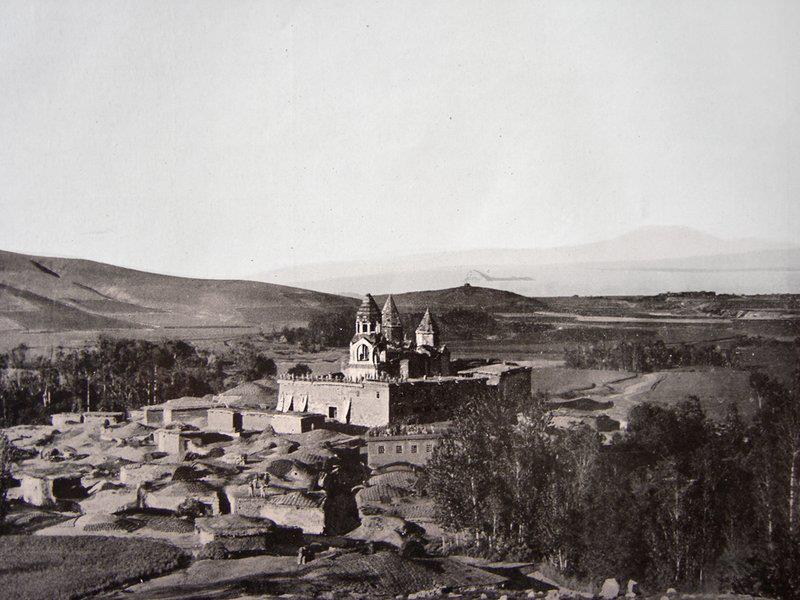
Narekavank (Armenian: Նարեկավանք, "Monastery of Narek", Western Armenian: Nareg) was a tenth-century Armenian monastery in the historic province of Vaspurakan, near the southern shores of Lake Van, in present-day Gevaş district in Van Province in eastern Turkey. The monastery was one of the most prominent in medieval Armenia and had a major school. The poet Gregory of Narek (Grigor Narekatsi) notably flourished at the monastery. It was abandoned in 1915 during the Armenian genocide, and reportedly demolished around 1951. A mosque now stands on its location.
The monastery was founded during the reign of the Artsruni King Gagik I of Vaspurakan (r. 908–43) by Armenian monks who fled the Byzantine Empire due to religious persecution. In the 10th century father Ananias of Narek (Anania Narekatsi) founded a school, which became one of the most prominent centers of learning in medieval Armenia. Gregory of Narek (Grigor Narekatsi, c. 951–1003), a prominent mystical poet, studied and flourished at the monastery, making the "name of the institution immortal". To this day, the monastery is mostly associated with Gregory of Narek. Among others, the historian Ukhtanes studied at the monastery school. During this period, the monastery was among the most prominent in all of Armenia and was also a major center of manuscript production. The earliest surviving manuscript produced at the monastery is a Gospel dated 1069.
Armenia was dominated by various foreign powers in the subsequent centuries. The Ottoman Empire gained control of the region by the 16th century. The monastery experienced a revival when in 1707 it was profoundly renovated by Minas vardapet Ghapantsi. In 1812 a bell-tower was constructed within the monastery walls. The two domes were restored in 1843 by the architect Sahrat Memarbashi and his son Movses. In 1858 the monastery was renovated by Hovhannes vardapet. Father Hovsep Rabuni commissioned a khachkar (cross stone), which was placed on the tomb of Gregory of Narek. It depicted the Mother of God carrying Jesus on her lap and Gregory on the foreground.
In 1884 Aristakes vardapet opened a seminary at the monastery and in 1901 an orphanage with a school was founded.
In 1896, during the government-sanctioned Hamidian massacres, the monastery was attacked by Kurds who killed father Yeghishe and 12 monks.
In the 19th and early 20th centuries the monastery was visited by Western missionaries. In 1852 Reverend H. G. O. Dwight described it a "celebrated monastery". In 1853 Austen Henry Layard called Narek a "large Armenian village" and noted that the monastery is "much frequented in pilgrimage by the Christians of Wan [Van] and the surrounding country." He wrote that it was probably expanded and repaired at various periods, and "there are parts, such as the belfry, which are modern, whilst others bear evident marks of antiquity. It is a strong solid building, of the same red sand stone as the tombs of Akhlat."
In 1900 the American journal The Missionary Herald wrote that the monastery's orphanage had 25 to 30 boys, while the monastery school was "by far the largest and most advanced school in the province outside the city [of Van], this village unlike most others, having had some sort of a school for several years."
In the early 20th century the monastery was surrounded by residential houses and various buildings for economic purposes. A 1911 photo by the ethnographer Yervand Lalayan shows "peasants with oxen plowing a field directly beneath its walls." The American missionary Herbert M. Allen (1865–1911) wrote in 1903:
Hub AI
Narekavank AI simulator
(@Narekavank_simulator)
Narekavank
Narekavank (Armenian: Նարեկավանք, "Monastery of Narek", Western Armenian: Nareg) was a tenth-century Armenian monastery in the historic province of Vaspurakan, near the southern shores of Lake Van, in present-day Gevaş district in Van Province in eastern Turkey. The monastery was one of the most prominent in medieval Armenia and had a major school. The poet Gregory of Narek (Grigor Narekatsi) notably flourished at the monastery. It was abandoned in 1915 during the Armenian genocide, and reportedly demolished around 1951. A mosque now stands on its location.
The monastery was founded during the reign of the Artsruni King Gagik I of Vaspurakan (r. 908–43) by Armenian monks who fled the Byzantine Empire due to religious persecution. In the 10th century father Ananias of Narek (Anania Narekatsi) founded a school, which became one of the most prominent centers of learning in medieval Armenia. Gregory of Narek (Grigor Narekatsi, c. 951–1003), a prominent mystical poet, studied and flourished at the monastery, making the "name of the institution immortal". To this day, the monastery is mostly associated with Gregory of Narek. Among others, the historian Ukhtanes studied at the monastery school. During this period, the monastery was among the most prominent in all of Armenia and was also a major center of manuscript production. The earliest surviving manuscript produced at the monastery is a Gospel dated 1069.
Armenia was dominated by various foreign powers in the subsequent centuries. The Ottoman Empire gained control of the region by the 16th century. The monastery experienced a revival when in 1707 it was profoundly renovated by Minas vardapet Ghapantsi. In 1812 a bell-tower was constructed within the monastery walls. The two domes were restored in 1843 by the architect Sahrat Memarbashi and his son Movses. In 1858 the monastery was renovated by Hovhannes vardapet. Father Hovsep Rabuni commissioned a khachkar (cross stone), which was placed on the tomb of Gregory of Narek. It depicted the Mother of God carrying Jesus on her lap and Gregory on the foreground.
In 1884 Aristakes vardapet opened a seminary at the monastery and in 1901 an orphanage with a school was founded.
In 1896, during the government-sanctioned Hamidian massacres, the monastery was attacked by Kurds who killed father Yeghishe and 12 monks.
In the 19th and early 20th centuries the monastery was visited by Western missionaries. In 1852 Reverend H. G. O. Dwight described it a "celebrated monastery". In 1853 Austen Henry Layard called Narek a "large Armenian village" and noted that the monastery is "much frequented in pilgrimage by the Christians of Wan [Van] and the surrounding country." He wrote that it was probably expanded and repaired at various periods, and "there are parts, such as the belfry, which are modern, whilst others bear evident marks of antiquity. It is a strong solid building, of the same red sand stone as the tombs of Akhlat."
In 1900 the American journal The Missionary Herald wrote that the monastery's orphanage had 25 to 30 boys, while the monastery school was "by far the largest and most advanced school in the province outside the city [of Van], this village unlike most others, having had some sort of a school for several years."
In the early 20th century the monastery was surrounded by residential houses and various buildings for economic purposes. A 1911 photo by the ethnographer Yervand Lalayan shows "peasants with oxen plowing a field directly beneath its walls." The American missionary Herbert M. Allen (1865–1911) wrote in 1903:
Recent media