
Recent from talks
Saint Thomas Christians
Knowledge base stats:
Talk channels stats:
Members stats:
Saint Thomas Christians
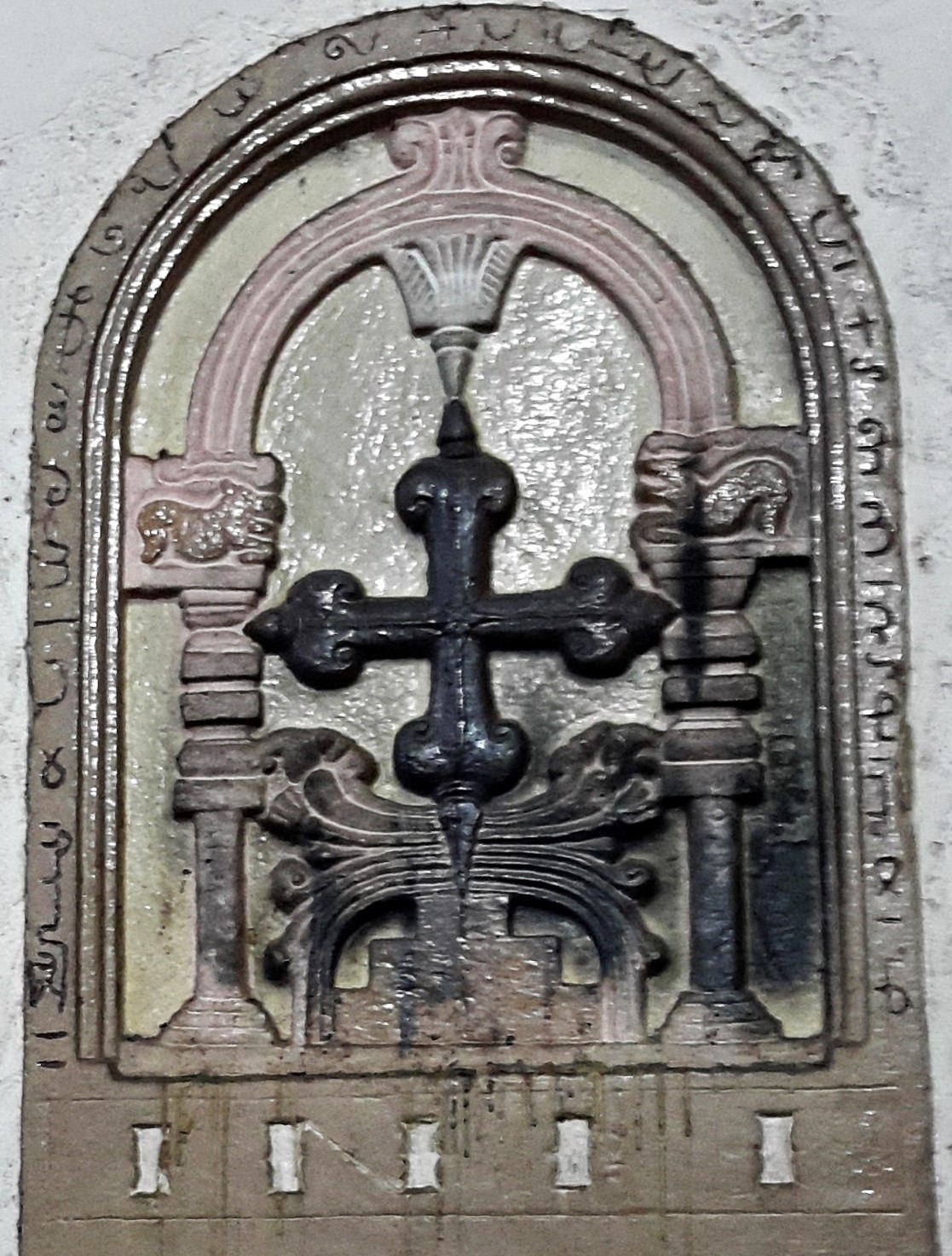
The Saint Thomas Christians, also called Syrian Christians of India, Marthoma Suriyani Nasrani, Malankara Nasrani, or Nasrani Mappila, are an ethno-religious community of Indian Christians in the state of Kerala (Malabar region), who, for the most part, employ the Eastern and Western liturgical rites of Syriac Christianity. They trace their origins to the evangelistic activity of Thomas the Apostle in the 1st century. The Saint Thomas Christians had been historically a part of the hierarchy of the Church of the East but are now divided into several different Eastern Catholic, Oriental Orthodox, Protestant, and independent bodies, each with their own liturgies and traditions. They are based in Kerala and they speak Malayalam. Nasrani or Nazarene is a Syriac term for Christians, who were among the first converts to Christianity in the Near East.
Historically, this community was organised as the Province of India of the Church of the East, by Patriarch Timothy I (780–823 AD) in the eighth century, it was served by bishops and a local dynastic archdeacon. In the 14th century, the Church of the East declined in the Near East, due to persecution from Tamerlane. Portuguese colonial overtures to bring St Thomas Christians into the Latin Church of the Catholic Church, administered by their Padroado system in the 16th century, led to the first of several rifts (schisms) in the community. The attempts of the Portuguese culminated in the Synod of Diamper, formally subjugating them to the Portuguese Padroado and imposing upon them the Roman Rite of worship. The Portuguese oppression provoked a violent resistance among the Thomasine Christians, that took expression in the Coonan Cross Oath protest in 1653. This led to the permanent schism among the Thomas' Christians of India, leading to the formation of Puthankoor or Puthankūttukār ("New allegiance" ) and Paḻayakūṟ or Pazhayakūr ("Old allegiance") factions. The Paḻayakūṟ comprise the present day Syro-Malabar Church and Chaldean Syrian Church which continue to employ the original East Syriac Rite. The Puthankoottukar, who continued to resist the Catholic missionaries, organized themselves as the independent Malankara Church and entered into a new communion with the Syriac Orthodox Church of Antioch, inheriting from them the West Syriac Rite, replacing the old East Syriac Rite liturgy.
The Chaldean Syrian Church based in Thrissur represents the continuation of the traditional pre-sixteenth century church of Saint Thomas Christians in India. It forms the Indian archdiocese of the Iraq-based Assyrian Church of the East, which is one of the descendant churches of the Church of the East. They were a minority faction within the Paḻayakūṟ faction, which joined with the Church of the East Bishop during the 1870s.
The Eastern Catholic faction is in full communion with the Holy See in Rome. This includes the aforementioned Syro-Malabar Church, which follows the East Syriac Rite, as well as the West Syriac Syro-Malankara Catholic Church. The Oriental Orthodox faction includes the autocephalous Malankara Orthodox Syrian Church and Malabar Independent Syrian Church along with the Jacobite Syrian Christian Church, an integral part of the Syriac Orthodox Church headed by the Patriarch of Antioch.
Oriental Protestant denominations include the Mar Thoma Syrian Church and the St. Thomas Evangelical Church of India. Being a Reformed church influenced by Anglican missionaries in the 1800s, the Mar Thoma Church employs a Reformed variant of the liturgical West Syriac Rite. The St. Thomas Evangelical Church of India is an evangelical faction that split off from the Marthoma Church in 1961. Meanwhile, the CSI Syrian Christians represents those Malankara Syrian Christians, who joined the Anglican Church in 1836 and eventually became part of the Church of South India, a United Protestant denomination. The C.S.I. is in full communion with the Mar Thoma Syrian Church. By the 20th century, various Syrian Christians joined Pentecostal and other evangelical denominations like the Kerala Brethren, Indian Pentecostal Church of God, Assemblies of God, among others. They are known as Pentecostal Saint Thomas Christians.
The Saint Thomas Christians have also been nicknamed such due to their reverence for Saint Thomas the Apostle, who is said to have brought Christianity to India. The name dates back to the period of Portuguese colonisation. They are also known, especially locally, as Nasrani or Nasrani Mappila. The former means Christian; it appears to have been derived from the Hebrew word Netzer or the Aramaic Nasraya from Isaiah 11:1. Nasrani is evolved from the Syriac term for "Christian" that emerges from the Greek word Nazōraioi, Nazarene in English. Mappila is an honorific applied to members of non-Indian faiths and descendants of immigrants from the middle east who had intermarried with the local population, including Muslims (Jonaka Mappila) and Jews (Yuda Mappila). Some Syrian Christians of Travancore continue to attach this honorific title to their names. The Government of India designates members of the community as Syrian Christians, a term originating with the Dutch colonial authority that distinguishes the Saint Thomas Christians, who used Syriac (within East Syriac Rite or West Syriac Rite) as their liturgical language, from newly evangelised Christians who followed the Roman Rite. The terms Syrian or Syriac relate not to their ethnicity but to their historical, religious and liturgical connection to the Church of the East, or East Syriac Church.
Internally the Saint Thomas Christian community is divided into two ethnic groups, the majority Vadakkumbhagar or Northist and the minority Tekkumbhagar or Southist. Saint Thomas Christian tradition traces the origin of these ethno-geographical epithets to the city of Kodungallur, the historic capital of the medieval Chera dynasty. The early converts of Saint Thomas the Apostle and those who later joined the faith in India are believed to have initially resided on the northern side of the city of Kodungallur and for that reason became known as Vadakkumbhagar or Northist.
In either the 4th or 8th century, the Syriac Christian merchant magnate Knai Thoma is noted to have arrived and settled in southern Kodungallur with a cohort of merchants and clergymen. Because they dwelled on the southern side, the descendants of Thoma's migration became known as Tekkumbhagar or Southist. The Southist community is primarily known by the appellation K'nā'nāya (Syriac for Canaanite), an adjectival epithet of Knai Thoma.
Hub AI
Saint Thomas Christians AI simulator
(@Saint Thomas Christians_simulator)
Saint Thomas Christians
The Saint Thomas Christians, also called Syrian Christians of India, Marthoma Suriyani Nasrani, Malankara Nasrani, or Nasrani Mappila, are an ethno-religious community of Indian Christians in the state of Kerala (Malabar region), who, for the most part, employ the Eastern and Western liturgical rites of Syriac Christianity. They trace their origins to the evangelistic activity of Thomas the Apostle in the 1st century. The Saint Thomas Christians had been historically a part of the hierarchy of the Church of the East but are now divided into several different Eastern Catholic, Oriental Orthodox, Protestant, and independent bodies, each with their own liturgies and traditions. They are based in Kerala and they speak Malayalam. Nasrani or Nazarene is a Syriac term for Christians, who were among the first converts to Christianity in the Near East.
Historically, this community was organised as the Province of India of the Church of the East, by Patriarch Timothy I (780–823 AD) in the eighth century, it was served by bishops and a local dynastic archdeacon. In the 14th century, the Church of the East declined in the Near East, due to persecution from Tamerlane. Portuguese colonial overtures to bring St Thomas Christians into the Latin Church of the Catholic Church, administered by their Padroado system in the 16th century, led to the first of several rifts (schisms) in the community. The attempts of the Portuguese culminated in the Synod of Diamper, formally subjugating them to the Portuguese Padroado and imposing upon them the Roman Rite of worship. The Portuguese oppression provoked a violent resistance among the Thomasine Christians, that took expression in the Coonan Cross Oath protest in 1653. This led to the permanent schism among the Thomas' Christians of India, leading to the formation of Puthankoor or Puthankūttukār ("New allegiance" ) and Paḻayakūṟ or Pazhayakūr ("Old allegiance") factions. The Paḻayakūṟ comprise the present day Syro-Malabar Church and Chaldean Syrian Church which continue to employ the original East Syriac Rite. The Puthankoottukar, who continued to resist the Catholic missionaries, organized themselves as the independent Malankara Church and entered into a new communion with the Syriac Orthodox Church of Antioch, inheriting from them the West Syriac Rite, replacing the old East Syriac Rite liturgy.
The Chaldean Syrian Church based in Thrissur represents the continuation of the traditional pre-sixteenth century church of Saint Thomas Christians in India. It forms the Indian archdiocese of the Iraq-based Assyrian Church of the East, which is one of the descendant churches of the Church of the East. They were a minority faction within the Paḻayakūṟ faction, which joined with the Church of the East Bishop during the 1870s.
The Eastern Catholic faction is in full communion with the Holy See in Rome. This includes the aforementioned Syro-Malabar Church, which follows the East Syriac Rite, as well as the West Syriac Syro-Malankara Catholic Church. The Oriental Orthodox faction includes the autocephalous Malankara Orthodox Syrian Church and Malabar Independent Syrian Church along with the Jacobite Syrian Christian Church, an integral part of the Syriac Orthodox Church headed by the Patriarch of Antioch.
Oriental Protestant denominations include the Mar Thoma Syrian Church and the St. Thomas Evangelical Church of India. Being a Reformed church influenced by Anglican missionaries in the 1800s, the Mar Thoma Church employs a Reformed variant of the liturgical West Syriac Rite. The St. Thomas Evangelical Church of India is an evangelical faction that split off from the Marthoma Church in 1961. Meanwhile, the CSI Syrian Christians represents those Malankara Syrian Christians, who joined the Anglican Church in 1836 and eventually became part of the Church of South India, a United Protestant denomination. The C.S.I. is in full communion with the Mar Thoma Syrian Church. By the 20th century, various Syrian Christians joined Pentecostal and other evangelical denominations like the Kerala Brethren, Indian Pentecostal Church of God, Assemblies of God, among others. They are known as Pentecostal Saint Thomas Christians.
The Saint Thomas Christians have also been nicknamed such due to their reverence for Saint Thomas the Apostle, who is said to have brought Christianity to India. The name dates back to the period of Portuguese colonisation. They are also known, especially locally, as Nasrani or Nasrani Mappila. The former means Christian; it appears to have been derived from the Hebrew word Netzer or the Aramaic Nasraya from Isaiah 11:1. Nasrani is evolved from the Syriac term for "Christian" that emerges from the Greek word Nazōraioi, Nazarene in English. Mappila is an honorific applied to members of non-Indian faiths and descendants of immigrants from the middle east who had intermarried with the local population, including Muslims (Jonaka Mappila) and Jews (Yuda Mappila). Some Syrian Christians of Travancore continue to attach this honorific title to their names. The Government of India designates members of the community as Syrian Christians, a term originating with the Dutch colonial authority that distinguishes the Saint Thomas Christians, who used Syriac (within East Syriac Rite or West Syriac Rite) as their liturgical language, from newly evangelised Christians who followed the Roman Rite. The terms Syrian or Syriac relate not to their ethnicity but to their historical, religious and liturgical connection to the Church of the East, or East Syriac Church.
Internally the Saint Thomas Christian community is divided into two ethnic groups, the majority Vadakkumbhagar or Northist and the minority Tekkumbhagar or Southist. Saint Thomas Christian tradition traces the origin of these ethno-geographical epithets to the city of Kodungallur, the historic capital of the medieval Chera dynasty. The early converts of Saint Thomas the Apostle and those who later joined the faith in India are believed to have initially resided on the northern side of the city of Kodungallur and for that reason became known as Vadakkumbhagar or Northist.
In either the 4th or 8th century, the Syriac Christian merchant magnate Knai Thoma is noted to have arrived and settled in southern Kodungallur with a cohort of merchants and clergymen. Because they dwelled on the southern side, the descendants of Thoma's migration became known as Tekkumbhagar or Southist. The Southist community is primarily known by the appellation K'nā'nāya (Syriac for Canaanite), an adjectival epithet of Knai Thoma.
Recent media