
Recent from talks
Nawabs of Bengal
Knowledge base stats:
Talk channels stats:
Members stats:
Nawabs of Bengal
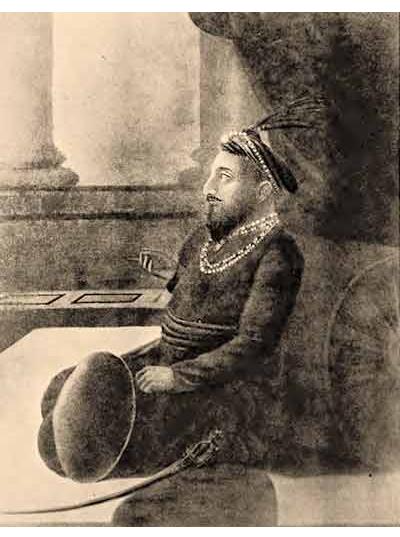
The Nawabs of Bengal were the Independent hereditary rulers of Bengal. In the early 18th-century, the Nawab of Bengal was the independent ruler of Bengal (Bengal, Bihar and Orissa which constitute the modern-day Indian states of West Bengal, Bihar and Odisha and the sovereign country of Bangladesh). The Bengal Subah reached its peak during the reign of Nawab Shuja-ud-Din Muhammad Khan. They are often referred to as the Nawab of Bengal, Bihar and Orissa (Bengali: বাংলা, বিহার ও উড়িষ্যার নবাব). The Nawabi Bengal's capital were based in Murshidabad which was centrally located within Bengal, Bihar, and Odisha. Their chief, a former prime minister, became the first Nawab. The Nawabs governed as independent monarchs. The Nawabs, backed by bankers such as the Jagat Seth, became the financial backbone of the Subcontinent court.
The Nawabs, especially under the rule of Alivardi Khan of 16 years, were heavily engaged in various wars against the Marathas. Towards the end, he turned his attention to rebuilding and restoring Bengal.
The Nawabs of Bengal oversaw a period of proto-industrialization. The Bengal-Bihar-Orissa triangle was a major production center for cotton muslin cloth, silk cloth, shipbuilding, gunpowder, saltpetre, and metalworks. Factories were set up in Murshidabad, Dhaka, Patna, Sonargaon, Chittagong, Rajshahi, Cossimbazar, Balasore, Pipeli, and Hugli among other cities, towns, and ports. The region became a base for the British East India Company, the French East India Company, the Danish East India Company, the Austrian East India Company, the Ostend Company, and the Dutch East India Company.
The British company eventually rivaled the authority of the Nawabs. In the aftermath of the siege of Calcutta in 1756, in which the Nawab's forces overran the main British base, the East India Company dispatched a fleet led by Robert Clive who defeated the last independent Nawab Siraj-ud-Daulah at the Battle of Plassey in 1757. Mir Jafar was installed as the puppet Nawab. His successor Mir Qasim attempted in vain to dislodge the British. The defeat of Nawab Mir Qasim of Bengal, Nawab Shuja-ud-Daula of Oudh, and Mughal Emperor Shah Alam II at the Battle of Buxar in 1764 paved the way for British expansion across India. The South Indian Kingdom of Mysore led by Tipu Sultan overtook the Nawab of Bengal as the subcontinent's wealthiest monarchy; but this was short-lived and ended with the Anglo-Mysore War. The British then turned their sights on defeating the Marathas and Sikhs.
In 1772, Governor-General Warren Hastings shifted administrative and judicial offices from Murshidabad to Calcutta, the capital of the newly formed Bengal Presidency, and the de facto capital of British India. The Nawabs had lost all independent authority since 1757. In 1858, the British government abolished the symbolic authority of the Nawab court. After 1880, the descendants of the Nawabs of Bengal were recognised simply as Nawabs of Murshidabad with the mere status of a peerage.
The Bengal Subah was the wealthiest country in subcontinent in 18th century. There were several posts under the Mughal administrative system of Bengal since Akbar's conquest in the 1500s. Nizamat (governornership) and diwani (premiership) were the two main branches of provincial government under the Mughals. The Subahdar was in-charge of the nizamat and had a chain of subordinate officials on the executive side, including diwans (prime ministers) responsible for revenue and legal affairs. After the death of Emperor Aurangzeb, Bengal gradually became independent, and in 1717, through Murshid Quli Khan, Bengal separated from the Mughals. However, they maintained a nominal allegiance to the Mughals. In reality, they were independent.
The Mughal court heavily relied on Bengal for revenue. Azim-us-Shan, the Mughal viceroy of Bengal, had a bitter power struggle with his prime minister (diwan) Murshid Quli Khan. Emperor Aurangzeb transferred Azim-us-Shan out of Bengal and into Bihar in 1703 as a result of the disputes. After the viceroy's exit, the provincial premier Murshid Quli Khan emerged as the de facto ruler of Bengal. His administrative coup merged the offices of the diwan (prime minister) and subedar (viceroy). In 1716, Murshid Quli shifted Bengal's capital from Dhaka to a new city named after himself. In 1717, Mughal Emperor Farrukhsiyar recognized Khan as the hereditary Nawab Nazim. The Nawab's jurisdiction covered districts in Bengal, Bihar, and Orissa. The Nawab's territory stretched from the border with Oudh in the west to the border with Arakan in the east.
The chief deputy of the Nawab was the Naib Nazim of Dhaka, the mayor of the former provincial capital whose own wealth was considerable; the Naib Nazim of Dhaka also governed much of eastern Bengal. Other important officials were stationed in Patna, Cuttack, and Chittagong. The aristocracy was composed of the Zamindars of Bengal.[citation needed] The Nawab was backed up by the powerful Jagat Seth family of bankers and money lenders. They served as financiers to both the Nawabs and European companies operating in the region.
Hub AI
Nawabs of Bengal AI simulator
(@Nawabs of Bengal_simulator)
Nawabs of Bengal
The Nawabs of Bengal were the Independent hereditary rulers of Bengal. In the early 18th-century, the Nawab of Bengal was the independent ruler of Bengal (Bengal, Bihar and Orissa which constitute the modern-day Indian states of West Bengal, Bihar and Odisha and the sovereign country of Bangladesh). The Bengal Subah reached its peak during the reign of Nawab Shuja-ud-Din Muhammad Khan. They are often referred to as the Nawab of Bengal, Bihar and Orissa (Bengali: বাংলা, বিহার ও উড়িষ্যার নবাব). The Nawabi Bengal's capital were based in Murshidabad which was centrally located within Bengal, Bihar, and Odisha. Their chief, a former prime minister, became the first Nawab. The Nawabs governed as independent monarchs. The Nawabs, backed by bankers such as the Jagat Seth, became the financial backbone of the Subcontinent court.
The Nawabs, especially under the rule of Alivardi Khan of 16 years, were heavily engaged in various wars against the Marathas. Towards the end, he turned his attention to rebuilding and restoring Bengal.
The Nawabs of Bengal oversaw a period of proto-industrialization. The Bengal-Bihar-Orissa triangle was a major production center for cotton muslin cloth, silk cloth, shipbuilding, gunpowder, saltpetre, and metalworks. Factories were set up in Murshidabad, Dhaka, Patna, Sonargaon, Chittagong, Rajshahi, Cossimbazar, Balasore, Pipeli, and Hugli among other cities, towns, and ports. The region became a base for the British East India Company, the French East India Company, the Danish East India Company, the Austrian East India Company, the Ostend Company, and the Dutch East India Company.
The British company eventually rivaled the authority of the Nawabs. In the aftermath of the siege of Calcutta in 1756, in which the Nawab's forces overran the main British base, the East India Company dispatched a fleet led by Robert Clive who defeated the last independent Nawab Siraj-ud-Daulah at the Battle of Plassey in 1757. Mir Jafar was installed as the puppet Nawab. His successor Mir Qasim attempted in vain to dislodge the British. The defeat of Nawab Mir Qasim of Bengal, Nawab Shuja-ud-Daula of Oudh, and Mughal Emperor Shah Alam II at the Battle of Buxar in 1764 paved the way for British expansion across India. The South Indian Kingdom of Mysore led by Tipu Sultan overtook the Nawab of Bengal as the subcontinent's wealthiest monarchy; but this was short-lived and ended with the Anglo-Mysore War. The British then turned their sights on defeating the Marathas and Sikhs.
In 1772, Governor-General Warren Hastings shifted administrative and judicial offices from Murshidabad to Calcutta, the capital of the newly formed Bengal Presidency, and the de facto capital of British India. The Nawabs had lost all independent authority since 1757. In 1858, the British government abolished the symbolic authority of the Nawab court. After 1880, the descendants of the Nawabs of Bengal were recognised simply as Nawabs of Murshidabad with the mere status of a peerage.
The Bengal Subah was the wealthiest country in subcontinent in 18th century. There were several posts under the Mughal administrative system of Bengal since Akbar's conquest in the 1500s. Nizamat (governornership) and diwani (premiership) were the two main branches of provincial government under the Mughals. The Subahdar was in-charge of the nizamat and had a chain of subordinate officials on the executive side, including diwans (prime ministers) responsible for revenue and legal affairs. After the death of Emperor Aurangzeb, Bengal gradually became independent, and in 1717, through Murshid Quli Khan, Bengal separated from the Mughals. However, they maintained a nominal allegiance to the Mughals. In reality, they were independent.
The Mughal court heavily relied on Bengal for revenue. Azim-us-Shan, the Mughal viceroy of Bengal, had a bitter power struggle with his prime minister (diwan) Murshid Quli Khan. Emperor Aurangzeb transferred Azim-us-Shan out of Bengal and into Bihar in 1703 as a result of the disputes. After the viceroy's exit, the provincial premier Murshid Quli Khan emerged as the de facto ruler of Bengal. His administrative coup merged the offices of the diwan (prime minister) and subedar (viceroy). In 1716, Murshid Quli shifted Bengal's capital from Dhaka to a new city named after himself. In 1717, Mughal Emperor Farrukhsiyar recognized Khan as the hereditary Nawab Nazim. The Nawab's jurisdiction covered districts in Bengal, Bihar, and Orissa. The Nawab's territory stretched from the border with Oudh in the west to the border with Arakan in the east.
The chief deputy of the Nawab was the Naib Nazim of Dhaka, the mayor of the former provincial capital whose own wealth was considerable; the Naib Nazim of Dhaka also governed much of eastern Bengal. Other important officials were stationed in Patna, Cuttack, and Chittagong. The aristocracy was composed of the Zamindars of Bengal.[citation needed] The Nawab was backed up by the powerful Jagat Seth family of bankers and money lenders. They served as financiers to both the Nawabs and European companies operating in the region.
Recent media