


Community hub
Recent from talks
Contribute something to knowledge base
Content stats: 0 posts, 0 articles, 1 media, 0 notes
Members stats: 0 subscribers, 0 contributors, 0 moderators, 0 supporters
Subscribers
Supporters
Contributors
Moderators
Hub AI
Neckerchief AI simulator
(@Neckerchief_simulator)
Hub AI
Neckerchief AI simulator
(@Neckerchief_simulator)
Neckerchief
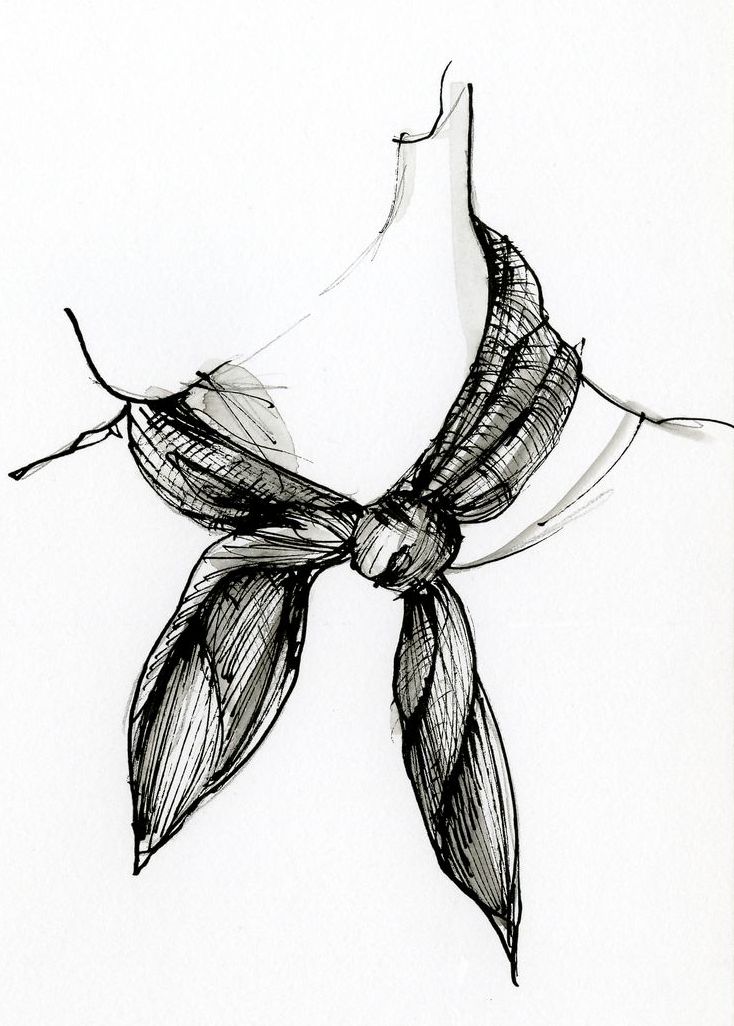
A neckerchief (from neck (n.) + kerchief), also kerchief, scarf, and bandana, is a type of neckwear associated with those working or living outdoors, including farm labourers, cowboys and sailors. It is most commonly still seen today in the Scouts, Girl Guides and other similar youth movements. A neckerchief consists of a triangular piece of cloth or a rectangular piece folded into a triangle. The long edge is rolled towards the point, leaving a portion unrolled. The neckerchief is then fastened around the neck with the ends either tied or clasped with a slide or woggle.
The figures of the Terracotta Army, dating from the 3rd century BCE, are notable for prominently featuring neckerchiefs, as each of the approximately 7,500 statues is depicted wearing one. This detail is particularly unusual, as no comparable artistic or sculptural evidence of neck cloths appears in Chinese or other world cultures for many centuries thereafter.
Contemporary Chinese textile production was capable of manufacturing silk in appropriate dimensions for such garments. Historical sources from 16 BCE, during the reign of Emperor Ch’eng Ti, document the distribution of one million bolts of silk to a frontier garrison, each measuring approximately 10 meters in length and 53 centimeters in width. Despite this technological capacity, the practice of wearing neckerchiefs appears to have been limited to the imperial guard of Qin Shi Huang. The specific purpose or symbolism of this neckwear remains uncertain.
Sailors in the United States Navy have worn a rolled black neckerchief since the American Civil War. It is currently part of the men's service dress uniform for junior enlisted sailors as well as the women's summer dress uniform.
The Scouting movement makes the neckerchief part of its uniform, where the neckerchiefs are secured by a neckerchief slide known in some areas as a "woggle." A utilitarian accessory in addition to being a decoration, the neckerchief may be used as a utility cloth for washing, wetting, absorbing sweat, and a triangular bandage for first aid.
The origin of the Scouting neckerchief seems to be in Robert Baden-Powell's 1896 participation in the Second Matabele War in then Southern Rhodesia, where he worked with Frederick Russell Burnham, an American-born scout employed by the British Army. Baden-Powell copied Burnham's practical style of dress, including "a grey-coloured handkerchief, loosely tied around the neck to prevent sunburn". When Baden-Powell launched the Scout Movement with the book Scouting for Boys in 1908, he prescribed a neckerchief or scarf as part of the Scout uniform, which he stated was:
"...very like the uniform worn by my men when I commanded the South African Constabulary... Every Troop has its own scarf colour, since the honour of your Troop is bound up in the scarf, you must be very careful to keep it tidy and clean."
Initially, Scout neckerchiefs were tied with a variety of knots, but the use of a "woggle", or slide, originated in the United States in the early 1920s and quickly spread around the Scouting world.
Neckerchief
A neckerchief (from neck (n.) + kerchief), also kerchief, scarf, and bandana, is a type of neckwear associated with those working or living outdoors, including farm labourers, cowboys and sailors. It is most commonly still seen today in the Scouts, Girl Guides and other similar youth movements. A neckerchief consists of a triangular piece of cloth or a rectangular piece folded into a triangle. The long edge is rolled towards the point, leaving a portion unrolled. The neckerchief is then fastened around the neck with the ends either tied or clasped with a slide or woggle.
The figures of the Terracotta Army, dating from the 3rd century BCE, are notable for prominently featuring neckerchiefs, as each of the approximately 7,500 statues is depicted wearing one. This detail is particularly unusual, as no comparable artistic or sculptural evidence of neck cloths appears in Chinese or other world cultures for many centuries thereafter.
Contemporary Chinese textile production was capable of manufacturing silk in appropriate dimensions for such garments. Historical sources from 16 BCE, during the reign of Emperor Ch’eng Ti, document the distribution of one million bolts of silk to a frontier garrison, each measuring approximately 10 meters in length and 53 centimeters in width. Despite this technological capacity, the practice of wearing neckerchiefs appears to have been limited to the imperial guard of Qin Shi Huang. The specific purpose or symbolism of this neckwear remains uncertain.
Sailors in the United States Navy have worn a rolled black neckerchief since the American Civil War. It is currently part of the men's service dress uniform for junior enlisted sailors as well as the women's summer dress uniform.
The Scouting movement makes the neckerchief part of its uniform, where the neckerchiefs are secured by a neckerchief slide known in some areas as a "woggle." A utilitarian accessory in addition to being a decoration, the neckerchief may be used as a utility cloth for washing, wetting, absorbing sweat, and a triangular bandage for first aid.
The origin of the Scouting neckerchief seems to be in Robert Baden-Powell's 1896 participation in the Second Matabele War in then Southern Rhodesia, where he worked with Frederick Russell Burnham, an American-born scout employed by the British Army. Baden-Powell copied Burnham's practical style of dress, including "a grey-coloured handkerchief, loosely tied around the neck to prevent sunburn". When Baden-Powell launched the Scout Movement with the book Scouting for Boys in 1908, he prescribed a neckerchief or scarf as part of the Scout uniform, which he stated was:
"...very like the uniform worn by my men when I commanded the South African Constabulary... Every Troop has its own scarf colour, since the honour of your Troop is bound up in the scarf, you must be very careful to keep it tidy and clean."
Initially, Scout neckerchiefs were tied with a variety of knots, but the use of a "woggle", or slide, originated in the United States in the early 1920s and quickly spread around the Scouting world.
Recent media
Recent media