


Community hub
Recent from talks
Contribute something
Nothing was collected or created yet.
First aid
View on Wikipedia
_gives_first_aid_to_an_injured_Iraqi_citizen.jpg)

First aid is the first and immediate assistance given to any person with a medical emergency,[1] with care provided to preserve life, prevent the condition from worsening, or to promote recovery until medical services arrive. First aid is generally performed by someone with basic medical or first response training. Mental health first aid is an extension of the concept of first aid to cover mental health,[2] while psychological first aid is used as early treatment of people who are at risk for developing PTSD.[3] Conflict first aid, focused on preservation and recovery of an individual's social or relationship well-being, is being piloted in Canada.
There are many situations that may require first aid, and many countries have legislation, regulation, or guidance, which specifies a minimum level of first aid provision in certain circumstances. This can include specific training or equipment to be available in the workplace (such as an automated external defibrillator), the provision of specialist first aid cover at public gatherings, or mandatory first aid training within schools. Generally, five steps are associated with first aid:
- Assess the surrounding areas.
- Move to a safe surrounding (if not already; for example, road accidents are unsafe to be dealt with on roads).
- Call for help: both professional medical help and people nearby who might help in first aid such as the compressions of cardiopulmonary resuscitation (CPR).
- Perform suitable first aid depending on the injury suffered by the casualty.
- Evaluate the casualty for any fatal signs of danger, or possibility of performing the first aid again.
Early history and warfare
[edit]Skills of what is now known as first aid have been recorded throughout history, especially in relation to warfare, where the care of both traumatic and medical cases is required in particularly large numbers. The bandaging of battle wounds is shown on Classical Greek pottery from c. 500 BC, whilst the parable of the Good Samaritan includes references to binding or dressing wounds.[4] There are numerous references to first aid performed within the Roman army, with a system of first aid supported by surgeons, field ambulances, and hospitals.[5] Roman legions had the specific role of capsarii, who were responsible for first aid such as bandaging, and are the forerunners of the modern combat me.[6]
Further examples occur through history, still mostly related to battle, with examples such as the Knights Hospitaller in the 11th century AD, providing care to pilgrims and knights in the Holy Land.[7]
Formalization of life saving treatments
[edit]During the late 18th century, drowning as a cause of death was a major concern amongst the population. In 1767, a society for the preservation of life from accidents in water was started in Amsterdam, and in 1773, physician William Hawes began publicizing the power of artificial respiration as means of resuscitation of those who appeared drowned. This led to the formation, in 1774, of the Society for the Recovery of Persons Apparently Drowned, later the Royal Humane Society, who did much to promote resuscitation.[8][9]
Napoleon's surgeon, Baron Dominique-Jean Larrey, is credited with creating an ambulance corps, the ambulance volantes, which included medical assistants, tasked to administer first aid in battle.[10]
In 1859, Swiss businessman Jean-Henri Dunant witnessed the aftermath of the Battle of Solferino, and his work led to the formation of the Red Cross, with a key stated aim of "aid to sick and wounded soldiers in the field".[7] The Red Cross and Red Crescent are still the largest provider of first aid worldwide.[11]

In 1870, Prussian military surgeon Friedrich von Esmarch introduced formalized first aid to the military, and first coined the term "erste hilfe" (translating to 'first aid'), including training for soldiers in the Franco-Prussian War on care for wounded comrades using pre-learnt bandaging and splinting skills, and making use of the Esmarch bandage which he designed.[4] The bandage was issued as standard to the Prussian combatants, and also included aide-memoire pictures showing common uses.
In 1872, the Order of Saint John of Jerusalem in England changed its focus from hospice care, and set out to start a system of practical medical help, starting with making a grant towards the establishment of the UK's first ambulance service. This was followed by creating its own wheeled transport litter in 1875 (the St John Ambulance), and in 1877 established the St John Ambulance Association (the forerunner of modern-day St John Ambulance) "to train men and women for the benefit of the sick and wounded".[12]
Also in the UK, Surgeon-Major Peter Shepherd had seen the advantages of von Esmarch's new teaching of first aid, and introduced an equivalent programme for the British Army, and so being the first user of "first aid for the injured" in English, disseminating information through a series of lectures. Following this, in 1878, Shepherd and Colonel Francis Duncan took advantage of the newly charitable focus of St John,[4] and established the concept of teaching first aid skills to civilians. The first classes were conducted in the hall of the Presbyterian school in Woolwich (near Woolwich barracks where Shepherd was based) using a comprehensive first aid curriculum.
First aid training began to spread through the British Empire through organisations such as St John, often starting, as in the UK, with high risk activities such as ports and railways.[13]
The first recorded first aid training in the United States took place in Jermyn, Pennsylvania in 1899.[14]
Common emergences that require first aid in humans
[edit]List of common situations that require first aid, and information about them (in alphabetical order):
Bleeding
[edit].jpg)
Bleeding or hemorrhage is the escape of blood from veins or arteries.
Cardiac arrest (total stop of heartbeat)
[edit]Cardiac arrest is the complete stop of heart function.
Choking
[edit]Choking is the obstruction of breathing caused by a blockage in the respiratory tract.
Diabetes, hyperglycemia
[edit]Hyperglycemia or hyperglycaemia is a condition in which an excessive level of glucose is present in the blood.
Diabetes, hypoglycemia
[edit]Hypoglycemia or hypoglycaemia is a condition in which an excessively low level of glucose is present in the blood.
It typically occurs due to complications with medication used to reduce blood sugar levels in diabetic patients.
Drowning
[edit]Drowning in humans is a type of suffocation caused by both the nose and mouth being submerged in liquid.
The first aid for drowning is very similar to that of cardiorespiratory arrest.
Infarction of the heart
[edit]A myocardial infarction, commonly known as a heart attack, is the sudden reduction in or lack of blood flow in one of the coronary arteries in the heart, causing infarction (tissue death due to inadequate blood supply). Risk factors for myocardial infarctions include living a sedentary lifestyle, age (being over 45 for men and 55 for women), tobacco and alcohol use, stress, obesity, high cholesterol, family history, and diabetes.[15]
Stroke
[edit]A stroke is a sudden lack of blood supply to the brain caused by a burst or blocked artery.[16]
Aims of first aid
[edit]The primary goal of first aid is to prevent death or serious injury from worsening. The key aims of first aid can be summarized with the acronym of 'the three Ps':[17]
- Preserve life: The overriding aim of all medical care which includes first aid, is to save lives and minimize the threat of death. First aid done correctly should help reduce the patient's level of pain and calm them down during the evaluation and treatment process.
- Prevent further harm: Prevention of further harm includes addressing both external factors, such as moving a patient away from any cause of harm, and applying first aid techniques to prevent worsening of the condition, such as applying pressure to stop a bleed from becoming dangerous.
- Promote recovery: First aid also involves trying to start the recovery process from the illness or injury, and in some cases might involve completing a treatment, such as in the case of applying a plaster to a small wound.
First aid is not medical treatment, and cannot be compared with what a trained medical professional provides. First aid involves making common sense decisions in the best interest of an injured person.
Setting the priorities
[edit]A first aid intervention would follow an order, which would try to attend in the best manner the main threats for the life and mobility of the victim.
There are some first aid protocols (such as ATLS, BATLS and SAFE-POINT) that define which are the priorities and the correct execution of the steps for saving human life. A major benefit of the use of official protocols is that they require minimum resources, time and skills, and have a great degree of success.
ABCDE and csABCDE general protocol
[edit]The ABCDE method is the general protocol of first aid and implies a quite general view.[18]
It was initially developed by Dr Peter Safar in the 1950s. But it has received some modifications, improvements and variations that were intended for more specific contexts. For example: it has been completed with improvements from the ATLS (Advanced Trauma Life Support) version of the American College of Surgeons[19] and the BATLS (Battlefield Advanced Trauma Life Support) version of the British Army.[20]
As a result, the mnemonic of the steps of this protocol is ABCDE, or its improved version (cs)ABCDE (sometimes called xABCDE, the words in the mnemonic may vary), which represent:[21][22]
—An attached first part (named as "cs" or "x", or in any other way) that will always mention stopping the critical losses of blood and managing with a special and careful treatment to patients with serious damages at the spine that threaten their future mobility:
- catastrophic-bleeding (stopping urgently the massive external bleedings, as it is marked in the BATLS version).
- spine-protection (previous examination of the spine, and careful preventive treatment for its damages, as it is marked in the ATLS version).
—The ABCDE protocol itself:
- Airway (clearing airways).
- Breathing (ensuring respiration).
- Circulation (ensuring effective cardiac output).
Any Defibrillation process for a cardiac arrest (total stop of heartbeat) would be included here, or in 'Disability' (as a double mnemonic 'D'). - Disability (neurological condition, level of glucose can also be examined).
- Exposure (or 'Evaluate': other questions in an overall examination of the patient, environment).
ABC and CABD cardiopulmonary resuscitation protocol
[edit]This protocol (originally named as ABC) is a simplified version or concrete application of the previous csABCDE (or ABCDE) protocol, that focuses in the use of cardio-pulmonary resuscitation. The American Heart Association and the International Liaison Committee on Resuscitation teach it as a reference.[23][24]
Its current mnemonic is CABD (an improvement in the sequence for most of the cases):
- Circulation or Chest Compressions.
- Airway: attempt to open the airway (using a head-tilt and chin-lift technique; not in the case of babies, which require avoid tilting the head).
- Breathing or Rescue Breaths.
- Defibrillation: use of an automated external defibrillator to recover heart function.
Wider protocols
[edit]These are the protocols that do not only deal with direct care to the victim but they also mention other complementary tasks (before and later).
European protocol
[edit]This method has been studied and employed for a long time in many European countries, as France.[25] It is a reference, of a certain reputation, that could be applied solely or to a certain degree, usually combining it with the common csABCDE (ABCDE) method or its simplified CABD (ABC) variant about cardio-pulmonary resuscitation. The European method has a wider range than them, and their steps include tasks that are previous to the first aid techniques themselves.
These are its steps (with no official mnemonic that helps to remember them):
- Protection for patients and rescuers. If dangers are present, the patient would be moved to a safer place with a careful management of any detected spinal injury.
- Evaluation of the patient (looking for priorities as critical bleeding and cardiac arrest).
- Alerting to medical services and bystanders.
- Performing the first aid practices. The CABD (or ABC) method for cardio-pulmonary resuscitation and many details of the wider csABCDE (or ABCDE) method would be included in this step.
Other mentionable protocols
[edit]Some other known protocols that could be mentioned in many contexts (in alphabetical order):
AMEGA protocol
It is similar to the European protocol, because it also has a wider range[26] than the common csABCDE (or ABCDE) protocol, and includes other tasks that are previous to the first aid techniques themselves. The order of the steps is changed, and the experience with it is lesser, but it adds the idea of a posterior 'aftermath' phase.
The mnemonic AMEGA refers to:
- Assess the situation, looking for risks.
- Make safe the situation, after having identified the risks.
- Emergency aid. Performing the first aid practices.
- Get help. Asking for emergency help to medical services and bystanders.
- Aftermath. The aftermath tasks include recording and reporting, continued care of patients and the welfare of responders and the replacement of used first aid kit elements.
ATLS and BATLS protocols
They are basically the common ABCDE and csABCDE protocol, but focusing in particular aspects.
The ATLS (Advanced Trauma Life Support) version[19] was developed by the American College of Surgeons, focusing in the particular needs of trauma and specifically in the spinal injuries. And the BATLS (Battlefield Advanced Trauma Life Support) version[20] is an improvement for the British Army that added the concept of 'catastrophic bleeding'.
The preference for one or another among all these protocols can depend on the context and the audience.
Check, Call and Care protocol
[edit]It comes from Red Cross[27] and, as the European protocol, has a wider range than the common csABCDE (ABCDE) method. So it could be seen as a simplification of the European protocol, and, especially, easier to remember as a guide for most of cases.
It mentions the following steps:
- Check the scene for safety of the rescuer and others, and check the patient's condition.
- Call to emergency medical services.
- Care the patient.
SAFE-POINT protocol
[edit]Another European protocol, which appeared in the field of construction of Czech Republic to react to any emergence .[28]
Their steps (which have not any mnemonic) are:
- Safety of the rescuers.
- Calling to emergency telephone number.
- Bleeding: treating the massive bleedings.
- Freeing the airways.
- Resuscitation: applying cardiopulmonary resuscitation.
- Keeping warm to the patient.
Key basic skills
[edit]Certain skills are considered essential to the provision of first aid and are taught ubiquitously.
Displacement skills
[edit]If there are dangers around (such as fire, electric dangers or others) the patient has to be moved to a safe place,[29][30] (if it is safe for the first aid provider to do so), where providing the required first aid procedures is possible.
—In case of a possible severe spinal injury: when a patient seems to have a possible serious injury in the spinal cord (in the backbone, either at the neck part or the back part), that patient must not be moved except if that is necessary, and, when necessary, it must be done as little as possible and very carefully (see mentions about this type of injury in the gallery of drawings below). These precautions avoid many risks of causing further damages for the patient's mobility in the future.
Usually, the patient needs to end up lying down, in a face-up position, on a sufficiently firm surface (for example, on the floor, which allows to perform the chest compressions of cardiopulmonary resuscitation).
-
 —A victim with a serious injury in the spine (in the back or the neck), which indicates a risk to the future mobility, can be carefully transferred by several rescuers that work coordinately.
The victim’s head and back would be held in the same position they were. -
 —When there is a victim with a serious injury in the spine (in the back or the neck) and a rescuer without instruments, the rescuer can try to carry the victim carefully through the Rautek maneuver (as in the picture), trying to keep victim’s head and back in the same position they were.
The victim's head can be supported on the rescuer to try to soften the movements.
A second rescuer can hold the legs. -
 —A victim without a serious injury in the spine (in the back or the neck) can be pulled through the floor, which is easier on a blanket, carpet or another tissue located under most of the body.
—Carrying on a base to victims with a suspected spinal injury would require to place them carefully, while keeping their head and back in the same position they were, on a higher or much thicker base (as a litter or mattress), for a better displacement.


Checking skills
[edit]They evaluate the condition of the victim,[29] first attending to the main threats for life.
The preferred initial way of checking consist of asking, commonly by touching the patient in one of his shoulders and shouting something, such as: "can you hear me?"
In some cases, the victim has a wound that bleeds abundantly, which requires its own additional treatment to stop the blood loss (usually, it would begin by keeping the wound pressed).
If the patient does not react, the heartbeats can be checked in the carotid pulse: placing two fingers on any side of the neck (on the left or the right side), near his head. In cases where checking the carotid pulse is impossible, heartbeats can be perceived in the radial pulse: placing two fingers on a wrist, under the part of the thumb, and applying moderate pressure. Breathing can also be checked additionally, placing an ear on the mouth and, at the same time, watching the chest rising by the effect of the air. It is recommended not to waste too much time of first aid in checking (professional rescuers are taught to take 10 seconds in it).
-
 Checking of heartbeats in the carotid pulse.
This is usually the fastest method of checking the patient's condition. -
 Verification of heartbeats in the radial pulse, pressing moderately on a wrist, under the part of the thumb.
 -
 Check of patient's breathing, listening the air inside of the mouth and watching the chest swelling.
.jpg)


Cardiopulmonary resuscitation (CPR)
[edit]Cardiopulmonary resuscitation (CPR) is the method of first aid for treating victims of cardiac arrest (complete stop of heartbeat).

Airway, Breathing, and Circulation skills
[edit]
ABC method stands for Airway, Breathing, and Circulation.[31] The same mnemonic is used by emergency health professionals.
It is focused on critical life-saving intervention, and it must be rendered before treatment of less serious injuries.
Attention must first be brought to the airway to ensure it is clear. An obstruction (choking) is a life-threatening emergency. If an object blocks the airway, it requires anti-choking procedures. Following any evaluation of the airway, a first aid attendant would determine adequacy of breathing and provide rescue breathing if safe to do so.
Assessment of circulation is now not usually carried out for patients who are not breathing, with first aiders now trained to go straight to chest compressions (and thus providing artificial circulation) but pulse checks may be done on less serious patients.
Some organizations add a fourth step of "D" for Deadly bleeding or Defibrillation, while others consider this as part of the Circulation step simply referred as Disability. Variations on techniques to evaluate and maintain the ABCs depend on the skill level of the first aider. Once the ABCs are secured, first aiders can begin additional treatments or examination, as required if they possess the proper training (such as measuring pupil dilation).[32]
Some organizations teach the same order of priority using the "3Bs": Breathing, Bleeding, and Bones (or "4Bs": Breathing, Bleeding, Burns, and Bones). While the ABCs and 3Bs are taught to be performed sequentially, certain conditions may require the consideration of two steps simultaneously. This includes the provision of both artificial respiration and chest compressions to someone who is not breathing and has no pulse, and the consideration of cervical spine injuries when ensuring an open airway.
Preserving life
[edit]The patient must have an open airway—that is, an unobstructed passage that allows air to travel from the open mouth or uncongested nose, down through the pharynx and into the lungs. Conscious people maintain their own airway automatically, but those who are unconscious (with a GCS of less than 8) may be unable to do so, as the part of the brain that manages spontaneous breathing may not be functioning.
Whether conscious or not, the patient may be placed in the recovery position, laying on their side. In addition to relaxing the patient, this can have the effect of clearing the tongue from the pharynx. It also avoids a common cause of death in unconscious patients, which is choking on regurgitated stomach contents.
The airway can also become blocked by a foreign object. To dislodge the object and solve the choking case, the first aider may use anti-choking methods (such as 'back slaps, 'chest thrusts' or 'abdominal thrusts').
Once the airway has been opened, the first aider would reassess the patient's breathing. If there is no breathing, or the patient is not breathing normally (e.g., agonal breathing), the first aider would initiate CPR, which attempts to restart the patient's breathing by forcing air into the lungs. They may also manually massage the heart to promote blood flow around the body.
If the choking person is an infant, the first aider may use anti-choking methods for babies. During that procedure, series of five strong blows are delivered on the infant's upper back after placing the infant's face in the aider's forearm. If the infant is able to cough or cry, no breathing assistance should be given. Chest thrusts can also be applied with two fingers on the lower half of the middle of the chest. Coughing and crying indicate the airway is open and the foreign object will likely to come out from the force the coughing or crying produces.[33]
A first responder should know how to use an Automatic External Defibrillator (AED) in the case of a person having a sudden cardiac arrest. The survival rate of those who have a cardiac arrest outside of the hospital is low. Permanent brain damage sets in after five minutes of no oxygen delivery, so rapid action on the part of the rescuer is necessary. An AED is a device that can examine a heartbeat and produce electric shocks to restart the heart.[34]
A first aider should be prepared to quickly deal with less severe problems such as cuts, grazes or bone fracture. They may be able to completely resolve a situation if they have the proper training and equipment. For situations that are more severe, complex or dangerous, a first aider might need to do the best they can with the equipment they have, and wait for an ambulance to arrive at the scene.
First aid kits
[edit]
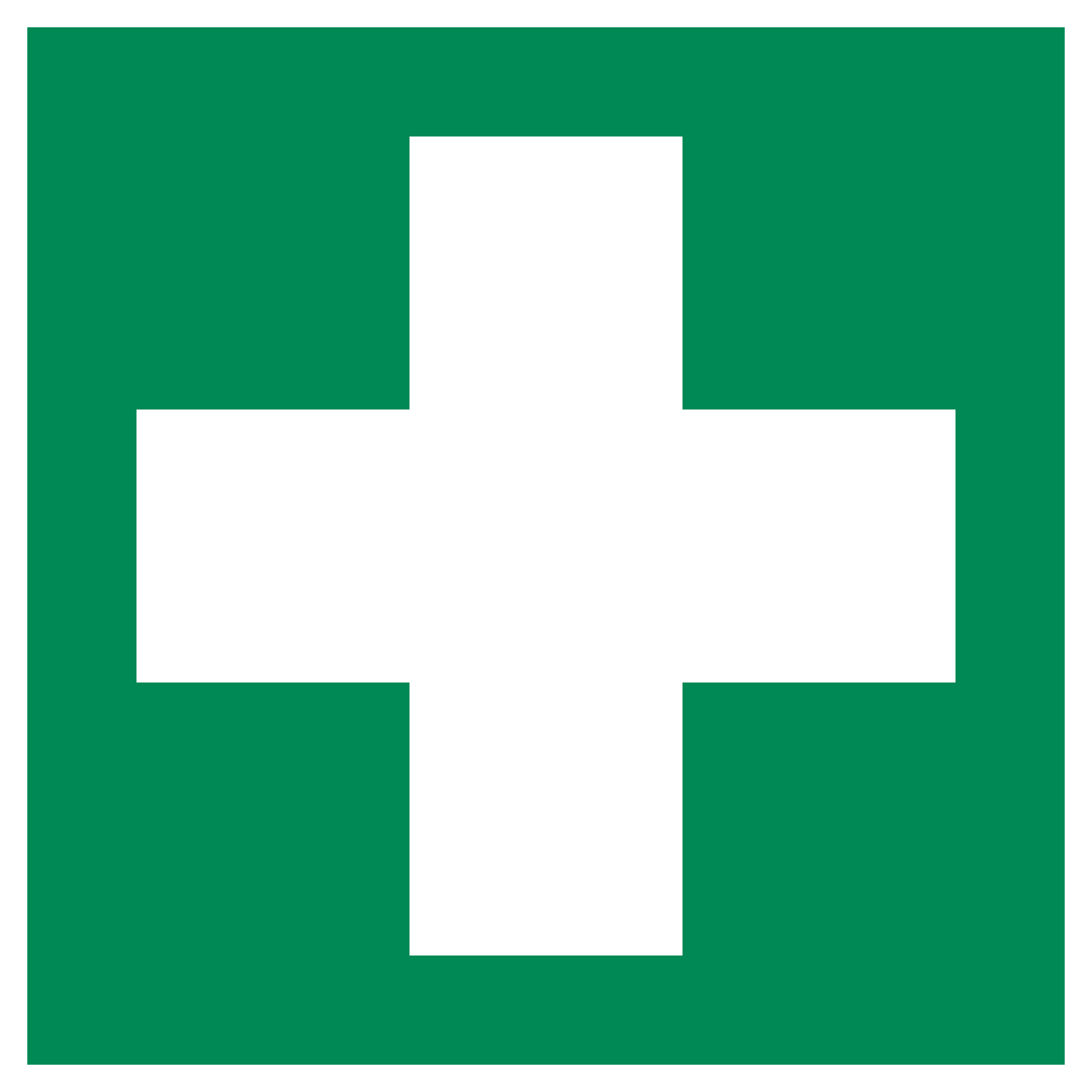
A first aid kit consists of a strong, durable bag or transparent plastic box. They are commonly identified with a white cross on a green background. A first aid kit does not have to be bought ready-made. The advantage of ready-made first aid kits are that they have well organized compartments and familiar layouts.
Contents
[edit]There is no universal agreement upon the list for the contents of a first aid kit. The UK Health and Safety Executive stress that the contents of workplace first aid kits will vary according to the nature of the work activities.[35] As an example of possible contents of a kit, British Standard BS 8599 First Aid Kits for the Workplace[36] lists the following items:
- Information leaflet
- Medium sterile dressings
- Large sterile dressings
- Bandages
- Triangular dressings
- Safety pins
- Adhesive dressings
- Sterile wet wipes
- Microporous tape
- Nitrile gloves
- Face shield
- Foil blanket
- Burn dressings
- Clothing shears
- Conforming bandages
- Finger dressing
- Antiseptic cream
- Scissors
- Tweezers
- Cotton
Training principles
[edit]
Basic principles, such as knowing the use of adhesive bandage or applying direct pressure on a bleed, are often acquired passively through life experiences. However, to provide effective, life-saving first aid interventions requires instruction and practical training. This is especially true where it relates to potentially fatal illnesses and injuries, such as those that require CPR; these procedures may be invasive, and carry a risk of further injury to the patient and the provider. As with any training, it is more useful if it occurs before an actual emergency. And, in many countries, calling emergency medical services allows listening basic first aid instructions over the phone while the ambulance is on the way.
Training is generally provided by attending a course, typically leading to certification. Due to regular changes in procedures and protocols, based on updated clinical knowledge, and to maintain skill, attendance at regular refresher courses or re-certification is often necessary. First aid training is often available through community organizations such as the Red Cross and St. John Ambulance, or through commercial providers, who will train people for a fee. This commercial training is most common for training of employees to perform first aid in their workplace. Many community organizations also provide a commercial service, which complements their community programmes.
1.Junior level certificate Basic Life Support
2.Senior level certificate
3.Special certificate
Types of first aid which require training
[edit]
There are several types of first aid (and first aider) that require specific additional training. These are usually undertaken to fulfill the demands of the work or activity undertaken.
- Aquatic/Marine first aid is usually practiced by professionals such as lifeguards, professional mariners or in diver rescue, and covers the specific problems which may be faced after water-based rescue or delayed MedEvac.
- Battlefield first aid takes into account the specific needs of treating wounded combatants and non-combatants during armed conflict.
- Conflict First Aid focuses on support for stability and recovery of personal, social, group or system well-being and to address circumstantial safety needs.
- Hyperbaric first aid may be practiced by underwater diving professionals, who need to treat conditions such as decompression sickness.
- Oxygen first aid is the providing of oxygen to casualties with conditions resulting in hypoxia. It is also a standard first aid procedure for underwater diving incidents where gas bubble formation in the tissues is possible.
- Wilderness first aid is the provision of first aid under conditions where the arrival of emergency responders or the evacuation of an injured person may be delayed due to constraints of terrain, weather, and available persons or equipment. It may be necessary to care for an injured person for several hours or days.
- Mental health first aid is taught independently of physical first aid. How to support someone experiencing a mental health problem or in a crisis situation. Also how to identify the first signs of someone developing mental ill health and guide people towards appropriate help.

First aid services
[edit]Some people undertake specific training in order to provide first aid at public or private events, during filming, or other places where people gather. They may be designated as a first aider, or use some other title. This role may be undertaken on a voluntary basis, with organisations such as the Red Cross society and St. John Ambulance,[37] or as paid employment with a medical contractor.
People performing a first aid role, whether in a professional or voluntary capacity, are often expected to have a high level of first aid training and are often uniformed.
Symbols
[edit]Although commonly associated with first aid, the symbol of a red cross is an official protective symbol of the Red Cross. According to the Geneva Conventions and other international laws, the use of this and similar symbols is reserved for official agencies of the International Red Cross and Red Crescent, and as a protective emblem for medical personnel and facilities in combat situations. Use by any other person or organization is illegal, and may lead to prosecution.
The internationally accepted symbol for first aid is the white cross on a green background shown below.
Some organizations may make use of the Star of Life, although this is usually reserved for use by ambulance services, or may use symbols such as the Maltese Cross, like the Order of Malta Ambulance Corps and St John Ambulance. Other symbols may also be used.
-

-

-
 Emblem of the Red Crystal
 -
 Emblem of the Red Crescent
 -
 Emblem of the Red Cross
 -
 ISO First Aid Symbol (Crescent variant)
 -

-



References
[edit]- ^ First aid manual: 9th edition. Dorling Kindersley. 2009. ISBN 978-1-4053-3537-9.
- ^ "Mental Health First Aid USA". Mental Health First Aid. 2013-10-10. Retrieved 2019-11-20.
- ^ Peterson, Sarah (2018-01-30). "About PFA". The National Child Traumatic Stress Network. Retrieved 2019-11-20.
- ^ a b c Pearn, John (1994). "The earliest days of first aid". The British Medical Journal. 309 (6970): 1718–1720. doi:10.1136/bmj.309.6970.1718. PMC 2542683. PMID 7820000.
- ^ Eastman, A Brent (1992). "Blood in Our Streets: The Status and Evolution of Trauma Care Systems". JAMA Surgery. 127 (6): 677–681. doi:10.1001/archsurg.1992.01420060043008. PMID 1596168.
- ^ Efstathis, Vlas (November 1999). "A history of first aid and its role in armed forces" (PDF). ADF Health. Archived (PDF) from the original on 2014-11-30.
- ^ a b "First Aid: From Witchdoctors & Religious Knights to Modern Doctors". Archived from the original on January 18, 2012. Retrieved March 23, 2011.
- ^ New Scientist, Vol. 193 No. 2586 (13–19 Jan 2007), p. 50
- ^ Price, John (2014). Everyday Heroism: Victorian Constructions of the Heroic Civilian. Bloomsbury: London. p. 203. ISBN 978-1-4411066-5-0.
{{cite book}}: CS1 maint: publisher location (link) - ^ Baker, David; Cazalaà, Jean-Bernard; Carli, Pierre (September 2005). "Resuscitation great. Larrey and Percy--a tale of two barons". Resuscitation. 66 (3): 259–262. doi:10.1016/j.resuscitation.2005.03.009. ISSN 0300-9572. PMID 15990216.
- ^ "Event first aid and ambulance support". British Red Cross. Archived from the original on 2014-09-08.
- ^ Fletcher NC, The St John Ambulance Association: its history and its past in the ambulance movement. London: St John Ambulance Association, 1929:12–3.
- ^ Industrial Revolution: St. John Ambulance Archived 2007-02-20 at the Wayback Machine, retrieved December 10, 2006.
- ^ "Jermyn Pennsylvania - History". jermynpa.com. Retrieved 2024-09-10.
- ^ "Heart attack-Heart attack - Symptoms & causes". Mayo Clinic. Retrieved 2025-05-07.
- ^ "What is a stroke?". Stroke Foundation - Australia. Retrieved 2025-05-07.
- ^ "Accidents and first aid". Archived from the original on 2008-05-03. Retrieved 2008-10-04.
- ^ Thim, Troels; Krarup, Niels Henrik Vinther; Grove, Erik Lerkevang; Rohde, Claus Valter; Løfgren, Bo (2012-01-31). "Initial assessment and treatment with the Airway, Breathing, Circulation, Disability, Exposure (ABCDE) approach". International Journal of General Medicine. 5: 117–121. doi:10.2147/IJGM.S28478. PMC 3273374. PMID 22319249.
- ^ a b Schmidt, Oliver I.; Gahr, Ralf H.; Gosse, Andreas; Heyde, Christoph E. (2009-03-03). "ATLS(R) and damage control in spine trauma". World Journal of Emergency Surgery. 4: 9. doi:10.1186/1749-7922-4-9. ISSN 1749-7922. PMC 2660300. PMID 19257904.
- ^ a b Hodgetts, T. J.; Mahoney, P. F.; Russell, M. Q.; Byers, M. (October 2006). "ABC to ABC: redefining the military trauma paradigm". Emergency Medicine Journal. 23 (10): 745–746. doi:10.1136/emj.2006.039610. ISSN 1472-0213. PMC 2579588. PMID 16988297.
- ^ NotSan. "xABCDE untersuchung Rettungsdienst". notsan.info (in German). Archived from the original on November 20, 2024.
- ^ Certain, Lucas; Rostirola, João Vitor Cerávolo; Pereira, Juliana Silva; Rostirola, Gabriela Cerávolo; Estevam, Barbara Canto; Vieira, Carla Caroline Aguiar; da Silva, Israel; da Silva, Jussara Aparecida Rodrigues; Schevenin, Juliana de Cássia; de Oliveira, Ana Barbara Regiani; Franceli, Amanda Bonamichi; Lisboa, Camila Emanuele Camargo; Benites, Bruno Deltreggia (2023-07-01). "First immediate transfusion at a prehospital environment in Latin America: A case report". Hematology, Transfusion and Cell Therapy. Diversity in Classical Hematology Research. 45 (Suppl 2): S153 – S156. doi:10.1016/j.htct.2021.08.007. ISSN 2531-1379. PMC 10433293. PMID 34862155.
- ^ American Heart Association (AHA) (2015). "Highlights of the Guidelines for CPR and ECC" (PDF). Archived from the original (PDF) on February 3, 2019. Retrieved 2024-12-01.
- ^ Field, John M.; Hazinski, Mary Fran; Sayre, Michael R.; Chameides, Leon; Schexnayder, Stephen M.; Hemphill, Robin; Samson, Ricardo A.; Kattwinkel, John; Berg, Robert A.; Bhanji, Farhan; Cave, Diana M.; Jauch, Edward C.; Kudenchuk, Peter J.; Neumar, Robert W.; Peberdy, Mary Ann (2010-11-02). "Part 1: Executive Summary: 2010 American Heart Association Guidelines for Cardiopulmonary Resuscitation and Emergency Cardiovascular Care". Circulation. 122 (18 Suppl 3): S640-56. doi:10.1161/CIRCULATIONAHA.110.970889. ISSN 0009-7322. PMID 20956217.
- ^ Croix-Rouge francaise. "Les 4 étapes pour porter secours" (in French). Archived from the original on May 22, 2023. Retrieved 2024-10-30.
- ^ Furst, J., What does AMEGA stand for in first aid?, updated 12 July 2019, accessed 24 January 2022
- ^ American Red Cross. "Check, Call, Care: 3 Emergency Actions Steps to Take to Save Lives". Archived from the original on November 11, 2024.
- ^ safe-point.cz. "SAFE-Point: 6 steps to save life" (in Czech).
- ^ a b American Red Cross (2016). CPR/AED for Professional Rescuers (2nd ed.).
- ^ Community Emergency Response Team of L.A. (2024-10-31). "Lifts and carries". CERTLA.
- ^ Eisenburger, Philip; Safar, Peter (1999). "Life supporting first aid training of the public—review and recommendations". Resuscitation. 41 (1): 3–18. doi:10.1016/S0300-9572(99)00034-9. PMID 10459587.
- ^ "Guidelines and Guidance: The ABCDE approach". Resuscitation Council (UK). Archived from the original on 12 August 2005. Retrieved 2 May 2019.
- ^ "Choking - infant under 1 year: MedlinePlus Medical Encyclopedia". medlineplus.gov.
- ^ Nessel, Edward H. (2012). "Treating Sudden Cardiac Arrest and the Use of Automated External Defibrillators in the Community Setting". AAMA Journal. 25: 9.
- ^ First aid at work: The Health and Safety (First-Aid) Regulations 1981. Guidance on Regulations L74
- ^ BS 8599-1:2011 BSI 2011
- ^ "Role of a First Aider - First Aid - St John Ambulance". www.sja.org.uk. Retrieved 2019-11-20.
External links
[edit]


- First Aid Guide at the Mayo Clinic
- First aid from the British Red Cross – including first aid tips and first aid training information
- First aid from St John Ambulance – first aid information and advice


| International standards bodies |  | |
|---|---|---|
| National societies | ||
| Sub-national societies | ||
| Topics | ||
| Awards | ||
| Life-saving appliances | ||


| International | |
|---|---|
| National | |
| Other | |

First aid
View on GrokipediaOverview
Definition and Scope
First aid refers to the immediate and temporary care provided to individuals experiencing sudden illness or injury, with the primary goals of preserving life, preventing the condition from worsening, and promoting recovery until professional medical assistance arrives.[10] This initial assistance is typically administered by bystanders, trained laypersons, or those with basic certification, rather than healthcare professionals.[10] It encompasses simple interventions such as applying pressure to bleeding wounds or performing cardiopulmonary resuscitation (CPR), focusing on stabilization rather than definitive treatment.[1] The scope of first aid is deliberately limited to actions that fall within the first responder's level of training and available resources, excluding invasive or advanced procedures such as surgery, suturing, or the administration of prescription medications, unless specifically authorized for certain emergencies like the use of epinephrine auto-injectors for anaphylaxis by trained individuals.[11] It addresses a range of acute conditions, from minor injuries like cuts and sprains to life-threatening situations such as choking or cardiac arrest, but emphasizes non-professional, on-scene responses that do not require specialized equipment beyond basic kits.[1] Regulatory frameworks, including those from occupational safety standards, further delineate first aid as emergency care preceding formal medical intervention, ensuring it remains accessible yet bounded to avoid overstepping into medical treatment.[11] First aid serves as a critical bridge to emergency medical services (EMS), providing essential support in the vital initial minutes or hours after an incident but not as a replacement for the advanced diagnostics, interventions, and transport offered by paramedics or physicians.[11] Unlike EMS, which involves licensed professionals equipped for complex procedures like intravenous therapy or defibrillation beyond basic levels, first aid prioritizes rapid, untrained or minimally trained actions to maintain vital functions until experts arrive.[1] The term "first aid" originated in military contexts during the 19th century, with its earliest documented use appearing in 1867 in an Army Medical Department report, reflecting the need for prompt battlefield assistance.[12]Importance and Aims
First aid plays a pivotal role in bridging the critical gap between injury or illness onset and professional medical intervention, significantly enhancing survival and recovery outcomes in emergencies. According to the American Heart Association, immediate bystander cardiopulmonary resuscitation (CPR) can double or triple a person's chances of survival following an out-of-hospital cardiac arrest, where overall survival to hospital discharge stands at approximately 9.1% for emergency medical services-treated cases.[13] The 2025 International Liaison Committee on Resuscitation (ILCOR) consensus underscores first aid's foundational position in the chain of survival, emphasizing that layperson-initiated CPR improves patient outcomes in out-of-hospital scenarios with minimal risk of harm, as unintentional injuries occur in only 0.7% of non-cardiac arrest cases.[14] The primary aims of first aid, as outlined in frameworks from the American Red Cross and the World Health Organization (WHO), revolve around three core objectives: preserving life, preventing further deterioration of the condition, and promoting recovery. Preserving life involves immediate actions to sustain vital functions, such as ensuring airway patency and circulation during cardiac events.[8] Preventing deterioration focuses on stabilizing the individual to avoid complications, like controlling bleeding or cooling in heat-related emergencies, thereby minimizing long-term disability.[15] Promoting recovery entails supportive measures that facilitate healing until advanced care arrives, such as positioning for unconscious patients or basic wound care, which align with WHO's emphasis on time-sensitive interventions to optimize outcomes across the care continuum.[15] Beyond individual benefits, first aid has broader societal impacts by alleviating the strain on healthcare systems and empowering communities to address response time gaps. By enabling lay responders to manage minor to severe emergencies effectively, first aid reduces unnecessary emergency department visits and hospitalizations, potentially lowering overall healthcare costs through early stabilization.[15] It fosters community resilience, particularly in underserved areas where professional services may be delayed, with training initiatives increasing bystander intervention rates—currently at 40.2% for out-of-hospital cardiac arrests—and building collective capacity for proactive emergency management.[13]History
Early Developments
The earliest documented practices of first aid trace back to ancient Egypt around 1600 BCE, as recorded in the Edwin Smith Papyrus, one of the oldest known medical texts. This treatise describes systematic approaches to treating injuries, including the use of wound dressings made from linen soaked in honey and grease mixtures for their antiseptic properties, as well as splinting techniques for broken bones using wooden supports padded with soft materials. These methods emphasized observation, examination, and prognosis, marking an early shift from purely magical to empirical care, though incantations were still sometimes included alongside practical interventions.[16][17] In ancient Greece and Rome, first aid evolved with greater focus on immediate wound management. Hippocrates (c. 460–370 BCE), often regarded as the father of medicine, advocated for the use of tourniquets—achieved through tight compression bandages—to control bleeding from arterial wounds, and recommended cleansing injuries with vinegar or wine for their antimicrobial effects before applying dressings. Roman contributions included the establishment of valetudinaria, organized military aid stations within legionary camps, where medici (army surgeons) provided on-site treatment for soldiers' injuries, such as bandaging lacerations and immobilizing fractures, reflecting a structured approach to emergency care in field conditions.[18][19][20] During the medieval period, advancements in first aid were prominent in the Islamic Golden Age and Europe. Avicenna (Ibn Sina, 980–1037 CE) detailed bandaging techniques in his Canon of Medicine, including layered linen wraps for wounds and splints reinforced with starch or plaster for limb stability, which influenced medical practice across Eurasia. In Europe, barber-surgeons emerged as key providers of basic care from the 12th century onward, performing tasks like bloodletting, suture application, and simple dressings for everyday injuries, often in guild-regulated settings that blended grooming with rudimentary surgery.[21][17] Prior to the 19th century, first aid remained limited by its heavy reliance on folklore, herbal remedies like willow bark for pain or plantain leaves for poultices, and a lack of standardized training, leading to inconsistent outcomes and high risks of infection without germ theory knowledge. These practices were transmitted orally or through apprenticeships, varying widely by region and often prioritizing humoral balance over evidence-based intervention.[22][23]Role in Warfare
The role of first aid in warfare has been pivotal in advancing medical practices under extreme conditions, where rapid intervention often determined survival rates on chaotic battlefields. One of the earliest documented innovations was the use of tourniquets to control severe bleeding, dating back to ancient civilizations; for instance, the Roman military employed them during amputations to stem hemorrhage, a practice that laid foundational principles for hemorrhage control in combat settings. This rudimentary technique evolved through centuries but remained inconsistent until more systematic approaches emerged in modern conflicts. During the Napoleonic Wars (1803–1815), French surgeon Dominique Jean Larrey revolutionized battlefield care by introducing "flying ambulances"—light, horse-drawn wagons designed for swift evacuation of the wounded from the front lines to surgical units.[24] Larrey's system emphasized immediate triage, prioritizing patients based on injury severity to maximize survival, and marked a shift from leaving casualties behind to organized, mobile medical response, influencing military medicine for generations.[25] During the Franco-Prussian War (1870–1871), Prussian surgeon Friedrich von Esmarch advanced first aid by developing standardized training programs for soldiers in self-aid and buddy-aid, along with the first organized first aid kit featuring the triangular Esmarch bandage for hemorrhage control and immobilization.[3] In the American Civil War (1861–1865), civilian volunteer Clara Barton played a crucial role by organizing the delivery of essential supplies like bandages, food, and medical kits directly to Union soldiers on the battlefield, often under fire.[26] Her efforts exposed the need for a permanent humanitarian organization, leading her to found the American Red Cross in 1881, which formalized aid distribution in future conflicts.[27] The World Wars further accelerated first aid innovations amid unprecedented casualties. In World War I (1914–1918), triage systems were formalized, with the French method—sorting wounded by urgency—adopted by Allied forces to efficiently allocate limited resources at aid stations.[28] Blood transfusions advanced dramatically, using sodium citrate to prevent clotting, enabling direct donor-to-patient transfers on the front lines.[29] By World War II (1939–1945), dried plasma became a staple for treating shock from blood loss, storable in kits for immediate use without refrigeration, while penicillin's mass production combated infections in wounds, dramatically reducing mortality from wound infections such as gas gangrene.[30][31] These wartime pressures also drove the evolution of standardized combat first aid kits in the 20th century; U.S. Army kits from World War I included bandages and splints in individual pouches, expanding in World War II to incorporate sulfa powder for infection prevention and tourniquets for limb injuries, setting precedents for self-aid in modern tactical medicine.[32]Modern Formalization
The modern formalization of first aid as a structured discipline emerged in the 19th century, driven by the establishment of international organizations and training programs in response to wartime needs. In 1863, the International Committee of the Red Cross was formed in Geneva, inspiring the creation of the first national Red Cross society in Prussia (present-day Germany), which emphasized training volunteer first-aid workers to care for the wounded and sick during conflicts.[33] This initiative marked the beginning of organized, non-military medical relief efforts, extending support to soldiers' families and promoting peacetime preparedness. Complementing these developments, the Geneva Convention of 1864, the first international treaty on humanitarian law, mandated the provision of medical aid to wounded and sick combatants regardless of nationality, establishing neutrality for medical personnel, units, and transports.[34] Subsequent revisions to the Geneva Conventions in the 20th century, particularly the 1949 protocols, reinforced these principles by expanding protections to civilians and requiring signatory states to train populations in basic medical aid.[35] In Britain, the St John Ambulance Association was founded in 1877 specifically to deliver first-aid training to laypeople, establishing centers that equipped over 1,100 individuals with essential skills in its first year and laying the groundwork for widespread public education programs.[36] The 20th century saw further institutionalization through specialized bodies focused on standardization and evidence-based practices. The American Heart Association (AHA) was established in 1924 by six cardiologists in Chicago to advance research and education on cardiovascular diseases, eventually leading to the development of standardized cardiopulmonary resuscitation (CPR) protocols in the 1960s that became global benchmarks for emergency response.[37] Building on such efforts, the International Liaison Committee on Resuscitation (ILCOR) was founded in 1992 as a collaborative forum for major resuscitation councils worldwide, including the AHA and the European Resuscitation Council (ERC), to produce international consensus statements on CPR and first aid based on systematic reviews of scientific evidence.[38] ILCOR's work has harmonized guidelines across borders, ensuring consistent training and protocols that prioritize high-quality chest compressions and early defibrillation. In the 21st century, updates to first-aid standards have incorporated technological advancements to enhance bystander intervention. The 2025 AHA and ERC guidelines, informed by ILCOR's consensus, recommend the use of mobile technology alerts—such as smartphone apps that notify nearby lay rescuers of cardiac arrests—to boost bystander CPR rates, with evidence showing consistent improvements when alerts are accepted.[39] These guidelines also stress proficiency in tools like pulse oximeters for lay providers while cautioning against over-reliance on devices over physical assessments.[40] On a global scale, the World Health Organization (WHO) has played a pivotal role in adapting first aid for low-resource settings, developing the Basic Emergency Care (BEC) training course in 2018 for first-contact providers managing acute illnesses and injuries with limited equipment, which emphasizes systematic assessments for conditions like shock and breathing difficulties.[41] During the COVID-19 pandemic, WHO and affiliated guidelines adapted protocols to minimize infection risks, such as recommending compression-only CPR for suspected cases.[42] These adaptations also included integrating psychological first aid to address crisis-related distress in resource-constrained environments.[43]Assessment and Priorities
Initial Scene Assessment
The initial scene assessment in first aid begins with ensuring the safety of the rescuer and bystanders before approaching the victim, as this foundational step prevents additional harm in potentially hazardous environments. Rescuers must evaluate the scene for dangers such as traffic, fire, electrical hazards, violence, or unstable structures, and take immediate actions to mitigate risks, including using personal protective equipment (PPE) like gloves to avoid exposure to bloodborne pathogens. This assessment also involves forming a quick initial impression of the situation, such as the number of victims or obvious life-threatening conditions, and obtaining consent from conscious individuals before providing care. According to the American Red Cross guidelines, rescuers should not enter unsafe scenes and may need to wait for professional emergency services if hazards cannot be controlled.[44][9] Once the scene is deemed safe, the next step is to evaluate the victim's responsiveness using the "shout-tap-shout" method, where the rescuer shouts to alert the person, taps their shoulder firmly (while supporting the head and neck if a spinal injury is suspected), and shouts again to check for any response. This check should be limited to no more than 10 seconds to avoid delaying care, during which the rescuer also scans for normal breathing, severe bleeding, or other immediate threats like choking. If the victim responds, further assessment can proceed; if not, the focus shifts to activating help. The American Heart Association and American Red Cross emphasize this rapid responsiveness check as a critical precursor to life-saving interventions.[44][9] Activation of emergency medical services (EMS) is essential immediately upon identifying unresponsiveness or life-threatening conditions, typically by calling 911 (or the local equivalent) and providing clear details about the location, victim's condition, and any hazards. If bystanders are present, rescuers should delegate this task explicitly—such as pointing to a specific person and instructing them to "call 911 and tell them there's an unresponsive person here"—to ensure prompt response without diverting attention from the victim. This delegation aligns with Red Cross protocols, which stress clear communication to mobilize bystanders effectively.[44][9] Bystanders play a vital role in the initial assessment by assisting with delegated tasks, such as retrieving an automated external defibrillator (AED) from nearby locations, providing information about the incident, or helping control the scene (e.g., directing traffic). The American Red Cross recommends involving bystanders to gather details like allergies or medications if the victim cannot communicate, while ensuring they do not interfere with direct care. The entire initial scene assessment is designed to be swift, typically completed in 10 to 30 seconds, to minimize delays in subsequent life-support measures.[44][9]Primary Survey Protocols
The primary survey in first aid involves a rapid, systematic assessment to identify and address immediate life-threatening conditions, typically completed within the first minute of approaching an unresponsive or injured person. This protocol prioritizes threats to vital functions, ensuring interventions like opening the airway or controlling bleeding occur before detailed history-taking.[45] The traditional ABC protocol structures the initial evaluation around three core elements: Airway, Breathing, and Circulation. For Airway, rescuers assess patency by looking for obstructions, such as foreign bodies or anatomical issues, and open it using a head-tilt/chin-lift maneuver if no spinal injury is suspected, or jaw thrust otherwise.[46] Breathing follows, where rescuers look, listen, and feel for normal respirations for no more than 10 seconds; absent or inadequate breathing prompts rescue breaths if trained. Circulation involves checking for a carotid pulse for up to 10 seconds and inspecting for severe bleeding, applying direct pressure or tourniquets as needed to maintain perfusion. This sequence, rooted in early resuscitation guidelines, emphasizes sequential stabilization to prevent hypoxia and shock.[47] In cases of suspected cardiac arrest, the American Heart Association's 2025 guidelines recommend the CAB sequence over ABC to prioritize circulation: begin with chest compressions at a rate of 100-120 per minute and depth of 5-6 cm, followed by airway management and breathing support only after 30 compressions. This shift, updated from prior versions, aims to minimize interruptions in chest compressions, as evidence shows that delays in initiating compressions are associated with worse outcomes in out-of-hospital arrests; rescuers perform 2 rescue breaths after the first compression cycle if ventilation is feasible.[48] Many protocols extend ABC or CAB to the ABCDE framework, incorporating Disability and Exposure for a more comprehensive check. Disability assesses neurological status using the AVPU scale—Alert (responsive to voice/environment), Verbal (responds to spoken commands), Pain (reacts to painful stimuli like nail-bed pressure), or Unresponsive (no response)—to detect issues like hypoglycemia or stroke quickly, with any score below Alert warranting urgent escalation. Exposure involves briefly removing clothing to inspect for hidden injuries or bleeding while preventing hypothermia through covering with blankets, as prolonged exposure can drop core temperature by 1-2°C per hour in cool environments. This extension, advocated in advanced first aid training, ensures holistic threat identification without delaying core ABCDE steps.[49][46] Decision trees guide actions based on survey findings: if the person is unresponsive with no normal breathing or pulse, initiate CPR immediately per CAB and activate emergency services, integrating an automated external defibrillator (AED) if available by following its voice prompts for rhythm analysis and shock delivery after 2 minutes of CPR. Conversely, if breathing is present but the person remains unresponsive without trauma, place them in the recovery position—on their side with the head tilted back—to maintain airway patency and reduce aspiration risk, while monitoring for changes. These branches prioritize reversible causes of arrest, such as ventricular fibrillation detectable by AED, over non-arrest scenarios.[50][51]Secondary Survey and Ongoing Care
The secondary survey follows the primary survey, once immediate life threats to airway, breathing, and circulation have been addressed and the patient is stable enough for further evaluation. This phase involves a systematic approach to identify non-life-threatening injuries or conditions that may have been overlooked initially, including gathering a detailed patient history and conducting a physical examination. It is essential in first aid settings to ensure comprehensive care until professional medical help arrives.[52] A key component of the secondary survey is obtaining a focused history using the SAMPLE mnemonic, which helps first aid providers quickly collect critical information to inform ongoing care and potential interventions. SAMPLE stands for Signs/Symptoms (current complaints, such as pain or shortness of breath), Allergies (to medications, foods, or environmental factors), Medications (current prescriptions or over-the-counter drugs that might affect treatment), Past medical history/Pertinent history (relevant chronic conditions or pregnancies), Last oral intake (recent food, drink, or elimination to assess risks like aspiration), and Events leading up to the incident (sequence of what occurred to understand the mechanism of injury or illness). This history is gathered through direct questioning of the conscious patient or bystanders, prioritizing brevity while ensuring all elements are covered to avoid contraindications in care.[53][54][55] The physical examination during the secondary survey is a methodical head-to-toe assessment to detect hidden injuries without unnecessarily exposing or moving the patient, which could exacerbate conditions like spinal trauma. It begins with the head and neck (checking for lacerations, deformities, or tenderness while maintaining cervical spine immobilization if indicated), proceeds to the chest and abdomen (palpating for crepitus, guarding, or distension), evaluates the pelvis, back, and extremities (assessing for fractures, swelling, or neurovascular compromise via pulse, sensation, and movement checks), and concludes with a general inspection of the skin for pallor, bruising, or rashes. Consent should be obtained from the patient when possible, and the exam is performed gently to minimize discomfort, often without removing clothing unless vital signs or injuries necessitate it.[52][53][55] Ongoing monitoring is crucial throughout the secondary survey and until emergency medical services (EMS) arrive, involving frequent reassessment of the patient's airway, breathing, circulation (ABCs), level of consciousness, vital signs (such as pulse, respiration rate, and skin condition), and overall responsiveness to detect any deterioration. If signs of shock are present—such as pale, cool skin or rapid breathing—the patient should be kept warm with blankets, positioned comfortably (typically lying down with legs elevated if no spinal injury is suspected), and reassured to remain calm, as these measures help preserve circulation and prevent progression. Reassessments occur continuously or at regular intervals based on the patient's stability, ensuring prompt response to changes.[56][44][57] When EMS arrives, the first aid provider should deliver a concise verbal handover report summarizing key findings from the SAMPLE history, physical exam results, vital signs trends, interventions performed (such as positioning or bleeding control), and any observed changes in the patient's condition to facilitate seamless continuity of care. This structured communication minimizes errors and supports the EMS team's prioritization of transport and treatment.[58][59]Medical Emergencies
Cardiovascular Conditions
Cardiovascular conditions represent a leading cause of sudden emergencies requiring first aid intervention, primarily involving disruptions in heart function or blood flow that can lead to life-threatening situations. In first aid contexts, prompt recognition of symptoms and activation of emergency medical services (EMS) are critical, as these conditions often progress rapidly without professional care. Common emergencies include cardiac arrest, myocardial infarction (heart attack), and aortic dissection, each demanding specific immediate responses to stabilize the individual until advanced help arrives.[60] Cardiac arrest occurs when the heart suddenly stops beating effectively, resulting in unresponsiveness, absence of normal breathing, and no detectable pulse. First aid responders must immediately check for responsiveness by tapping the person and shouting; if none is present, confirm no breathing or pulse within 10 seconds, then call EMS and begin high-quality chest compressions at a rate of 100-120 per minute to restore circulation. An automated external defibrillator (AED) should be used as soon as available to analyze rhythm and deliver a shock if indicated, significantly improving survival odds. These steps align with the 2025 American Heart Association (AHA) guidelines, which emphasize minimizing interruptions in compressions for optimal outcomes.[61][62] A heart attack, or myocardial infarction, involves blocked blood flow to the heart muscle, often presenting with severe chest pain or discomfort radiating to the arms, jaw, or back, accompanied by shortness of breath, nausea, or sweating. In first aid, position the person in a comfortable seated or semi-reclined posture to ease breathing, loosen tight clothing, and reassure them while activating EMS without delay. If the individual is trained, not allergic, and able to swallow, administer 162-325 mg of chewable aspirin to help prevent further clotting, as recommended by AHA protocols. Unlike cardiac arrest, consciousness is typically maintained initially, allowing for these supportive measures.[63] Aortic dissection is a rare but critical tear in the aorta's inner layer, causing sudden, severe tearing pain in the chest or upper back that may migrate. First aid focuses on immobilizing the person to avoid exacerbating the tear—keep them still in their current position and do not allow movement—while immediately calling EMS for urgent surgical evaluation. This condition mimics other cardiovascular events but requires minimal intervention beyond stabilization due to its fragility.[64][65] While risk factors such as advancing age and smoking contribute to these emergencies by promoting atherosclerosis and vessel stress, first aid prioritizes rapid response over prevention strategies. For instance, individuals over 65 and smokers face heightened vulnerability to cardiac arrest and heart attacks, underscoring the need for bystander preparedness in high-risk populations.[66]Respiratory and Airway Issues
Respiratory and airway issues in first aid involve recognizing and addressing obstructions or impairments that prevent adequate oxygenation, which can lead to rapid deterioration if not managed promptly. These emergencies often manifest as sudden difficulty breathing, cyanosis, or altered consciousness, requiring immediate intervention to clear the airway or support ventilation as part of the primary survey's ABC (Airway, Breathing, Circulation) assessment. First aiders must prioritize scene safety and call for professional help while applying targeted techniques to restore airflow.[67] Choking occurs when a foreign object blocks the airway, typically in the throat or windpipe, and is recognized by the universal signal of clutching the throat with one or both hands, along with inability to cough, speak, or breathe effectively. For conscious adult victims, the recommended first aid includes delivering up to five back blows followed by up to five abdominal thrusts (Heimlich maneuver) to dislodge the obstruction, repeating cycles until the object is expelled or the victim becomes unresponsive. These steps align with the European Resuscitation Council (ERC) 2025 guidelines, which emphasize avoiding blind finger sweeps to prevent pushing the object deeper. If the victim loses consciousness, first aiders should lower them to the ground and begin CPR without head tilt if an obstruction persists.00264-3/fulltext)[68][69] Drowning, whether in water or another liquid, results from submersion leading to asphyxia, and first aid begins with safely removing the victim from the hazard without endangering the rescuer, followed by checking the ABCs. Victims may appear breathless, confused, or unresponsive due to water aspiration; if not breathing normally, initiate CPR with an emphasis on initial rescue breaths (up to five before compressions) to address potential hypoxia from lung fluid. The American Heart Association's 2024 update stresses that conventional CPR with ventilations improves outcomes in drowning compared to compressions-only, particularly in children and those with witnessed submersion. Continue efforts until professional help arrives or the victim revives, avoiding unnecessary spinal immobilization unless trauma is suspected.[70][71][72] Anaphylaxis is a severe allergic reaction causing airway compromise through swelling (angioedema) of the tongue, throat, or face, often accompanied by wheezing, hives, and hypotension. First aid focuses on administering intramuscular epinephrine via auto-injector (e.g., EpiPen) into the outer thigh if available, as it rapidly reverses symptoms by constricting blood vessels and relaxing airways. Position the victim lying flat with legs elevated if breathing is stable, or semi-upright if respiratory distress predominates, and call emergency services immediately, as a second dose may be needed after 5-15 minutes. Guidelines from the Resuscitation Council UK highlight that delays in epinephrine administration increase mortality risk.[6][73] Hyperventilation syndrome arises from anxiety or panic, leading to excessive breathing that expels too much carbon dioxide, causing dizziness, tingling, and chest tightness. First aid involves reassuring the person in a calm, quiet environment to reduce panic, then coaching slow, controlled breathing techniques such as pursed-lip exhalation or diaphragmatic breathing to restore normal CO2 levels. Avoid outdated methods like paper bag rebreathing, as they can worsen hypoxia if misdiagnosed; instead, encourage 6-12 breaths per minute until symptoms subside. The Cleveland Clinic notes that most episodes resolve within 20-30 minutes with supportive care, but seek medical evaluation to rule out underlying causes like asthma.[74][75][76]Metabolic and Neurological Disorders
Metabolic and neurological disorders encompass acute conditions such as blood sugar imbalances in diabetes and sudden brain events like strokes or seizures, which require prompt first aid to prevent complications or death. In first aid scenarios, the focus is on rapid recognition of symptoms, stabilizing the person, and activating emergency services when necessary, as these disorders can impair consciousness, breathing, or motor function. First responders should integrate these responses with basic protocols like ensuring scene safety and checking for responsiveness, while avoiding actions that could exacerbate the condition, such as forcing fluids or restraining the individual. Hypoglycemia, or low blood sugar, often affects people with diabetes and presents with signs including confusion, sweating, shakiness, weakness, irritability, dizziness, and a rapid heartbeat.[77][78] If the person is conscious and able to swallow, administer 15-20 grams of fast-acting carbohydrates, such as 4 ounces of fruit juice, regular soda, glucose tablets, or a tablespoon of sugar or honey, then recheck blood sugar after 15 minutes and repeat if below 70 mg/dL.[78][79] Follow with a snack containing protein and complex carbohydrates, like crackers and cheese, to sustain levels.[78] If the person is unconscious or unable to swallow, and the responder is trained, administer glucagon via injection as prescribed; otherwise, position them in the recovery position and call 911 immediately, as severe hypoglycemia can lead to seizures or coma.[77][78] Contact medical professionals after glucagon use, even if recovery occurs.[78] Hyperglycemia, or high blood sugar, typically develops more slowly but can progress to life-threatening diabetic ketoacidosis (DKA), signaled by excessive thirst, frequent urination, fatigue, blurred vision, and fruity-scented breath, along with rapid or deep breathing and confusion in severe cases.[77][80] Encourage the conscious person to drink water or other non-sugary fluids to prevent dehydration, but do not provide sugar, as it may worsen the condition.[77] Call 911 urgently if symptoms include trouble breathing, unresponsiveness, seizures, or positive urine ketones with blood sugar above 240 mg/dL, as DKA requires immediate hospital intervention with intravenous fluids, electrolytes, and insulin.[77][80] Monitor vital signs and keep the person comfortable while awaiting help. Stroke, a sudden interruption of blood flow to the brain, manifests through the FAST assessment: Face drooping (ask the person to smile; one side may droop), Arm weakness (raise both arms; one may drift downward), Speech difficulty (slurred or strange speech when repeating a phrase), and Time to call 911 if any sign appears.[81][82] Additional symptoms may include sudden numbness, severe headache, vision loss, or trouble walking.[82] Upon recognition, immediately dial 911 for an ambulance rather than driving, and note the exact time symptoms began to inform treatment decisions, as rapid intervention can minimize brain damage.[81][82] If the person is conscious and breathing normally, position them semi-upright to reduce pressure, but prioritize professional transport.[81] Seizures, uncontrolled electrical disturbances in the brain, often involve convulsions, loss of awareness, or staring spells, lasting typically 1-3 minutes.[83] To protect the person, stay calm, time the seizure, and clear the area of hazards like furniture or traffic without restraining them or placing objects in their mouth.[83][84] If safe, ease them to the ground, cushion their head with something soft, loosen tight clothing, and gently turn them onto their side (recovery position) once convulsions stop to maintain an open airway.[85][84] Do not attempt to stop the movements.[83] Call 911 if the seizure lasts longer than 5 minutes, repeats without recovery, causes injury, occurs in water, or if it's the person's first seizure, they are pregnant, diabetic, or have breathing difficulties afterward.[83][84] In the post-ictal phase, when the person may be confused or exhausted, stay with them until fully alert, reassure them, help them sit in a safe position, and monitor for breathing issues; offer comfort and assist with contacting a caregiver if needed.[85][84]Injury and Trauma Emergencies
Bleeding and Wound Management
Bleeding, whether external or internal, represents a critical first aid priority due to the risk of significant blood loss leading to shock or death if not addressed promptly. External bleeding often results from trauma and requires immediate intervention to minimize blood volume loss, while internal bleeding may be less visible but equally dangerous, necessitating recognition of subtle signs and supportive care until professional help arrives. Effective management focuses on controlling hemorrhage through established techniques, tailored to the wound type and severity, as outlined in current guidelines from organizations like the American Red Cross and American Heart Association.[86][9] For external bleeding, the primary method of control is applying direct pressure to the wound using a clean cloth or sterile dressing to promote clotting and staunch the flow. For minor bleeding, if direct pressure is insufficient, elevating the injured limb above the level of the heart can reduce blood flow to the area, provided no underlying fractures are suspected. In cases of life-threatening external bleeding where direct pressure fails, apply a tourniquet as a last resort; it should be applied 2 to 3 inches above the wound, tightened until bleeding stops, and the time of application noted clearly to inform medical personnel, per 2025 guidelines emphasizing its role in preventing exsanguination while minimizing tissue damage.[86][9][87][40] Wounds vary in type and require specific first aid approaches to prevent complications like infection or further tissue damage. Abrasions, which involve superficial scraping of the skin's outer layer, typically cause minimal bleeding but expose tissue to contaminants; first aid involves gentle cleaning with soap and water, followed by dressing to protect the area and promote healing. Lacerations, deeper cuts that may gape or tear the skin, demand immediate bleeding control through direct pressure before cleaning or closing to avoid excessive blood loss. Puncture wounds, caused by sharp objects penetrating the skin, often bleed little but carry a high infection risk due to embedded debris; management includes monitoring for signs of infection such as redness or swelling, avoiding deep probing, and seeking medical evaluation promptly. For bleeding from a tongue bite, after initial direct pressure to control the hemorrhage, applying a cold compress helps constrict blood vessels to reduce further bleeding and swelling.[86][88][89][90] Internal bleeding occurs when blood vessels rupture beneath the skin or within body cavities, often from blunt trauma, and its signs include visible bruising on the abdomen, chest, or skull, as well as symptoms of shock such as rapid breathing or confusion. Other indicators may involve coughing, vomiting, or urinating blood, or a tender, swollen area over the injury site. First aid for suspected internal bleeding prioritizes keeping the person still to avoid exacerbating the hemorrhage, monitoring vital signs, and activating emergency services without attempting to treat the source directly.[91][92] Hemorrhagic shock, a severe complication of uncontrolled bleeding, manifests as pale or clammy skin, a rapid and weak pulse, confusion, and profound weakness due to inadequate blood volume reaching vital organs. In first aid, if spinal injury is not suspected, elevating the legs about 12 inches can help redirect blood flow to the core; the person should be kept warm, reassured, and monitored closely while awaiting advanced care to stabilize circulation. This aligns with primary survey protocols where circulation is assessed early to identify such risks.[57][93][94]Musculoskeletal Injuries
Musculoskeletal injuries encompass damage to bones, joints, muscles, and associated tissues, often resulting from trauma such as falls, impacts, or twisting forces. In first aid, the primary goals are to recognize the injury, prevent further damage, manage pain and swelling, and facilitate professional medical evaluation, as these injuries can lead to complications like compartment syndrome or chronic instability if mishandled.[95] Common types include fractures, sprains, strains, dislocations, and amputations, each requiring specific supportive measures while awaiting emergency services.[96]Fractures
Fractures occur when a bone breaks, either completely or partially, and are recognized by symptoms such as severe pain, swelling, bruising, deformity (e.g., unnatural angulation), inability or unwillingness to move the affected area, a snapping or popping sound at the time of injury, grating sensations during movement, or exposed bone in open fractures.[97] Additional signs may include numbness, tingling, or coldness in the limb, indicating possible nerve or vascular compromise.[97] All suspected fractures demand immediate immobilization to minimize pain, bleeding, and further tissue damage; treat any muscle or joint injury as a potential fracture until proven otherwise.[97] First aid begins with ensuring scene safety, obtaining consent, and calling emergency services (9-1-1) for severe cases involving open wounds, deformity, or multiple injuries.[97] Instruct the person to rest the injured area without attempting to straighten or move it, as this can exacerbate damage.[97] Apply a cold pack wrapped in a thin cloth for no more than 20 minutes to reduce swelling, avoiding direct skin contact to prevent frostbite; reapply after at least 20 minutes if needed.[97] For open fractures with bleeding, apply direct pressure with a sterile dressing while immobilizing the area using a splint (e.g., rigid board or rolled towel) aligned with the body's natural position, securing it above and below the injury with bandages or tape.[97] Elevate the limb if possible without causing additional pain, and monitor for signs of shock such as pale skin or rapid breathing, keeping the person comfortable and warm.[97] The RICE protocol—Rest, Ice, Compression (gentle wrapping to control swelling), and Elevation—serves as a foundational approach for closed fractures, but compression should be avoided in open or suspected vascular injuries.[97]Sprains and Strains
Sprains involve stretching or tearing of ligaments connecting bones at joints, while strains affect muscles or tendons; both are common in twisting or overstretching incidents, such as ankle rolls, falling onto an outstretched hand causing possible wrist injury, or heavy lifting.[95] Recognition includes pain, swelling, bruising, limited range of motion, and a possible popping sensation, with severity graded from 1 to 3: Grade 1 (mild) features minor stretching with minimal swelling and full function; Grade 2 (moderate) involves partial tears causing moderate pain, swelling, and instability; Grade 3 (severe) indicates complete tears with significant swelling, instability, and inability to bear weight or use the area.[98][96] Initial care follows the RICE method: Rest by avoiding weight-bearing or use of the area for 48-72 hours, using crutches or support if necessary; apply ice for 15-20 minutes every 4-8 hours for the first 48 hours to minimize swelling, always wrapped to protect the skin; use compression with an elastic bandage overlapped by half its width (tighter toward the extremities) to limit fluid buildup, but loosen if circulation impairs; and elevate the injury above heart level when sitting or lying down to reduce edema.[96] Avoid heat, alcohol, running, or massage in the acute phase (first 48-72 hours), as these can increase bleeding and swelling.[96] For Grade 1-2 injuries, self-care often suffices, but seek medical attention for Grade 3 cases or if symptoms persist beyond 48 hours, numbness occurs, or the joint appears deformed.[98] Immobilize with a brace or wrap if available, and encourage gentle movement after the acute phase to prevent stiffness, but only under professional guidance.[95]Dislocations
A dislocation happens when the bones in a joint are forced out of their normal alignment, often due to high-impact trauma, resulting in visible deformity, intense pain, swelling, limited or impossible movement, and possible numbness from nerve compression.[95] Common sites include shoulders, fingers, knees, and hips; associated injuries like fractures or vascular damage may coexist.[95] Do not attempt to realign the joint, as this risks further damage to nerves, blood vessels, or tissues; instead, call emergency services immediately and treat as a fracture by immobilizing the joint in its current position using a splint or sling to prevent movement.[95] Apply ice wrapped in cloth for 20 minutes to control swelling, and check for bleeding—apply direct pressure if present without disturbing the alignment.[95] Keep the person calm, elevate if feasible, and monitor circulation (e.g., pulse, color, sensation) distal to the injury every 15 minutes, loosening any bindings if impairment is noted.[95] Professional reduction under imaging is essential to avoid long-term complications like arthritis.[95]Amputations
Traumatic amputations involve complete or partial severing of a limb or body part, often from machinery, accidents, or severe trauma, presenting with profuse bleeding, shock symptoms (e.g., rapid pulse, confusion), and the detached part if complete.[99] Partial amputations may show a partially attached limb with exposed bone or tissue.[99] Call emergency services immediately and control life-threatening bleeding by applying direct pressure to the wound site; if ineffective, use a tourniquet on limbs (placed 2-3 inches above the wound, tightened until bleeding stops) only if trained, noting the time applied.[99] For partial amputations, keep the limb immobile in its anatomical position, covering the wound with a sterile dressing, and avoid attempting to reposition or reattach.[99] Treat for shock by laying the person flat, elevating legs if no spinal injury is suspected, and keeping them warm; do not give food or drink if surgery is imminent, but allow small sips of water for long transports if responsive.[99] For the amputated part in complete cases, rinse gently with clean water if dirty, wrap in a sterile gauze or clean cloth to stop any bleeding, place in a sealed plastic bag, and immerse that bag in another containing ice and water (avoid direct ice contact to prevent freezing damage); transport it with the person to the facility for potential reattachment.[99] Success rates for reattachment depend on rapid cooling and medical intervention within hours, emphasizing the need for prompt action.[99]Environmental and Other Traumas
Environmental traumas encompass injuries resulting from exposure to extreme temperatures, chemicals, or toxins, requiring prompt first aid to mitigate tissue damage and systemic effects. These conditions differ from mechanical injuries by involving physiological responses to environmental stressors, such as burns from heat or chemicals, temperature-related illnesses like hypothermia or hyperthermia, and poisoning from ingested or inhaled substances. Effective first aid focuses on immediate stabilization, cooling or warming as appropriate, and seeking professional medical help, as delays can lead to complications like infection or organ failure.[9] Burns are classified by depth into first-degree, which affect only the outer epidermis causing redness and pain; second-degree, involving partial-thickness damage with blisters and swelling; and third-degree, full-thickness injuries that destroy all skin layers, appearing white, leathery, or charred and often painless due to nerve damage. For thermal burns, the initial step is to cool the affected area with cool running water for at least 10 to 20 minutes to reduce pain, swelling, and tissue damage, avoiding ice which can cause further injury. Do not apply ointments, break blisters, or use adhesive bandages directly on the burn; instead, cover loosely with a sterile, non-stick dressing to protect from infection. Chemical burns require immediate flushing with large amounts of water for at least 20 minutes to dilute and remove the irritant, while removing contaminated clothing or jewelry to prevent ongoing exposure; eye involvement necessitates continuous irrigation until medical help arrives.[100][101][102] Hypothermia occurs when core body temperature drops below 95°F (35°C) due to prolonged cold exposure, manifesting as shivering, confusion, and slowed breathing, while hyperthermia, including heat exhaustion and heatstroke, arises from excessive heat leading to symptoms like rapid pulse, nausea, and in severe cases, seizures or unconsciousness. For hypothermia, gently move the person to a warm environment, remove wet clothing, dry the skin, and insulate from the cold ground with blankets; rewarm gradually by applying warm (not hot) compresses to the core areas like the neck, chest, and groin, and offer warm non-alcoholic fluids if the person is alert and able to swallow. In hyperthermia or heatstroke, relocate to a shaded or air-conditioned area, remove excess clothing, and cool the body rapidly by applying cool water, wet cloths, or a fan, elevating the legs slightly if no spinal injury is suspected; for heatstroke, immerse in cool water if possible to lower core temperature quickly and prevent organ damage.[103][104][105][106] Poisoning involves exposure to toxic substances via ingestion, inhalation, injection, or skin contact, with symptoms varying by agent but often including nausea, difficulty breathing, or altered mental status. First aid prioritizes identifying the substance if safe to do so—such as noting the container or symptoms—and immediately contacting a poison control center at 1-800-222-1222 for tailored guidance; do not induce vomiting unless specifically advised, as it can worsen injury in cases like corrosive or petroleum-based poisons. If the poison is on the skin, flush with water; for inhalation, move to fresh air; and monitor airway, breathing, and circulation, performing CPR if necessary until help arrives.[107][108] Shock is a life-threatening condition where the body fails to deliver adequate blood flow to organs, often following trauma or environmental insults, presenting with pale skin, rapid weak pulse, and anxiety. General first aid includes laying the person flat on their back, elevating the legs about 12 inches (unless head, neck, or back injury is suspected), covering with a blanket to maintain warmth, and reassuring them calmly while monitoring vital signs; do not give food or fluids, and activate emergency services immediately, as shock requires professional intervention to address underlying causes.[109][9]Core First Aid Skills
Recovery and Positioning Techniques
The recovery position is a critical first aid technique used to maintain an open airway and prevent aspiration in individuals who are unresponsive but breathing normally, thereby supporting passive recovery until professional medical help arrives. Do assess breathing first and place in recovery position only if breathing normally; don't use if spinal injury is suspected or the person is vomiting profusely.[110] It involves placing the person in a side-lying posture, which allows fluids such as saliva or vomit to drain from the mouth rather than pool in the airway, reducing the risk of choking or obstruction. This position aligns with the airway management priority established in the primary survey of first aid protocols.[110] To place an adult in the standard recovery position, kneel beside the person on the side where you can best support their head and body. Extend the arm nearest to you at a right angle to their body with the palm facing upward, then place their farthest arm across their chest with the back of the hand against the cheek opposite you. Bend the far knee and gently roll the person toward you onto their side by pulling on the bent knee, while supporting the head and neck to keep the airway open; once positioned, bend the top knee for stability and tilt the head back slightly to ensure the airway remains clear.[110] This technique should only be used when there is no suspicion of spinal injury, as it requires rolling the body without immobilizing the neck.[110] For cases involving potential trauma or suspected spinal injury, the High Arm IN Endangered Side-down (HAINES) position serves as a modified alternative to the standard recovery position, designed to minimize movement of the cervical spine while still protecting the airway.[111] HAINES involves abducting the dependent arm fully above the head to support it, flexing both lower limbs at the hip and knee for stability, and rolling the person toward the rescuer while maintaining neutral alignment of the head, neck, and spine using manual support.[111] Studies indicate that this modification reduces lateral flexion of the cervical spine by approximately 13 degrees and extension by 12.6 degrees compared to the traditional recovery position, making it preferable in trauma scenarios.[111] Certain populations require adaptations to avoid complications. For infants, the recovery position is not performed by rolling; instead, hold the infant in your arms with the head slightly lowered and turned to the side to facilitate drainage, as their small size and anatomy preclude side-lying placement.[112] In pregnant individuals, particularly those in the third trimester, the recovery position must be on the left side to prevent compression of the inferior vena cava by the uterus, which could impair blood flow to the heart and fetus; if injury prevents left-side placement, manual support or slight elevation may be necessary as an alternative.[113] These adaptations ensure safety without compromising airway patency.[113]Cardiopulmonary Resuscitation (CPR)
Cardiopulmonary resuscitation (CPR) is a critical first aid intervention aimed at restoring blood circulation and oxygenation in the body during cardiac arrest, where the heart stops beating effectively. In first aid settings, CPR involves rhythmic chest compressions, often combined with rescue breaths, to mimic the heart's pumping action until professional medical help arrives or the person revives. Do perform high-quality compressions with full recoil and minimal interruptions; don't stop compressions for more than 10 seconds except for AED analysis or switching rescuers. The 2025 American Heart Association (AHA) guidelines emphasize high-quality CPR to maximize survival outcomes, prioritizing minimal interruptions, adequate compression force, and early integration of automated external defibrillators (AEDs) when available.[62] These updates refine terminology, such as distinguishing "breaths" for lay rescuers from "ventilations" for trained providers, to enhance training consistency without altering core techniques substantially.[114] For adults, CPR begins with ensuring scene safety, checking responsiveness, and activating the emergency response system while retrieving an AED if nearby. If the person is unresponsive and not breathing normally, start chest compressions immediately on a firm surface, using the heel of one hand on the center of the chest (lower half of the sternum) with the other hand interlaced on top, arms straight, and shoulders over the hands. Compressions should achieve a depth of at least 5 cm (2 inches) but not exceed 6 cm to avoid reduced survival rates, at a rate of 100-120 per minute, allowing full chest recoil between compressions to maintain coronary perfusion.[48] Untrained lay rescuers are recommended to perform hands-only CPR—continuous compressions without ventilations—to simplify the process and increase bystander willingness, while trained rescuers use a conventional 30 compressions to 2 ventilations ratio, delivering each ventilation over 1 second with visible chest rise.[48] Aim for a compression fraction exceeding 80% of the total resuscitation time, with pauses for ventilations or AED analysis limited to under 10 seconds.[48] Pediatric and infant CPR adaptations account for smaller body sizes to prevent over-compression injuries while ensuring effective circulation. For children (age 1 to puberty), use one or two hands depending on rescuer size, targeting a compression depth of about one-third the anteroposterior chest diameter (approximately 5 cm or 2 inches), at 100-120 per minute.[115] Single rescuers follow a 30:2 ratio, while two rescuers use 15:2 to optimize ventilation frequency.[115] For infants (under 1 year), apply compressions using the two-thumb encircling hands technique (preferred) or one-hand method on the lower third of the sternum, with a depth of one-third the chest (about 4 cm or 1.5 inches), at the same rate; the two-finger technique is no longer recommended due to inadequate depth generation.[115] Ratios mirror children's: 30:2 for single rescuers and 15:2 for two, with ventilations at 20-30 per minute if an advanced airway is not in place.[115] Switch compressors every 2 minutes to reduce fatigue and maintain quality. AED integration enhances CPR effectiveness by addressing shockable rhythms like ventricular fibrillation. In the basic life support sequence, perform initial CPR cycles while sending someone to fetch the AED; once available, minimize interruptions to attach pads (one on the upper right chest, one on the lower left side), allow the device to analyze the rhythm, and deliver a shock if advised, resuming compressions immediately for 2 minutes afterward before re-analysis.[50] For adults and children, use standard adult pads; for infants, employ pediatric pads or an attenuator if available to reduce energy delivery, but adult pads are acceptable in emergencies.[115] The 2025 guidelines stress attaching the AED as soon as possible after starting CPR, particularly after the first 2 minutes in unwitnessed arrests, and following voice prompts precisely to avoid delays.[48] Potential complications of CPR include rib fractures, which occur in over 70% of cases due to the force required for effective compressions, particularly in adults and the elderly.[116] These injuries, along with possible sternal fractures, are more frequent with mechanical devices than manual CPR, but large randomized trials show no overall increase in adverse outcomes from high-quality manual technique.[48] Rescuers should continue CPR despite such risks unless the environment becomes unsafe or professional guidance indicates otherwise, as the survival benefits far outweigh potential skeletal injuries.[48]Bleeding Control and Bandaging
Controlling bleeding is a critical first aid intervention to prevent shock and further injury, particularly for external wounds that may involve arterial, venous, or capillary blood loss. Do apply direct pressure to the wound for at least 5 minutes; don't remove impaled objects, as they may control bleeding internally—stabilize them in place instead.[117] The primary method involves applying direct pressure to the wound site using clean gauze or a sterile cloth to promote clotting and staunch the flow.[94] Care providers should press firmly with the palm of the hand or fingers for at least 5 minutes without peeking, as this allows time for natural hemostasis; if bleeding persists beyond 10 minutes, additional measures are required.[118] For extremity wounds, elevating the injured area above heart level while maintaining pressure can further reduce blood flow, but this should not delay pressure application or replace it.[117] When direct pressure fails to control life-threatening bleeding, a tourniquet may be necessary for limb injuries. Commercial tourniquets, such as windlass-style devices, are preferred for their reliability and ease of use; place the tourniquet 2 to 3 inches above the wound—ensuring it is proximal to the heart—and tighten it until the bleeding stops and a pulse is no longer palpable distal to the site.[87] Improvised tourniquets, made from belts or clothing tied with a stick for leverage, can serve in emergencies but risk inconsistent pressure and tissue damage if not applied correctly; note the time of application. Tourniquets should not be loosened or removed by first aiders and must remain in place until professional medical care arrives.[87] Tourniquets should never be used on the neck, head, or torso, and post-application monitoring for signs of shock is essential.[6] After bleeding is controlled, appropriate bandaging secures the dressing and provides ongoing compression without impeding circulation. Roller bandages, typically elastic or gauze-based, are used for even compression around limbs or the torso; wrap them snugly starting distally and moving proximally, overlapping each turn by half the bandage width, and check for adequate tension by ensuring two fingers can fit underneath.[119] Triangular bandages, folded into cravats or slings, support injured arms or secure head dressings; for a sling, position the bandage under the arm with the apex over the opposite shoulder, tying ends at the neck while keeping the forearm at a 90-degree angle to the body.[119] Always monitor the bandaged area for numbness, discoloration, or swelling, loosening if circulation is compromised.[119] Dressings form the foundational layer beneath bandages, selected based on wound characteristics to absorb fluids and protect tissue. For heavy bleeding, highly absorbent dressings like sterile gauze pads or trauma pads are ideal, as they soak up large volumes of blood while allowing pressure to be applied directly.[117] In contrast, non-adherent dressings—such as silicone or paraffin-impregnated pads—are recommended for burns or delicate wounds to prevent sticking to new tissue during removal, minimizing pain and further damage; these should cover the entire affected area without overlapping healthy skin.[119] Change dressings only if they become saturated or soiled, and seek medical evaluation for any uncontrolled or deep wounds.[94]Equipment and Supplies
First Aid Kit Contents
A first aid kit serves as a vital collection of supplies and equipment for providing immediate care in minor injuries and emergencies, recommended for every home, vehicle, and workplace to ensure accessibility during critical moments. Organizations like the American Red Cross, CDC, and American Heart Association outline standard contents based on evidence-based guidelines to address common scenarios such as cuts, sprains, and allergic reactions. These kits should be stored in a waterproof, easily identifiable container and regularly inspected for expiration dates and completeness.[7][120][121] Essential basic items form the foundation of any standard first aid kit, enabling responses to wounds, burns, and minor trauma. These include:- Adhesive bandages in assorted sizes (at least 25 for a family kit), for covering small cuts and scrapes.[7]
- Sterile gauze pads (8 or more, in sizes like 4x4 inches), for absorbing blood and protecting larger wounds.[121]
- Adhesive tape (1 roll, such as 1-inch width), to secure dressings and bandages.[7]
- Roller or elastic bandages (at least 4, in widths of 2-4 inches), for wrapping sprains and supporting limbs.[121]
- Triangular bandages (2), useful as slings or for immobilizing injuries.[7]
- Scissors or utility shears (1 pair, at least 7 inches), for cutting tape and clothing.[121]
- Tweezers or splinter forceps (1), for removing splinters or ticks.[7]
- Non-latex disposable gloves (at least 2 pairs), to prevent infection during treatment.[121]
- Over-the-counter pain relievers like ibuprofen or acetaminophen, for managing headaches, muscle aches, or fever.[122]
- Antihistamines such as diphenhydramine, to treat allergic reactions or insect bites.[7]
- Hydrocortisone cream (1 tube or packets), for soothing rashes, insect stings, or minor burns.[122]
- Antibiotic ointment packets (at least 10, 0.5g each), to prevent infection in minor wounds.[121]
- Thermometer (1), preferably digital, for checking body temperature.[7]
- Instant cold packs (2), for reducing swelling from injuries.[7]
- CPR face shield or breathing barrier (1), to facilitate safe rescue breathing.[122]
- Antiseptic wipes or solution (at least 10), for cleaning wounds before bandaging.[7]