
Recent from talks
Nicaraguan Americans
Knowledge base stats:
Talk channels stats:
Members stats:
Nicaraguan Americans
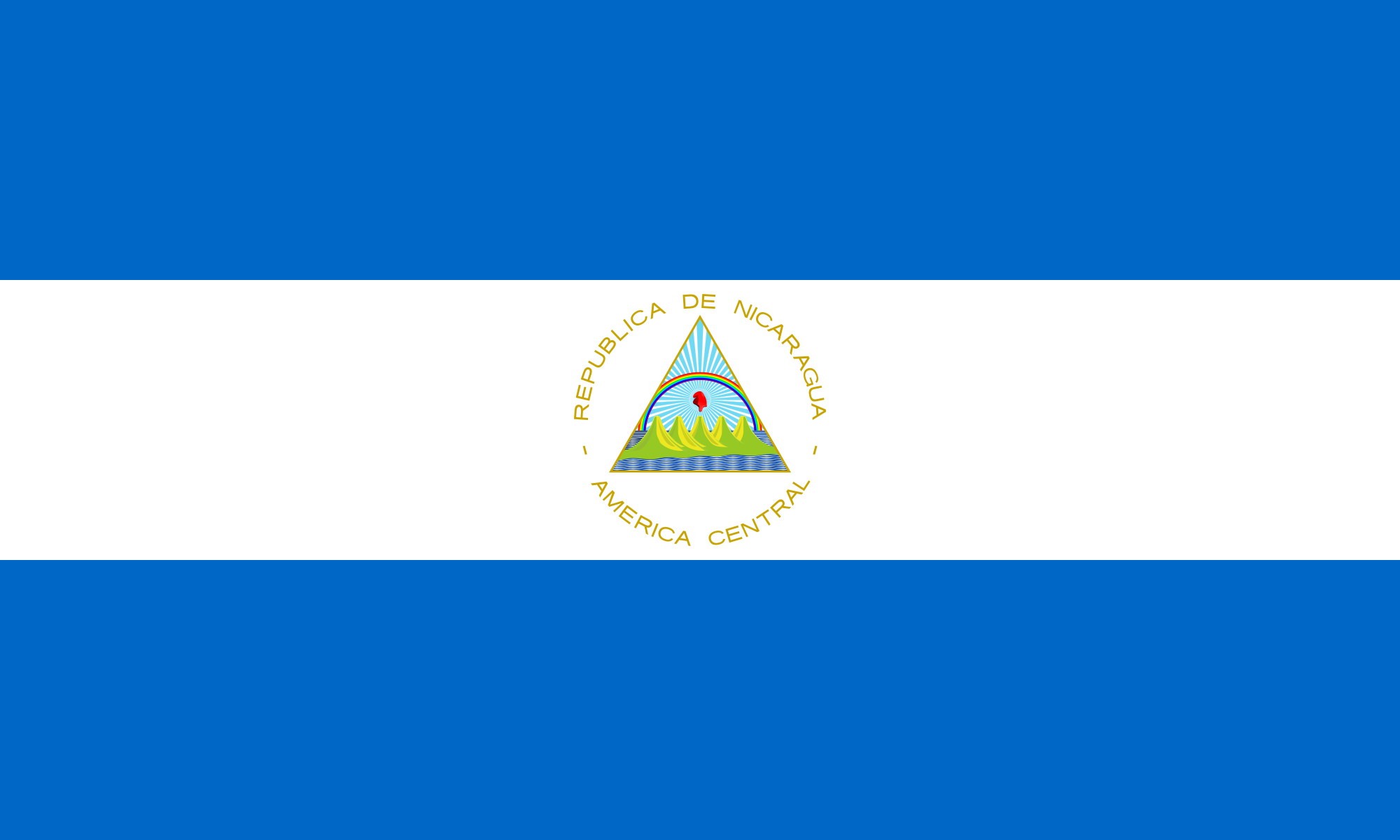
A Nicaraguan American (Spanish: nicaragüense-americano, nicaragüense-estadounidense, norteamericano de origen nicaragüense or estadounidense de origen nicaragüense) is an American of Nicaraguan descent. They are also referred to as "nica" or "nicoya".
The Nicaraguan American population at the 2010 Census was 348,202. Nicaraguans are the eleventh largest Hispanic group in the United States and the fourth largest Central American population.
More than two-thirds of the Nicaraguan population in the U.S. resides in California or Florida.
In California, Nicaraguans are more dominant in the Greater Los Angeles Area and San Francisco Bay Area. Large populations also reside in the Inland Empire and the cities of Sacramento, San Diego, and San Jose.
In Florida, 90% of Nicaraguans reside in the Miami metropolitan area. Miami-Dade County is home to 30% of Nicaraguans residing in the United States.
Nicaraguans have immigrated to the United States in small groups since the early 1900s, but their presence was especially felt over the last three decades of the 20th century. The Nicaraguan community is mainly concentrated in three major urban areas: Metropolitan Miami, Greater Los Angeles, and San Francisco Bay Area. A more affluent group of Nicaraguan Americans reside in the New York metropolitan area.
According to Immigration and Naturalization Service figures, 23,261 Nicaraguans were admitted as permanent residents between 1976 and 1985; 75,264 were admitted between 1986 and 1993; and 94,582 between 1994 and 2002, with a total of 193,107 Nicaraguan immigrants being granted legal status since 1976.
The earliest documents of immigration from Nicaragua to the United States was combined in total with those of other Central American countries. However, according to the U.S. Census Bureau some 7,500 Nicaraguans legally immigrated from 1967 to 1976. An estimated 28,620 Nicaraguans were living in the U.S. in 1970, 90% of which self-reported as white on the 1970 census. Most Nicaraguan immigrants during the late 1960s were women: there were only 60 male Nicaraguan immigrants for every 100 female immigrants during this period. This was due to the number of Central American women who came to the US to work as domestic servants while sending remittances back home. Most Central Americans were denied refugee asylum status during the 1980s. While the U.S. Refugee Act of 1980 wanted to favor U.S. foreign policy to help political asylum seekers it mostly favored only Eastern Bloc or Communist nations or countries in the Middle East. "Asylum decisions with respect to Salvadorans and Guatemalans reflected U.S. foreign policy, which supported their governments" such as U.S. involvement in regime change in Latin America. Many Nicaraguans were rejected despite the Reagan Administration’s stance on helping political refugees. “During the early 1980s, approximately 10 percent of Nicaraguan applicants, compared to 2 to 3 percent of those from El Salvador and Guatemala, received asylum.”
Hub AI
Nicaraguan Americans AI simulator
(@Nicaraguan Americans_simulator)
Nicaraguan Americans
A Nicaraguan American (Spanish: nicaragüense-americano, nicaragüense-estadounidense, norteamericano de origen nicaragüense or estadounidense de origen nicaragüense) is an American of Nicaraguan descent. They are also referred to as "nica" or "nicoya".
The Nicaraguan American population at the 2010 Census was 348,202. Nicaraguans are the eleventh largest Hispanic group in the United States and the fourth largest Central American population.
More than two-thirds of the Nicaraguan population in the U.S. resides in California or Florida.
In California, Nicaraguans are more dominant in the Greater Los Angeles Area and San Francisco Bay Area. Large populations also reside in the Inland Empire and the cities of Sacramento, San Diego, and San Jose.
In Florida, 90% of Nicaraguans reside in the Miami metropolitan area. Miami-Dade County is home to 30% of Nicaraguans residing in the United States.
Nicaraguans have immigrated to the United States in small groups since the early 1900s, but their presence was especially felt over the last three decades of the 20th century. The Nicaraguan community is mainly concentrated in three major urban areas: Metropolitan Miami, Greater Los Angeles, and San Francisco Bay Area. A more affluent group of Nicaraguan Americans reside in the New York metropolitan area.
According to Immigration and Naturalization Service figures, 23,261 Nicaraguans were admitted as permanent residents between 1976 and 1985; 75,264 were admitted between 1986 and 1993; and 94,582 between 1994 and 2002, with a total of 193,107 Nicaraguan immigrants being granted legal status since 1976.
The earliest documents of immigration from Nicaragua to the United States was combined in total with those of other Central American countries. However, according to the U.S. Census Bureau some 7,500 Nicaraguans legally immigrated from 1967 to 1976. An estimated 28,620 Nicaraguans were living in the U.S. in 1970, 90% of which self-reported as white on the 1970 census. Most Nicaraguan immigrants during the late 1960s were women: there were only 60 male Nicaraguan immigrants for every 100 female immigrants during this period. This was due to the number of Central American women who came to the US to work as domestic servants while sending remittances back home. Most Central Americans were denied refugee asylum status during the 1980s. While the U.S. Refugee Act of 1980 wanted to favor U.S. foreign policy to help political asylum seekers it mostly favored only Eastern Bloc or Communist nations or countries in the Middle East. "Asylum decisions with respect to Salvadorans and Guatemalans reflected U.S. foreign policy, which supported their governments" such as U.S. involvement in regime change in Latin America. Many Nicaraguans were rejected despite the Reagan Administration’s stance on helping political refugees. “During the early 1980s, approximately 10 percent of Nicaraguan applicants, compared to 2 to 3 percent of those from El Salvador and Guatemala, received asylum.”
Recent media