



Community hub
Recent from talks
Knowledge base stats:
Talk channels stats:
Members stats:
Operation Moolah
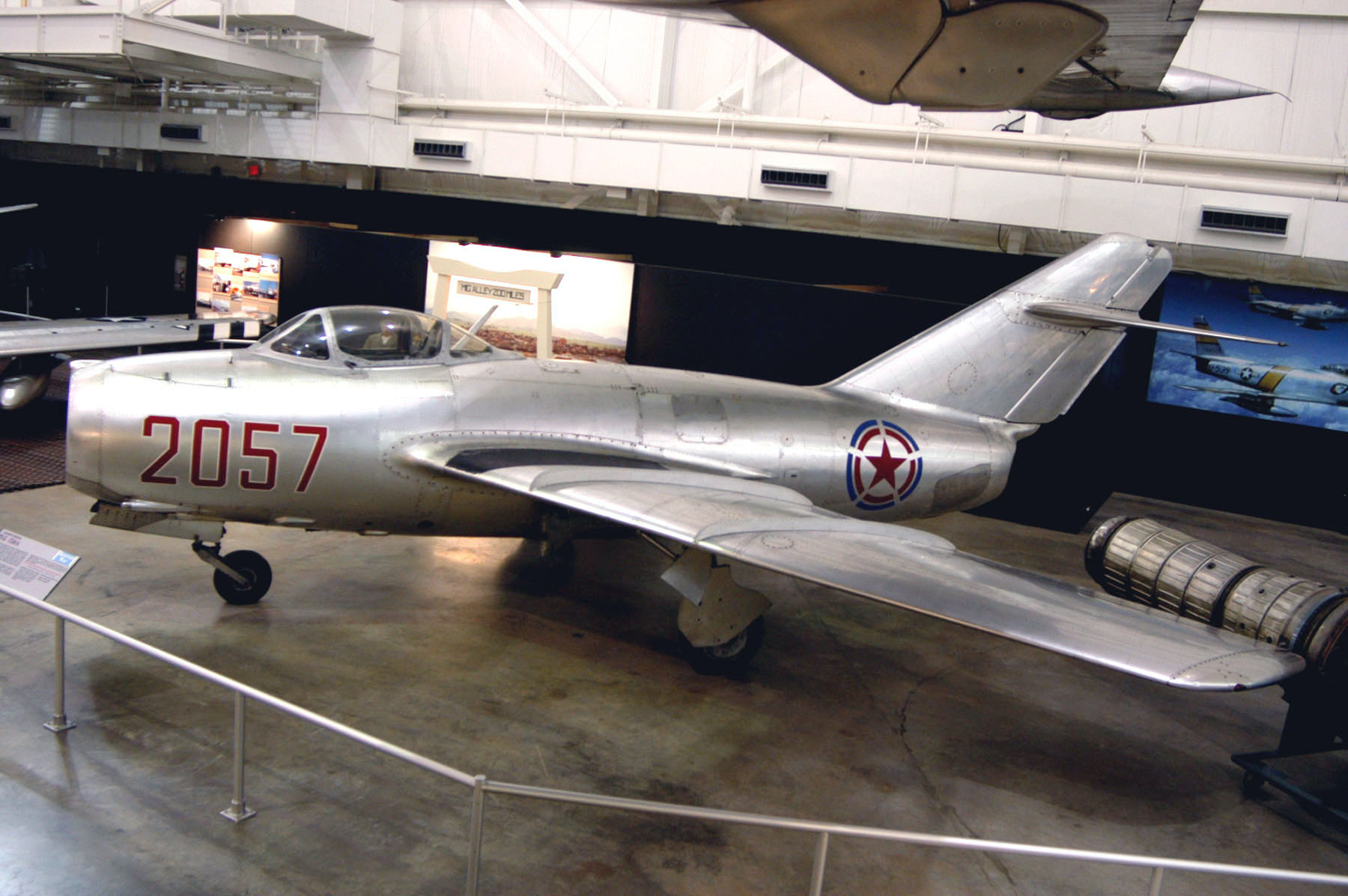
Operation Moolah was a United States Air Force (USAF) effort during the Korean War to obtain through defection a fully capable Soviet MiG-15 jet fighter. Communist forces introduced the MiG-15 to Korea on November 1, 1950. USAF pilots reported that the performance of the MiG-15 was superior to all United Nations aircraft, including the USAF's newest plane, the F-86 Sabre. The operation focused on influencing Communist pilots to defect to South Korea with a MiG for a financial reward. The success of the operation is disputable since no Communist pilot defected before the armistice was signed on July 27, 1953. On September 21, 1953, North Korean pilot Lieutenant No Kum-Sok flew his MiG-15 to the Kimpo Air Base, South Korea, unaware of Operation Moolah.
The appearance of the MiG-15 Soviet fighter over the Korean peninsula in November 1950 was initially thought to have placed United Nations aircraft, especially the USAF F-86, at a disadvantage. In a dogfight, the MiG-15 outperformed the F-86 Sabre at higher initial acceleration and could outdistance it in a dive, even though the Sabre had higher terminal velocity. The MiG was also more maneuverable above 10,000 m (33,000 ft) although the F-86 was more maneuverable below that altitude. The MiG-15 was also armed with a heavy 37 mm cannon that could shoot down USAF bombers. United States military planners at the Strategic Air Command (SAC) were aware of the cannon but knew little more about the technical aspects of the aircraft, including flight performance. By the end of the war, UN air forces had gained ascendancy over the MiGs due to superior tactics, techniques, and procedures (TTPs), better-trained pilots, upgraded Sabres, and especially due to the withdrawal of Soviet pilots from the conflict.
The appearance of the MiG-15 over North Korea led to speculation over the Soviet Union's involvement in the Korean War. USAF pilots reported hearing Russian spoken over the radio communications channels used by the MiG-15s. Prior to the November 1950 sighting of the MiG-15s by USAF pilots, Soviet MiG-15 regiments were stationed at the Moscow Air Defence District to protect the capital against a possible NATO bombing.
Some UN prisoners of war reported talking to Soviet pilots while in captivity in North Korea. According to General Mark Clark, the commanding general of the UN Command had enough intelligence to claim that the Soviets were covertly lending their pilots in support of North Korean forces. According to Lieutenant No Kum-Sok, by February 1951, some half-a-dozen Soviet Air pilots visited North Korean pilots at their northeast China air base at Jilin. The plain clothes officers were there to investigate the ability of the North Korean pilots and determine if they were capable enough to fly the new MiG-15. By March, the Soviet 324th Fighter Air Division, led by Colonel Ivan Kozhedub, deployed to Jilin and began training the first class of North Korean air force pilots on the MiG-15. One month later, these same Russian pilots entered combat on behalf of North Korea, though internationally their involvement was never announced. The Soviets had gone to great lengths to hide their involvement in the war, including painting Chinese and North Korean insignia on their planes. By the end of the war, the Russians had provided half the aircraft and 5,000 pilots in support of the Communist war effort against the UN.
Speculation exists about the origin of Operation Moolah. According to Captain Alan Abner, the idea of the operation originated from his office at the Army's Psychological Warfare Branch, in Washington DC. According to intelligence reports that they received, dissatisfaction within the Soviet Air Force, even to the extent of some desertions by disgruntled pilots, led to the promising belief of possible future defections by some pilots. The plan set forth an offer of $100,000 (equivalent to $1,093,781 in 2022) for a Soviet MiG-15 and political asylum for the pilot. The plan was marked Top Secret and requested the offer be passed by rumor through ranks of Communist forces to ensure that the offer would not be attributable to the US. The plan was delivered to The Pentagon on a Monday, and by that Saturday, details of the plan had been published in The Washington Post with the title, "Gen. Mark Clark Offers $100,000 Reward for Russian Jet." Abner was disappointed because the article did not mention that his organization had conceived the plan.
A second version of this story originates from General Mark W. Clark. According to him, the origin of Operation Moolah was from a war correspondent closely associated with the general but was not identified in Clark's book, From the Danube to the Yalu. The war correspondent developed the idea of the metaphor "silver bullet" and its effect on the Chinese in early 1952. He then developed and wrote a fictitious interview between an "anonymous" and a nonexistent Air Force general suggesting the MiG reward. The Far East Air Force (FEAF) headquartered in Tokyo was given the fictitious interview and thought the idea was worth looking into and passed it onward to the Department of the Air Force in Washington, DC. The idea circulated the Pentagon and the Department of State until it was transmitted back to Clark from the Department of the Army through a message that he received in November 1952.
According to Herbert Friedman[citation needed], the unidentified war correspondent was Edward Hymoff, the Bureau Chief of the International News Service and former World War II OSS veteran, whom he interviewed. Another source attributes the idea to Major Donald Nichols, commanding officer of the 6004th Air Intelligence Service Squadron.
On March 20, 1953, the Joint Chiefs of Staff approved the plan. The approved operation was forwarded on April 1, 1953, to the Joint Psychological Committee at FEAF in Tokyo, Japan, where it was staffed, approved, and advanced to Clark. He dubbed the plan Operation Moolah. The plan offered $50,000 to any pilot who flew a fully mission capable MiG-15 to South Korea. The first pilot to defect would be awarded an additional $50,000. The plan also included complete political asylum, resettlement in a non-Communist country, and anonymity if desired.
Hub AI
Operation Moolah AI simulator
(@Operation Moolah_simulator)
Operation Moolah
Operation Moolah was a United States Air Force (USAF) effort during the Korean War to obtain through defection a fully capable Soviet MiG-15 jet fighter. Communist forces introduced the MiG-15 to Korea on November 1, 1950. USAF pilots reported that the performance of the MiG-15 was superior to all United Nations aircraft, including the USAF's newest plane, the F-86 Sabre. The operation focused on influencing Communist pilots to defect to South Korea with a MiG for a financial reward. The success of the operation is disputable since no Communist pilot defected before the armistice was signed on July 27, 1953. On September 21, 1953, North Korean pilot Lieutenant No Kum-Sok flew his MiG-15 to the Kimpo Air Base, South Korea, unaware of Operation Moolah.
The appearance of the MiG-15 Soviet fighter over the Korean peninsula in November 1950 was initially thought to have placed United Nations aircraft, especially the USAF F-86, at a disadvantage. In a dogfight, the MiG-15 outperformed the F-86 Sabre at higher initial acceleration and could outdistance it in a dive, even though the Sabre had higher terminal velocity. The MiG was also more maneuverable above 10,000 m (33,000 ft) although the F-86 was more maneuverable below that altitude. The MiG-15 was also armed with a heavy 37 mm cannon that could shoot down USAF bombers. United States military planners at the Strategic Air Command (SAC) were aware of the cannon but knew little more about the technical aspects of the aircraft, including flight performance. By the end of the war, UN air forces had gained ascendancy over the MiGs due to superior tactics, techniques, and procedures (TTPs), better-trained pilots, upgraded Sabres, and especially due to the withdrawal of Soviet pilots from the conflict.
The appearance of the MiG-15 over North Korea led to speculation over the Soviet Union's involvement in the Korean War. USAF pilots reported hearing Russian spoken over the radio communications channels used by the MiG-15s. Prior to the November 1950 sighting of the MiG-15s by USAF pilots, Soviet MiG-15 regiments were stationed at the Moscow Air Defence District to protect the capital against a possible NATO bombing.
Some UN prisoners of war reported talking to Soviet pilots while in captivity in North Korea. According to General Mark Clark, the commanding general of the UN Command had enough intelligence to claim that the Soviets were covertly lending their pilots in support of North Korean forces. According to Lieutenant No Kum-Sok, by February 1951, some half-a-dozen Soviet Air pilots visited North Korean pilots at their northeast China air base at Jilin. The plain clothes officers were there to investigate the ability of the North Korean pilots and determine if they were capable enough to fly the new MiG-15. By March, the Soviet 324th Fighter Air Division, led by Colonel Ivan Kozhedub, deployed to Jilin and began training the first class of North Korean air force pilots on the MiG-15. One month later, these same Russian pilots entered combat on behalf of North Korea, though internationally their involvement was never announced. The Soviets had gone to great lengths to hide their involvement in the war, including painting Chinese and North Korean insignia on their planes. By the end of the war, the Russians had provided half the aircraft and 5,000 pilots in support of the Communist war effort against the UN.
Speculation exists about the origin of Operation Moolah. According to Captain Alan Abner, the idea of the operation originated from his office at the Army's Psychological Warfare Branch, in Washington DC. According to intelligence reports that they received, dissatisfaction within the Soviet Air Force, even to the extent of some desertions by disgruntled pilots, led to the promising belief of possible future defections by some pilots. The plan set forth an offer of $100,000 (equivalent to $1,093,781 in 2022) for a Soviet MiG-15 and political asylum for the pilot. The plan was marked Top Secret and requested the offer be passed by rumor through ranks of Communist forces to ensure that the offer would not be attributable to the US. The plan was delivered to The Pentagon on a Monday, and by that Saturday, details of the plan had been published in The Washington Post with the title, "Gen. Mark Clark Offers $100,000 Reward for Russian Jet." Abner was disappointed because the article did not mention that his organization had conceived the plan.
A second version of this story originates from General Mark W. Clark. According to him, the origin of Operation Moolah was from a war correspondent closely associated with the general but was not identified in Clark's book, From the Danube to the Yalu. The war correspondent developed the idea of the metaphor "silver bullet" and its effect on the Chinese in early 1952. He then developed and wrote a fictitious interview between an "anonymous" and a nonexistent Air Force general suggesting the MiG reward. The Far East Air Force (FEAF) headquartered in Tokyo was given the fictitious interview and thought the idea was worth looking into and passed it onward to the Department of the Air Force in Washington, DC. The idea circulated the Pentagon and the Department of State until it was transmitted back to Clark from the Department of the Army through a message that he received in November 1952.
According to Herbert Friedman[citation needed], the unidentified war correspondent was Edward Hymoff, the Bureau Chief of the International News Service and former World War II OSS veteran, whom he interviewed. Another source attributes the idea to Major Donald Nichols, commanding officer of the 6004th Air Intelligence Service Squadron.
On March 20, 1953, the Joint Chiefs of Staff approved the plan. The approved operation was forwarded on April 1, 1953, to the Joint Psychological Committee at FEAF in Tokyo, Japan, where it was staffed, approved, and advanced to Clark. He dubbed the plan Operation Moolah. The plan offered $50,000 to any pilot who flew a fully mission capable MiG-15 to South Korea. The first pilot to defect would be awarded an additional $50,000. The plan also included complete political asylum, resettlement in a non-Communist country, and anonymity if desired.