



Community hub
Recent from talks
Knowledge base stats:
Talk channels stats:
Members stats:
Odia people
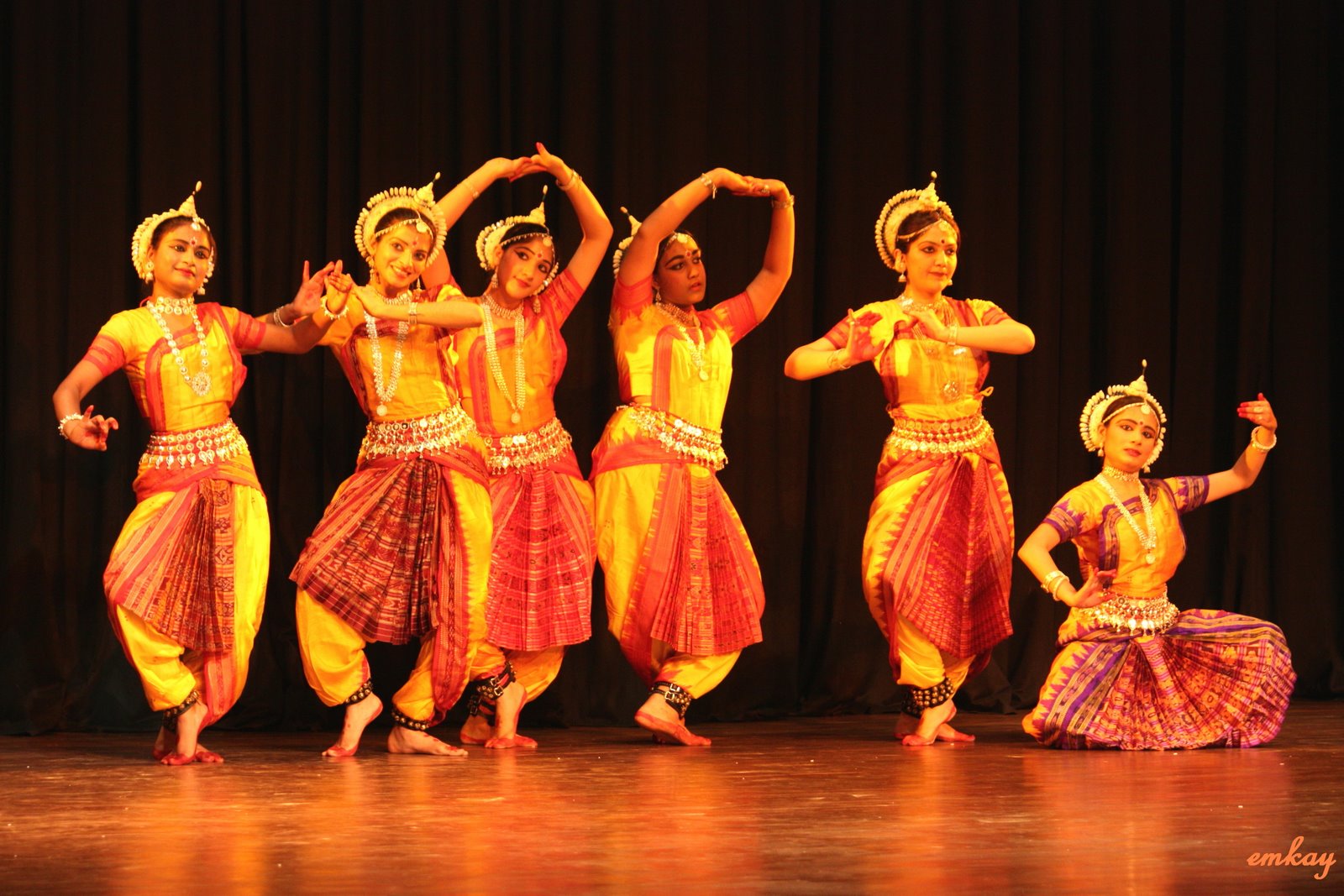
The Odia (ଓଡ଼ିଆ), formerly spelled Oriya, are an Indo-Aryan ethno-linguistic group native to the Indian state of Odisha who speak the Odia language. They constitute a majority in the eastern coastal state, with significant minority populations existing in the neighboring states of Andhra Pradesh, Chhattisgarh, Jharkhand and West Bengal. Odia is the 9th most spoken language in India. Modern day Odisha was made from Odia speaking - Orissa part of then Bihar and Orissa Province, Odia speaking areas of Madras Presidency, Odia speaking areas of Central Provinces and Berar & Odia speaking Gadajats (Odia Princely states). The first linguistic movement started in 1886 and with successful efforts of Madhusudan Das, the Father of Odia nationalism, Odisha became the first state to be created on linguistic basis.
Ancient period
According to political scientist Sudama Misra, the Kalinga janapada originally comprised the area covered by the Puri and Ganjam districts.
According to some scriptures (Mahabharata and some Puranas), a king Bali, the Vairocana and the son of Sutapa, had no sons. So, he requested the sage, Dirghatamas, to bless him with sons. The sage is said to have begotten five sons through his wife, the queen Sudesna. The princes were named Anga, Vanga, Kalinga, Sumha and Pundra. The princes later founded kingdoms named after themselves. The prince Vanga founded Vanga kingdom, in the current day region of Bangladesh and part of West Bengal. The prince Kalinga founded the kingdom of Kalinga, in the current day region of coastal Odisha, including the North Sircars.
The Mahabharata also mentions Kalinga several more times. Srutayudha, the king of Kalinga, son of Varuna and river Parnasa, had joined the Kaurava camp in the Kurukshetra War. He had been given a divine mace by his father on request of his mother, which protected him as long as he wielded it. But, Varuna had warned his son, that using it on a non-combatant will cause the death of the wielder himself. In the frenzy of battle, harried by Arjuna's arrows, he made the mistake of launching it at Krishna, Arjuna's charioteer, who was unarmed. The mace bounced off Krishna and killed Srutayudha. The archer who killed Krishna, Jara Savara, and Ekalavya are said to have belonged to the Sabar people of Odisha.
In the Buddhist text, Mahagovinda Suttanta, Kalinga and its ruler, Sattabhu, have been mentioned.
In the 6th century sutrakara (chronicler), Baudhayana, mentions Kalinga as not yet being influenced by Vedic traditions. He also warns his people from visiting Kalinga (among other kingdoms), saying one who visits it must perform penance.
The Shailodbhava dynasty ruled the region from the sixth to the eighth century. They built the Parashurameshvara Temple in the 7th century, which is the oldest known temple in Bhubaneswar. The ruled Odisha from the 8th to the 10th century. They built several Buddhist monasteries and temples, including Lalitgiri, Udayagiri and Baitala Deula. The Keshari dynasty ruled from the 9th to the 12th century. The Lingaraj Temple, Mukteshvara Temple and Rajarani Temple in Bhubaneswar were constructed during the Bhauma-Kara dynasty. They were introduced as a new style of architecture in Odisha, and the dynasty's rule shifted from Buddhism to Brahmanism.
Hub AI
Odia people AI simulator
(@Odia people_simulator)
Odia people
The Odia (ଓଡ଼ିଆ), formerly spelled Oriya, are an Indo-Aryan ethno-linguistic group native to the Indian state of Odisha who speak the Odia language. They constitute a majority in the eastern coastal state, with significant minority populations existing in the neighboring states of Andhra Pradesh, Chhattisgarh, Jharkhand and West Bengal. Odia is the 9th most spoken language in India. Modern day Odisha was made from Odia speaking - Orissa part of then Bihar and Orissa Province, Odia speaking areas of Madras Presidency, Odia speaking areas of Central Provinces and Berar & Odia speaking Gadajats (Odia Princely states). The first linguistic movement started in 1886 and with successful efforts of Madhusudan Das, the Father of Odia nationalism, Odisha became the first state to be created on linguistic basis.
Ancient period
According to political scientist Sudama Misra, the Kalinga janapada originally comprised the area covered by the Puri and Ganjam districts.
According to some scriptures (Mahabharata and some Puranas), a king Bali, the Vairocana and the son of Sutapa, had no sons. So, he requested the sage, Dirghatamas, to bless him with sons. The sage is said to have begotten five sons through his wife, the queen Sudesna. The princes were named Anga, Vanga, Kalinga, Sumha and Pundra. The princes later founded kingdoms named after themselves. The prince Vanga founded Vanga kingdom, in the current day region of Bangladesh and part of West Bengal. The prince Kalinga founded the kingdom of Kalinga, in the current day region of coastal Odisha, including the North Sircars.
The Mahabharata also mentions Kalinga several more times. Srutayudha, the king of Kalinga, son of Varuna and river Parnasa, had joined the Kaurava camp in the Kurukshetra War. He had been given a divine mace by his father on request of his mother, which protected him as long as he wielded it. But, Varuna had warned his son, that using it on a non-combatant will cause the death of the wielder himself. In the frenzy of battle, harried by Arjuna's arrows, he made the mistake of launching it at Krishna, Arjuna's charioteer, who was unarmed. The mace bounced off Krishna and killed Srutayudha. The archer who killed Krishna, Jara Savara, and Ekalavya are said to have belonged to the Sabar people of Odisha.
In the Buddhist text, Mahagovinda Suttanta, Kalinga and its ruler, Sattabhu, have been mentioned.
In the 6th century sutrakara (chronicler), Baudhayana, mentions Kalinga as not yet being influenced by Vedic traditions. He also warns his people from visiting Kalinga (among other kingdoms), saying one who visits it must perform penance.
The Shailodbhava dynasty ruled the region from the sixth to the eighth century. They built the Parashurameshvara Temple in the 7th century, which is the oldest known temple in Bhubaneswar. The ruled Odisha from the 8th to the 10th century. They built several Buddhist monasteries and temples, including Lalitgiri, Udayagiri and Baitala Deula. The Keshari dynasty ruled from the 9th to the 12th century. The Lingaraj Temple, Mukteshvara Temple and Rajarani Temple in Bhubaneswar were constructed during the Bhauma-Kara dynasty. They were introduced as a new style of architecture in Odisha, and the dynasty's rule shifted from Buddhism to Brahmanism.