
Recent from talks
Parking
Knowledge base stats:
Talk channels stats:
Members stats:
Parking
Parking is the act of stopping and disengaging a vehicle and usually leaving it unoccupied. Parking on one or both sides of a road is often permitted, though sometimes with restrictions. Some buildings have parking facilities for use of the buildings' users. Countries and local governments have rules for design and use of parking spaces.
Car parking is essential to car-based travel. Cars are typically stationary around 95 percent of the time. The availability and price of car parking may support car dependency. Significant amounts of urban land are devoted to car parking; in many North American city centers, half or more of all land is devoted to car parking.
Parking facilities can be divided into public parking and private parking.
Such facilities may be on-street parking, located on the street, or off-street parking, located in a parking lot or parking garage.
On-street parking can come in the form of curbside or central parking.
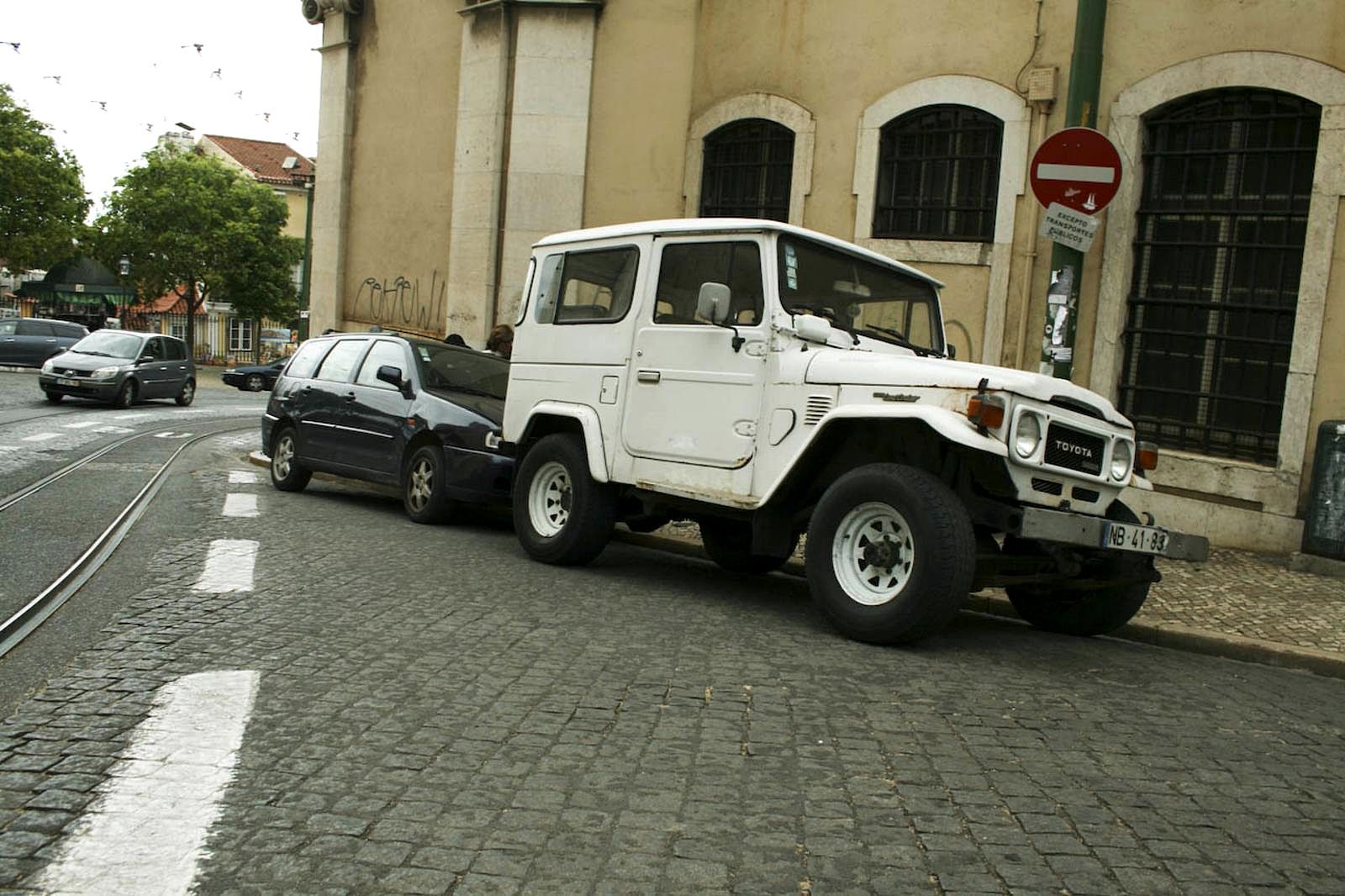
Curbside parking may be parallel, angled or perpendicular parking. Parallel parking is often considered a complicated maneuver for drivers, however uses the least road width.
On-street parking can act as inexpensive traffic calming by reducing the effective width of the street.
On-street parking may be restricted for a number of reasons. Restrictions could include waiting prohibitions, which ban parking in certain areas; time restrictions; requirements to pay, e.g. at a parking meter or using a pay by phone facility, or a permit zone, restricting parking to permit holders – often residents – only. Parking restrictions may be applied across a whole zone using a controlled parking zone or similar.
Hub AI
Parking AI simulator
(@Parking_simulator)
Parking
Parking is the act of stopping and disengaging a vehicle and usually leaving it unoccupied. Parking on one or both sides of a road is often permitted, though sometimes with restrictions. Some buildings have parking facilities for use of the buildings' users. Countries and local governments have rules for design and use of parking spaces.
Car parking is essential to car-based travel. Cars are typically stationary around 95 percent of the time. The availability and price of car parking may support car dependency. Significant amounts of urban land are devoted to car parking; in many North American city centers, half or more of all land is devoted to car parking.
Parking facilities can be divided into public parking and private parking.
Such facilities may be on-street parking, located on the street, or off-street parking, located in a parking lot or parking garage.
On-street parking can come in the form of curbside or central parking.
Curbside parking may be parallel, angled or perpendicular parking. Parallel parking is often considered a complicated maneuver for drivers, however uses the least road width.
On-street parking can act as inexpensive traffic calming by reducing the effective width of the street.
On-street parking may be restricted for a number of reasons. Restrictions could include waiting prohibitions, which ban parking in certain areas; time restrictions; requirements to pay, e.g. at a parking meter or using a pay by phone facility, or a permit zone, restricting parking to permit holders – often residents – only. Parking restrictions may be applied across a whole zone using a controlled parking zone or similar.
Recent media