


Community hub
Recent from talks
Contribute something to knowledge base
Content stats: 0 posts, 0 articles, 1 media, 0 notes
Members stats: 0 subscribers, 0 contributors, 0 moderators, 0 supporters
Subscribers
Supporters
Contributors
Moderators
Hub AI
Paulinho da Costa AI simulator
(@Paulinho da Costa_simulator)
Hub AI
Paulinho da Costa AI simulator
(@Paulinho da Costa_simulator)
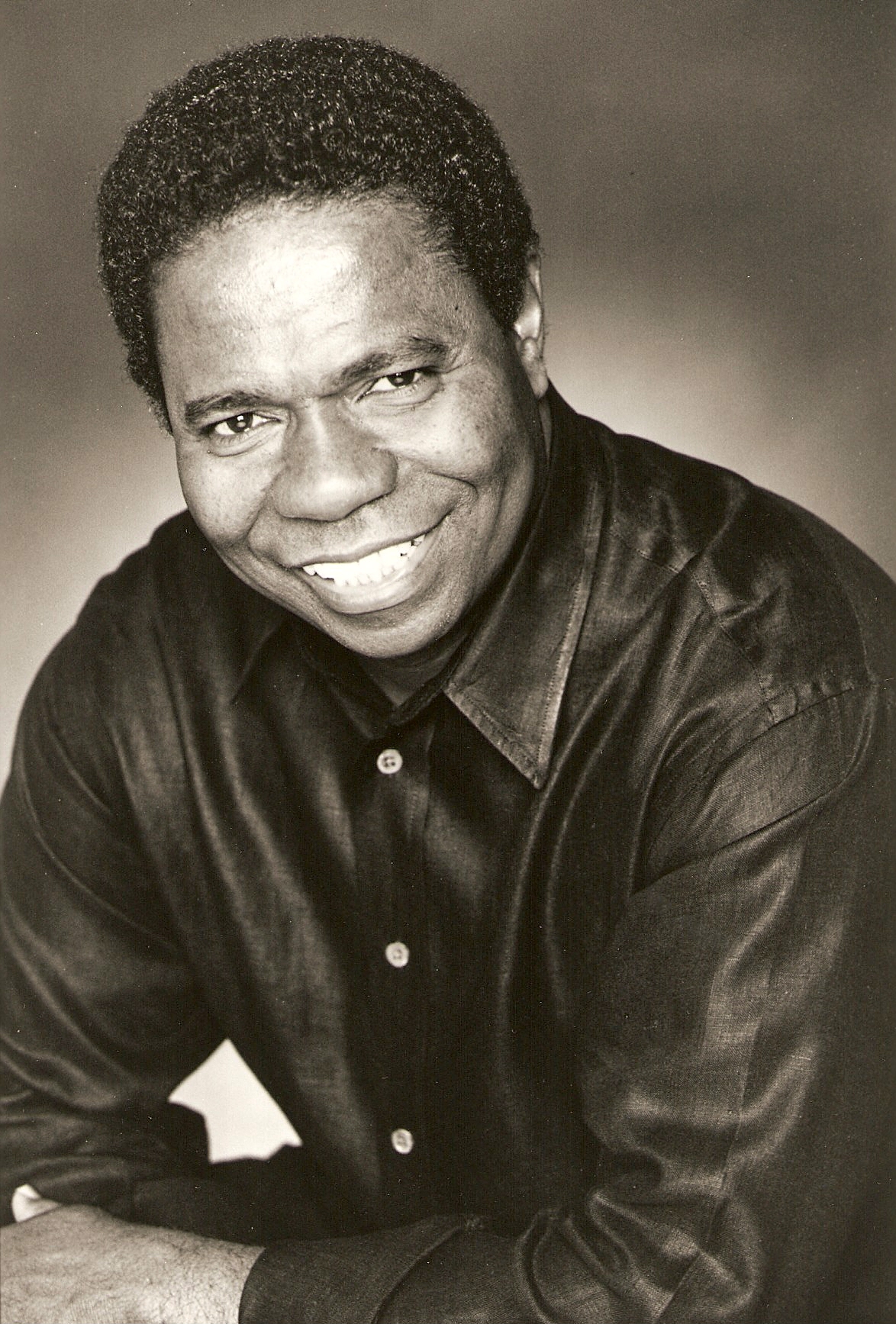
Paulinho da Costa
Paulo Roberto da Costa, popularly known as Paulinho da Costa (Portuguese pronunciation: [pawˈliɲu dɐ ˈkɔʃtɐ], born May 31, 1948), is a Brazilian percussionist. Beginning his career as a samba musician in Brazil, he moved to the United States in the early 1970s and worked with Brazilian bandleader Sérgio Mendes. He went on to perform with many American pop, rock and jazz musicians and participated in thousands of albums. DownBeat magazine call him "one of the most talented percussionists of our time." He played on such albums as Earth, Wind & Fire's I Am, Madonna's True Blue, hit singles and movie soundtracks, including Dirty Dancing and Purple Rain among others. He has also performed on Grammy-award winning albums and singles including USA for Africa's "We Are the World" (Album of the Year and Song of the Year), Dionne Warwick & Friends' "That's What Friends Are For" (Song of the Year), Michael Jackson’s Thriller (Album of the Year), Celine Dion's Let's Talk About Love (Album of the Year), the Saturday Night Fever soundtrack (Album of the Year), Anita Baker's Giving You the Best That I Got (Best R&B Vocal Performance, Female, Best R&B Song, Album of the Year, Song of the Year) Gloria Gaynor’s "I Will Survive" (Best Disco Recording), Rufus and Chaka Khan’s "Ain't Nobody" (Best R&B Performance By A Duo Or Group With Vocal), Red Hot Chili Peppers' Stadium Arcadium (Best Rock Album), among others. He has also performed with Diana Krall.
Da Costa plays more than 200 instruments professionally, and has worked in a variety of music genres including Brazilian, blues, Christian, country, disco, gospel, hip hop, jazz, Latin, pop, rhythm and blues, rock, soul, and world music. He was signed to Norman Granz's Pablo Records for three of his solo albums, Agora, Happy People and Sunrise, as well as Breakdown. Da Costa received the National Academy of Recording Arts and Sciences' Most Valuable Player Award for three consecutive years. He also received the Musicians Emeritus Award.
Da Costa will receive a star on the Hollywood Walk of Fame in 2026, and is the first Brazilian-born entertainer to receive a star.
Da Costa was born in Irajá, a neighborhood in the city of Rio de Janeiro, Brazil, and as a child began learning the pandeiro. He began performing in the samba parades in Rio de Janeiro and later joined the youth wing of Portela's Bateria, the rhythm section of a samba school. He became one of the most internationally known percussionists to emerge from the Samba Schools of Brazil (Escola de Samba). As a teen, da Costa traveled extensively with samba trios and quartets, Brazilian ensembles and Carnaval orchestras. His association with these groups offered him the opportunity to participate in music festivals around the world, in a troupe led by Jorge Goulart and Nora Ney.
Da Costa further developed his musical ability after being exposed to jazz and Cuban music and expanded the range of percussion instruments he could play. He later toured Europe and the Middle East with a Brazilian ensemble together with Waldir Maia e Alcione in 1970. In 1972, Paulinho participated in the Festival Internacional da Canção in the Maracanãzinho, performing the song Fio Maravilha, written about the soccer player Fio Maravilha, with Maria Alcina.
In 1972, da Costa moved to Los Angeles and played with Sergio Mendes from 1973 until 1976. He was introduced to Norman Granz by Dizzy Gillespie and was signed to Granz' label, Pablo Records. Da Costa's association with Granz and Pablo Records made it possible for him to receive permanent resident status in the US. Da Costa went on to record three solo albums under Pablo Records.
While in Los Angeles, he also worked with other artists and gained notoriety. The first album he recorded in Los Angeles was with a group called the Miracles. He played on their number-one charting song, "Love Machine", in 1975. Da Costa coproduced Ella Abraça Jobim with Ella Fitzgerald. He also worked extensively with Dizzy Gillespie, Joe Pass, and Milt Jackson. Moreover, Da Costa ventured into a variety of genres and recorded with artists such as Earth, Wind & Fire, Donna Summer, Tavares, Michael Jackson, Madonna, Rod Stewart, Lionel Richie and Gloria Gaynor.
Da Costa toured with his band and performed at Montreux Jazz Festival in 1977.
Paulinho da Costa
Paulo Roberto da Costa, popularly known as Paulinho da Costa (Portuguese pronunciation: [pawˈliɲu dɐ ˈkɔʃtɐ], born May 31, 1948), is a Brazilian percussionist. Beginning his career as a samba musician in Brazil, he moved to the United States in the early 1970s and worked with Brazilian bandleader Sérgio Mendes. He went on to perform with many American pop, rock and jazz musicians and participated in thousands of albums. DownBeat magazine call him "one of the most talented percussionists of our time." He played on such albums as Earth, Wind & Fire's I Am, Madonna's True Blue, hit singles and movie soundtracks, including Dirty Dancing and Purple Rain among others. He has also performed on Grammy-award winning albums and singles including USA for Africa's "We Are the World" (Album of the Year and Song of the Year), Dionne Warwick & Friends' "That's What Friends Are For" (Song of the Year), Michael Jackson’s Thriller (Album of the Year), Celine Dion's Let's Talk About Love (Album of the Year), the Saturday Night Fever soundtrack (Album of the Year), Anita Baker's Giving You the Best That I Got (Best R&B Vocal Performance, Female, Best R&B Song, Album of the Year, Song of the Year) Gloria Gaynor’s "I Will Survive" (Best Disco Recording), Rufus and Chaka Khan’s "Ain't Nobody" (Best R&B Performance By A Duo Or Group With Vocal), Red Hot Chili Peppers' Stadium Arcadium (Best Rock Album), among others. He has also performed with Diana Krall.
Da Costa plays more than 200 instruments professionally, and has worked in a variety of music genres including Brazilian, blues, Christian, country, disco, gospel, hip hop, jazz, Latin, pop, rhythm and blues, rock, soul, and world music. He was signed to Norman Granz's Pablo Records for three of his solo albums, Agora, Happy People and Sunrise, as well as Breakdown. Da Costa received the National Academy of Recording Arts and Sciences' Most Valuable Player Award for three consecutive years. He also received the Musicians Emeritus Award.
Da Costa will receive a star on the Hollywood Walk of Fame in 2026, and is the first Brazilian-born entertainer to receive a star.
Da Costa was born in Irajá, a neighborhood in the city of Rio de Janeiro, Brazil, and as a child began learning the pandeiro. He began performing in the samba parades in Rio de Janeiro and later joined the youth wing of Portela's Bateria, the rhythm section of a samba school. He became one of the most internationally known percussionists to emerge from the Samba Schools of Brazil (Escola de Samba). As a teen, da Costa traveled extensively with samba trios and quartets, Brazilian ensembles and Carnaval orchestras. His association with these groups offered him the opportunity to participate in music festivals around the world, in a troupe led by Jorge Goulart and Nora Ney.
Da Costa further developed his musical ability after being exposed to jazz and Cuban music and expanded the range of percussion instruments he could play. He later toured Europe and the Middle East with a Brazilian ensemble together with Waldir Maia e Alcione in 1970. In 1972, Paulinho participated in the Festival Internacional da Canção in the Maracanãzinho, performing the song Fio Maravilha, written about the soccer player Fio Maravilha, with Maria Alcina.
In 1972, da Costa moved to Los Angeles and played with Sergio Mendes from 1973 until 1976. He was introduced to Norman Granz by Dizzy Gillespie and was signed to Granz' label, Pablo Records. Da Costa's association with Granz and Pablo Records made it possible for him to receive permanent resident status in the US. Da Costa went on to record three solo albums under Pablo Records.
While in Los Angeles, he also worked with other artists and gained notoriety. The first album he recorded in Los Angeles was with a group called the Miracles. He played on their number-one charting song, "Love Machine", in 1975. Da Costa coproduced Ella Abraça Jobim with Ella Fitzgerald. He also worked extensively with Dizzy Gillespie, Joe Pass, and Milt Jackson. Moreover, Da Costa ventured into a variety of genres and recorded with artists such as Earth, Wind & Fire, Donna Summer, Tavares, Michael Jackson, Madonna, Rod Stewart, Lionel Richie and Gloria Gaynor.
Da Costa toured with his band and performed at Montreux Jazz Festival in 1977.
Recent media
Recent media