
Recent from talks
Permanent Settlement
Knowledge base stats:
Talk channels stats:
Members stats:
Permanent Settlement
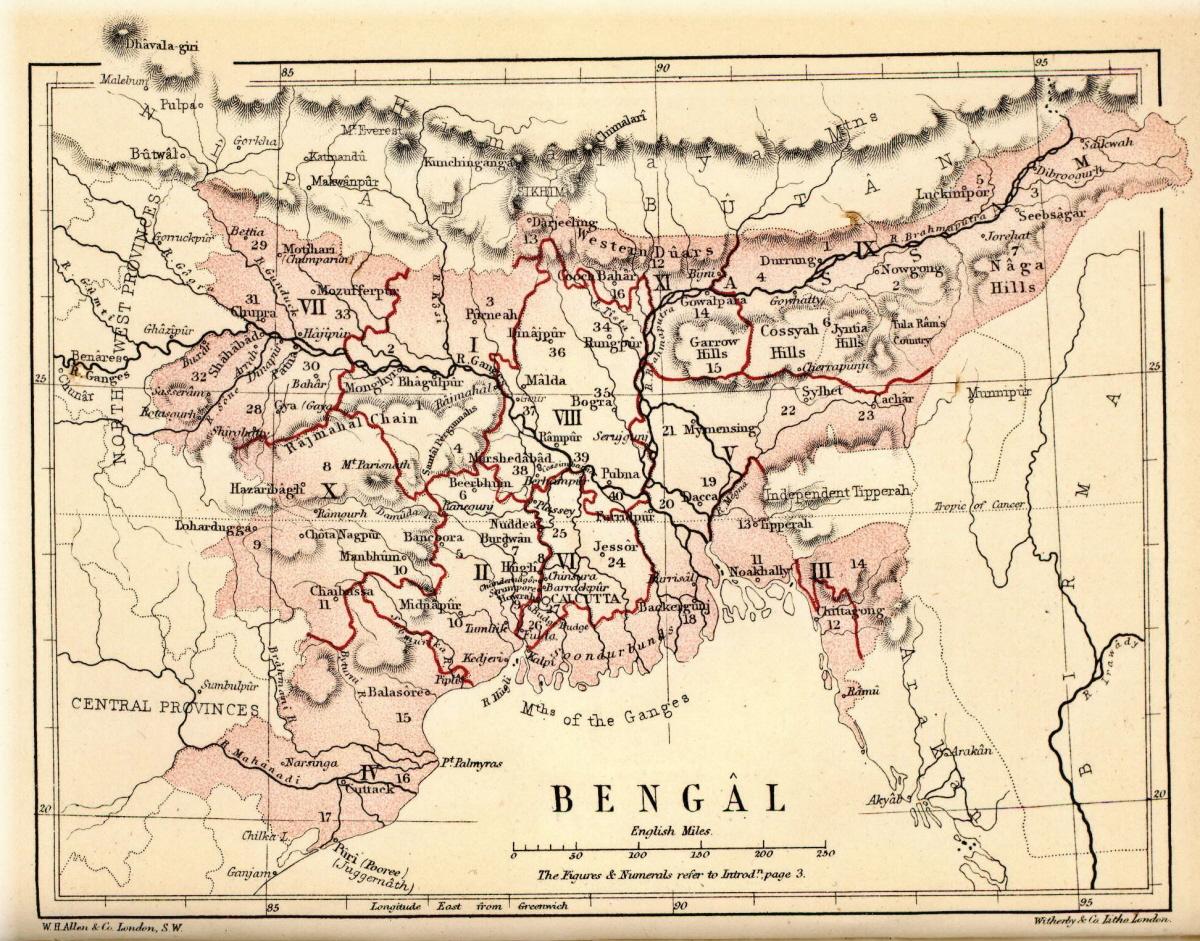
The Permanent Settlement, also known as the Permanent Settlement of Bengal, was an agreement between the East India Company and landlords of Bengal to fix revenues to be raised from land. It had far-reaching consequences for both agricultural methods and productivity in the entire British Empire and the political realities of the Indian countryside. It was concluded in 1793 by the Company administration headed by Charles, Earl Cornwallis. It formed one part of a larger body of legislation that later came to be called the Cornwallis Code. The Cornwallis Code of 1793 divided the East India Company's service personnel into three branches: revenue, judicial, and commercial. Revenues were collected by zamindars, native Indians who were treated as landowners. This division created an Indian landed class that supported British authority.
The Permanent Settlement was introduced first in Bengal and Bihar and later in Varanasi and also the northern districts of Madras.[citation needed] The system eventually spread all over northern India by a series of regulations dated 1 May 1793. These regulations remained in place until the Charter Act 1833, that both restructured how British India was to be governed as well as extended the East India Company's current charter by 2 decades. The other two systems prevalent in India were the Ryotwari System and the Mahalwari System.
Many argue that the settlement and its outcome had several shortcomings when compared with its initial goals of increasing tax revenue, creating a Western-European style land market in Bengal, and encouraging investment in land and agriculture, thereby creating the conditions for long-term economic growth for both the company and region's inhabitants. Firstly, the policy of fixing the rate of expected tax revenue for the foreseeable future meant that the income of the company from taxation actually decreased in the long-term because revenues remained fixed while expenses increased over time. Meanwhile, the condition of the Bengali peasantry became increasingly pitiable, with famines becoming a regular occurrence as landlords (who risked immediate loss of their land if they failed to deliver the expected amount from taxation) sought to guarantee revenue by coercing the local agriculturalists to cultivate cash crops such as cotton, indigo, and jute, while long-term private investment by the zamindars in agricultural infrastructure failed to materialise. Under this system, Zamindars were granted ownership of land and tasked with collecting taxes from cultivators, but a key obligation was to provide land deeds (pattas) to the farmers, which was often neglected due to the absence of regulatory supervision over the Zamindars’ conduct.
Earlier zamindars in Bengal, Bihar and Odisha had been functionaries who held the right to collect revenue on behalf of the Mughal emperor and his representative, the diwan, in Bengal. The diwan supervised the zamindars to ensure they were neither lax nor overly stringent. When the East India Company was awarded the diwani or overlordship of Bengal by the empire following the Battle of Buxar in 1764, it found itself short of trained administrators, especially those familiar with local custom and law. As a result, landholders were unsupervised or reported to corrupt and indolent officials[citation needed]. The result was that revenues were extracted without regard for future income or local welfare.
Following the devastating famine of 1770, which was partially caused by this shortsightedness, Company officials in Calcutta better understood the importance of oversight of revenue officials. Warren Hastings, then governor-general of Fort William in Bengal, introduced a system of five-yearly inspections and temporary tax farmers. They did not want to take direct control of local administration in villages for several reasons, one being that the Company did not want to upset those who had traditionally enjoyed power and prestige in rural Bengal.
The Company failed to consider the question of incentivisation. Many appointed tax farmers absconded with as much revenue as they could during the time period between inspections. The British Parliament took note of the disastrous consequences of the system, and in 1784, British Prime Minister William Pitt the Younger directed the Calcutta administration to alter it immediately. In 1786 Charles Cornwallis was sent out to India to reform the company's practices.
In 1786, the East India Company Court of Directors first proposed a permanent settlement for Bengal, changing the policy then being followed by Calcutta, which was attempting to increase taxation of zamindars. Between 1786 and 1790, the new Governor-General Lord Cornwallis and Sir John Shore (later Governor-General) entered a heated debate over whether or not to introduce a permanent settlement with the zamindars. Shore argued that the native zamindars would not trust the permanent settlement to be permanent and that it would take time before they realised it was genuine.[citation needed]
The main aim of the Permanent Settlement was to resolve the problem of agrarian crisis and distress that had resulted in lower agricultural output. The British officials thought that investment in agriculture, trade, and the resources of the revenue of the state could be increased by agriculture. To permanently fix the revenue and secure property rights, the system which came to be known as the 'Permanent Settlement' was adopted. The British thought that once the revenue demands of the state were permanently set, there would be a regular flow of tax income. Furthermore, landholders would invest in their agricultural land as the producer can keep surpluses in excess of the fixed tax. The British officials thought that such a process would lead to the emergence of yeomen class of farmers and rich landowners who would invest their capital to generate further surpluses. This new emergent class would be loyal to the British. The policy failed to identify individuals who were willing to contract to pay fixed revenue perpetually and to invest in the improvement of agriculture. After much discussion and disagreement between the officials, the Permanent Settlement was made with the existing rajas and taluqdars of Bengal who were now classified as zamindars. They had to pay fixed revenue in perpetuity. Thus, zamindars were not the landowners but rather revenue collector agents of the state. Cornwallis believed that they would immediately accept it and so begin investing in improving their land. In 1790, the Court of Directors issued a ten-year (decennial) settlement to the zamindars, which was made permanent in 1793.[citation needed]
Hub AI
Permanent Settlement AI simulator
(@Permanent Settlement_simulator)
Permanent Settlement
The Permanent Settlement, also known as the Permanent Settlement of Bengal, was an agreement between the East India Company and landlords of Bengal to fix revenues to be raised from land. It had far-reaching consequences for both agricultural methods and productivity in the entire British Empire and the political realities of the Indian countryside. It was concluded in 1793 by the Company administration headed by Charles, Earl Cornwallis. It formed one part of a larger body of legislation that later came to be called the Cornwallis Code. The Cornwallis Code of 1793 divided the East India Company's service personnel into three branches: revenue, judicial, and commercial. Revenues were collected by zamindars, native Indians who were treated as landowners. This division created an Indian landed class that supported British authority.
The Permanent Settlement was introduced first in Bengal and Bihar and later in Varanasi and also the northern districts of Madras.[citation needed] The system eventually spread all over northern India by a series of regulations dated 1 May 1793. These regulations remained in place until the Charter Act 1833, that both restructured how British India was to be governed as well as extended the East India Company's current charter by 2 decades. The other two systems prevalent in India were the Ryotwari System and the Mahalwari System.
Many argue that the settlement and its outcome had several shortcomings when compared with its initial goals of increasing tax revenue, creating a Western-European style land market in Bengal, and encouraging investment in land and agriculture, thereby creating the conditions for long-term economic growth for both the company and region's inhabitants. Firstly, the policy of fixing the rate of expected tax revenue for the foreseeable future meant that the income of the company from taxation actually decreased in the long-term because revenues remained fixed while expenses increased over time. Meanwhile, the condition of the Bengali peasantry became increasingly pitiable, with famines becoming a regular occurrence as landlords (who risked immediate loss of their land if they failed to deliver the expected amount from taxation) sought to guarantee revenue by coercing the local agriculturalists to cultivate cash crops such as cotton, indigo, and jute, while long-term private investment by the zamindars in agricultural infrastructure failed to materialise. Under this system, Zamindars were granted ownership of land and tasked with collecting taxes from cultivators, but a key obligation was to provide land deeds (pattas) to the farmers, which was often neglected due to the absence of regulatory supervision over the Zamindars’ conduct.
Earlier zamindars in Bengal, Bihar and Odisha had been functionaries who held the right to collect revenue on behalf of the Mughal emperor and his representative, the diwan, in Bengal. The diwan supervised the zamindars to ensure they were neither lax nor overly stringent. When the East India Company was awarded the diwani or overlordship of Bengal by the empire following the Battle of Buxar in 1764, it found itself short of trained administrators, especially those familiar with local custom and law. As a result, landholders were unsupervised or reported to corrupt and indolent officials[citation needed]. The result was that revenues were extracted without regard for future income or local welfare.
Following the devastating famine of 1770, which was partially caused by this shortsightedness, Company officials in Calcutta better understood the importance of oversight of revenue officials. Warren Hastings, then governor-general of Fort William in Bengal, introduced a system of five-yearly inspections and temporary tax farmers. They did not want to take direct control of local administration in villages for several reasons, one being that the Company did not want to upset those who had traditionally enjoyed power and prestige in rural Bengal.
The Company failed to consider the question of incentivisation. Many appointed tax farmers absconded with as much revenue as they could during the time period between inspections. The British Parliament took note of the disastrous consequences of the system, and in 1784, British Prime Minister William Pitt the Younger directed the Calcutta administration to alter it immediately. In 1786 Charles Cornwallis was sent out to India to reform the company's practices.
In 1786, the East India Company Court of Directors first proposed a permanent settlement for Bengal, changing the policy then being followed by Calcutta, which was attempting to increase taxation of zamindars. Between 1786 and 1790, the new Governor-General Lord Cornwallis and Sir John Shore (later Governor-General) entered a heated debate over whether or not to introduce a permanent settlement with the zamindars. Shore argued that the native zamindars would not trust the permanent settlement to be permanent and that it would take time before they realised it was genuine.[citation needed]
The main aim of the Permanent Settlement was to resolve the problem of agrarian crisis and distress that had resulted in lower agricultural output. The British officials thought that investment in agriculture, trade, and the resources of the revenue of the state could be increased by agriculture. To permanently fix the revenue and secure property rights, the system which came to be known as the 'Permanent Settlement' was adopted. The British thought that once the revenue demands of the state were permanently set, there would be a regular flow of tax income. Furthermore, landholders would invest in their agricultural land as the producer can keep surpluses in excess of the fixed tax. The British officials thought that such a process would lead to the emergence of yeomen class of farmers and rich landowners who would invest their capital to generate further surpluses. This new emergent class would be loyal to the British. The policy failed to identify individuals who were willing to contract to pay fixed revenue perpetually and to invest in the improvement of agriculture. After much discussion and disagreement between the officials, the Permanent Settlement was made with the existing rajas and taluqdars of Bengal who were now classified as zamindars. They had to pay fixed revenue in perpetuity. Thus, zamindars were not the landowners but rather revenue collector agents of the state. Cornwallis believed that they would immediately accept it and so begin investing in improving their land. In 1790, the Court of Directors issued a ten-year (decennial) settlement to the zamindars, which was made permanent in 1793.[citation needed]
Recent media