
Recent from talks
Piracy in Indonesia
Knowledge base stats:
Talk channels stats:
Members stats:
Piracy in Indonesia
Piracy in Indonesia is not only notorious, but according to a survey conducted by the International Maritime Bureau, Indonesia was the country sporting the highest rate of pirate attacks back in 2004. It subsequently dropped to second place of the world's worst country of pirate attacks in 2008, finishing just behind Nigeria. However, Indonesia remains deemed the country with the world's most dangerous water due to its high piracy rate.
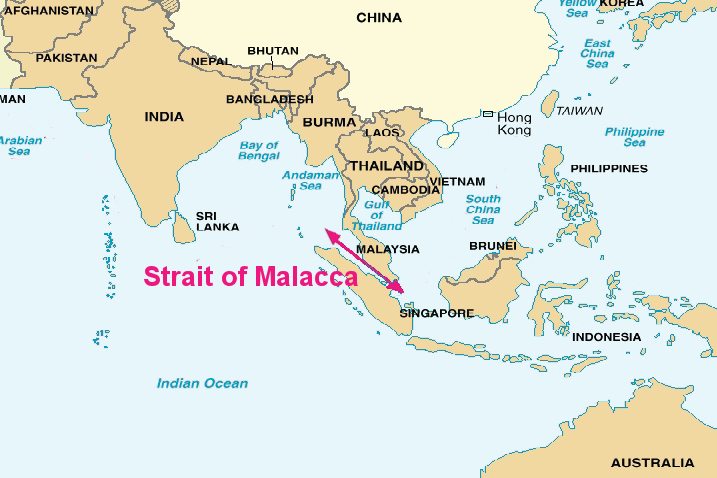
With more than half of the world's piracy crimes surrounding the South-East Asia aquatic regions, the turmoil caused by piracy has made the Strait of Malacca a distinct pirate hotspot accounting for most of the attacks in Indonesia, making the ships that sail in this region risky ever since the Europeans arrived. The term 'Piracy in Indonesia' includes both cases of Indonesian pirates hijacking other cargo and tanks, as well as the high rate of practising piracy within the country itself. The Strait of Malacca is also one of the world's busiest shipping routes as it accounts for more than twenty-five percent of the world's barter goods that come mainly from China and Japan. Approximately 50,000 vessels worth of the world's trade employ the strait annually, including oil from the Persian Gulf and manufactured goods to the Middle East and Suez Canal. The success that stems from this trade portal makes the Strait an ideal location for pirate attacks.
Indonesian pirates are not like international pirates with the Jolly Roger flag who hold ships hostage in open waters. Indonesian-style piracy is closer to sea thieves than pirates. Pirates in Indonesian waters more often threaten small and medium-sized ships. Pirates usually steal crew salaries, cell phones, laptops, and sea shipping equipment.
Pirates in Indonesia generally also work as taxi boat drivers and local fishermen. They are very familiar with the surrounding waters. They hide in the mangrove forests along the straits and steal valuables from boats passing near the coast.
Piracy has been occurring in Indonesian waters since ancient times. In 1666, a VOC ship was pirated and anchored at Surabaya Port. The pirates then burned the ship after the ship was damaged. As a result of this incident, the VOC announced that it would give a cash reward to anyone who could capture the pirate, who turned out to be named Intjeh Cohdja. Anyone who captured him alive would receive a reward of 100 ringgits, while anyone who captured him dead would receive a reward of 50 ringgits. Meanwhile, anyone who could capture Intjeh Cohdja's crew alive would receive a reward of 10 ringgits, while anyone who captured him dead would receive a reward of 5 ringgits. Anyone who could seize a ship from Intjeh Chodja was allowed to own the ship and its cargo.
VOC sources from 1685 also mentioned that in Surabaya and other areas at the eastern tip of Java (Oosthoek) the name of a famous pirate named Wassingrana was spread. In short, the pirate and his crew from Makasar named "Winantacca" were successfully captured and sentenced to death by the coastal regents of the area. After the deaths of the pirates, the regents hoped that the coastal conditions and shipping would be safe again, because during that time the pirates had disturbed shipping and often robbed and killed the common people.
In 1758, an English ship arrived at the southern coast of Lumajang, on a journey from Bengkulu along the southern coast of Java to continue around the tip of East Java, and then headed west towards Batavia, suddenly the ship was hijacked and burned.
In June 1824 seventy ships filled with people from Papua and Seram appeared around Banyuwangi and at the same time the Kangean Islands were also plagued by fears of the same fleet, but the Dutch navy chased them, so they immediately left the place. Repeated attacks by Muslim elements who lived from piracy, prompted the colonial government to act to clear the Java Sea and the islands to the east of the pirates who were worrying. In 1847 the British steamship Nemesis encountered a fleet of 40 to 60 pirate ships.
Hub AI
Piracy in Indonesia AI simulator
(@Piracy in Indonesia_simulator)
Piracy in Indonesia
Piracy in Indonesia is not only notorious, but according to a survey conducted by the International Maritime Bureau, Indonesia was the country sporting the highest rate of pirate attacks back in 2004. It subsequently dropped to second place of the world's worst country of pirate attacks in 2008, finishing just behind Nigeria. However, Indonesia remains deemed the country with the world's most dangerous water due to its high piracy rate.
With more than half of the world's piracy crimes surrounding the South-East Asia aquatic regions, the turmoil caused by piracy has made the Strait of Malacca a distinct pirate hotspot accounting for most of the attacks in Indonesia, making the ships that sail in this region risky ever since the Europeans arrived. The term 'Piracy in Indonesia' includes both cases of Indonesian pirates hijacking other cargo and tanks, as well as the high rate of practising piracy within the country itself. The Strait of Malacca is also one of the world's busiest shipping routes as it accounts for more than twenty-five percent of the world's barter goods that come mainly from China and Japan. Approximately 50,000 vessels worth of the world's trade employ the strait annually, including oil from the Persian Gulf and manufactured goods to the Middle East and Suez Canal. The success that stems from this trade portal makes the Strait an ideal location for pirate attacks.
Indonesian pirates are not like international pirates with the Jolly Roger flag who hold ships hostage in open waters. Indonesian-style piracy is closer to sea thieves than pirates. Pirates in Indonesian waters more often threaten small and medium-sized ships. Pirates usually steal crew salaries, cell phones, laptops, and sea shipping equipment.
Pirates in Indonesia generally also work as taxi boat drivers and local fishermen. They are very familiar with the surrounding waters. They hide in the mangrove forests along the straits and steal valuables from boats passing near the coast.
Piracy has been occurring in Indonesian waters since ancient times. In 1666, a VOC ship was pirated and anchored at Surabaya Port. The pirates then burned the ship after the ship was damaged. As a result of this incident, the VOC announced that it would give a cash reward to anyone who could capture the pirate, who turned out to be named Intjeh Cohdja. Anyone who captured him alive would receive a reward of 100 ringgits, while anyone who captured him dead would receive a reward of 50 ringgits. Meanwhile, anyone who could capture Intjeh Cohdja's crew alive would receive a reward of 10 ringgits, while anyone who captured him dead would receive a reward of 5 ringgits. Anyone who could seize a ship from Intjeh Chodja was allowed to own the ship and its cargo.
VOC sources from 1685 also mentioned that in Surabaya and other areas at the eastern tip of Java (Oosthoek) the name of a famous pirate named Wassingrana was spread. In short, the pirate and his crew from Makasar named "Winantacca" were successfully captured and sentenced to death by the coastal regents of the area. After the deaths of the pirates, the regents hoped that the coastal conditions and shipping would be safe again, because during that time the pirates had disturbed shipping and often robbed and killed the common people.
In 1758, an English ship arrived at the southern coast of Lumajang, on a journey from Bengkulu along the southern coast of Java to continue around the tip of East Java, and then headed west towards Batavia, suddenly the ship was hijacked and burned.
In June 1824 seventy ships filled with people from Papua and Seram appeared around Banyuwangi and at the same time the Kangean Islands were also plagued by fears of the same fleet, but the Dutch navy chased them, so they immediately left the place. Repeated attacks by Muslim elements who lived from piracy, prompted the colonial government to act to clear the Java Sea and the islands to the east of the pirates who were worrying. In 1847 the British steamship Nemesis encountered a fleet of 40 to 60 pirate ships.
Recent media