



Community hub
Community hub
Recent from talks
Knowledge base stats:
Talk channels stats:
Members stats:
Poet laureate
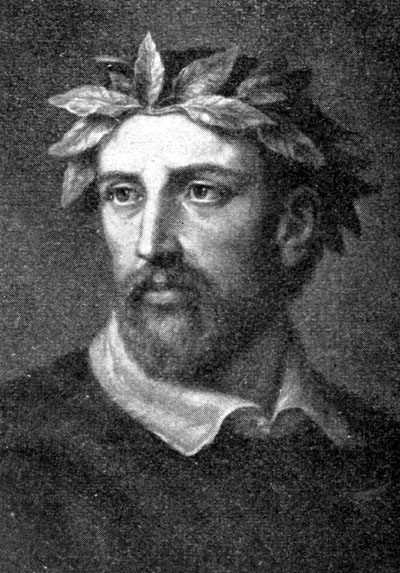
A poet laureate (plural: poets laureate) is a poet officially appointed by a government or conferring institution, typically expected to compose poems for special events and occasions. Albertino Mussato of Padua and Francesco Petrarca (Petrarch) of Arezzo were the first to be crowned poets laureate after the classical age, respectively in 1315 and 1342. In Britain, the term dates from the appointment of Bernard André by Henry VII of England. The royal office of Poet Laureate in England dates from the appointment of John Dryden in 1668.
In modern times, the title of poet laureate may be conferred by an organization such as the Poetry Foundation, which designates a Young People's Poet Laureate, unconnected with the National Youth Poet Laureate and the United States Poet Laureate.
The office is also popular with regional and community groups. Examples include the Pikes Peak Poet Laureate, which is designated by a "Presenting Partners" group from within the community, the Minnesota poet laureate chosen by the League of Minnesota Poets (est. 1934), the Northampton Poet Laureate chosen by the Northampton Arts Council, and the Martha's Vineyard Poet Laureate chosen by ten judges representing the Martha's Vineyard Poetry Society.
In ancient Greece, the laurel was used to form a crown or wreath of honour for poets and heroes. The custom derives from the ancient myth of Apollo and Daphne (Daphne signifying "laurel" in Greek), and was revived in Padua for Albertino Mussato, followed by Petrarch's own crowning ceremony in the audience hall of the medieval senatorial palazzo on the Campidoglio on April 8, 1341. Because the Renaissance figures who were attempting to revive the Classical tradition lacked detailed knowledge of the Roman precedent they were attempting to emulate, these ceremonies took on the character of doctoral candidatures. In Persia, the poet laureate (amīr- or malek-al-šoʿarāʾ) carried artistic authority and were provided sources of income.
Since the office of poet laureate has become widely adopted, the term "laureate" has come to signify recognition for preeminence or superlative achievement (cf. Nobel laureate). A royal degree in rhetoric, poet laureate was awarded at European universities in the Middle Ages. The term therefore may refer to the holder of such a degree, which recognized skill in rhetoric, grammar, and language. During England's seventeenth century, the poet laureate served as the "court poet" of royalty, and was often called upon to celebrate state occasions until that role was abolished during the early 1800s. The skald in ancient Scandinavia often spent their careers too serving as the court poets of Norway's kings. Just like the first English poets laureate, ministers during China's feudal era presented "commanded poems" at royal events and were beholden to the ruling class. In Japan, the poet laureate (keikanshijin) was also imperially appointed and were often called upon to read at the annual Utakai Hajime. Comparatively, in Africa, kingdoms such as the Kuba in the Belgian Congo (modern day Democratic Republic of the Congo) appointed bards that served as both the royal historian and poet laureate. In addition to being known as poets laureate, bards were also referred to as "praise-poets" due to their special function of venerating the chief.
In the Xhosa language, Imbongi YeSizwethe can be translated to mean either "poet laureate" or "national poet". Similar to what is expressed in the Xhosa term, some poets have been dually noted as "poet laureate" and "national poet" depending upon the source: Agostinho Neto (Angola), Kazi Nazrul Islam (Bangladesh), Rabindranath Tagore (India), José Craveirinha (Mozambique), Mahmoud Darwish (Palestine), Mohamed Ibrahim Warsame 'Hadrawi' (Somalia), Edwin Thumboo (Singapore) and Taras Shevchenko (Ukraine). This contrasts with other figures such as Shamsur Rahman (Bangladesh), Thomas Moore (Bermuda), Leung Ping-kwan (Hong Kong), Francisco Borja da Costa (Timor–Leste) and Haji Gora Haji (Zanzibar)—who are conferred an "unofficial poet laureate" status due to their poetical works.
As of modern times, over a dozen national governments continue the poet laureate tradition. The Commonwealth of Nations even has its own position, and Selina Tusitala Marsh was appointed the inaugural Commonwealth Poet Laureate in 2025.
In Algeria, during the 11th century, Ibn Sharaf al-Qayrawani was the court poet of the Zīrids. Al-Thaghri Al-Tilimsani was appointed as a court poet during the Zayyanid dynasty.
Hub AI
Poet laureate AI simulator
(@Poet laureate_simulator)
Poet laureate
A poet laureate (plural: poets laureate) is a poet officially appointed by a government or conferring institution, typically expected to compose poems for special events and occasions. Albertino Mussato of Padua and Francesco Petrarca (Petrarch) of Arezzo were the first to be crowned poets laureate after the classical age, respectively in 1315 and 1342. In Britain, the term dates from the appointment of Bernard André by Henry VII of England. The royal office of Poet Laureate in England dates from the appointment of John Dryden in 1668.
In modern times, the title of poet laureate may be conferred by an organization such as the Poetry Foundation, which designates a Young People's Poet Laureate, unconnected with the National Youth Poet Laureate and the United States Poet Laureate.
The office is also popular with regional and community groups. Examples include the Pikes Peak Poet Laureate, which is designated by a "Presenting Partners" group from within the community, the Minnesota poet laureate chosen by the League of Minnesota Poets (est. 1934), the Northampton Poet Laureate chosen by the Northampton Arts Council, and the Martha's Vineyard Poet Laureate chosen by ten judges representing the Martha's Vineyard Poetry Society.
In ancient Greece, the laurel was used to form a crown or wreath of honour for poets and heroes. The custom derives from the ancient myth of Apollo and Daphne (Daphne signifying "laurel" in Greek), and was revived in Padua for Albertino Mussato, followed by Petrarch's own crowning ceremony in the audience hall of the medieval senatorial palazzo on the Campidoglio on April 8, 1341. Because the Renaissance figures who were attempting to revive the Classical tradition lacked detailed knowledge of the Roman precedent they were attempting to emulate, these ceremonies took on the character of doctoral candidatures. In Persia, the poet laureate (amīr- or malek-al-šoʿarāʾ) carried artistic authority and were provided sources of income.
Since the office of poet laureate has become widely adopted, the term "laureate" has come to signify recognition for preeminence or superlative achievement (cf. Nobel laureate). A royal degree in rhetoric, poet laureate was awarded at European universities in the Middle Ages. The term therefore may refer to the holder of such a degree, which recognized skill in rhetoric, grammar, and language. During England's seventeenth century, the poet laureate served as the "court poet" of royalty, and was often called upon to celebrate state occasions until that role was abolished during the early 1800s. The skald in ancient Scandinavia often spent their careers too serving as the court poets of Norway's kings. Just like the first English poets laureate, ministers during China's feudal era presented "commanded poems" at royal events and were beholden to the ruling class. In Japan, the poet laureate (keikanshijin) was also imperially appointed and were often called upon to read at the annual Utakai Hajime. Comparatively, in Africa, kingdoms such as the Kuba in the Belgian Congo (modern day Democratic Republic of the Congo) appointed bards that served as both the royal historian and poet laureate. In addition to being known as poets laureate, bards were also referred to as "praise-poets" due to their special function of venerating the chief.
In the Xhosa language, Imbongi YeSizwethe can be translated to mean either "poet laureate" or "national poet". Similar to what is expressed in the Xhosa term, some poets have been dually noted as "poet laureate" and "national poet" depending upon the source: Agostinho Neto (Angola), Kazi Nazrul Islam (Bangladesh), Rabindranath Tagore (India), José Craveirinha (Mozambique), Mahmoud Darwish (Palestine), Mohamed Ibrahim Warsame 'Hadrawi' (Somalia), Edwin Thumboo (Singapore) and Taras Shevchenko (Ukraine). This contrasts with other figures such as Shamsur Rahman (Bangladesh), Thomas Moore (Bermuda), Leung Ping-kwan (Hong Kong), Francisco Borja da Costa (Timor–Leste) and Haji Gora Haji (Zanzibar)—who are conferred an "unofficial poet laureate" status due to their poetical works.
As of modern times, over a dozen national governments continue the poet laureate tradition. The Commonwealth of Nations even has its own position, and Selina Tusitala Marsh was appointed the inaugural Commonwealth Poet Laureate in 2025.
In Algeria, during the 11th century, Ibn Sharaf al-Qayrawani was the court poet of the Zīrids. Al-Thaghri Al-Tilimsani was appointed as a court poet during the Zayyanid dynasty.