
Recent from talks
Klemens von Metternich
Knowledge base stats:
Talk channels stats:
Members stats:
Klemens von Metternich
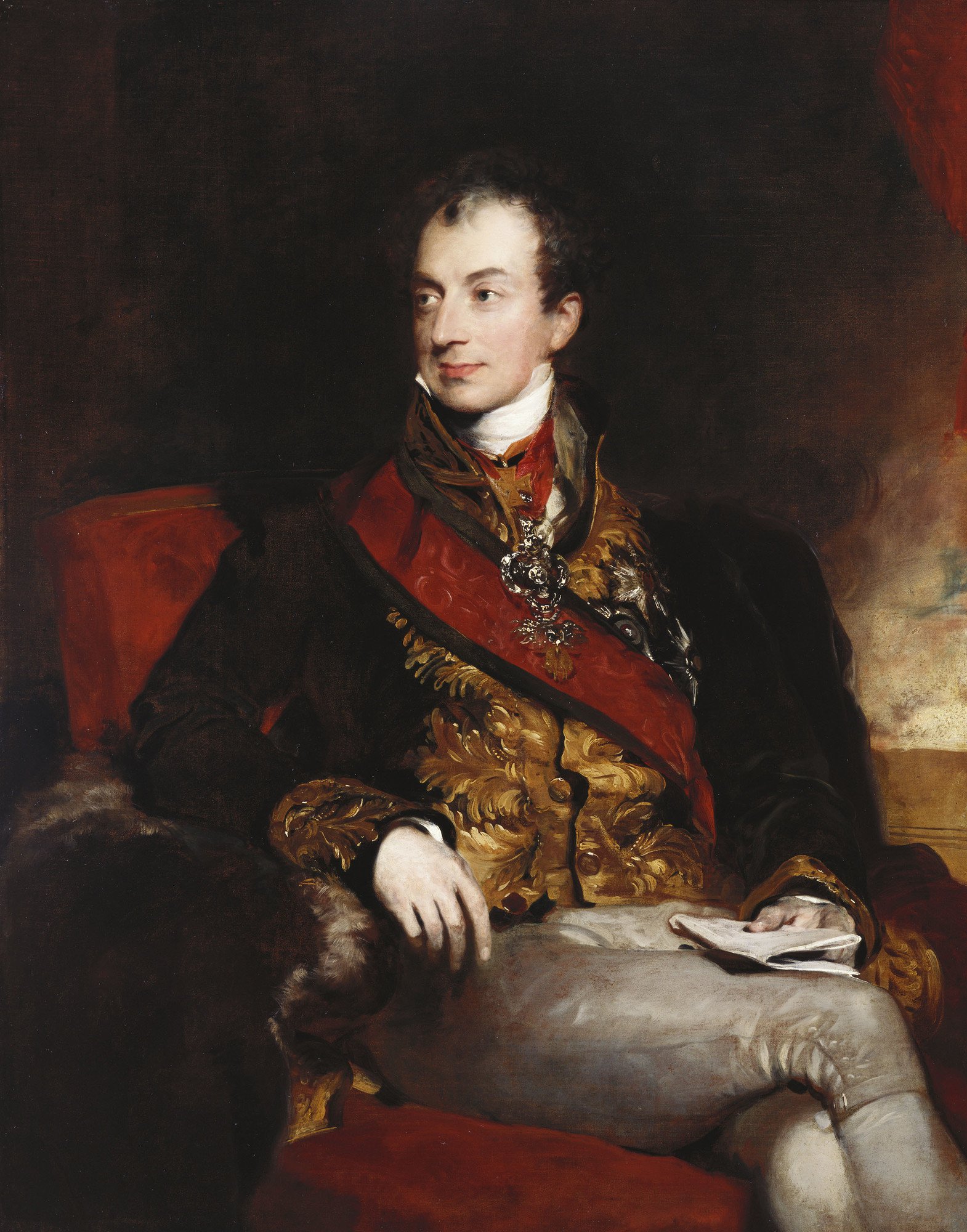
Klemens Wenzel Nepomuk Lothar, Prince of Metternich-Winneburg zu Beilstein (15 May 1773 – 11 June 1859), known as Klemens von Metternich (/ˈmɛtərnɪx/ MET-ər-nikh, German: [ˈkleːmɛns fɔn ˈmɛtɐnɪç]) or Prince Metternich, was a German statesman and diplomat in the service of the Austrian Empire. A conservative, Metternich was at the center of the European balance of power known as the Concert of Europe for three decades as Austrian foreign minister from 1809 and chancellor from 1821 until the liberal Revolutions of 1848 forced his resignation.
Born into the House of Metternich in 1773 as the son of a diplomat, Metternich received a good education at the universities of Strasbourg and Mainz. Metternich rose through key diplomatic posts, including ambassadorial roles in the Kingdom of Saxony, the Kingdom of Prussia, and especially Napoleonic France. One of his first assignments as Foreign Minister was to engineer a détente with France that included the marriage of Napoleon to the Austrian archduchess Marie Louise. Soon after, he engineered Austria's entry into the War of the Sixth Coalition on the Allied side, signed the Treaty of Fontainebleau that sent Napoleon into exile and led the Austrian delegation at the Congress of Vienna that divided post-Napoleonic Europe amongst the major powers. For his service to the Austrian Empire, he was given the title of Prince in October 1813.
Under his guidance, the "Metternich system" of international congresses continued for another decade as Austria aligned itself with Russia and to a lesser extent Prussia. This marked the high point of Austria's diplomatic importance and thereafter Metternich slowly slipped into the periphery of international diplomacy. At home, Metternich held the post of Chancellor of State from 1821 until 1848 under both Francis I and his son Ferdinand I. After a brief exile in London, Brighton, and Brussels that lasted until 1851, he returned to the Viennese court, only this time to offer advice to Ferdinand's successor, Franz Josef. Having outlived his generation of politicians, Metternich died at the age of 86 in 1859.
A traditional conservative, Metternich was keen to maintain the balance of power, particularly by resisting Russian territorial ambitions in Central Europe and the Ottoman Empire. He disliked liberalism and strove to prevent the breakup of the Austrian Empire, for example, by crushing nationalist revolts in Austrian northern Italy. At home, he pursued a similar policy, using censorship and a wide-ranging spy network to suppress unrest.
Metternich has been both praised and heavily criticized for the policies he pursued. His supporters pointed out that he presided over the "Austrian system" when international diplomacy helped prevent major wars in Europe. His qualities as a diplomat were commended, some noting that his achievements were considerable in light of the weakness of his negotiating position. Meanwhile, his detractors argued that he could have done much to secure Austria's future, and he was deemed a stumbling block to reforms in Austria. Metternich was also a supporter of the arts, taking a particular interest in music; he knew some of the most eminent composers in Europe, including Haydn, Beethoven, Rossini, Paganini and Liszt.
Klemens Metternich was born into the old Rhenish House of Metternich on 15 May 1773 to Franz Georg Karl Count of Metternich-Winneburg zu Beilstein (1746–1818), a diplomat who had passed from the service of the Electorate of Trier to that of the Imperial court, and his wife Countess Maria Beatrix Aloisia von Kageneck (1755–1828). He was named in honour of Prince Clemens Wenceslaus of Saxony, the archbishop-elector of Trier and the past employer of his father. He was the eldest son and had one older sister Pauline (1772–1855), wife of Duke Ferdinand Frederick Augustus of Württemberg. At the time of his birth, the family possessed a ruined keep at Beilstein, a castle at Winneberg, an estate west of Koblenz, and another in Königswart, Bohemia, won during the 17th century. At this time Metternich's father, described as "a boring babbler and chronic liar" by a contemporary, was the Austrian ambassador to the courts of the three Rhenish electors (Trier, Cologne and Mainz). Metternich's education was handled by his mother, heavily influenced by their proximity to France; Metternich spoke French better than German. As a child he went on official visits with his father and, under the direction of Protestant tutor John Frederick Simon, was tutored in academic subjects, swimming, and horsemanship.
In mid-1788, Metternich began studying law at the University of Strasbourg, matriculating on 12 November. While a student he was for some time accommodated by Prince Maximilian of Zweibrücken, the future King of Bavaria. At this time he was described by Simon as "happy, handsome and lovable", though contemporaries would later recount how he had been a liar and a braggart. Metternich left Strasbourg in September 1790 to attend Leopold II's October coronation in Frankfurt, where he performed the largely honorific role of Ceremonial Marshal to the Catholic Bench of the College of the Counts of Westphalia. There, under the wing of his father, he met with the future Francis II.
Between the end of 1790 and mid-1792 Metternich studied law at the University of Mainz, receiving a more conservative education than at Strasbourg, a city unsafe to return to due to the unfolding French Revolution, which had begun in 1789. In the summers he worked with his father, who had been appointed plenipotentiary and effective ruler of the Austrian Netherlands. In March 1792 Francis succeeded as Holy Roman Emperor and was crowned in July, affording Metternich a reprise of his earlier role of Ceremonial Marshal.
Hub AI
Klemens von Metternich AI simulator
(@Klemens von Metternich_simulator)
Klemens von Metternich
Klemens Wenzel Nepomuk Lothar, Prince of Metternich-Winneburg zu Beilstein (15 May 1773 – 11 June 1859), known as Klemens von Metternich (/ˈmɛtərnɪx/ MET-ər-nikh, German: [ˈkleːmɛns fɔn ˈmɛtɐnɪç]) or Prince Metternich, was a German statesman and diplomat in the service of the Austrian Empire. A conservative, Metternich was at the center of the European balance of power known as the Concert of Europe for three decades as Austrian foreign minister from 1809 and chancellor from 1821 until the liberal Revolutions of 1848 forced his resignation.
Born into the House of Metternich in 1773 as the son of a diplomat, Metternich received a good education at the universities of Strasbourg and Mainz. Metternich rose through key diplomatic posts, including ambassadorial roles in the Kingdom of Saxony, the Kingdom of Prussia, and especially Napoleonic France. One of his first assignments as Foreign Minister was to engineer a détente with France that included the marriage of Napoleon to the Austrian archduchess Marie Louise. Soon after, he engineered Austria's entry into the War of the Sixth Coalition on the Allied side, signed the Treaty of Fontainebleau that sent Napoleon into exile and led the Austrian delegation at the Congress of Vienna that divided post-Napoleonic Europe amongst the major powers. For his service to the Austrian Empire, he was given the title of Prince in October 1813.
Under his guidance, the "Metternich system" of international congresses continued for another decade as Austria aligned itself with Russia and to a lesser extent Prussia. This marked the high point of Austria's diplomatic importance and thereafter Metternich slowly slipped into the periphery of international diplomacy. At home, Metternich held the post of Chancellor of State from 1821 until 1848 under both Francis I and his son Ferdinand I. After a brief exile in London, Brighton, and Brussels that lasted until 1851, he returned to the Viennese court, only this time to offer advice to Ferdinand's successor, Franz Josef. Having outlived his generation of politicians, Metternich died at the age of 86 in 1859.
A traditional conservative, Metternich was keen to maintain the balance of power, particularly by resisting Russian territorial ambitions in Central Europe and the Ottoman Empire. He disliked liberalism and strove to prevent the breakup of the Austrian Empire, for example, by crushing nationalist revolts in Austrian northern Italy. At home, he pursued a similar policy, using censorship and a wide-ranging spy network to suppress unrest.
Metternich has been both praised and heavily criticized for the policies he pursued. His supporters pointed out that he presided over the "Austrian system" when international diplomacy helped prevent major wars in Europe. His qualities as a diplomat were commended, some noting that his achievements were considerable in light of the weakness of his negotiating position. Meanwhile, his detractors argued that he could have done much to secure Austria's future, and he was deemed a stumbling block to reforms in Austria. Metternich was also a supporter of the arts, taking a particular interest in music; he knew some of the most eminent composers in Europe, including Haydn, Beethoven, Rossini, Paganini and Liszt.
Klemens Metternich was born into the old Rhenish House of Metternich on 15 May 1773 to Franz Georg Karl Count of Metternich-Winneburg zu Beilstein (1746–1818), a diplomat who had passed from the service of the Electorate of Trier to that of the Imperial court, and his wife Countess Maria Beatrix Aloisia von Kageneck (1755–1828). He was named in honour of Prince Clemens Wenceslaus of Saxony, the archbishop-elector of Trier and the past employer of his father. He was the eldest son and had one older sister Pauline (1772–1855), wife of Duke Ferdinand Frederick Augustus of Württemberg. At the time of his birth, the family possessed a ruined keep at Beilstein, a castle at Winneberg, an estate west of Koblenz, and another in Königswart, Bohemia, won during the 17th century. At this time Metternich's father, described as "a boring babbler and chronic liar" by a contemporary, was the Austrian ambassador to the courts of the three Rhenish electors (Trier, Cologne and Mainz). Metternich's education was handled by his mother, heavily influenced by their proximity to France; Metternich spoke French better than German. As a child he went on official visits with his father and, under the direction of Protestant tutor John Frederick Simon, was tutored in academic subjects, swimming, and horsemanship.
In mid-1788, Metternich began studying law at the University of Strasbourg, matriculating on 12 November. While a student he was for some time accommodated by Prince Maximilian of Zweibrücken, the future King of Bavaria. At this time he was described by Simon as "happy, handsome and lovable", though contemporaries would later recount how he had been a liar and a braggart. Metternich left Strasbourg in September 1790 to attend Leopold II's October coronation in Frankfurt, where he performed the largely honorific role of Ceremonial Marshal to the Catholic Bench of the College of the Counts of Westphalia. There, under the wing of his father, he met with the future Francis II.
Between the end of 1790 and mid-1792 Metternich studied law at the University of Mainz, receiving a more conservative education than at Strasbourg, a city unsafe to return to due to the unfolding French Revolution, which had begun in 1789. In the summers he worked with his father, who had been appointed plenipotentiary and effective ruler of the Austrian Netherlands. In March 1792 Francis succeeded as Holy Roman Emperor and was crowned in July, affording Metternich a reprise of his earlier role of Ceremonial Marshal.
Recent media