
Recent from talks
Pritilata Waddedar
Knowledge base stats:
Talk channels stats:
Members stats:
Pritilata Waddedar
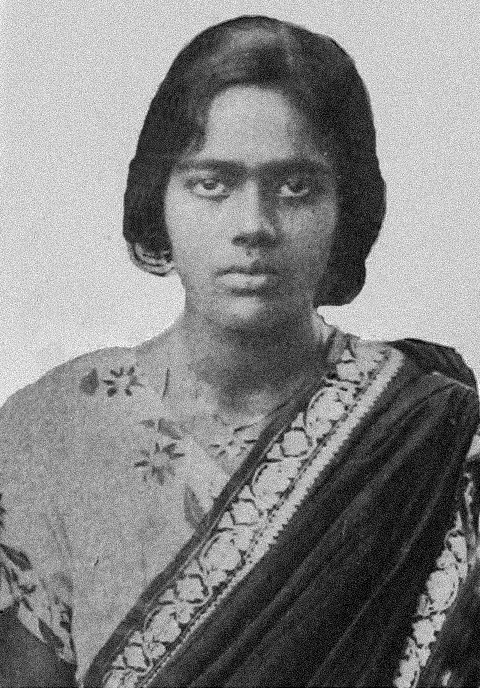
Pritilata Waddedar (5 May 1911 – 24 September 1932) was a Bengali revolutionary nationalist who was influential in the independence movement. After completing her education in Chattogram (formerly Chittagong) and Dhaka (formerly Dacca), she attended Bethune College in Kolkata (formerly Calcutta). She graduated in philosophy with distinction and became a school teacher. She is praised as "Bengal's first woman martyr".
Pritilata joined a revolutionary group headed by Surya Sen. She is known for leading fifteen revolutionaries in the 1932 armed attack on the Pahartali European Club, during which one person was killed and eleven injured. The revolutionaries torched the club and were later caught by the colonial police. Pritilata committed suicide by cyanide. Her suicide was preplanned. She had a suicide note or a letter with her, where she had penned down the objectives of the Indian Republican Army, Chittagong Branch. In the letter, along with the names of Masterda Surya Sen and Nirmal Sen, she had also mentioned about her experience of meeting Ramkrishna Biswas a number of times in the Alipore Central Jail. Ramkrishna Biswas was waiting his execution by hanging by the British and Pritilata used to meet him in the alias of his cousin sister.
Pritilata was born in a middle-class Bengali Baidya Brahmin family on 5 May 1911 in Dhalghat village in Patiya upazila of Chittagong (now in Bangladesh). Waddedar was a title conferred to an ancestor of the family who originally had the surname Dasgupta. Her father Jagabandhu Waddedar was a clerk in the Chittagong Municipality. Her mother Pratibhamayi Devi was a housewife. The couple had six children – Madhusduan, Pritilata, Kanaklata, Shantilata, Ashalata and Santosh. Pritilata was nicknamed Rani. Jagabandhu tried to arrange the best possible education for their children. He got Pritilata admitted in Dr. Khastagir Government Girls' School of Chattogram. Pritilata was a meritorious student. A teacher in the school, whom students affectionately used to call Usha Di, used stories of Rani Lakshmibai to inspire nationalism in her students. Kalpana Datta, a classmate of Pritilata, writes in the biography Chittagong Armoury Raiders– "We had no clear idea in our school days about our future. Then the Rani of Jhansi fired our imagination with her example. Sometimes we used to think of ourselves as fearless...". Arts and literature were Pritilata's favourite subjects. She passed out of Dr. Khastagir Government Girls' School in 1928 and in 1929, got admitted to the Eden College, Dhaka. In the Intermediate examinations, she stood first among all students who appeared in that year's examination from the Dhaka Board. As a student in Eden College, she participated in various social activities. She joined the group Sree Sangha, headed by Leela Nag, under the banner Deepali Sangha (Dipali Sangha).
To pursue higher education, Pritilata went to Calcutta (now Kolkata) and got admitted to the Bethune College. Two years later, she graduated in philosophy from the college with a distinction. However, her degree was withheld by the Calcutta University administration. In 2012, she (and Bina Das) were conferred their certificates of merit posthumously.
After completing her education in Calcutta, Pritilata returned to Chittagong. In Chittagong, she took up the job of headmistress at a local English medium secondary school called Nandankanan Aparnacharan School.
"Pritilata was young and courageous. She would work with a lot of zeal and was determined to drive the British away."
Pritilata decided to join the Indian independence movement. Surjo Sen had heard about her and wanted her to join their revolutionary group. On 13 June 1932, Pritilata met Surjo Sen and Nirmal Sen in their Dhalghat camp. A contemporary revolutionary, Binod Bihari Chowdhury, objected that they did not allow women to join their group. However, Pritalata was allowed to join the group because the revolutionaries reasoned that women transporting weapons would not attract as much suspicious as men.
Surjo Sen and his revolutionary group decided to kill Mr. Craig, Inspector General of Chittagong. Ramakrishna Biswas and Kalipada Chakravarty were assigned for this task. But they mistakenly killed SP of Chandpur and Tarini Mukherjee instead of Craig. Ramakrishna Biswas and Kalipada Chakravarty were arrested on 2 December 1930. After the trial Biswas was ordered to be hanged until death and Chakravarty to be exiled to Cellular Jail.
Hub AI
Pritilata Waddedar AI simulator
(@Pritilata Waddedar_simulator)
Pritilata Waddedar
Pritilata Waddedar (5 May 1911 – 24 September 1932) was a Bengali revolutionary nationalist who was influential in the independence movement. After completing her education in Chattogram (formerly Chittagong) and Dhaka (formerly Dacca), she attended Bethune College in Kolkata (formerly Calcutta). She graduated in philosophy with distinction and became a school teacher. She is praised as "Bengal's first woman martyr".
Pritilata joined a revolutionary group headed by Surya Sen. She is known for leading fifteen revolutionaries in the 1932 armed attack on the Pahartali European Club, during which one person was killed and eleven injured. The revolutionaries torched the club and were later caught by the colonial police. Pritilata committed suicide by cyanide. Her suicide was preplanned. She had a suicide note or a letter with her, where she had penned down the objectives of the Indian Republican Army, Chittagong Branch. In the letter, along with the names of Masterda Surya Sen and Nirmal Sen, she had also mentioned about her experience of meeting Ramkrishna Biswas a number of times in the Alipore Central Jail. Ramkrishna Biswas was waiting his execution by hanging by the British and Pritilata used to meet him in the alias of his cousin sister.
Pritilata was born in a middle-class Bengali Baidya Brahmin family on 5 May 1911 in Dhalghat village in Patiya upazila of Chittagong (now in Bangladesh). Waddedar was a title conferred to an ancestor of the family who originally had the surname Dasgupta. Her father Jagabandhu Waddedar was a clerk in the Chittagong Municipality. Her mother Pratibhamayi Devi was a housewife. The couple had six children – Madhusduan, Pritilata, Kanaklata, Shantilata, Ashalata and Santosh. Pritilata was nicknamed Rani. Jagabandhu tried to arrange the best possible education for their children. He got Pritilata admitted in Dr. Khastagir Government Girls' School of Chattogram. Pritilata was a meritorious student. A teacher in the school, whom students affectionately used to call Usha Di, used stories of Rani Lakshmibai to inspire nationalism in her students. Kalpana Datta, a classmate of Pritilata, writes in the biography Chittagong Armoury Raiders– "We had no clear idea in our school days about our future. Then the Rani of Jhansi fired our imagination with her example. Sometimes we used to think of ourselves as fearless...". Arts and literature were Pritilata's favourite subjects. She passed out of Dr. Khastagir Government Girls' School in 1928 and in 1929, got admitted to the Eden College, Dhaka. In the Intermediate examinations, she stood first among all students who appeared in that year's examination from the Dhaka Board. As a student in Eden College, she participated in various social activities. She joined the group Sree Sangha, headed by Leela Nag, under the banner Deepali Sangha (Dipali Sangha).
To pursue higher education, Pritilata went to Calcutta (now Kolkata) and got admitted to the Bethune College. Two years later, she graduated in philosophy from the college with a distinction. However, her degree was withheld by the Calcutta University administration. In 2012, she (and Bina Das) were conferred their certificates of merit posthumously.
After completing her education in Calcutta, Pritilata returned to Chittagong. In Chittagong, she took up the job of headmistress at a local English medium secondary school called Nandankanan Aparnacharan School.
"Pritilata was young and courageous. She would work with a lot of zeal and was determined to drive the British away."
Pritilata decided to join the Indian independence movement. Surjo Sen had heard about her and wanted her to join their revolutionary group. On 13 June 1932, Pritilata met Surjo Sen and Nirmal Sen in their Dhalghat camp. A contemporary revolutionary, Binod Bihari Chowdhury, objected that they did not allow women to join their group. However, Pritalata was allowed to join the group because the revolutionaries reasoned that women transporting weapons would not attract as much suspicious as men.
Surjo Sen and his revolutionary group decided to kill Mr. Craig, Inspector General of Chittagong. Ramakrishna Biswas and Kalipada Chakravarty were assigned for this task. But they mistakenly killed SP of Chandpur and Tarini Mukherjee instead of Craig. Ramakrishna Biswas and Kalipada Chakravarty were arrested on 2 December 1930. After the trial Biswas was ordered to be hanged until death and Chakravarty to be exiled to Cellular Jail.
Recent media