Hubbry Logo
Rare-earth elementRare-earth elementMain
Open search
Rare-earth element
Community hub
Rare-earth element
logo
8 pages, 0 posts
0 subscribers
Be the first to start a discussion here.
Rare-earth element
Rare-earth element
from Wikipedia

Rare-earth elements
in the periodic table
Hydrogen Helium
Lithium Beryllium Boron Carbon Nitrogen Oxygen Fluorine Neon
Sodium Magnesium Aluminium Silicon Phosphorus Sulfur Chlorine Argon
Potassium Calcium Scandium Titanium Vanadium Chromium Manganese Iron Cobalt Nickel Copper Zinc Gallium Germanium Arsenic Selenium Bromine Krypton
Rubidium Strontium Yttrium Zirconium Niobium Molybdenum Technetium Ruthenium Rhodium Palladium Silver Cadmium Indium Tin Antimony Tellurium Iodine Xenon
Caesium Barium Lanthanum Cerium Praseodymium Neodymium Promethium Samarium Europium Gadolinium Terbium Dysprosium Holmium Erbium Thulium Ytterbium Lutetium Hafnium Tantalum Tungsten Rhenium Osmium Iridium Platinum Gold Mercury (element) Thallium Lead Bismuth Polonium Astatine Radon
Francium Radium Actinium Thorium Protactinium Uranium Neptunium Plutonium Americium Curium Berkelium Californium Einsteinium Fermium Mendelevium Nobelium Lawrencium Rutherfordium Dubnium Seaborgium Bohrium Hassium Meitnerium Darmstadtium Roentgenium Copernicium Nihonium Flerovium Moscovium Livermorium Tennessine Oganesson
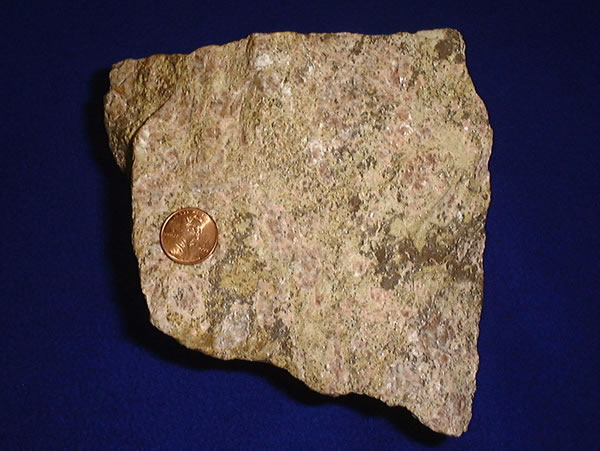
Rare-earth ore (shown with a 19 mm diameter US 1 cent coin for size comparison)
Refined rare-earth oxides are heavy, gritty powders usually brown or black, but can be lighter colors as shown here.

The rare-earth elements (REE), also called rare-earth metals, or rare earths, are a set of 17 nearly indistinguishable lustrous silvery-white soft heavy metals. The 15 lanthanides (or lanthanoids),[a] along with scandium and yttrium, are usually included as rare earths. Compounds containing rare-earths have diverse applications in electrical and electronic components, lasers, glass, magnetic materials, and industrial processes. Rare-earths are to be distinguished from critical minerals, which are materials of strategic or economic importance that are defined differently by different countries,[b] and rare-earth minerals, which are minerals that contains one or more rare-earth elements as major metal constituents.

The term "rare-earth" is a misnomer, because they are not actually scarce, but because they are only found in compounds, not as pure metals, and are difficult to isolate and purify. They are relatively plentiful in the entire Earth's crust (cerium being the 25th-most-abundant element at 68 parts per million, more abundant than copper), but in practice they are spread thinly as trace impurities, so to obtain rare earths at usable purity requires processing enormous amounts of raw ore at great expense.

Scandium and yttrium are considered rare-earth elements because they tend to occur in the same ore deposits as the lanthanides and exhibit similar chemical properties, but have different electrical and magnetic properties. All isotopes of promethium are radioactive, and it does not occur naturally in the earth's crust, except for a trace amount generated by spontaneous fission of uranium-238. They are often found in minerals with thorium, and less commonly uranium.

Because of their geochemical properties, rare-earth elements are typically dispersed and not often found concentrated in rare-earth minerals. Consequently, economically exploitable ore deposits are sparse. The first rare-earth mineral discovered (1787) was gadolinite, a black mineral composed of cerium, yttrium, iron, silicon, and other elements. This mineral was extracted from a mine in the village of Ytterby in Sweden. Four of the rare-earth elements bear names derived from this single location. Commercial production in modern times describes the reserves of the rare-earth elements in terms of "rare-earth oxides" (REOs) containing mixtures of various rare earth elements in oxide compounds.

The uses, applications, and demand for rare-earth elements have expanded over the years. In 2015, most REEs were being used for catalysts and magnets. The global move towards renewable energy technologies, such as electric vehicles (EVs) and wind turbines, along with advanced electronics, defence applications, and consumer electronics such as smartphones, has caused increased demand for REEs.

China dominates the rest of the world in terms of REE reserves and production; in 2019, it supplied around 90% of the global demand for the 17 rare-earth powders. The Chinese Government has placed restrictions on its supply and sales of REEs since around 2010 for various reasons. After United States president Donald Trump escalated the trade war with China in 2025, China introduced further restrictions, leading other countries with reserves to step up their exploration and production efforts. As of 2025, the US and Myanmar produce the second- and third-highest amounts of REEs, but Brazil and India have the second- and third-largest reserves of the metals.

History

[edit]

1787: Discovery

[edit]

Rare earths were mainly discovered as components of minerals. The term "rare" refers to these rarely found minerals and "earth" comes from an old name for oxides, the chemical form for these elements in the mineral.[2]: 5  The adjective "rare" may also mean strange or extraordinary.[3]: 12 

In 1787, a mineral discovered by Lieutenant Carl Axel Arrhenius at a quarry in the village of Ytterby, Sweden,[2]: 9  reached Johan Gadolin, a Royal Academy of Turku professor, and his analysis yielded an unknown oxide which he called yttria.[4]

1794–1878: Chemical isolation

[edit]

Anders Gustav Ekeberg, Swedish analytical chemist, chemically isolated the beryllium from the gadolinite but failed to recognize other elements in the ore. After this discovery in 1794, a mineral from Bastnäs near Riddarhyttan, Sweden, which was believed to be an irontungsten mineral, was re-examined by Jöns Jacob Berzelius and Wilhelm Hisinger. In 1803, they obtained a white oxide and called it ceria. Martin Heinrich Klaproth independently discovered the same oxide and called it ochroia. It took another 30 years for researchers to determine that other elements were contained in the two ores ceria and yttria. The similarity of the rare-earth metals' chemical properties made their separation difficult.

In 1839, Carl Gustav Mosander, an assistant of Berzelius, separated ceria by heating the nitrate and dissolving the product in nitric acid. He called the oxide of the soluble salt lanthana. It took him three more years to separate the lanthana further into didymia and pure lanthana. Didymia, although not further separable by Mosander's techniques, was in fact still a mixture of oxides.

In 1842, Mosander separated the yttria into three oxides: pure yttria, terbia, and erbia. All the names are derived from the town name "Ytterby". The earth giving pink salts he called terbium. The one that yielded yellow peroxide he called erbium.[5] By then the number of known rare-earth elements had reached six: yttrium, cerium, lanthanum, didymium, erbium, and terbium.

Nils Johan Berlin and Marc Delafontaine tried also to separate the crude yttria and found the same substances that Mosander obtained. In 1860, Berlin named the substance giving pink salts erbium. Delafontaine named the substance with the yellow peroxide, terbium. This confusion led to several false claims of new elements, such as the mosandrium of J. Lawrence Smith, or the philippium and decipium of Delafontaine. Due to the difficulty in separating the metals, and determining the separation is complete, the total number of false discoveries was dozens,[6][7] with some putting the total number of discoveries at over a hundred.[8]

1879–1930s: Spectroscopic identification

[edit]

There were no further discoveries for 30 years, and the element didymium was listed in the periodic table of elements with a molecular mass of 138. In 1879, Delafontaine used the new physical process of optical flame spectroscopy and found several new spectral lines in didymia. Also in 1879, Paul Émile Lecoq de Boisbaudran isolated the new element samarium from the mineral samarskite.

In 1886, the samaria earth was further separated by Lecoq de Boisbaudran. A similar result was obtained by Jean Charles Galissard de Marignac by direct isolation from samarskite. They named the element gadolinium after Johan Gadolin, and its oxide was named "gadolinia".

Further spectroscopic analysis between 1886 and 1901 of samaria, yttria, and samarskite by William Crookes, Lecoq de Boisbaudran and Eugène-Anatole Demarçay yielded several new spectral lines that indicated the existence of an unknown element. In 1901, the fractional crystallization of the oxides yielded europium.

In 1839, the third source for rare earths became available. This is a mineral similar to gadolinite called uranotantalum, now called "samarskite", an oxide of a mixture of elements such as yttrium, ytterbium, iron, uranium, thorium, calcium, niobium, and tantalum. This mineral from Miass in the southern Ural Mountains was documented by Gustav Rose. The Russian chemist R. Harmann proposed that a new element he called "ilmenium" should be present in this mineral, but later, Christian Wilhelm Blomstrand, Galissard de Marignac, and Heinrich Rose found only tantalum and niobium (columbium) in it.

The exact number of rare-earth elements that existed was highly unclear, and a maximum number of 25 was estimated. Using X-ray spectra Henry Gwyn Jeffreys Moseley confirmed the atomic theory of Niels Bohr and simultaneously developed the theory of atomic numbers for the elements.[9] Moseley found that the exact number of lanthanides had to be 15, revealing a missing element, element 61, a radioactive element with a half-life of 18 years.[10]

Using these facts about atomic numbers from X-ray crystallography, Moseley also showed that hafnium (element 72) would not be a rare-earth element. Moseley was killed in World War I in 1915, years before hafnium was discovered. Hence, the claim of Georges Urbain that he had discovered element 72 was untrue. Hafnium is an element that lies in the periodic table immediately below zirconium, and hafnium and zirconium have very similar chemical and physical properties.

1940s onwards: Purification

[edit]

In the 1940s, Frank Spedding and others in the United States, during the Manhattan Project, developed chemical ion-exchange procedures for separating and purifying rare-earth elements. This method was first applied to the actinides for separating plutonium-239 and neptunium from uranium, thorium, actinium, and the other actinides in the materials produced in nuclear reactors. Plutonium-239 was very desirable because it is a fissile material.

2022: Flash heating isolation method

[edit]

A 2022 study mixed fly ash with carbon black and then sent a 1-second current pulse through the mixture, heating it to 3,000 °C (5,430 °F). The fly ash contains microscopic bits of glass that encapsulate the metals. The heat shatters the glass, exposing the rare earths. Flash heating also converts phosphates into oxides, which are more soluble and extractable. Using hydrochloric acid at concentrations less than 1% of conventional methods, the process extracted twice as much material.[11]

Etymology

[edit]

The term "rare" in "rare-earth" is a misnomer because they are not actually scarce, but rather because they are only found in compounds, not as pure metals, or perhaps because they were considered exotic at the time of their discovery. The "earth" part refers to an old term for minerals that dissolve in acids and thus are stable to oxidation.[12][13] They are never found in highly concentrated form, usually being mixed together with one another, or with radioactive elements such as uranium and thorium, and can only be separated from other materials or one another with difficulty. This makes them difficult to purify.[14]

List of rare-earth elements

[edit]

Rare-earth elements or minerals are distinct from minerals or materials described as critical minerals or raw materials, which refers to materials that are considered to be of strategic or economic importance to a country. There is no single list, but individual governments compile lists of materials that are critical for their own economies.[15]

A table listing the 17 rare-earth elements, their atomic number and symbol, the etymology of their names, and their main uses (see also Applications of lanthanides) is provided here. Some of the rare-earth elements are named after the scientists who discovered them, or elucidated their elemental properties, and some after the geographical locations where discovered.

Overview of rare-earth metal properties
Z Symbol Name Etymology Selected applications Abundance[16][17]
(ppm[c])
21 Sc Scandium from Latin Scandia (Scandinavia). Light aluminium-scandium alloys for aerospace components, additive in metal-halide lamps and mercury-vapor lamps,[18] radioactive tracing agent in oil refineries 22
39 Y Yttrium after the village of Ytterby, Sweden, where the first rare-earth ore was discovered. Yttrium aluminium garnet (YAG) laser, yttrium vanadate (YVO4) as host for europium in television red phosphor, YBCO high-temperature superconductors, yttria-stabilized zirconia (YSZ) (used in tooth crowns; as refractory material - in metal alloys used in jet engines, and coatings of engines and industrial gas turbines; electroceramics - for measuring oxygen and pH of hot water solutions, i.e. in fuel cells; ceramic electrolyte - used in solid oxide fuel cell; jewelry - for its hardness and optical properties; do-it-yourself high temperature ceramics and cements based on water), yttrium iron garnet (YIG) microwave filters,[18] energy-efficient light bulbs (part of triphosphor white phosphor coating in fluorescent tubes, CFLs and CCFLs, and yellow phosphor coating in white LEDs),[19] spark plugs, gas mantles, additive to steel, aluminium and magnesium alloys, cancer treatments, camera and refractive telescope lenses (due to high refractive index and very low thermal expansion), battery cathodes (LYP) 33
57 La Lanthanum from the Greek "lanthanein", meaning to be hidden. High refractive index and alkali-resistant glass, flint, hydrogen storage, battery-electrodes, camera and refractive telescope lenses, fluid catalytic cracking catalyst for oil refineries 39
58 Ce Cerium after the dwarf planet Ceres, named after the Roman goddess of agriculture. Chemical oxidizing agent, polishing powder, yellow colors in glass and ceramics, catalyst for self-cleaning ovens, fluid catalytic cracking catalyst for oil refineries, ferrocerium flints for lighters, robust intrinsically hydrophobic coatings for turbine blades[20] 66.5
59 Pr Praseodymium from the Greek "prasios", meaning leek-green, and "didymos", meaning twin. Rare-earth magnets, lasers, core material for carbon arc lighting, colorant in glasses and enamels, additive in didymium glass used in welding goggles,[18] ferrocerium firesteel (flint) products, single-mode fiber optical amplifiers (as a dopant of fluoride glass) 9.2
60 Nd Neodymium from the Greek "neos", meaning new, and "didymos", meaning twin. Rare-earth magnets, lasers, violet colors in glass and ceramics, didymium glass, ceramic capacitors, electric motors in electric automobiles 41.5
61 Pm Promethium after the Titan Prometheus, who brought fire to mortals. Nuclear batteries, luminous paint 1×10⁻¹⁵[21][d]
62 Sm Samarium after mine official, Vasili Samarsky-Bykhovets. Rare-earth magnets, lasers, neutron capture, masers, control rods of nuclear reactors 7.05
63 Eu Europium after the continent of Europe. Red and blue phosphors, lasers, mercury-vapor lamps, fluorescent lamps, NMR relaxation agent 2
64 Gd Gadolinium after Johan Gadolin (1760–1852), to honor his investigation of rare earths. High refractive index glass or garnets, lasers, X-ray tubes, computer bubble memories, neutron capture, MRI contrast agent, NMR relaxation agent, steel and chromium alloys additive, magnetic refrigeration (using significant magnetocaloric effect), positron emission tomography scintillator detectors, a substrate for magneto-optical films, high performance high-temperature superconductors, ceramic electrolyte used in solid oxide fuel cells, oxygen detectors, possibly in catalytic conversion of automobile fumes. 6.2
65 Tb Terbium after the village of Ytterby, Sweden. Additive in neodymium based magnets, green phosphors, lasers, fluorescent lamps (as part of the white triband phosphor coating), magnetostrictive alloys such as terfenol-D, naval sonar systems, stabilizer of fuel cells 1.2
66 Dy Dysprosium from the Greek "dysprositos", meaning hard to get. Additive in neodymium based magnets, lasers, magnetostrictive alloys such as terfenol-D, hard disk drives 5.2
67 Ho Holmium after Stockholm (in Latin, "Holmia"), the native city of one of its discoverers. Lasers, wavelength calibration standards for optical spectrophotometers, magnets 1.3
68 Er Erbium after the village of Ytterby, Sweden. Infrared lasers, vanadium steel, fiber-optic technology 3.5
69 Tm Thulium after the mythological northern land of Thule. Portable X-ray machines, metal-halide lamps, lasers 0.52
70 Yb Ytterbium after the village of Ytterby, Sweden. Infrared lasers, chemical reducing agent, decoy flares, stainless steel, strain gauges, nuclear medicine, earthquake monitoring 3.2
71 Lu Lutetium after Lutetia, the city that later became Paris. Positron emission tomography – PET scan detectors, high-refractive-index glass, lutetium tantalate hosts for phosphors, catalyst used in refineries, LED light bulb 0.8
  1. ^ The 1985 International Union of Pure and Applied Chemistry "Red Book" (p. 45) recommends that lanthanoid is used rather than lanthanide. The ending "-ide" normally indicates a negative ion. However, owing to wide current usage, "lanthanide" is still allowed and is roughly analogous to rare-earth element.[1]
  2. ^ However many countries, including the United States, designate REEs as critical minerals.
  3. ^ Parts per million in Earth's crust, e.g. Pb=13 ppm
  4. ^ Promethium has no stable isotopes or primordial radioisotopes; trace quantities occur in nature as fission products.

Classification

[edit]

Before the time that ion exchange methods and elution were available, the separation of the rare earths was primarily achieved by repeated precipitation or crystallization. In those days, the first separation was into two main groups, the cerium earths (lanthanum, cerium, praseodymium, neodymium, and samarium) and the yttrium earths (scandium, yttrium, dysprosium, holmium, erbium, thulium, ytterbium, and lutetium).

Europium, gadolinium, and terbium were either considered as a separate group of rare-earth elements (the terbium group), or europium was included in the cerium group, and gadolinium and terbium were included in the yttrium group. In the latter case, the f-block elements are split into half: the first half (La–Eu) form the cerium group, and the second half (Gd–Yb) together with group 3 (Sc, Y, Lu) form the yttrium group.

The reason for this division arose from the difference in solubility of rare-earth double sulfates with sodium and potassium. The sodium double sulfates of the cerium group are poorly soluble, those of the terbium group slightly, and those of the yttrium group are very soluble.[22] Sometimes, the yttrium group was further split into the erbium group (dysprosium, holmium, erbium, and thulium) and the ytterbium group (ytterbium and lutetium), but today the main grouping is between the cerium and the yttrium groups.[23] Today, the rare-earth elements are classified as light or heavy rare-earth elements, rather than in cerium and yttrium groups.

Light versus heavy classification

[edit]

The classification of rare-earth elements is inconsistent between authors.[3] The most common distinction between rare-earth elements is made by atomic numbers. Those with low atomic numbers are referred to as light rare-earth elements (LREE), those with high atomic numbers are the heavy rare-earth elements (HREE), and those that fall in between are typically referred to as the middle rare-earth elements (MREE).[24] Commonly, rare-earth elements with atomic numbers 57 to 61 (lanthanum to promethium) are classified as light and those with atomic numbers 62 and greater are classified as heavy rare-earth elements.[25]

Increasing atomic numbers between light and heavy rare-earth elements and decreasing atomic radii throughout the series causes chemical variations.[25] Europium is exempt of this classification as it has two valence states: Eu2+ and Eu3+.[25] Yttrium is grouped as a heavy rare-earth element due to chemical similarities.[26] The break between the two groups is sometimes put elsewhere, such as between elements 63 (europium) and 64 (gadolinium).[27] The actual metallic densities of these two groups overlap, with the "light" group having densities from 6.145 (lanthanum) to 7.26 (promethium) or 7.52 (samarium) g/cc, and the "heavy" group from 6.965 (ytterbium) to 9.32 (thulium), as well as including yttrium at 4.47. Europium has a density of 5.24.

Geochemical classification

[edit]

The REE geochemical classification is usually done on the basis of their atomic weight. One of the most common classifications divides REE into 3 groups: light rare earths (LREE - from 57La to 60Nd), intermediate (MREE - from 62Sm to 67Ho) and heavy (HREE - from 68Er to 71Lu). REE usually appear as trivalent ions, except for Ce and Eu which can take the form of Ce4+ and Eu2+ depending on the redox conditions of the system. Consequentially, REE are characterized by a substantial identity in their chemical reactivity, which results in a serial behaviour during geochemical processes rather than being characteristic of a single element of the series. Sc, Y, and Lu can be electronically distinguished from the other rare earths because they do not have f valence electrons, whereas the others do, but the chemical behaviour is almost the same.

A distinguishing factor in the geochemical behaviour of the REE is linked to the so-called "lanthanide contraction" which represents a higher-than-expected decrease in the atomic/ionic radius of the elements along the series. This is determined by the variation of the shielding effect towards the nuclear charge due to the progressive filling of the 4f orbital which acts against the electrons of the 6s and 5d orbitals. The lanthanide contraction has a direct effect on the geochemistry of the lanthanides, which show a different behaviour depending on the systems and processes in which they are involved.[28]

The effect of the lanthanide contraction can be observed in the REE behaviour both in a CHARAC-type geochemical system (CHArge-and-RAdius-Controlled[28]) where elements with similar charge and radius should show coherent geochemical behaviour, and in non-CHARAC systems, such as aqueous solutions, where the electron structure is also an important parameter to consider as the lanthanide contraction affects the ionic potential. A direct consequence is that, during the formation of coordination bonds, the REE behaviour gradually changes along the series. Furthermore, the lanthanide contraction causes the ionic radius of Ho3+ (0.901 Å) to be almost identical to that of Y3+ (0.9 Å), justifying the inclusion of the latter among the REE.

Origin of rare-earth elements

[edit]

Rare-earth elements, except scandium, are heavier than iron and thus are produced by supernova nucleosynthesis or by the s-process in asymptotic giant branch stars. In nature, spontaneous fission of uranium-238 produces trace amounts of radioactive promethium, but most promethium is synthetically produced in nuclear reactors. Due to their chemical similarity, the concentrations of rare earths in rocks are only slowly changed by geochemical processes, making their proportions useful for geochronology and dating fossils.

The principal sources of rare-earth elements are the minerals bastnäsite (RCO3F, where R is a mixture of rare-earth elements), monazite (XPO4, where X is a mixture of rare-earth elements and sometimes thorium), and loparite ((Ce,Na,Ca)(Ti,Nb)O3), and the lateritic ion-adsorption clays. Despite their high relative abundance, rare-earth minerals are more difficult to mine and extract than equivalent sources of transition metals, due in part to their similar chemical properties, making the rare-earth elements relatively expensive. Their industrial use was very limited until efficient separation techniques were developed, such as ion exchange, fractional crystallization, and liquid–liquid extraction in the late 1950s and early 1960s.[29]

Some ilmenite concentrates contain small amounts of scandium and other rare-earth elements, which could be analysed by X-ray fluorescence (XRF).[30]

Properties

[edit]

According to chemist Andrea Sella in 2016, rare-earth elements differ from other elements, in that when looked at analytically, they are virtually inseparable, having almost the same chemical properties. However, in terms of their electronic and magnetic properties, each one occupies a unique technological niche that nothing else can.[31] For example, "the rare-earth elements praseodymium (Pr) and neodymium (Nd) can both be embedded inside glass and they completely cut out the glare from the flame when one is doing glass-blowing."[31]

Scandium and yttrium are considered rare-earth elements because they tend to occur in the same ore deposits as the lanthanides and exhibit similar chemical properties, but have different electrical and magnetic properties.[31][32]

Rare-earth metals tarnish slowly in air at room temperature and react slowly with cold water to form hydroxides, liberating hydrogen. They react with steam to form oxides and ignite spontaneously at a temperature of 400 °C (752 °F). These elements and their compounds have no biological function other than in several specialized enzymes, such as in lanthanide-dependent methanol dehydrogenases in bacteria.[33] The water-soluble compounds are mildly to moderately toxic, but the insoluble ones are not.[34] All isotopes of promethium are radioactive, and it does not occur naturally in the earth's crust, except for a trace amount generated by spontaneous fission of uranium-238. They are often found in minerals with thorium, and less commonly uranium.

Rare-earth compounds

[edit]

Rare-earth elements occur in nature in combination with phosphate (monazite), carbonate-fluoride (bastnäsite), and oxygen anions.

In their oxides, most rare-earth elements only have a valence of 3 and form sesquioxides (cerium forms CeO2). Five different crystal structures are known, depending on the element and the temperature. The X-phase and the H-phase are only stable above 2000 K. At lower temperatures, there are the hexagonal A-phase, the monoclinic B-phase, and the cubic C-phase, which is the stable form at room temperature for most of the elements. The C-phase was once thought to be in space group I213 (no. 199),[35] but is now known to be in space group Ia3 (no. 206).

The structure is similar to that of fluorite or cerium dioxide (in which the cations form a face-centred cubic lattice and the anions sit inside the tetrahedra of cations), except that one-quarter of the anions (oxygen) are missing. The unit cell of these sesquioxides corresponds to eight unit cells of fluorite or cerium dioxide, with 32 cations instead of 4. This is called the bixbyite structure, as it occurs in a mineral of that name ((Mn,Fe)2O3).[36]

Geological distribution

[edit]
The abundance of elements in Earth's crust per million Si atoms (y axis is logarithmic)

The rare-earth elements are found on Earth at similar concentrations to many common transition metals. The most abundant rare-earth element is cerium, which is actually the 25th most abundant element in Earth's crust, having 68 parts per million (about as common as copper). The exception is the highly unstable and radioactive promethium "rare earth" is quite scarce. The longest-lived isotope of promethium has a half-life of 17.7 years, so the element exists in nature in only negligible amounts (approximately 572 g in the entire Earth's crust).[37] Promethium is one of the two elements that do not have stable (non-radioactive) isotopes and are followed by (i.e. with higher atomic number) stable elements (the other being technetium).

The rare-earth elements are often found together. During the sequential accretion of the Earth, the dense rare-earth elements were incorporated into the deeper portions of the planet. Early differentiation of molten material largely incorporated the rare earths into mantle rocks.[38] The high field strength[clarification needed] and large ionic radii of rare earths make them incompatible with the crystal lattices of most rock-forming minerals, so REE will undergo strong partitioning into a melt phase if one is present.[38]

REE are chemically very similar and have always been difficult to separate, but the gradual decrease in ionic radius from light REE (LREE) to heavy REE (HREE), called the lanthanide contraction, can produce a broad separation between light and heavy REE. The larger ionic radii of LREE make them generally more incompatible than HREE in rock-forming minerals, and will partition more strongly into a melt phase, while HREE may prefer to remain in the crystalline residue, particularly if it contains HREE-compatible minerals like garnet.[38][39] The result is that all magma formed from partial melting will always have greater concentrations of LREE than HREE, and individual minerals may be dominated by either HREE or LREE, depending on which range of ionic radii best fits the crystal lattice.[38]

Among the anhydrous rare-earth phosphates, it is the tetragonal mineral xenotime that incorporates yttrium and the HREE, whereas the monoclinic monazite phase incorporates cerium and the LREE preferentially. The smaller size of the HREE allows greater solid solubility in the rock-forming minerals that make up Earth's mantle, and thus yttrium and the HREE show less enrichment in Earth's crust relative to chondritic abundance than does cerium and the LREE.[40]

This has economic consequences: large ore bodies of LREE are known around the world and are being exploited. Ore bodies for HREE are more rare, smaller, and less concentrated. Most of the current supply of HREE originates in the "ion-absorption clay" ores of Southern China. Some versions provide concentrates containing about 65% yttrium oxide, with the HREE being present in ratios reflecting the Oddo–Harkins rule: even-numbered REE at abundances of about 5% each, and odd-numbered REE at abundances of about 1% each. Similar compositions are found in xenotime or gadolinite.[40]

Well-known minerals containing yttrium, and other HREE, include gadolinite, xenotime, samarskite, euxenite, fergusonite, yttrotantalite, yttrotungstite, yttrofluorite (a variety of fluorite), thalenite, and yttrialite. Small amounts occur in zircon, which derives its typical yellow fluorescence from some of the accompanying HREE. The zirconium mineral eudialyte, such as is found in southern Greenland (an autonomous territory of Denmark), contains small but potentially useful amounts of yttrium. Of the above yttrium minerals, most played a part in providing research quantities of lanthanides during the discovery days. Xenotime is occasionally recovered as a byproduct of heavy-sand processing, but is not as abundant as the similarly recovered monazite (which typically contains a few percent of yttrium). Uranium ores from Ontario have occasionally yielded yttrium as a byproduct.[40]

Well-known minerals containing cerium, and other LREE, include bastnäsite, monazite, allanite, loparite, ancylite, parisite, lanthanite, chevkinite, cerite, stillwellite, britholite, fluocerite, and cerianite. Monazite (marine sands from Brazil, India, or Australia; rock from South Africa), bastnäsite (from Mountain Pass rare earth mine, or several localities in China), and loparite (Kola Peninsula, Russia) have been the principal ores of cerium and the light lanthanides.[40]

Enriched deposits of rare-earth elements at the surface of the Earth, carbonatites and pegmatites, are related to alkaline plutonism, an uncommon kind of magmatism that occurs in tectonic settings where there is rifting or that are near subduction zones.[39] In a rift setting, the alkaline magma is produced by very small degrees of partial melting (<1%) of garnet peridotite in the upper mantle (200 to 600 km depth).[39] This melt becomes enriched in incompatible elements, like the rare-earth elements, by leaching them out of the crystalline residue. The resultant magma rises as a diapir, or diatreme, along pre-existing fractures, and can be emplaced deep in the crust, or erupted at the surface.[38][39]

Typical REE enriched deposits types forming in rift settings are carbonatites, and A- and M-Type granitoids.[38][39] Near subduction zones, partial melting of the subducting plate within the asthenosphere (80 to 200 km depth) produces a volatile-rich magma (high concentrations of CO2 and water), with high concentrations of alkaline elements, and high element mobility that the rare earths are strongly partitioned into.[38] This melt may also rise along pre-existing fractures, and be emplaced in the crust above the subducting slab or erupted at the surface. REE-enriched deposits forming from these melts are typically S-Type granitoids.[38][39]

Alkaline magmas enriched with rare-earth elements include carbonatites, peralkaline granites (pegmatites), and nepheline syenite. Carbonatites crystallize from CO2-rich fluids, which can be produced by partial melting of hydrous-carbonated lherzolite to produce a CO2-rich primary magma, by fractional crystallization of an alkaline primary magma, or by separation of a CO2-rich immiscible liquid from.[38][39] These liquids are most commonly forming in association with very deep Precambrian cratons, like the ones found in Africa and the Canadian Shield.[38]

Ferrocarbonatites are the most common type of carbonatite to be enriched in REE, and are often emplaced as late-stage, brecciated pipes at the core of igneous complexes. They consist of fine-grained calcite and hematite, sometimes with significant concentrations of ankerite and minor concentrations of siderite.[38][39] Large carbonatite deposits enriched in rare-earth elements include Mount Weld in Australia, Thor Lake in Canada, Zandkopsdrift in South Africa, and Mountain Pass in the United States.[39]

Peralkaline granites (A-Type granitoids) have very high concentrations of alkaline elements and very low concentrations of phosphorus; they are deposited at moderate depths in extensional zones, often as igneous ring complexes, or as pipes, massive bodies, and lenses.[38][39] These fluids have very low viscosities and high element mobility, which allows for the crystallization of large grains, despite a relatively short crystallization time upon emplacement; their large grain size is why these deposits are commonly referred to as pegmatites.[39]

Economically viable pegmatites include Niobium-Yttrium-Fluorine (NYF) types enriched in Yttrium and other rare-earth minerals, with REE-rich deposits found at Strange Lake in Canada and Khaladean-Buregtey in Mongolia.[39] Nepheline syenite (M-Type granitoids) deposits are 90% feldspar and feldspathoid minerals. They are deposited in small, circular massifs and contain high concentrations of rare-earth-bearing accessory minerals.[38][39] For the most part, these deposits are small but important examples include Illimaussaq-Kvanefeld in Greenland, and Lovozera in Russia.[39]

Rare-earth elements can also be enriched in deposits by secondary alteration either by interactions with hydrothermal fluids or meteoric water or by erosion and transport of resistate REE-bearing minerals. Argillization of primary minerals enriches insoluble elements by leaching out silica and other soluble elements, recrystallizing feldspar into clay minerals such kaolinite, halloysite, and montmorillonite. In tropical regions where precipitation is high, weathering forms a thick argillized regolith, this process is called supergene enrichment and produces laterite deposits. Heavy rare-earth elements are incorporated into the residual clay by absorption. This kind of deposit is only mined for REE in Southern China, where the majority of global heavy rare-earth element production occurs. REE-laterites do form elsewhere, including over the carbonatite at Mount Weld in Australia. REE may also be extracted from placer deposits if the sedimentary parent lithology contains REE-bearing, heavy resistate minerals.[39]

In 2011, Yasuhiro Kato, a geologist at the University of Tokyo who led a study of Pacific Ocean seabed mud, published results indicating the mud could hold rich concentrations of rare-earth minerals, leading to his belief that undersea rare-earth resources are more promising than land-based ones.[40][41]

Extraction and production

[edit]

Rare-earth elements (REEs) are purified from rare-earth oxides (REOs) and mining reserves are quoted in terms of (REO). Terminology deriving from this term includes:

  • HREO: collective oxides of the heavy rare-earth elements[42][43]
  • LREO: collective oxides of the light rare-earth elements[42][43]
  • TREO: Total Rare Earth Oxides, the cumulative measurement of both HREOs and LREOs[42][43]
  • CREO: Critical Rare Earth Oxides, a group of oxides defined by the US Department of Energy in December 2011 as "critical" (oxides of Nd, Dy, Eu, Y, and Tb)[42][43]
  • MREO or MagREO: Magnetic Rare Earth Oxides, a group of rare earth oxides used in the production of Neodymium-Iron-Boron permanent magnets (oxides of Nd, Pr, Dy, and Tb)[42][43]

Production and demand overview

[edit]
Global production 1950–2000.

Because of their geochemical properties, rare-earth elements are typically dispersed and not often found concentrated in rare-earth minerals. Consequently, economically exploitable ore deposits are sparse.[44]

Until 1948, most of the world's rare earths were sourced from placer sand deposits in India and Brazil. In the 1950s, South Africa was the world's rare earth source, from a monazite-rich reef at the Steenkampskraal mine in Western Cape province.[45] From the 1960s until the 1980s, the Mountain Pass rare earth mine in California made the United States the leading producer.[44] In the 1990s, European countries, in particular France, produced a lot of rare earths.[46] After China undercut world prices in the 1990s, many mines in other countries closed, and it takes several years to restart production.[47][48]

In 2009, future worldwide demand for rare-earth elements was expected to exceed supply by 40,000 metric tons annually unless major new sources are developed.[49] As a result of the increased demand and tightening restrictions on exports of the metals from China, in 2011, some countries were stockpiling rare-earth resources,[50] Searches for alternative sources continued in many other countries.[51] In 2013, it was stated that the demand for REEs would increase due to the dependence of the EU on these elements, the fact that rare-earth elements cannot be substituted by other elements, and because REEs have a low recycling rate. Due to the increased demand and low supply, future prices were expected to increase.[52] Demand continues to increase due to the fact that they are essential for new and innovative technology. These new products that need REEs to be produced are high-technology equipment such as smartphones, digital cameras, computer parts, semiconductors, etc. In addition, these elements are more prevalent in industries such as renewable energy technology, military equipment, glassmaking, and metallurgy.[53] Increased demand has strained supply, and there has been growing concern that the world may soon face a shortage of the rare earths.[54] As of late 2023, the global demand for rare-earth elements (REEs) was expected to increase more than fivefold by 2030.[55][56]

In 2017, China produced 81% of the world's rare-earth supply, mostly in Inner Mongolia,[44][57] although it had only 36.7% of reserves.[citation needed] In 2018, Australia was the world's second-largest producer, and the only other major producer, with 15% of world production.[58] The Browns Range mine, located 160 km (99 mi) south-east of Halls Creek in northern Western Australia, was under development in 2018, and was positioned to become the first significant dysprosium producer outside of China.[59] As of 2022, all of the world's heavy rare earths (such as dysprosium) were coming from Chinese rare-earth sources, such as the polymetallic Bayan Obo deposit.[57][60] In 2023, there were over a hundred ongoing mining projects, with many options outside of China.[61]

As of 2025, 85–90% of global rare-earth mineral refining capacity is in China,[62] which both mines and refines them on a large scale. China is responsible for over half of global mining, and almost 90% of processing, of rare-earths. Around 80% of US rare-earth supply is sourced from China, and the EU imports around 98% of its use from China.[46] The overall global market for rare-earth is approximately 300,000 metric tons annually, about US$5 billion per year.[62]

Production by country

[edit]

The top eight countries in terms of REE reserves, as per the US Geological Survey's February 2025 report on rare-earth elements, are as follows (in tonnes of rare earth oxide equivalent):[63]

  1. China: 44 million metric tons
  2. Brazil: 21 million metric tons
  3. India: 6.9 million metric tons
  4. Australia: 5.7 million metric tons
  5. Russia: 3.8 million metric tons
  6. Vietnam: 3.5 million metric tons
  7. US: 1.9 million metric tons
  8. Greenland (Denmark): 1.5 million metric tons

The top 10 countries in terms of REE production in 2025 are as follows:[64]

  1. China: 270,000 metric tons
  2. US: 45,000 metric tons
  3. Myanmar: 31,000 metric tons
  4. Australia: 13,000 metric tons
  5. Nigeria: 13,000 metric tons
  6. Thailand: 13,000 metric tons
  7. India: 2,900 metric tons
  8. Russia: 2,500 metric tons
  9. Madagascar: 2,000 metric tons
  10. Vietnam: 300 metric tons

China

[edit]

In 2009 China announced plans to reduce its export quota to 35,000 tons per year in 2010–2015, ostensibly to conserve scarce resources and protect the environment.[65][66] It also announced regulations on exports and a crackdown on smuggling.[47] It also suspended rare-earth exports to Japan, due to a dispute over territory.[67] The government in Beijing further increased its control by forcing smaller, independent miners to merge into state-owned corporations or face closure. At the end of 2010, China announced that the first round of export quotas in 2011 for rare earths would be 14,446 tons, a 35% decrease from the previous first round of quotas in 2010.[68] It announced further export quotas in July 2011 for the second half of the year, with total allocation at 30,184 tons and total production capped at 93,800 metric tons.[69] In September 2011, China announced the halt in production of three of its eight major rare-earth mines, responsible for almost 40% of China's total rare-earth production.[70]

In March 2012, the US, EU, and Japan confronted China at the World Trade Organization (WTO) about these export and production restrictions. China responded with claims that the restrictions had environmental protection in mind.[71][72] In August 2012, China announced a further 20% reduction in production.[73] The United States, Japan, and the European Union filed a joint lawsuit with the WTO in 2012 against China, arguing that China should not be able to deny such important exports.[72]

In 2012, in response to the opening of new mines in other countries (Lynas in Australia and Molycorp in the United States), prices of rare earths dropped.[74] The price of dysprosium oxide was US$994/kg in 2011, and dropped to US$265/kg by 2014.[75]

In August 2014, the WTO ruled that China had broken free-trade agreements, and the WTO said in the summary of key findings that "the overall effect of the foreign and domestic restrictions is to encourage domestic extraction and secure preferential use of those materials by Chinese manufacturers." China declared that it would implement the ruling on 26 September 2014, but would need some time to do so. By 5 January 2015, China had lifted all quotas from the export of rare earths, but export licenses were still required.[76]

China shut down some of its own ionic clay mines due to their environmental impact, and started mining heavy rare-earths in Myanmar.[77]

In 2019, China supplied between 85% and 95% of the global demand for the 17 rare-earth powders, much of it sourced from Myanmar.[78] After the 2021 military coup in that country, future supplies of critical ores were possibly constrained.[79]

Between 2020 and 2023, 70% of all rare earth compounds and metals imported into the United States came from China.[80]

As of 2025, China was digging up 70 percent of the global supply of rare-earths, but was also processing around 90 of the world supply, refining not only its own ore, but also nearly all of Myanmar's[81] and Australia's,[82] as well as almost half of American production.[81] but the chemical processing for 90 percent of the world’s rare earths because it refines all of its own ore and also practically all of Myanmar’s and nearly half of U.S. production

In 2025, during the China–United States trade war, China restricted exports of heavy rare earths to the US.[83][84] After President Donald Trump imposed high tariffs on American goods being imported by China, in April 2025 China retaliated by imposing restrictions on the sale of seven rare earth minerals to America,[85] and in early October 2025 added further controls.[86]

United States

[edit]

The largest rare-earth deposit in the United States is at Mountain Pass, California, sixty miles south of Las Vegas. Originally opened by Molycorp, the deposit has been mined, off and on, since 1951.[57][87]

A second large deposit of REEs at Elk Creek in southeast Nebraska[88] has been under consideration by NioCorp Development Ltd[89] who hopes to open a niobium, scandium, and titanium mine there.[90] That mine may be able to produce as much as 7,200 metric tons of ferro niobium and 95 metric tons of scandium trioxide annually.[91] As of 2022, financing is still in the works.[88]

As of 2006, the Bokan Mountain project in Alaska was being developed.[92] The Bokan-Dotson Ridge project, the location of a significant deposit of REE, was the subject of a Preliminary Economic Assessment released in January 2013,[93] and was reported by the Alaska Department of Natural Resources to be in an "advanced exploration phase" by Ucore Rare Metals in 2025.[94] However it has no operational capacity.[95]

In 2024 American Rare Earths Inc. disclosed that its reserves near Wheatland Wyoming totaled 2.34 billion metric tons, possibly the world's largest, and larger than a separate 1.2 million metric ton deposit in northeastern Wyoming.[96]

After China had announced new restrictions on access to their rare-earths in 2025,[82] the U.S. has been seeking alternative supply chains.[97] On 20 October 2025, President Trump signed a deal with the Prime Minister of Australia, Anthony Albanese,[98] over rare-earths and other critical minerals[82][99] that are needed for commercial clean energy production and technologically advanced military hardware. They each committed to provide at least US$1bn (A$1.54bn) towards a number of projects worth $US8.5bn (A$13bn) in both the US and Australian projects over six months.[98]

Myanmar

[edit]

Rare earths were discovered near Pang War in Chipwi Township along the China–Myanmar border in the late 2010s.[100] The US Geological Survey does not have rare earths reserves data for Myanmar.[101]

China is known to import rare earths from Myanmar (see above).[102][103] In 2021, China imported US$200 million of rare earths from Myanmar, exceeding 20,000 metric tons, mostly from Kachin State, after shutting down its own domestic mines due to the detrimental environmental impact.[104] Chinese companies and miners are said to illegally set up operations in Kachin State without government permits, and instead circumvent the central government by working with a Border Guard Force militia under the Tatmadaw, formerly known as the New Democratic Army – Kachin, which has profited from this extractive industry.[104][105]

As of March 2022, there were 2,700 mining collection pools scattered across 300 separate locations found in Kachin State, encompassing the area of Singapore, an exponential increase from 2016.[104] Land has also been seized from locals to conduct mining operations.[104]

Australia

[edit]

In 2011, Australia produced 1,995 tonnes of rare earths. By 2021, it was the fourth largest producer of rare earths in the world, with a total production of 19,958 tonnes.[106] As of August 2025 the largest Australian REE companies in terms of stocks are Lynas Corporation; Iluka Resources; Brazilian Rare Earths (whose 1,410 km2 (540 sq mi) of mining claims are in the state of Bahia, Brazil); Arafura Rare Earths; and Northern Minerals, whose main development is in Browns Range, Western Australia.[107] Following the publication of its "Critical Minerals Strategy 2023–2030" in June 2023,[108] in November 2024, the Albanese government announced its "International Partnerships in Critical Minerals" program, which will provide AU$40 million in grants across eight projects.[109][110]

The government's Critical Minerals Strategic Reserve plan is due for publication at the end of 2026. The intention of this plan is to introduce mechanisms such as a price floor that bring stability to the market and reduce price volatility.[67]

On 21 October 2025, the Prime Minister of Australia, Anthony Albanese, signed a deal with the President of the United States, Donald Trump,[82] over rare-earths and other critical minerals that are needed for commercial clean energy production and technologically advanced military hardware. They each committed to provide at least US$1bn (A$1.54bn) towards a number of projects worth $US8.5bn (A$13bn) in both countries over six months.[98] The full framework between the two countries has been published on the Australian Department of Industry, Science and Resources website.[99]

Greenland

[edit]

In 2010, a large deposit of rare-earth minerals was discovered in Kvanefjeld in southern Greenland, which is an autonomous territory of Denmark.[111] Pre-feasibility drilling at this site has confirmed significant quantities of black lujavrite, which contains about 1% rare-earth oxides (REO).[112] The European Union has urged Greenland to restrict Chinese development of rare-earth projects there, but as of early 2013, the government of Greenland has said that it has no plans to impose such restrictions.[113] Many Danish politicians have expressed concerns that other nations, including China, could gain influence in thinly populated Greenland, given the number of foreign workers and investment that could come from Chinese companies in the near future because of the law passed December 2012.[114]

Brazil

[edit]

Brazil has the second-largest reserves of rare-earths in the world, at 23%, but has not produced the metals on a commercial scale until recently. As of June 2025 the Brazilian Government is providing nearly $1 billion in funding through the Brazilian Development Bank and the government funding agency Finep. Brazil is seen as a serious challenger to China's dominance of the market.[115][116]

In 2025, a former asbestos mine near the small city of Minaçu began operations to produce the four rare-earths neodymium, praseodymium, dysprosium, and terbium on a commercial scale, the first outside Asia to do this. Serra Verde mining company, which is controlled by American investment fund Denham Capital, began extracting rare-earth minerals in order to export them to China for processing. Mining of the minerals is done in shallow holes, using only water and salt to process the ores.[77] The Australian company Brazilian Rare Earths has 1,410 km2 (540 sq mi) of mining claims are in the state of Bahia.[107] Other companies operating in the sector include Aclara Resources, which is focused on providing MREOs to a magnet production facility in South Carolina, US; the Australian exploration company Viridis Mining and Minerals; Meteoric Resources NL, which is doing exploration and feasibility studies;[115] Ionic Rare Earths Ltd; and Neo Performance Materials Inc.[116] Many of the companies operating in Brazil emphasise their environmentally-friendly ionic-clay-based operations.[115]

India

[edit]

India has the third-largest reserves of rare-earths in the world, at 6.9 MT, including almost 35% of the world's sand mineral deposits, and has been stepping up the industry in the face of restrictions by China.[117] The government-owned Indian Rare Earths is a major player. It was reported in parliament in July 2025 that The country has around 7.23 million tonnes (MT) of REOs contained in 13.15 MT monazite, found in coastal, inland, and riverine sands in the states of Andhra Pradesh, Odisha, Tamil Nadu, Kerala, West Bengal, Jharkhand, Gujarat, and Maharashtra, while another 1.29 MT rare earths are held in hard rocks in parts of Gujarat and Rajasthan. The Atomic Minerals Directorate for Exploration and Research is carrying out exploration in all terrains. The Geological Survey of India has been involved in 34 exploration projects. India exported around 18 tonnes of rare earth minerals between 2015 and 2025.[118] However, India is lacking in advanced REE processing technology and skills, especially compared with China, the US, and Japan, so in 2025 the government launched its "National Critical Mineral Mission", with the aim of developing REE self-reliance.[117] With the growing market for EVs and the transition to renewables requiring rare-earths, India has experienced shortages.[119][120]

The Ministry of Mines has signed bilateral agreements with several governments around the world, including Australia, Argentina, Zambia, Peru, Zimbabwe, Mozambique, Malawi, and Côte d'Ivoire, as well as with the International Energy Agency.[118]

Vietnam

[edit]

Vietnam signed an agreement in October 2010 to supply Japan with rare earths,[121] from its northwestern Lai Châu Province.[122] but the deal was never realized due to disagreements.[123] One of the deposits is Mau Xe North.[124]

Madagascar

[edit]

A licence to mine rare-earths has been granted to an area covering around a third of the Ampasindava Peninsula on the north-western coast of Madagascar, after a number of exploration-only permits had been issued since 2003.[125][126] As of 2025, the licence is held by the Australian company Harena Resources, after changing hands several times. It has been determined that the site contains a defined mineral resource of 699 million tonnes at 868 ppm Total Rare Earth Oxides (TREO),[127] which, according to Harena, makes it one of the largest rare earth deposits in the world.[125]

Other countries

[edit]
Canada
[edit]

As of 2006, the remote Hoidas Lake project in northern Canada was being developed.[92] It was estimated[when?] that this project has the potential to supply about 10% of the $1 billion of REE consumption that occurs in North America every year.[128]

Under consideration for mining are sites such as Thor Lake in the Northwest Territories.[57][49][129]

Japan
[edit]

In May 2012, researchers from two universities in Japan announced that they had discovered rare earths in Ehime Prefecture, Japan.[130]

Malaysia
[edit]

In early 2011, Australian mining company Lynas was reported to be "hurrying to finish" a US$230 million rare-earth refinery on the eastern coast of Peninsular Malaysia's industrial port of Kuantan, which would refine ore — lanthanides concentrate from the Mount Weld mine in Australia. It was forecast that the refinery would meet nearly a third of the world's demand for rare-earth materials, excluding China.[131] The Kuantan development brought renewed attention to the Malaysian town of Bukit Merah in Perak, where a rare-earth mine operated by a Mitsubishi Chemical subsidiary, Asian Rare Earth, closed in 1994 and left continuing environmental and health concerns.[132][133] In mid-2011, after protests, Malaysian government restrictions on the Lynas plant were announced.[134] An independent review initiated by the Malaysian Government, and conducted by the International Atomic Energy Agency (IAEA) in 2011 to address concerns of radioactive hazards, found that it was compliant with international radiation safety standards.[135] After several delays, in September 2014 Lynas was issued a two-year full operating stage license by the AELB.[136]

In November 2024, economy minister Rafizi Ramli said he hoped Malaysia would be able to produce rare-earth elements within three years, through discussions with China to provide technology.[137] There was some concern in the community about plans to mine rare-earth elements at Kedah, as the mines could destroy forest reserves and harm water catchment areas.[138][139]

North Korea
[edit]

North Korea has been reported to have exported rare-earth ore to China, about US$1.88 million worth during May and June 2014.[140][141]

Norway
[edit]

In June 2024, Rare Earths Norway found a rare-earth oxide deposit of 8.8 million metric tons in Telemark, Norway, making it Europe's largest known rare-earth element deposit. The mining firm predicted that it would finish developing the first stage of mining in 2030.[142]

South Africa
[edit]

Significant sites under development include Steenkampskraal in South Africa, the world's highest grade rare-earths and thorium mine, closed in 1963, but has been gearing to go back into production.[143] The mine is considered to have the highest-grade ore of monazite in the world,[144] at 50% Total Rare Earth Oxides (TREO). In September 2025 the Industrial Development Corporation (IDC) of South Africa released funding for Phase 1: Metallurgical Implementation.[145] The mine is expected to have a mine life of around 28 years.[146]

Spain
[edit]

In central Spain, Ciudad Real Province, the proposed rare-earth mining project 'Matamulas' may provide, according to its developers, up to 2,100 Tn/year (33% of the annual UE demand). However, this project has been suspended by regional authorities due to social and environmental concerns.[147]

Sweden
[edit]

In January 2023, Swedish state-owned mining company LKAB announced that it had discovered a deposit of over 1 million metric tons of rare earths in the country's Kiruna area, which would make it the largest such deposit in Europe.[148]

China processes about 90% of the world's REEs. As a result, the European Union imports practically all of its rare earth elements from China. The European Union Parliament considers this to a strategic risk.[149]

Tanzania
[edit]

Adding to potential mine sites, Australian Securities Exchange listed Peak Resources announced in February 2012, that their Tanzanian-based Ngualla project contained not only the 6th largest deposit by tonnage outside of China but also the highest grade of rare-earth elements of the 6.[150]

Ukraine
[edit]

Ukraine holds significant rare earth deposits, which have been at the center of the Russian invasion of the country and peace negotiations.[151][152]

United Kingdom
[edit]

In the United Kingdom, Pensana has begun construction of their US$195 million rare-earth processing plant which secured funding from the UK government's Automotive Transformation Fund. The plant will process ore from the Longonjo mine in Angola and other sources as they become available.[153][154] The company are targeting production in late 2023, before ramping up to full capacity in 2024. Pensana aim to produce 12,500 metric tons of separated rare earths, including 4,500 metric tons of magnet metal rare earths.[155][156]

Non-mining REE sources

[edit]

Mine tailings

[edit]

Significant quantities of rare-earth oxides are found in tailings accumulated from 50 years of uranium ore, shale, and loparite mining at Sillamäe, Estonia.[157] Due to the rising prices of rare earths, extraction of these oxides has become economically viable. The country currently exports around 3,000 metric tons per year, representing around 2% of world production.[158] Similar resources are suspected in the western United States, where gold rush-era mines are believed to have discarded large amounts of rare earths, because they had no value at the time.[159]

Ocean mining

[edit]

In January 2013 a Japanese deep-sea research vessel obtained seven deep-sea mud core samples from the Pacific Ocean seafloor at 5,600 to 5,800 meters depth, approximately 250 kilometres (160 mi) south of the island of Minami-Tori-Shima.[160] The research team found a mud layer 2 to 4 meters beneath the seabed with concentrations of up to 0.66% rare-earth oxides. A potential deposit might compare in grade with the ion-absorption-type deposits in southern China that provide the bulk of Chinese REO mine production, which grade in the range of 0.05% to 0.5% REO.[161][162]

Waste and recycling

[edit]

Another recently developed source of rare earths is electronic waste and other wastes that have significant rare-earth components.[163] Advances in recycling technology have made the extraction of rare earths from these materials less expensive.[164] Recycling plants operate in Japan, where an estimated 300,000 tons of rare earths are found in unused electronics.[165] In France, the Rhodia group is setting up two factories, in La Rochelle and Saint-Fons, that will produce 200 tons of rare earths a year from used fluorescent lamps, magnets, and batteries.[166][167] Coal[168] and coal by-products, such as ash and sludge, are a potential source of critical elements including rare-earth elements (REE) with estimated amounts in the range of 50 million metric tons.[169]

Uses

[edit]

Global consumption

[edit]
Global REE consumption, 2015.[170]
  1. Catalysts, 24% (24.0%)
  2. Magnets, 23% (23.0%)
  3. Polishing, 12% (12.0%)
  4. "other", 9% (9.00%)
  5. Metallurgy, 8% (8.00%)
  6. Batteries, 8% (8.00%)
  7. Glass, 7% (7.00%)
  8. Ceramics, 6% (6.00%)
  9. Phosphors and pigments, 3% (3.00%)
US consumption of REE, 2018.[171]
  1. Catalysts, 60% (60.0%)
  2. Ceramics and glass, 15% (15.0%)
  3. Polishing, 10% (10.0%)
  4. "other", 5% (5.00%)
  5. Metallurgy, 10% (10.0%)

The uses, applications, and demand for rare-earth elements have expanded over the years. Globally, most REEs were being used for catalysts and magnets in 2015.[170] In the US, more than half of REEs are used for catalysts; ceramics, glass, and polishing are also main uses.[171] The global move towards renewable energy technologies, along with advanced electronics and new applications in defence applications has caused increased demand for REEs.[172]


Catalysts

[edit]

Lanthanum chloride is used in fluid catalytic cracking for the production of gasoline and diesel. Cerium(III) oxide is used in catalytic converters.[173]: 141–165 

Magnets

[edit]

According to Lucas et al., "Rare earth metal-transition metal alloy magnets are the strongest in the world. The strong magnetic fields exerted by these materials allow miniaturization of electric motors and generators, because tiny rare earth magnets exert strong forces. Neodymium-iron-boron magnets are the strongest at ambient temperatures." However, at temperatures above 150 °C, Samarium-cobalt magnets are stronger. NdFeB and SmCo magnets are ten and six times stronger than standard ferrite magnets. Also, Nd and Sm are less expensive than other rare earth elements, making their use more economical. "Among the most important applications are magnetos, alternators, and power generators. Each power generator uses several tons of NdFeB permanent magnet in the hub at the top of the windmill. NdFeB magnets are used in industrial motors, car motors, electric bicycle motors as well as in the small sophisticated motors driving the hard disks of our computers." RE magnets are also used in Magnetic resonance imaging and Ion beam lithography.[173]

Renewables

[edit]

Electric vehicles (EVs) use around 1–2 kg (2.2–4.4 lb) of neodymium and praseodymium per vehicle, while wind turbines use up to 600 kg (1,300 lb) of REEs in permanent magnet generators.[172]

Iron and glass production and polishing

[edit]

Rare earth metals are used in magnesium alloys, cast iron, and ductile cast irons. Ceria is a key abrasive for fine glass polishing and chemical mechanical planarization.[173]: 181–212 

Luminescence

[edit]

Luminescence applications take advantage of the unpaired 4f electrons emission of a photon after being excited from their fundamental state. According to Lucas et al., "The rare earth elements are widely used in applications where light emission is a criterion of performance." Phosphor lighting devices and displays include "trichromatic lamps (or energy-saving lamps), where lanthanum, yttrium, cerium, terbium, and europium are mainly used to control the color, Light-emitting diodes (LEDs), using mainly yttrium, cerium, and europium, plasma displays, old cathode-ray tubes (CRTs), and liquid crystal displays (LCDs) with fluorescent backlighting, consuming lanthanum, yttrium, cerium, terbium, and europium." Eu3+ is the most common red emitter dopant, varying from orange (585 nm with a YBO3 host matrix) to deep red (627 nm with a Y2O2S host matrix). Eu2+ is the most common blue emitter, as a dopant for BAM BaMgAl10O17 in fluorescent lighting and plasma displays. Ce3+ exhibits the same behavior, plus Lu2SiO5:Ce3+ monocrystals are used in Positron emission tomography. Tb3+ is the most common green emitter with a peak at 542 nm. Nd3+, Yb3+ and Er3+ are used in laser and optical amplifier devices.[173]: 251–281 [174][175]

Alloy production, for electronics and other uses

[edit]

Ce, La, and Nd are important in alloy-making, and in the production of fuel cells and nickel-metal hydride batteries. Ce, Ga, and Nd are important in electronics and are used in the production of LCD and plasma screens, fiber optics, and lasers,[176] and in medical imaging. Additional uses for rare-earth elements are as tracers in medical applications, fertilizers, and in water treatment.[26]

Consumer electronics boost demand, with items such as smartphones absorbing 8% of global REE consumption.[172]

Defense

[edit]

REEs also have applications in defense, such as with precision-guided systems, which require special compounds of REEs.[172] The strength of neodynium magnets can be used in missile guidance systems. For high-end camera lenses used for intelligence, lanthanum enhances the clarity of the glass.[177]

Geology

[edit]

The application of rare-earth elements to geology is important to understanding the petrological processes of igneous, sedimentary and metamorphic rock formation. In geochemistry, rare-earth elements can be used to infer the petrological mechanisms that have affected a rock due to the subtle atomic size differences between the elements, which causes preferential fractionation of some rare earths relative to others depending on the processes at work.

The geochemical study of the REE is not carried out on absolute concentrations – as it is usually done with other chemical elements – but on normalized concentrations in order to observe their serial behaviour. In geochemistry, rare-earth elements are typically presented in normalized "spider" diagrams, in which concentration of rare-earth elements are normalized to a reference standard and are then expressed as the logarithm to the base 10 of the value.

Commonly, the rare-earth elements are normalized to chondritic meteorites, as these are believed to be the closest representation of unfractionated Solar System material. However, other normalizing standards can be applied depending on the purpose of the study. Normalization to a standard reference value, especially of a material believed to be unfractionated, allows the observed abundances to be compared to the initial abundances of the element. Normalization also removes the pronounced 'zig-zag' pattern caused by the differences in abundance between even and odd atomic numbers. Normalization is carried out by dividing the analytical concentrations of each element of the series by the concentration of the same element in a given standard, according to the equation:

where n indicates the normalized concentration, the analytical concentration of the element measured in the sample, and the concentration of the same element in the reference material.[178]

It is possible to observe the serial trend of the REE by reporting their normalized concentrations against the atomic number. The trends that are observed in "spider" diagrams are typically referred to as "patterns", which may be diagnostic of petrological processes that have affected the material of interest.[24]

According to the general shape of the patterns or thanks to the presence (or absence) of so-called "anomalies", information regarding the system under examination and the occurring geochemical processes can be obtained. The anomalies represent enrichment (positive anomalies) or depletion (negative anomalies) of specific elements along the series and are graphically recognizable as positive or negative "peaks" along the REE patterns. The anomalies can be numerically quantified as the ratio between the normalized concentration of the element showing the anomaly and the predictable one based on the average of the normalized concentrations of the two elements in the previous and next position in the series, according to the equation:

where is the normalized concentration of the element whose anomaly has to be calculated, and the normalized concentrations of the respectively previous and next elements along the series.

The rare-earth elements patterns observed in igneous rocks are primarily a function of the chemistry of the source where the rock came from, as well as the fractionation history the rock has undergone.[24] Fractionation is in turn a function of the partition coefficients of each element. Partition coefficients are responsible for the fractionation of trace elements (including rare-earth elements) into the liquid phase (the melt/magma) into the solid phase (the mineral). If an element preferentially remains in the solid phase it is termed 'compatible', and if it preferentially partitions into the melt phase it is described as 'incompatible'.[24] Each element has a different partition coefficient, and therefore fractionates into solid and liquid phases distinctly. These concepts are also applicable to metamorphic and sedimentary petrology.

In igneous rocks, particularly in felsic melts, the following observations apply: anomalies in europium are dominated by the crystallization of feldspars. Hornblende, controls the enrichment of MREE compared to LREE and HREE. Depletion of LREE relative to HREE may be due to the crystallization of olivine, orthopyroxene, and clinopyroxene. On the other hand, the depletion of HREE relative to LREE may be due to the presence of garnet, as garnet preferentially incorporates HREE into its crystal structure. The presence of zircon may also cause a similar effect.[24]

In sedimentary rocks, rare-earth elements in clastic sediments are a representation of provenance. The rare-earth element concentrations are not typically affected by sea and river waters, as rare-earth elements are insoluble and thus have very low concentrations in these fluids. As a result, when sediment is transported, rare-earth element concentrations are unaffected by the fluid and instead the rock retains the rare-earth element concentration from its source.[24]

Sea and river waters typically have low rare-earth element concentrations. However, aqueous geochemistry is still very important. In oceans, rare-earth elements reflect input from rivers, hydrothermal vents, and aeolian sources;[24] this is important in the investigation of ocean mixing and circulation.[26]

Rare-earth elements are also useful for dating rocks, as some radioactive isotopes display long half-lives. Of particular interest are the 138La-138Ce, 147Sm-143Nd, and 176Lu-176Hf systems.[26]

Agriculture

[edit]

REEs have been used in agriculture to increase plant growth, productivity, and stress resistance seemingly without negative effects for human and animal consumption. REEs can be used in agriculture through REE-enriched fertilizers, which was a widely used practice in China in 2002.[179] REEs are feed additives for livestock which has resulted in increased production such as larger animals and a higher production of eggs and dairy products. This practice has resulted in REE bioaccumulation within livestock and has impacted vegetation and algae growth in these agricultural areas.[180] While no ill effects have been observed at current low concentrations, the effects over the long-term and with accumulation over time are unknown, prompting some calls for more research into their possible effects.[179][181]

Issues

[edit]

Geopolitical issues

[edit]
A U.S.G.S. graph of global rare-earth-oxide production trends, 1956–2008
Global rare-earth-oxide production trends, 1956-2008 (USGS).

Import reliance

[edit]

The United States Department of Energy in its 2010 Critical Materials Strategy report identified dysprosium as the element that was most critical in terms of import reliance.[182]

Dominance of China

[edit]

China currently has an effective monopoly on the world's REE Value Chain.[183] (All of the refineries and processing plants that transform the raw ore into valuable elements.[184]) In the words of Deng Xiaoping, a Chinese politician from the late 1970s to the late 1980s, "The Middle East has oil; we have rare earths ... it is of extremely important strategic significance; we must be sure to handle the rare earth issue properly and make the fullest use of our country's advantage in rare-earth resources."[185] One possible example of market control is the division of General Motors that deals with miniaturized magnet research, which shut down its US office and moved its entire staff to China in 2006[186] China's export quota only applies to the metal but not products made from these metals such as magnets.

It was reported,[187] but officially denied,[188] that China instituted an export ban on shipments of rare-earth oxides, but not alloys, to Japan on 22 September 2010, in response to the detainment of a Chinese fishing boat captain by the Japanese Coast Guard.[189][72] On September 2, 2010, a few days before the fishing boat incident, The Economist reported that "China ... in July announced the latest in a series of annual export reductions, this time by 40% to precisely 30,258 tonnes."[190][72] China has officially cited resource depletion and environmental concerns as the reasons for a nationwide crackdown on its rare-earth mineral production sector.[70] Non-environmental motives have also been imputed to China's rare-earth policy.[191] In 2010, according to The Economist, "Slashing their exports of rare-earth metals ... is all about moving Chinese manufacturers up the supply chain, so they can sell valuable finished goods to the world rather than lowly raw materials."[192]

A 2011 report "China's Rare-Earth Industry", issued by the US Geological Survey and US Department of the Interior, outlines industry trends within China and examines national policies that may guide the future of the country's production. The report notes that China's lead in the production of rare-earth minerals has accelerated over the past two decades. In 1990, China accounted for only 27% of such minerals. In 2009, world production was 132,000 metric tons; China produced 129,000 of those tons. According to the report, recent patterns suggest that China will slow the export of such materials to the world: "Owing to the increase in domestic demand, the Government has gradually reduced the export quota during the past several years."[193]

In 2006, China allowed 47 domestic rare-earth producers and traders and 12 Sino-foreign rare-earth producers to export. Controls have since tightened annually; by 2011, only 22 domestic rare-earth producers and traders and 9 Sino-foreign rare-earth producers were authorized. The government's future policies will likely keep in place strict controls: "According to China's draft rare-earth development plan, annual rare-earth production may be limited to between 130,000 and 140,000 [metric tons] during the period from 2009 to 2015. The export quota for rare-earth products may be about 35,000 [metric tons] and the Government may allow 20 domestic rare-earth producers and traders to export rare earths."[193]

Import source diversification

[edit]

The United States Geological Survey was actively surveying southern Afghanistan for rare-earth deposits under the protection of United States military forces. Since 2009 the USGS has conducted remote sensing surveys as well as fieldwork to verify Soviet claims that volcanic rocks containing rare-earth metals exist in Helmand Province near the village of Khanashin. The USGS study team has located a sizable area of rocks in the center of an extinct volcano containing light rare-earth elements including cerium and neodymium. It has mapped 1.3 million metric tons of desirable rock, or about ten years of supply at current demand levels. The Pentagon has estimated its value at about $7.4 billion.[194]

It has been argued that the geopolitical importance of rare earths has been exaggerated in the literature on the geopolitics of renewable energy, underestimating the power of economic incentives for expanded production.[195][196] This especially concerns neodymium. Due to its role in permanent magnets used for wind turbines, it has been argued that neodymium will be one of the main objects of geopolitical competition in a world running on renewable energy. But this perspective has been criticized for failing to recognize that most wind turbines have gears and do not use permanent magnets.[196]

Environmental issues

[edit]

REEs are naturally found in very low concentrations in the environment. Mines are often in countries where environmental and social standards are very low, leading to human rights violations, deforestation, and contamination of land and water.[197][198] Generally, it is estimated that extracting 1 metric ton of rare earth element creates around 2,000 metric tons of waste, partly toxic, including 1 ton of radioactive waste. The largest mining site of REEs, Bayan Obo in China produced more than 70,000 tons of radioactive waste, that contaminated ground water.[199]

Near mining and industrial sites, the concentrations of REEs can rise to many times the normal background levels. Once in the environment, REEs can leach into the soil where their transport is determined by numerous factors such as erosion, weathering, pH, precipitation, groundwater, etc. Acting much like metals, they can speciate depending on the soil condition being either motile or adsorbed to soil particles. Depending on their bio-availability, REEs can be absorbed into plants and later consumed by humans and animals.[200]

The mining of REEs, use of REE-enriched fertilizers, and the production of phosphorus fertilizers all contribute to REE contamination.[200] Strong acids are used during the extraction process of REEs, which can then leach out into the environment and be transported through water bodies and result in the acidification of aquatic environments. Another additive of REE mining that contributes to REE environmental contamination is cerium oxide (CeO
2
), which is produced during the combustion of diesel and released as exhaust, contributing heavily to soil and water contamination.[180]

A false-color satellite image of the Bayan Obo Mining District, 2006

Mining, refining, and recycling of rare earths have serious environmental consequences if not properly managed. Low-level radioactive tailings resulting from the occurrence of thorium and uranium in rare-earth ores present a potential hazard[201][202] and improper handling of these substances can result in extensive environmental damage. In May 2010, China announced a major, five-month crackdown on illegal mining in order to protect the environment and its resources. This campaign is expected to be concentrated in the South,[203] where mines – commonly small, rural, and illegal operations – are particularly prone to releasing toxic waste into the general water supply.[57][204]

The major operation in Baotou, in Inner Mongolia, where much of the world's rare-earth supply is refined, has caused major environmental damage.[191] China's Ministry of Industry and Information Technology estimated that cleanup costs in Jiangxi province at $5.5 billion.[198]

It is possible to filter out and recover any rare-earth elements that flow out with the wastewater from mining facilities. Such filtering and recovery equipment may not always be present on the outlets carrying the wastewater.[205][206][207]

Recycling and reusing REEs

[edit]

REEs are amongst the most critical elements to modern technologies and society. Despite this, typically only around 1% of REEs are recycled from end-products.[208] Recycling and reusing REEs is not easy: these elements are mostly present in tiny amounts in small electronic parts and they are difficult to separate chemically.[209] For example, recovery of neodymium requires manual disassembly of hard disk drives because shredding the drives only recovers 10% of the REE.[210]

REE recycling and reuse have been increasingly focused on in recent years. The main concerns include environmental pollution during REE recycling and increasing recycling efficiency. Literature published in 2004 suggests that, along with previously established pollution mitigation, a more circular supply chain would help mitigate some of the pollution at the extraction point. This means recycling and reusing REEs that are already in use or reaching the end of their life cycle.[181] A study published in 2014 suggests a method to recycle REEs from waste nickel-metal hydride batteries, demonstrating a recovery rate of 95.16%.[211]

Rare-earth elements could also be recovered from industrial wastes with practical potential to reduce environmental and health impacts from mining, waste generation, and imports if known and experimental processes are scaled up.[212][213] A 2019 study suggests that "fulfillment of the circular economy approach could reduce up to 200 times the impact in the climate change category and up to 70 times the cost due to the REE mining."[214] In 2020, in most of the reported studies reviewed by a scientific review, "secondary waste is subjected to chemical and or bioleaching followed by solvent extraction processes for clean separation of REEs."[215]

Currently, people take two essential resources into consideration for the secure supply of REEs: one is to extract REEs from primary resources like mines harboring REE-bearing ores, regolith-hosted clay deposits,[216] ocean bed sediments, coal fly ash,[217] etc. A work developed a green system for recovery of REEs from coal fly ash by using citrate and oxalate who are strong organic ligand and capable of complexing or precipitating with REE.[218] The other one is from secondary resources such as electronic, industrial waste and municipal waste. E-waste contains a significant concentration of REEs, and thus is the primary option for REE recycling now[when?]. According to a 2019 study, approximately 50 million metric tons of electronic waste are dumped in landfills worldwide each year. Despite the fact that e-waste contains a significant amount of rare-earth elements (REE), only 12.5% of e-waste is currently being recycled for all metals.[209]

Impact of REE contamination

[edit]
On vegetation
[edit]

The mining of REEs has caused the contamination of soil and water around production areas, which has impacted vegetation in these areas by decreasing chlorophyll production, which affects photosynthesis and inhibits the growth of the plants.[180] However, the impact of REE contamination on vegetation is dependent on the plants present in the contaminated environment: not all plants retain and absorb REEs. Also, the ability of the vegetation to intake the REE is dependent on the type of REE present in the soil, hence there are a multitude of factors that influence this process.[219] Agricultural plants are the main type of vegetation affected by REE contamination in the environment, the two plants with a higher chance of absorbing and storing REEs being apples and beets.[200]

There is a possibility that REEs can leach out into aquatic environments and be absorbed by aquatic vegetation, which can then bio-accumulate and potentially enter the human food chain if livestock or humans choose to eat the vegetation. An example of this situation was the case of the water hyacinth (Eichhornia crassipes) in China, where the water was contaminated due to a REE-enriched fertilizer being used in a nearby agricultural area. The aquatic environment became contaminated with cerium and resulted in the water hyacinth becoming three times more concentrated in cerium than its surrounding water.[219]

On human health
[edit]

The chemical properties of the REEs are so similar that they are expected to show similar toxicity in humans. Mortality studies show REEs are not highly toxic.[220] Long term (18 months) inhalation of dust containing high levels (60%) of REEs has been shown to cause pneumoconiosis but the mechanism is unknown.[220]

While REEs are not major pollutants, the increase application of REEs in new technologies has increased the need to understand their safe levels of exposure for humans.[221] One side effect of mining REEs can be exposure to harmful radioactive Thorium as has been demonstrated at large mine in Batou (Mongolia).[222] The rare-earth mining and smelting process can release airborne fluoride which will associate with total suspended particles (TSP) to form aerosols that can enter human respiratory systems. Research from Baotou, China shows that the fluoride concentration in the air near REE mines is higher than the limit value from WHO, but the health effects of this exposure are unknown.[223]

Analysis of people living near mines in China had many times the levels of REEs in their blood, urine, bone, and hair compared to controls far from mining sites, suggesting possible bioaccumulation of REEs. This higher level was related to the high levels of REEs present in the vegetables they cultivated, the soil, and the water from the wells, indicating that the high levels were caused by the nearby mine. However the levels found were not high enough to cause health effects.[224] Analysis of REEs in street dust in China suggest "no augmented health hazard".[225] Similarly, analysis of cereal crops in mining areas in China found levels too low for health risks.[226]

On animal health
[edit]

Experiments exposing rats to various cerium compounds have found accumulation primarily in the lungs and liver. This resulted in various negative health outcomes associated with those organs.[227] REEs have been added to feed in livestock to increase their body mass and increase milk production.[227] They are most commonly used to increase the body mass of pigs, and it was discovered that REEs increase the digestibility and nutrient use of pigs' digestive systems.[227] Studies point to a dose-response when considering toxicity versus positive effects. While small doses from the environment or with proper administration seem to have no ill effects, larger doses have been shown to have negative effects specifically in the organs where they accumulate.[227]

The process of mining REEs in China has resulted in soil and water contamination in certain areas, which when transported into aquatic bodies could potentially bio-accumulate within aquatic biota. In some cases, animals that live in REE-contaminated areas have been diagnosed with organ or system problems.[180] REEs have been used in freshwater fish farming because it protects the fish from possible diseases.[227] One main reason why they have been avidly used in animal livestock feeding is that they have had better results than inorganic livestock feed enhancers.[228]

Remediation after pollution

[edit]

After the 1982 Bukit Merah radioactive pollution, the mine in Malaysia has been the focus of a US$100 million cleanup that is proceeding in 2011. After having accomplished the hilltop entombment of 11,000 truckloads of radioactively contaminated material, the project is expected to entail in summer, 2011, the removal of "more than 80,000 steel barrels of radioactive waste to the hilltop repository."[133]

In May 2011, after the Fukushima nuclear disaster, widespread protests took place in Kuantan over the Lynas refinery and radioactive waste from it. The ore to be processed has very low levels of thorium, and Lynas founder and chief executive Nicholas Curtis said "There is absolutely no risk to public health." T. Jayabalan, a doctor who says he has been monitoring and treating patients affected by the Mitsubishi plant, "is wary of Lynas's assurances. The argument that low levels of thorium in the ore make it safer doesn't make sense, he says, because radiation exposure is cumulative."[229] Construction of the facility has been halted until an independent United Nations IAEA panel investigation is completed, which is expected by the end of June 2011.[230] New restrictions were announced by the Malaysian government in late June.[134]

An IAEA panel investigation was completed and no construction has been halted. Lynas is on budget and on schedule to start producing in 2011. The IAEA concluded in a report issued in June 2011 that it did not find any instance of "any non-compliance with international radiation safety standards" in the project.[231]

If the proper safety standards are followed, REE mining is relatively low impact. Molycorp (before going bankrupt) often exceeded environmental regulations to improve its public image.[232]

In Greenland, there is a significant dispute on whether to start a new rare-earth mine in Kvanefjeld due to environmental concerns.[233]

[edit]

The plot of Eric Ambler's now-classic 1967 international crime-thriller Dirty Story, aka This Gun for Hire, not to be confused with the 1942 movie This Gun for Hire, features a struggle between two rival mining cartels to control a plot of land in a fictional African country, which contains rich minable rare-earth ore deposits.[234]

See also

[edit]

Footnotes

[edit]

References

[edit]
[edit]
Revisions and contributorsEdit on WikipediaRead on Wikipedia
from Grokipedia
Rare-earth elements are a group of seventeen chemically similar metallic elements in the periodic table, comprising the fifteen lanthanides ( through , atomic numbers 57 to 71) together with and . These elements share distinctive properties arising from their partially filled 4f electron shells, which enable unique magnetic, luminescent, and catalytic behaviors essential to . Contrary to their name, rare-earth elements are not scarce in the —cerium, the most abundant among them, occurs at about 60 parts per million, ranking it as the 25th most common element, more plentiful than —yet they rarely form concentrated deposits amenable to economic extraction. The extraction and separation of rare-earth elements pose significant technical challenges due to their geochemical similarity and tendency to occur dispersed in minerals like and , often requiring energy-intensive processes involving acids and solvents. These elements underpin key technologies, including neodymium-iron-boron permanent magnets for motors and wind turbines, and phosphors in displays, and catalysts in petroleum refining and automotive exhaust systems. Their irreplaceable roles in , , and defense applications—such as guidance systems and lasers—have elevated them to critical mineral status, with demand projected to rise amid the global shift to low-carbon economies. Global production of rare-earth oxides reached approximately 350,000 metric tons in 2023, dominated by China, which accounted for 68% of mine output, creating vulnerabilities in supply chains for consuming nations due to export restrictions and processing monopolies. Mining and refining operations, particularly in less-regulated environments, generate substantial environmental hazards including radioactive thorium byproducts and toxic wastewater, underscoring the trade-offs in securing these materials. Efforts to diversify sources, including recycling and alternative mining in Australia, the United States, and Greenland, aim to mitigate these risks, though scaling non-Chinese capacity remains constrained by technical and economic barriers.

Fundamentals

Definition and Etymology

Rare-earth elements (REEs), also referred to as rare earths, consist of 17 metallic elements: the 15 series from (atomic number 57) to (71), plus (21) and (39). These elements share similar chemical behaviors due to the progressive filling of the 4f subshell in the lanthanides, resulting in comparable ionic radii and oxidation states, typically +3, which complicates their separation from one another. Physically, REEs are generally soft, malleable, lustrous silvery-white metals with high melting points for heavier members and reactivity toward oxygen and . The designation "rare-earth elements" emerged in the late 18th and early 19th centuries to describe minerals ("earths" in contemporary chemical terminology) containing these metals, which were uncommon relative to abundant oxides such as lime () or magnesia (). Early discoveries, beginning with isolated from in 1794 by Finnish chemist Johan Gadolin, highlighted their presence in sparse mineral deposits, reinforcing the perception of rarity despite later findings of greater crustal abundance for elements like (66 parts per million) compared to (50 ppm). The term persists as a historical artifact, though it misleads on geological , as REEs are not exceptionally rare but are seldom found in economically viable concentrations amenable to extraction.

List of Elements

The rare-earth elements comprise a group of 17 chemically similar metallic elements: , , and the 15 lanthanides (elements with atomic numbers 57 through 71). and are included despite not being lanthanides due to their similar chemical properties and frequent co-occurrence in mineral deposits with the lanthanides.

Classification and Grouping

Rare-earth elements comprise a chemically coherent group of 17 metallic elements, including , , and the 15 lanthanides from to lutetium (Lu, 71), due to their shared +3 , similar ionic radii resulting from the , and tendency to form stable +3 ions with shielded 4f electrons that minimally affect chemical behavior. This grouping stems from empirical observations of their co-occurrence in minerals and analogous geochemical partitioning, rather than strict periodic table placement, as Sc and Y reside in the d-block while lanthanides occupy the f-block. A primary subclassification distinguishes light rare-earth elements (LREEs) from heavy rare-earth elements (HREEs), predicated on atomic number, ionic radius, and crustal abundance patterns, with LREEs exhibiting larger ionic radii and higher abundances in basaltic rocks, while HREEs show smaller radii due to increased 4f electron shielding and preferential enrichment in acidic, fractionated magmas. LREEs generally span La through Eu (atomic numbers 57–63), encompassing elements with more ionic character in bonding; HREEs include Gd through Lu (64–71) plus Y, which aligns with HREEs via comparable ionic radius (approximately 1.019 Å for Y³⁺ versus 0.938–1.032 Å for HREE ions) and substitution in crystal lattices, despite Y's lower atomic number (39). Scandium is frequently excluded from this binary or categorized separately, given its smaller ionic radius (0.745 Å), rarity in REE deposits, and distinct applications like aerospace alloys rather than magnets.
Light Rare-Earth Elements (LREEs)Heavy Rare-Earth Elements (HREEs)
Lanthanum (La), (Ce), Praseodymium (Pr), Neodymium (Nd), (Pm), (Sm), (Eu) (Gd), (Tb), (Dy), (Ho), (Er), Thulium (Tm), Ytterbium (Yb), Lutetium (Lu), (Y)
This LREE/HREE dichotomy, while conventional, lacks a universal boundary—some delineations place Sm or Gd with LREEs based on deposit-specific or thresholds (e.g., >1.0 for light)—reflecting pragmatic separation challenges in ion-exchange or solvent extraction processes, where HREEs demand more energy-intensive methods due to tighter complexation. HREEs constitute under 1% of typical REE production by value yet drive supply chain vulnerabilities, as their deposits (e.g., ion-adsorption clays) yield higher unit prices amid lower volumes. Historical groupings, such as the (LREE-dominant) and (HREE-dominant) fractions from early 20th-century separations, underpin modern solvent extraction cascades exploiting subtle differences in distribution coefficients.

Physical and Chemical Properties

Atomic and Electronic Structure

The rare-earth elements comprise (Z=21), (Z=39), and the series from (Z=57) to (Z=71), with the defining feature of the being the sequential occupation of the 4f subshell across 14 electrons. This f-block positioning results in atomic structures where the 4f orbitals lie beneath the 5s and 5p shells, influencing properties through localized f-electrons that remain close to the nucleus even in solid states. Neutral lanthanide atoms typically exhibit electron configurations of [Xe] 4fn 6s2 (n = 0–14), though observed configurations often deviate from idealized Aufbau filling, with several incorporating a 5d electron for stability; for instance, cerium is [Xe] 4f1 5d1 6s2, praseodymium [Xe] 4f3 6s2, and gadolinium [Xe] 4f7 5d1 6s2. In the prevalent +3 , these ions adopt [Xe] 4fn configurations after loss of the 6s electrons, with the 4f electrons shielded by outer 5s25p6 orbitals from interactions, minimizing their role in bonding and yielding chemical similarities akin to lanthanum(III). This shielding contributes to consistent trivalency but imperfectly screens increasing nuclear charge, causing the —a gradual decrease in ionic radii from 103 pm (La3+) to 86 pm (Lu3+)—due to the diffuse, poor shielding nature of 4f orbitals. Scandium and yttrium, classified as d-block elements, possess [Ar] 3d1 4s2 and [Kr] 4d1 5s2 configurations, respectively, forming +3 ions (Sc3+: [Ar]; Y3+: [Kr]) without f-electrons but with ionic radii (74.5 pm for Sc3+, 90 pm for Y3+) that align closely with the trend, enabling similar coordination chemistry and co-occurrence in minerals. Their inclusion in the rare-earth group stems from these structural analogies rather than f-orbital involvement, facilitating uniform +3 valence and high coordination numbers up to 12 in compounds. The localized f-electrons in lanthanides also produce strong spin-orbit coupling, particularly in heavier members, enhancing absent in scandium and yttrium.

Key Physical Characteristics

Rare-earth elements in metallic form are soft, silvery-white metals characterized by a high luster that tarnishes rapidly in moist air due to the formation of layers. They exhibit malleability and , enabling deformation without fracture, though their mechanical strength is generally low compared to transition metals. Hardness values, measured on the , typically range from 2 to 3 for most lanthanides, underscoring their relative softness. Densities of rare-earth metals increase progressively across the lanthanide series due to the , which reduces atomic radii despite rising atomic masses; values span from 2.99 g/cm³ for to 9.84 g/cm³ for . Melting points also trend higher with , from a low of 798°C for to 1663°C for , reflecting strengthening from increased electron delocalization. Boiling points are correspondingly high, often exceeding 2800°C, as seen with at 2930°C. Rare-earth metals possess moderate electrical and thermal conductivities, lower than those of alkali or alkaline-earth metals but sufficient for applications in alloys; for instance, they contribute to high-conductivity components in electronics. Thermally, they demonstrate stability at elevated temperatures, with some like gadolinium retaining structural integrity up to their Curie points. Magnetically, pure rare-earth metals exhibit diverse behaviors driven by 4f electron spins: most are paramagnetic at room temperature, but elements like gadolinium display ferromagnetism below 293 K, while others such as dysprosium show antiferromagnetism or helical ordering at low temperatures. These properties stem from unpaired 4f electrons, yielding high magnetic moments up to 7 Bohr magnetons in gadolinium, though bulk metals often require alloying for practical high-field applications exceeding 1.2 teslas.

Chemical Reactivity and Compounds

Rare-earth metals are highly electropositive and reactive, characterized by their tendency to form a protective oxide layer upon exposure to air. They exhibit a silvery-white appearance initially but tarnish rapidly in moist air due to oxidation, forming stable sesquioxides. Finely divided forms can ignite spontaneously. Lighter rare-earth elements, such as lanthanum, react slowly with cold water and more vigorously with hot water, liberating hydrogen gas and forming hydroxides. These metals dissolve readily in dilute mineral acids like hydrochloric and sulfuric acid, evolving hydrogen and yielding trivalent salts, though they show resistance to hydrofluoric acid owing to the formation of insoluble fluorides. The predominant for rare-earth elements is +3, arising from the removal of the two 6s electrons and one 5d or 4f , leading to stable ionic compounds. Exceptions include , which readily achieves +4 through oxidation of Ce^{3+} to Ce^{4+}, and , , and , which can form +2 states due to stable f^7 or f^{14} configurations. These variable states enable applications, particularly for in . Rare-earth compounds primarily feature the +3 cations, which are large, highly charged, and exhibit high coordination numbers (typically 6–12) due to their and lack of strong directional bonding. Oxides, such as the sesquioxides R_2O_3 (where R denotes a rare-earth ), are , basic materials with polymorphic forms (A-, B-, or C-type structures depending on ionic size). dioxide (CeO_2) is notable for its and oxygen storage capacity via Ce^{4+}/Ce^{3+} . Halides, predominantly trihalides (RX_3), are hygroscopic and soluble in ; they are prepared by direct combination of metals with or from oxides and halides. Tetrafluorides (e.g., CeF_4, PrF_4) exist for early lanthanides but decompose at elevated temperatures. Other compounds include nitrides, carbides, and borides, which display metallic conductivity and properties, often synthesized by high-temperature reactions.

Geological Occurrence

Abundance in Earth's Crust

Rare-earth elements (REEs) are relatively abundant in the Earth's crust, with their collective concentrations contradicting the implication of rarity in their nomenclature, which stems from historical extraction challenges rather than low overall levels. The average upper crustal abundance of the lanthanide series (from lanthanum to lutetium) totals 146.4 parts per million (ppm), while yttrium contributes an additional 22 ppm. Scandium, often grouped with REEs, has an estimated crustal abundance of about 14 ppm. Among individual REEs, abundances vary significantly, with light REEs generally more prevalent than heavy REEs due to geochemical fractionation during crustal differentiation. , the most abundant REE, occurs at approximately 60 ppm, ranking it as the 25th most abundant element among the 78 common crustal elements—more plentiful than (around 58 ppm) or (around 47 ppm). follows at roughly 30 ppm, at 25 ppm, and similarly in the tens of ppm range, whereas heavy REEs like are scarcer at about 0.5 ppm. These estimates derive from geochemical analyses of upper samples, modeled as representative of average composition through mixtures of common rock types like and . Total REE content places them on par with elements like or , but their dispersed occurrence in accessory minerals limits economic concentrations.

Natural Formation Processes

Rare-earth elements (REEs) primarily concentrate in the Earth's crust through magmatic processes, where their geochemical incompatibility leads to enrichment in late-stage residual melts during fractional . In these settings, REEs substitute for major cations in minerals like , , and feldspars but remain in the melt as early phases , progressively increasing concentrations until REE-bearing minerals such as or precipitate. This differentiation is most pronounced in alkaline and peralkaline magmas, which have lower silica content and favor REE solubility. Carbonatite-hosted deposits represent a key magmatic pathway, forming from low-degree of mantle sources enriched in carbonates or through immiscible separation from parental alkaline magmas. These intrusive rocks, often associated with rift zones, host primary REE minerals like calcite-associated and REE-fluorcarbonates, with global examples including , where carbonatite intrusion occurred around 1.4 billion years ago. Hydrothermal fluids exsolved from these melts further transport and deposit REEs via precipitation in veins or fractures, enhancing mineralization through fluid-melt partitioning. Secondary formation processes modify primary magmatic sources via and enrichment. Ion-adsorption clay deposits, prevalent in southern , arise from intense chemical of REE-bearing granites under tropical conditions, where REEs leach from parent rocks and adsorb onto clay minerals like at concentrations up to 0.1–0.3% total REE oxides. This process, driven by high rainfall and acidic , selectively mobilizes light REEs while heavy REEs bind more strongly, occurring over millions of years in profiles up to 20 meters thick. Placer deposits form through mechanical erosion of primary sources, concentrating heavy minerals like and in beach sands or river gravels due to their high (4.5–5.5 g/cm³).

Major Mineral Deposits and Ores

The principal economic ore minerals for rare earth elements (REEs) include , , , and loparite, with and accounting for the majority of global production. , a fluorocarbonate mineral primarily composed of , , and other light REEs, occurs in deposits and is the dominant source, contributing over 70% of mined REEs worldwide. , a rich in light REEs such as and , is commonly extracted from placer deposits and heavy mineral sands, often as a byproduct of or . , containing heavy REEs like and , and ion-adsorption clays, which host leachable REEs in weathered granites, represent additional key sources, particularly for heavy REEs. The Bayan Obo deposit in , , is the world's largest REE deposit, associated with a massive iron-niobium body and containing primarily and . Discovered in 1927 and developed since the 1950s, it holds proven reserves exceeding 100 million tonnes of REE , equivalent to over 35 million tonnes of rare earth oxides (REO), representing more than 80% of 's total REE reserves and about 40% of global reserves as of recent estimates. This deposit's light REE dominance, with , , and comprising over 90% of its REE content, has made it central to global supply chains. In the United States, the mine in hosts one of the richest deposits globally, situated in a intrusion within the . Operational intermittently since the 1950s, it produced up to 40% of world REE supply in its peak years but restarted full-scale mining in 2018 under , yielding 15.8% of global output in 2020 from reserves estimated at 1.5 million tonnes of REO. Other significant deposits include ionic adsorption clays in southern , which supply heavy REEs via low-cost leaching and account for about 30% of global heavy REE production, and the Mount Weld deposit in , a with both light and heavy REEs, holding reserves of around 500,000 tonnes REO. REE occurrences in the also span alkaline igneous rocks, sedimentary phosphates, and deposits, though few are economically viable outside Mountain Pass. Globally, minable concentrations remain rare despite REE abundance in the crust, with controlling over 60% of reserves and production as of 2023.

Historical Development

Early Discoveries and Isolations (1787–1900)

In 1787, officer Carl Axel Arrhenius unearthed a heavy black mineral during mining operations at a near , ; this specimen, initially termed ytterbite and later identified as , contained oxides of several undiscovered elements and marked the inception of rare earth investigations. The mineral's unusual density and composition prompted chemical analysis, revealing it as a of iron, , and novel "earths" resistant to standard decomposition methods. In 1794, Finnish chemist Johan Gadolin conducted the first detailed examination of ytterbite, isolating a white earth he named yttria, which proved to be the oxide of , the initial rare earth element identified. This discovery highlighted the challenges of rare earth chemistry, as yttria defied easy reduction to metal and exhibited properties akin to alkaline earths yet distinct in solubility and reactivity. By 1803, further progress occurred with the independent isolation of from cerite—a new from Bastnäs, —by Swedish chemists Jöns Jacob Berzelius and Wilhelm Hisinger, and concurrently by German chemist ; cerium's oxide, ceria, was obtained through roasting and acid treatment, confirming it as a distinct entity from yttrium. These early isolations relied on fractional precipitation and , techniques limited by the elements' near-identical ionic radii and chemical behaviors, often yielding impure mixtures mistaken for single substances. Swedish chemist Carl Gustaf Mosander advanced separations in the 1830s and 1840s through meticulous fractional crystallization of oxalates and double salts from cerite and yttria. In 1839, he extracted lanthanum oxide (lanthana) from nitrate residues, establishing as a pure component. Mosander further decomposed yttria in 1843, isolating terbia and erbia—oxides of and —via repeated digestions with , though initial purity was contested due to lingering impurities. He also identified didymia (later split into and ) from cerite fractions around 1841, underscoring the incremental, labor-intensive nature of these efforts amid debates over elemental purity. The advent of in 1859 by and facilitated more precise identifications by the . Austrian chemist decomposed Mosander's in 1880 using fractional crystallization of their ammonium double sulfates, yielding praseodymia and neodymia, thus confirming two elements where one had been assumed. French chemist employed spectral lines to detect in 1879 from samarskite and in 1880 from fractions, advancing isolation via targeted precipitation sequences. By 1900, additional separations included (1886, Lecoq de Boisbaudran), (1896, Eugène Demarçay), and (1879, Per Teodor Cleve), often from or , though metallic reductions remained elusive until electrolytic methods post-1900. These achievements, spanning mineral sourcing from Scandinavian pegmatites to laborious , laid the groundwork for recognizing the series despite persistent confusions from co-occurring isotopes and oxides.

Spectroscopic and Purification Advances (1900–1950)

In the early 1900s, purification of rare earth elements advanced through refinements in fractional crystallization, exploiting subtle differences in among their salts. In 1907, French chemist Georges Urbain, American chemist Charles James, and Austrian chemist independently separated oxide into two components, identifying as the heavier element with 71; Urbain proposed the name , derived from (ancient ), while confirming its purity via spectroscopic analysis of emission lines. Charles James, working at from 1906 onward, systematized these techniques, developing the "James Method" using bromates and double magnesium nitrates for repeated recrystallizations, which yielded kilogram-scale quantities of high-purity rare earth oxides—unprecedented at the time. His procedures isolated pure samples of elements including , , , and by the 1910s and 1920s, supplying them to researchers worldwide for further study, and remained the standard until mid-century innovations. Spectroscopic methods, particularly , revolutionized identification and verification during this era. In 1913–1914, British physicist analyzed rare earth samples provided by Urbain and James, using X-ray emission lines (K-alpha frequencies) to assign atomic numbers, confirming the series spans 15 elements (atomic numbers 57–71) and revealing gaps such as element 61 (later ). This empirical ordering by nuclear charge, rather than atomic weight, resolved longstanding ambiguities in rare earth classification and guided purification targets. By the 1940s, wartime demands during the spurred ion-exchange chromatography as a breakthrough for scalable purification. Frank Spedding at (Ames Laboratory) adapted pre-war ion-exchange resins to separate rare earths from uranium ores and fission products, achieving efficient, multi-stage separations via selective adsorption and with complexing agents like citrate, producing grams of individual high-purity elements where fractional crystallization had been laborious and low-yield. These methods, validated through spectroscopic purity checks, marked the transition to industrial viability for rare earths in nuclear applications.

Post-War Industrial Scaling and Techniques (1950–2000)

Following World War II, demand for rare-earth elements escalated due to their roles in nuclear reactors, phosphors for early electronics, and catalysts, prompting scaled production primarily in the United States. The U.S. Atomic Energy Commission's funding accelerated separation research, yielding ion-exchange chromatography techniques pioneered by Frank H. Spedding at Ames Laboratory, Iowa State University, starting in 1947. This method adsorbed rare-earth ions on strong-acid cation-exchange resins like Dowex-50, followed by selective elution with ammonium citrate or EDTA solutions, achieving separations of adjacent lanthanides with distribution coefficients enabling multistage fractionation. By the early 1950s, these processes transitioned from laboratory to pilot scales, supporting kilogram quantities of purified oxides. The 1949 discovery of the deposit at , catalyzed industrial expansion; Molycorp initiated mining in 1952, with rare-earth oxide production commencing in 1953 at an initial rate of several hundred tons annually. processing involved grinding, to yield 60-70% rare-earth oxide concentrates, soda ash roasting at 600-700°C to convert insoluble carbonates to soluble oxalates, and leaching for chloride solutions. Initial separations at Mountain Pass employed ion-exchange columns, but their low throughput—limited to grams per day per column—necessitated alternatives for commercial volumes. By the mid-1950s, liquid-liquid solvent extraction emerged as the scalable technique, adapted from actinide separations during the ; it utilized organophosphorus reagents such as or di(2-ethylhexyl)orthophosphoric acid (DEHPA) in diluents to differentially extract trivalent rare-earth ions from or feeds across mixer-settler cascades. Separation factors of 2-3 between adjacent elements allowed continuous countercurrent operations with hundreds of stages, producing high-purity oxides via precipitation and . This shift enabled to ramp output to over 10,000 metric tons of rare-earth oxides by the , dominating global supply at 40-50% through the amid rising needs for europium in color television phosphors and samarium-cobalt magnets. U.S. production peaked near 20,000 metric tons annually in 1984 before environmental regulations and cheaper foreign competition—initially from , which adopted similar solvent extraction by the 1970s—eroded .

Contemporary Innovations (2000–Present)

Innovations in rare-earth element (REE) separation technologies have accelerated since 2000, driven by the need for higher efficiency and selectivity amid growing demand for high-purity materials in and . Solvent extraction remains dominant, but advancements include the development of diglycolamide-based extractants and ionic liquids that enhance separation factors for heavy REEs like and , reducing solvent usage and waste generation compared to traditional organophosphorus reagents. These methods, often tested in pilot-scale operations, address limitations in classical multistage counter-current processes by minimizing formation and improving recyclability of extractants, with peer-reviewed studies reporting up to 20% higher recovery yields for individual lanthanides. Recycling of REEs from end-of-life products has emerged as a key innovation to mitigate supply risks, particularly from permanent magnets in electric vehicles and wind turbines. Technologies such as , originally developed at the , enable direct recovery of and from NdFeB magnets without prior demagnetization, achieving purities exceeding 99% while avoiding acidic dissolution. Complementary approaches like the Selective Extraction-Evaporation-Electrolysis (SEEE) process, advanced by researchers, have demonstrated 96% recovery rates for from through targeted leaching and electrochemical refinement. using acidophilic and copper salt extraction methods further reduce energy inputs and environmental footprints, with lab-scale trials showing viable scalability for industrial e-waste streams. analyses indicate a surge in global innovations post-2010, though commercial deployment lags due to collection inefficiencies and economic viability challenges. Efforts to substitute REEs in critical applications, especially high-performance magnets, have yielded promising rare-earth-free alternatives. Manganese-bismuth (MnBi) bonded magnets, developed by Ames Laboratory in 2025, maintain at temperatures up to 200°C, offering potential replacement for neodymium-iron-boron magnets in motors without compromising efficiency. Synthetic , an iron-nickel accelerated by doping to form ordered L10 structures, has been synthesized via rapid annealing, exhibiting magnetic properties rivaling natural meteoritic samples and enabling REE reduction in automotive and aerospace uses. Iron-nitride compounds, explored under high magnetic fields, provide another pathway with theoretical energy products approaching 130 MGOe, though scaling production remains a barrier. These substitutions, while not yet displacing REEs at scale, reflect causal responses to supply vulnerabilities exposed by China's controls since , prioritizing redesign over extraction dependency.

Production Methods

Mining Extraction Techniques

Rare-earth elements (REEs) are primarily extracted from hard-rock deposits via , which accounts for approximately 94% of global production, with the remainder involving or specialized leaching techniques. are favored for large, low-grade carbonatite-hosted ores such as bastnasite at sites like Bayan Obo in and in , where overburden is removed to access disseminated mineralization, followed by blasting, hauling, and crushing of ore for initial beneficiation. Underground mining is rare due to the economic challenges posed by disseminated ore bodies and associated minerals like iron oxides and , which complicate selective extraction. For monazite-bearing placer deposits, often found in beach sands or alluvial gravels, or techniques predominate to concentrate heavy minerals through separation. These methods involve to collect , followed by wet concentration using spirals or shaking tables to separate from , , and other heavies, as practiced in operations in , , and . Magnetic and electrostatic separation may supplement processes to further isolate , which typically grades 50-60% REE oxides but requires handling of and impurities. Ionic adsorption clay (IAC) deposits, prevalent in southern China's weathering profiles, employ in-situ leaching rather than conventional to target REEs adsorbed onto clay minerals like . This technique injects dilute ((NH₄)₂SO₄) solutions (pH 4-5, 1-3 g/L concentration) into boreholes or trenches, allowing to desorb REEs, which are then collected via pumped with recoveries up to 70-80% for heavy REEs like and . variants stack on pads for percolation, but in-situ methods minimize disturbance, though they risk groundwater contamination from co-leached aluminum and iron. These clays supply about one-third of China's REE output, disproportionately rich in heavy REEs comprising 60-90% of the ionic fraction. Emerging adaptations include or leaching for selectivity, but remains standard due to cost-effectiveness (under $10/kg REE oxide equivalent).

Chemical Separation Processes

The chemical separation of rare earth elements (REEs) from mixed concentrates primarily relies on , a multi-stage process that exploits the subtle differences in ionic radii () and resultant variations in complexation affinities with organic extractants. In this method, REE-bearing solutions, typically obtained by leaching of ores or concentrates, are contacted with an immiscible organic phase containing chelating agents such as 2-ethylhexyl phosphonic acid mono-2-ethylhexyl (PC-88A or HEH(EHP)), diluted in a like . The REE ions preferentially partition into the organic phase based on their separation factors—ratios of distribution coefficients that range from 2–6 for adjacent elements like and , necessitating hundreds of counter-current stages in mixer-settler cascades to achieve >99% purity for individual elements. Industrial implementations, such as those at facilities processing bastnasite or , often involve initial fractionation into light (lanthanides from to ) and heavy ( to plus ) groups, followed by iterative extraction-stripping cycles. For instance, PC-88A exhibits higher selectivity for heavier REEs at pH 1–2, enabling progressive purification through selective loading, scrubbing of impurities, and stripping with mineral acids like hydrochloric or to recover purified REE salts. This technique dominates global production, accounting for over 95% of separations, due to its scalability and efficiency, though it consumes significant reagents and generates acidic waste. Alternative methods include ion-exchange chromatography, historically prominent but now limited to analytical or small-scale high-purity applications, where REEs are adsorbed onto cation-exchange resins and eluted with complexing agents like α-hydroxyisobutyric acid, leveraging differences in stability constants. Fractional precipitation using reagents such as sodium double sulfate for or oxalates for others has been supplanted by solvent extraction owing to lower throughput and selectivity. Emerging approaches, including bio-inspired protein-based extractants like lanmodulin for selective binding or membrane-assisted separations, aim to reduce environmental impact but remain non-industrial as of 2025.

Refining and High-Purity Production

Refining of rare-earth elements (REEs) follows initial ore processing and focuses on separating mixed REE compounds into individual elements, then purifying them to levels exceeding 99% for industrial use. The process typically starts with leaching concentrates to produce aqueous solutions of REE salts, followed by separation techniques that exploit minor differences in ionic radii and coordination chemistry. Solvent extraction dominates commercial refining, employing chelating agents like derivatives in organic phases to selectively transfer REE ions from acidic aqueous feeds, often in counter-current cascades of 200 or more stages to resolve closely similar elements such as and . Individual REEs recovered via stripping from the organic phase are precipitated as oxalates or hydroxides, then calcined at 700–1000°C to form oxides with purities of 99.5–99.9%, suitable for many catalysts and phosphors. For higher-purity oxides demanded in and , iterative solvent extraction or ion-exchange refines further, achieving 99.99% or greater by minimizing impurities like or other REEs. Ion-exchange methods, using cation loaded with ammonium or hydrogen ions, enable ultra-high purities up to 99.9999999% through sequential elution with complexing agents like , though they are less scalable than solvent extraction due to resin capacity limits. Production of high-purity REE metals involves reducing oxides with calcium or in vacuum furnaces, or electrolyzing molten chlorides at 800–950°C, yielding crude metals of 95–99% purity contaminated by oxygen, carbon, and non-REEs. Subsequent purification employs zone refining, where a narrow molten zone traverses an , concentrating impurities at the ends based on segregation coefficients less than 1 for most contaminants; multiple passes can elevate purity to 99.999%. and distillation remove volatile impurities, while the van Arkel-de Boer process deposits pure metal via iodine transport for reactive elements like . Solid-state electrolysis in fused salt cells further refines by , achieving purities essential for superconductors and alloys. These methods address the chemical similarities of REEs, ensuring minimal cross-contamination critical for applications in permanent magnets and lasers.

Global Reserves and Production

Estimated Reserves by Country

Estimated reserves of rare earth elements (REEs) refer to economically extractable quantities of rare earth oxides (REO) based on current technology, prices, and geological assessments, as defined by the U.S. Geological Survey (USGS). These estimates are periodically revised using data from government reports, company disclosures, and exploration activities, and they do not account for undiscovered resources or changes in extraction feasibility. According to the USGS Mineral Commodity Summary for 2025, global reserves exceed 90 million metric tons of REO, with significant concentrations in a few countries, though actual recoverable amounts may vary due to environmental, regulatory, and geopolitical factors. China possesses the largest reserves at 44 million metric tons of REO, comprising nearly half of the identified world total, including major deposits at Bayan Obo and Ganzhou, and underscoring its dominant position in supply security considerations. follows with 21 million metric tons, while holds 6.9 million metric tons. has 5.7 million metric tons, and both and are estimated at 3.8 million and 3.5 million metric tons, respectively. Smaller but notable reserves exist in the United States (1.9 million metric tons), (1.5 million metric tons), (0.89 million metric tons), (0.83 million metric tons), and (0.86 million metric tons). Recent USGS revisions, informed by updated company and government data as of January 2025, include downward adjustments for (from 22 million metric tons in prior estimates to 3.5 million), (to 3.8 million), the , and , reflecting refined geological modeling rather than . These changes highlight the provisional nature of reserve figures, which can fluctuate with new surveys; for instance, enhanced exploration in regions like or could alter rankings. Despite China's lead, diversification efforts in countries like and aim to mitigate reliance on single sources, though economic viability remains contingent on global demand and processing capabilities. The distribution of reserves is summarized in the following table for key countries (in thousand metric tons of REO):
CountryReserves (thousand metric tons REO)
World Total>90,000
44,000
21,000
6,900
5,700
3,800
3,500
1,900
1,500
890
860
830
Global mine production of rare earth oxides (REO equivalent) has exhibited steady growth since 2010, increasing from 133,000 metric tons to an estimated 390,000 metric tons in 2024, reflecting rising demand from , technologies, and permanent magnets. This expansion accelerated after 2015, with annual increments averaging over 10% in recent years, driven primarily by scaled operations in dominant producers amid constrained supply chains. China has underpinned this trend, boosting output from 130,000 metric tons in 2010 to 270,000 metric tons in 2024, maintaining a share exceeding 65% globally throughout the period. Non-Chinese production, while growing from about 3,000 metric tons in 2010 to over 120,000 metric tons in 2024, remains fragmented, with contributions from the (ramping from 0 to 45,000 metric tons via Mountain Pass mine reactivation), , and emerging sources like and .
YearGlobal Production (metric tons REO)China Share (%)
2010133,000~98
2015140,000~85
2020240,000~68
2023376,000~68
2024390,000 (est.)~69
Projections indicate continued upward trajectory through 2030, potentially reaching 500,000 metric tons annually, contingent on diversification efforts outside and sustained technological demand, though geopolitical tensions and export restrictions have introduced volatility in supply flows. U.S. production, for instance, fluctuated between 39,000 and 45,000 metric tons from 2020 to 2024, underscoring challenges in scaling amid reliance on imported concentrates.

Dominant Producers: China

China maintains dominance in rare earth element (REE) production, accounting for 69.2% of global mine production in 2024 while controlling over 90% of global refining and separation capacity. This position stems from abundant reserves, particularly at the Bayan Obo deposit in , the world's largest REE site, which holds over 40% of known global reserves and supports a substantial portion of 's output. China's dominance is further bolstered by low production costs arising from inexpensive labor, government subsidies, and historically lax environmental regulations. The government treats rare earths as a strategic resource, providing strong support through investments, export quotas, and integrated control over the supply chain from mining to processing. China has also developed technological leadership, filing over 25,000 rare earth-related patents between 1950 and 2018. State-owned enterprises, such as the Iron and Steel Group, operate the mine under centralized government oversight, enabling scaled extraction integrated with processing. Government policies have reinforced this control through production quotas and export restrictions. In 2023, China's Ministry of Industry and Information Technology set mining quotas at 240,000 metric tons of rare earth oxide (REO) equivalent and separation quotas at 230,000 tons, limiting supply to influence global prices and prioritize domestic needs. quotas, introduced in 1999 and tightened in 2010 with a 37% reduction, aimed to curb but led to WTO challenges; discontinued them in 2015 following rulings against the measures. Recent escalations include 2025 export controls on REE magnets and components, requiring licenses and targeting foreign assembly, amid trade tensions. Subsidies and regulatory frameworks have sustained low-cost production, capturing 85-90% of by 2019 through investments in . This refining dominance fosters global dependency, as other countries often lack comparable capacity and ship rare earth ore to China for processing. However, this dominance has imposed severe environmental costs, including radioactive , , and from solvent extraction processes, prompting crackdowns on since the 2010s. Cleanup efforts in regions like have addressed legacy pollution, but ongoing operations at sites like Bayan Obo continue to generate waste, highlighting trade-offs between resource control and ecological damage.

Emerging Producers: Australia, Myanmar, and Others

has positioned itself as a leading non-Chinese producer of rare earth elements, primarily through Rare Earths, the largest separated rare earth elements producer outside China, operations at the Mount Weld carbonatite deposit in , which supplies concentrate for separation and refining at facilities in , , and Gebeng, . Key non-Chinese producers include Lynas Rare Earths in Australia and MP Materials in the United States, contributing to diversification efforts. In 2023, Australian mine production totaled 16,000 metric tons of rare earth oxide (REO) equivalent, supported by expansions that increased capacity for neodymium-praseodymium (NdPr) oxide to over 10,500 tonnes per annum following upgrades completed in late 2023. Production declined to 13,000 metric tons in 2024 amid market challenges and maintenance, yet maintains reserves estimated at 5.7 million metric tons REO, underscoring its potential for sustained output. Myanmar rapidly ascended as a supplier of heavy rare earth elements, leveraging ion-adsorption clay deposits in northern , where unregulated mining has driven sharp production increases but also deforestation across nearly 400 sites identified by late 2024 and funding for local armed conflicts. Mine production reached 43,000 metric tons REO in 2023, with exports to —primarily unprocessed concentrates—totaling 41,700 metric tons valued at $1.4 billion, representing nearly 98% of China's heavy rare earth imports that year. Output fell to 31,000 metric tons in 2024 amid logistical disruptions and regulatory scrutiny, though Myanmar's deposits remain critical for and , elements scarce in bastnaesite ores dominant elsewhere. Among other emerging producers, the has scaled operations at ' Mountain Pass mine, the only active rare earth elements mine in the United States, in , achieving a record 45,455 metric tons REO in 2024 through phased integration of separation and magnet production facilities in , reducing prior reliance on Chinese processing. Additionally, Energy Fuels Inc. processes monazite sands at its White Mesa Mill in Utah to produce rare earth oxides, focusing on heavy rare earth elements such as dysprosium, benefiting from synergies with uranium operations, nuclear energy trends, and government support for supply chain diversification. entered global tallies with 13,000 metric tons in 2024 from nascent projects, while Thailand's output doubled to the same level, signaling diversification potential despite smaller reserves compared to established players. Efforts in and yielded modest gains, with 300 and 2,000 metric tons respectively in 2024, often constrained by technical and infrastructural hurdles in separation processes. These developments reflect deliberate policy pushes in Western-aligned nations to mitigate supply risks from China's dominance over approximately 90% of global rare earth processing, though full downstream capabilities remain nascent outside .

Applications and Uses

Permanent Magnets and Alloys

Rare-earth elements (REEs) form the basis of the strongest permanent magnets due to their unpaired 4f electrons, which confer high and , enabling compact designs with superior over non-REE alternatives like ferrite or . NdFeB and SmCo magnets dominate this category, accounting for the majority of REE consumption in magnet production, which represents about 30% of total global REE oxide output as of 2023, primarily driven by and demand. NdFeB magnets, commercialized since 1983, consist of roughly 29-32% (often with substitution), 64-68% iron, and 1-2% by weight, yielding a tetragonal that maximizes (1.0-1.4 T) and energy product (up to 52 MGOe). Their high performance stems from neodymium's role in pinning walls, but limitations include Curie temperatures of 310-400°C and susceptibility to demagnetization at elevated temperatures or without nickel or coatings. These magnets power traction motors—requiring up to 2-3 kg per vehicle—hard disk drives, and generators, as well as spacecraft engines, satellites, robots, and energy systems in space technology, where neodymium provides exceptional magnetic strength and dysprosium doping enhances thermal stability and coercivity under extreme conditions like radiation and temperature fluctuations. Global NdFeB production exceeded 200,000 tons annually by 2022, concentrated in at over 90% share. SmCo magnets, introduced in the 1970s, incorporate approximately 35% and 60% , plus trace iron, , , or , in either 1:5 or 2:17 phase ratios for enhanced thermal stability up to 350°C and corrosion resistance without coatings. While their energy product (18-32 MGOe) trails NdFeB, the higher content provides better resistance to demagnetizing fields in harsh environments, supporting applications in jet engines, military actuators, and high-temperature sensors. usage remains lower volume than , comprising less than 5% of REE magnet feedstock. Beyond magnets, REEs alloy with base metals to refine microstructures and boost like strength-to-weight ratio and fatigue resistance. Lanthanum and cerium additions (0.1-2% by weight) to magnesium-aluminum improve creep resistance and ignition resistance, used in blocks and components since the 1990s; for instance, cerium-mischmetal enhances nodular iron in pipelines. These non-magnet alloys consume under 10% of REE production, prioritizing cost-effective light REEs over pricier heavy ones like , which is reserved for magnet doping to elevate by 20-50% in NdFeB variants.

Electronics, Catalysts, and Phosphors

Rare earth elements (REEs) serve critical roles in catalytic processes, particularly in refining where and oxides are incorporated into (FCC) catalysts to enhance stability and cracking efficiency, enabling the conversion of heavy hydrocarbons into and other fuels. -based catalysts are also employed in automotive exhaust systems to facilitate the oxidation of and hydrocarbons while reducing nitrogen oxides through oxygen storage and release mechanisms. These applications leverage the properties of cerium, which cycles between Ce³⁺ and Ce⁴⁺ states, improving catalyst durability under high-temperature conditions typical of refining operations. In phosphors, -europium and -terbium compounds provide the red and components, respectively, in trichromatic systems for fluorescent lamps, cathode-ray tube (CRT) displays, and early flat-panel screens, emitting specific wavelengths under or UV excitation due to 4f-5d electronic transitions unique to REEs. Europium-doped phosphors, particularly Eu³⁺ in hosts, dominate red emission in color televisions and computer monitors, offering high color purity and efficiency that alternatives like organic dyes cannot match without REEs. Terbium-based phosphors similarly enable vibrant displays in and , with their sharp emission lines at around 543 nm contributing to energy-efficient white light generation in compact fluorescent lamps (CFLs) and LEDs. Beyond phosphors and catalysts, REEs appear in select electronic components such as capacitors and relays, where and improve properties—including as high-k materials in semiconductor transistors—and corrosion resistance in high-frequency circuits used in consumer devices. In semiconductor manufacturing, cerium oxide functions as a polishing agent in chemical mechanical planarization to achieve precise wafer flatness, while rare earth oxides enable advanced gate dielectrics for scaling in integrated circuits. These elements enhance performance in miniaturized by stabilizing materials against thermal and electrical stress, though their use remains niche compared to dominant applications like phosphors. Overall, REE dependency in these areas underscores vulnerabilities in supply chains, as substitutions often compromise efficiency or color fidelity.

Energy Technologies and Defense Systems

Rare earth elements, especially and , form the basis of high-performance neodymium-iron-boron (NdFeB) permanent magnets used in direct-drive generators for efficient mechanical-to-electrical conversion. A typical 3 MW direct-drive turbine incorporates approximately 600 kg of neodymium and 50 kg of dysprosium in these magnets, enabling compact, lightweight designs that reduce gearbox reliance and improve reliability. Overall, such turbines can require up to 2 tonnes of rare earth permanent magnets, with offshore models adopting them in 76% of installations compared to 32% for onshore. In electric vehicles, rare earth magnets drive traction , providing the torque and efficiency needed for propulsion. and dominate magnet composition for their magnetic strength, while and additions—typically 3-5% by weight—boost thermal stability and resistance to demagnetization under high operating temperatures exceeding 150°C. These elements enable permanent magnet synchronous , which outperform induction alternatives in , though efforts to reduce rare earth content continue amid supply concerns. Defense applications demand rare earths for actuators, sensors, , and precision guidance due to their unmatched magnetic and optical properties. The F-35 Lightning II fighter jet requires over 900 pounds (approximately 408 kg) of rare earth elements per aircraft, integrated into electronic warfare suites, targeting s, and propulsion motors for stealth and performance. Precision munitions, including cruise missiles and Joint Direct Attack Munitions, incorporate rare earths in guidance systems and actuators for accuracy. , sourced nearly exclusively from , is critical for samarium-cobalt magnets in high-temperature military environments, such as jet engines and missile components. Naval platforms like the Arleigh Burke-class utilize up to 5,200 pounds of rare earths for , , and propulsion.

Industrial and Agricultural Applications

Rare-earth elements (REEs) find extensive use in and . Cerium oxide, in particular, serves as a primary polishing agent for precision surfaces, such as those in flat-panel displays, mirrors, and optical lenses, due to its chemical reactivity that enables efficient removal without subsurface . Lanthanum and other REEs act as decolorizing agents in manufacturing, neutralizing iron impurities to produce clearer, high-quality for architectural and automotive applications. REEs also function as colorants, with yielding yellow-green hues and producing purple tones in specialty . In ceramics, REEs enhance material properties by improving sinterability, increasing density, and boosting mechanical strength. , doped with (a REE), is widely employed in high-temperature ceramics for tools, refractories, and engine components owing to its thermal stability and . and additions refine grain structures in ceramic oxides, reducing and elevating for applications in abrasives and cutting tools. Metallurgical applications leverage REEs as alloying additives to modify and non-ferrous alloys. , a blend of and lanthanum-rich REEs, is introduced to nodularize in , enhancing and for automotive and machinery components; typical additions range from 0.01% to 0.05% by weight. In aluminum and magnesium alloys, and improve grain refinement, corrosion resistance, and high-temperature performance, with additions of 0.1–0.5% enabling lighter, stronger parts. These uses accounted for a significant portion of global REE consumption in mature markets as of 2010, comprising part of the 59% allocated to non-high-tech sectors like . Agriculturally, REEs are applied as micro-fertilizers, primarily in , where they are incorporated into foliar sprays or soil amendments at low concentrations (e.g., 0.23 kg per ) to purportedly enhance yields, , and uptake. Elements like and have demonstrated yield improvements of up to 10–20% in crops such as , , and in controlled studies, attributed to roles in formation and activation, though effects vary by soil type and REE dosage. REEs also serve as feed additives for , with additions to and diets claimed to boost growth rates and immunity via metabolic enhancements, as evidenced in Chinese trials showing 5–15% feed efficiency gains. However, empirical data indicate potential inhibitory effects at higher concentrations, including reduced seed germination and in sensitive , underscoring dose-dependent responses. These applications remain regionally concentrated, with limited adoption elsewhere due to regulatory scrutiny over long-term soil accumulation.

Economic and Strategic Role

Market Size and Demand Drivers

The global rare earth elements market, encompassing oxides, metals, and compounds, was valued at approximately USD 3.95 billion in 2024. Production reached an estimated 390,000 metric tons of rare earth oxide (REO) equivalent that year, with projections indicating growth to around 196.63 kilotons in consumption volume by 2025 and further to 260.36 kilotons by 2030 at a (CAGR) of 5.8%. Market value estimates vary due to differences in scoping (e.g., inclusion of downstream products) and pricing volatility, but consensus forecasts suggest expansion to USD 6.28 billion by 2030, driven by industrial applications rather than speculative bubbles. Primary demand drivers include permanent magnets, which account for about 29% of global rare earth consumption, fueled by electric vehicles (EVs), turbines, and defense technologies requiring high-performance neodymium-iron-boron (NdFeB) magnets. The projects rare earth demand to increase 50-60% by 2040, largely from clean transitions, with EVs and renewables comprising over half of incremental needs due to their reliance on compact, efficient magnets for motors and generators. , catalysts for , and phosphors for displays also contribute steadily, though less dynamically than energy sectors; for instance, heavy rare earths like and see heightened use in high-temperature magnets for and military applications. Supply constraints amplify price sensitivity, with China's 70% share of primary production exerting influence on global pricing, yet demand resilience stems from non-substitutable roles in enabling technological miniaturization and energy efficiency—causal factors rooted in the unique magnetic and of rare earths, unverifiable by alternatives without performance trade-offs. In early 2026, prices for light rare earths surged significantly, with praseodymium-neodymium (NdPr) oxide reaching 860,000 CNY/ton (a 41% year-to-date increase equivalent to ~$123/kg), praseodymium oxide at 885,000 CNY/ton, neodymium oxide at 915,000 CNY/ton, metal neodymium at 1,085,000 CNY/ton, and metal praseodymium at 1,070,000 CNY/ton as of February 18; this was driven by strong demand from EVs and magnets alongside supply bottlenecks from China's production quotas and export restrictions, with prices stabilizing in mid-February. from end-of-life products remains marginal, contributing under 1% currently, though efforts to scale could mitigate future shortages as clean tech waste accumulates by 2025.

Supply Chain Dependencies

The rare earth elements (REE) encompasses , concentration into ores, chemical separation into individual oxides, reduction to metals, alloying, and final into components such as magnets and . While production has diversified modestly, with accounting for approximately 70% of global output at 270,000 metric tons of rare earth oxide (REO) equivalent in out of a total of 390,000 metric tons, the midstream stages of separation and refining remain overwhelmingly concentrated in , which controls over 85-90% of global capacity for these processes. This processing dominance stems from China's investment in specialized solvent extraction facilities, which are capital-intensive and generate , deterring development elsewhere due to stringent environmental regulations and higher labor costs in Western nations. For instance, non-Chinese miners like Australia's Rare Earths operate separation plants in , but these represent less than 10% of global capacity and still rely on Chinese technology and markets for downstream integration. The , producing only about 45,000 tons of REO in concentrates domestically in 2024, imports nearly all separated oxides and metals, with over 80% originating from , creating bottlenecks for industries requiring high-purity REEs. Downstream dependencies exacerbate vulnerabilities, as REE metals and alloys for permanent magnets—critical for electric vehicles, wind turbines, and defense systems—are produced almost exclusively in , which holds 90% of global magnet manufacturing capacity. This integration allows to leverage controls at multiple choke points; in April 2025, imposed export restrictions on seven heavy REEs and embedded products, followed by Announcement No. 61 in October 2025 tightening controls on processing equipment and magnets, disrupting global flows and forcing Western firms to disclose data or face shortages. The similarly depends on for over 95% of its REE imports, prompting emergency diversification talks but highlighting short-term exposure in sectors like automotive and renewables. Efforts to mitigate these dependencies, such as U.S. funding under the Defense Production Act and EU Critical Raw Materials Act initiatives, have accelerated projects like Texas Mineral Resources' Round Top deposit and Australian expansions, but full supply chain autonomy remains elusive, projected to take at least a decade due to technical hurdles in scaling non-Chinese separation without subsidies or regulatory leniency. Historical precedents, including China's 2010 embargo on Japan, underscore how such concentrations enable rapid supply disruptions, amplifying risks amid escalating U.S.-China trade tensions in 2025.

National Security and Technological Edge

Rare-earth elements (REEs) are indispensable for advanced military technologies, enabling high-performance permanent magnets in fighter jets like the F-35, precision-guided munitions such as missiles and Joint Direct Attack Munitions (JDAMs), submarine propulsion systems, targeting, , transducers, and stealth coatings. These applications rely on REEs' unique magnetic, luminescent, and catalytic properties, which cannot be readily substituted without compromising performance; for instance, neodymium-iron-boron magnets provide the power density essential for electric motors in unmanned aerial vehicles and electronic warfare systems. Disruptions in REE supply could thus undermine operational readiness, as evidenced by the U.S. Department of Defense's identification of REEs as a critical in industrial base assessments since 2018. The ' heavy reliance on , which produces approximately 70% of global REEs and controls over 95% of processing capacity, poses acute risks, particularly amid escalating tensions. In April 2025, imposed export restrictions on seven REEs in retaliation for U.S. tariffs under President Trump, followed by broader controls in October 2025 that suspended shipments and targeted defense-related magnets, potentially leaving U.S. stockpiles depleted within weeks for certain components. While major defense contractors have downplayed immediate shortages due to existing inventories, analysts warn that prolonged restrictions could erode the U.S. technological edge in hypersonic weapons, guidance, and electronic countermeasures, where REEs enable capabilities unattainable with alternatives. To mitigate these vulnerabilities, the U.S. Department of Defense has pursued domestic development, awarding over $439 million since 2020 for REE separation, refining, and production, including a July 2025 public-private partnership with involving a $400 million investment for a 15% stake in its Mountain Pass mine and heavy REE facility. Additional contracts, such as a 2023 award to for domestic heavy REE separation, aim to establish a "mine-to-" ecosystem independent of Chinese inputs, though full operational remains years away due to complexities. These initiatives underscore REEs' role in preserving military superiority, as secure access ensures sustained innovation in next-generation systems like directed-energy weapons and autonomous platforms, countering adversaries' potential weaponization of supply dominance.

Environmental and Health Impacts

Pollution from Mining and Processing

Mining rare-earth elements (REEs) primarily involves open-pit operations that generate substantial dust and particulate matter, including radioactive particles from ores containing and . Blasting and excavation release airborne contaminants that contribute to particulate matter formation and respiratory hazards for nearby populations. In major sites like China's Bayan Obo deposit, long-term extraction has led to , , and elevated levels of such as lead and in surrounding ecosystems. Processing REEs entails hydrometallurgical separation using sulfuric or hydrochloric acids to leach minerals, producing highly acidic laden with , , and radionuclides. For each of REE produced, approximately 75 cubic meters of , 13 kilograms of dust, and up to 12,000 cubic meters of waste gas are generated, alongside tailings ponds that often fail to contain contaminants, leading to groundwater acidification and . In , —China's primary processing hub—untreated effluents have contaminated soils with , lead, and , resulting in a vast toxic lakebed where windborne dust exposes residents to chronic heavy metal inhalation. Tailings from REE separation routinely include thorium concentrations exceeding 10% in monazite-derived wastes, classifying them as technologically enhanced naturally occurring radioactive materials (TENORM) under U.S. Environmental Protection Agency guidelines. These residues, if unmanaged, leach into aquifers, elevating radiation levels and bioaccumulating in food chains; Chinese operations at Bayan Obo have documented thorium discharges correlating with local cancer clusters and agricultural yield declines. Globally, lax enforcement in dominant producers amplifies risks, though empirical data from regulated sites indicate that proper containment reduces but does not eliminate long-term seepage.

Radioactive and Toxic Byproducts

Rare-earth element ores, particularly and , frequently contain naturally occurring radioactive elements such as and , which become concentrated during and processing. sands, a of rare earths, yield as a , with ore deposits typically including small amounts of and that render up to 30% of the material slightly radioactive. Processing involves acid leaching and solvent extraction to separate rare earths, which isolates and into and wastewater, classifying the residues as TENORM (technologically enhanced naturally occurring radioactive materials). These radioactive byproducts pose long-term environmental risks, including groundwater contamination and elevated radiation levels in tailings ponds; for instance, tailings from China's facility exhibit mean thorium concentrations of 5%, alongside high dissolved solids that amplify mobility of radionuclides. Separation technologies, such as those deployed in Chinese operations since the 2010s, aim to remove and prior to rare-earth oxide production, but residual wastes still require specialized disposal to mitigate alpha-particle emissions and products. In the United States, historical processing at sites like generated thorium-laden sludges, prompting regulatory scrutiny under EPA guidelines for TENORM management. Beyond radioactivity, extraction generates toxic chemical byproducts from the use of strong acids like sulfuric or in hydrometallurgical leaching, producing acidic wastewater laden with such as , lead, and . ponds often leak these effluents, contaminating soil and water; in China's Bayan Obo district, decades of operations have released and , leading to documented in local ecosystems. For every metric ton of rare-earth metal produced, facilities generate multiple tons of acid waste, fluoride compounds, and metal-laden sludge, exacerbating toxicity through leaching into aquifers. These byproducts contribute to chronic effects, including heavy-metal and increased cancer risks from combined radiological and chemical exposures, as evidenced by elevated and levels in surrounding sediments.

Empirical Mitigation Strategies and Costs

Mitigation of environmental impacts from rare earth element (REE) and primarily involves advanced management, , and cleaner extraction technologies, with empirical evidence demonstrating varying degrees of effectiveness in reducing releases. reprocessing, such as through and hydrometallurgical leaching, has achieved REE recovery rates of 80-99% from waste streams, thereby minimizing long-term storage needs and associated risks like heavy metal leaching into . At facilities like the Mountain Pass mine in , zero-net-discharge systems process and employ suppression via irrigation, reducing airborne particulates and sewage heavy metal content by integrating closed-loop operations that prevent untreated discharge. and molecular recognition technologies offer lower-energy alternatives to traditional solvent extraction, with pilot studies showing up to 99.8% REE leaching efficiency using under controlled conditions, while generating less acidic waste compared to conventional methods. In , where historical lax regulations led to severe —such as 2,000 tons of per ton of REE processed—remediation efforts since the have included site cleanups and mandated adoption of less harmful hydrometallurgical processes, such as electrokinetic mining using electric fields to achieve 95% recovery rates while reducing chemical use and ammonia-nitrogen emissions by over 95%, plant-based extraction via phytomining with REE-hyperaccumulating ferns like Blechnum orientale, and ammonia-free leaching techniques, resulting in measurable reductions in ammonia nitrogen and releases, though full restoration of affected areas like remains incomplete. Effectiveness data from global remediation indicates that structured interventions, including liners and dry stacking for , can ameliorate up to 70-90% of potential environmental harms, such as , by containing radioactive byproducts like and . However, mitigation success depends on type and site geology, with ion-adsorption clays proving harder to treat due to inherent diffuse . These strategies entail significant costs, often elevating operational expenses by 20-50% compared to unregulated historical practices. In , cleanup of sites has required an estimated $5.5 billion as of 2019, with ongoing annual expenditures in the billions of dollars to enforce stricter and restore contaminated soils and waters. for advanced hydrometallurgical facilities, such as those incorporating attrition scrubbing and leaching, range from $91-101 million for mid-scale operations, while U.S. Department of Energy-funded projects in 2024 allocated $10 million to develop separation techniques that cut environmental impacts without proportionally inflating production costs. In contrast, Western operations like Lynas in incur higher per-ton processing costs due to rigorous controls, yet achieve competitive economics through efficiency gains, underscoring that while upfront investments are substantial, they enable long-term compliance and reduced liability from pollution-related fines or health claims.

Geopolitical Implications

China's Market Dominance and Policies


China accounts for approximately 70% of global rare earth mining production in 2024, producing around 240,000 metric tons of rare earth oxide (REO) equivalent out of a worldwide total of roughly 350,000 tons. This dominance stems from major deposits like Bayan Obo in Inner Mongolia, which supplies over half of China's output, combined with state-directed investment and historically lower environmental compliance costs that undercut competitors.
Beyond , controls 85-92% of global rare earth refining and separation capacity, processing ores from other countries like the and before exporting refined products. This midstream monopoly arises from technological expertise developed over decades, in state-subsidized facilities, and elsewhere due to complex, polluting separation processes. State-owned enterprises, such as Northern Rare Earth Group and Rare Earth Group, dominate the sector following 2011-2020 consolidations that reduced small-scale and centralized production under six major groups accountable to provincial and national authorities. Chinese policies emphasize resource conservation, security, and geopolitical leverage through production quotas and controls. The Ministry of Industry and Information Technology sets annual quotas, raising to 240,000 tons REO and separation to 230,000 tons in 2023, with similar limits persisting into 2024 to prevent . restrictions have intensified since 2023, including April 2025 controls on seven rare earth elements in response to U.S. tariffs, and October 2025 expansions requiring licenses for technologies in , , and separation, plus restrictions on five additional elements like and . These measures, enforced via the Ministry of Commerce, mandate end-user certifications and target dual-use applications in defense and semiconductors, effectively limiting even for products with trace Chinese rare earth content starting December 1, 2025.

Export Restrictions and Trade Conflicts (Including 2025 Events)

has employed export quotas, duties, and licensing requirements on rare-earth elements (REEs) since the early to manage domestic supply and influence global prices, with quotas peaking at around 30,000 metric tons annually by before being phased out following international challenges. These measures, justified by as environmental and resource conservation efforts, effectively limited exports to 30-40% of production, driving up international prices and prompting accusations of using REEs as a geopolitical lever. A notable escalation occurred in September 2010 amid a territorial dispute with Japan over the Senkaku/Diaoyu Islands, when China reportedly halted REE exports to Japan, reducing shipments by approximately 40% and causing global spot prices to surge tenfold within months, from about $10 per kg to over $100 per kg for dysprosium oxide. This incident highlighted REEs' vulnerability in supply chains for electronics and defense applications, though China denied the ban was targeted, attributing it to administrative delays. In response, the United States, European Union, and Japan filed complaints with the World Trade Organization (WTO) in 2012 against China's quotas and export duties, which the WTO ruled illegal in 2014 for violating non-discrimination principles; China complied by eliminating quotas in 2015 but retained production caps and introduced a resources tax. Tensions intensified during the U.S.-China trade war starting in 2018, with mutual tariffs exacerbating supply risks; , controlling over 80% of global REE refining, threatened restrictions in 2019 but refrained amid negotiations. In 2023, imposed export bans on REE extraction and separation technologies in retaliation for U.S. export controls, followed by controls on and in 2024. These moves targeted downstream applications in chips and magnets, signaling a shift from broad quotas to precise tech and material restrictions. In 2025, amid renewed U.S. tariffs under President Trump, escalated with export controls on seven REEs—, , , , , , and —announced on April 4 by the Ministry of Commerce, applying to all countries and requiring licenses for shipments, which disrupted U.S. defense supply chains for magnets in F-35 jets and missiles. Further broadening occurred on October 9, when controls expanded to 12 of 17 REEs, adding , , , , and , plus related equipment and technologies for and ; these measures, effective November 8 for most items, mandate special export licenses and end-user certifications, prompting rare-earth stock surges and warnings of potential U.S. shortages within weeks for critical applications. These actions, described by Chinese officials as safeguarding and mimicking U.S. tactics, have strained talks ahead of potential Trump-Xi summits, with accusing Washington of manufacturing "panic" while expressing openness to dialogue; analysts note the restrictions risk global backlash and accelerated Western diversification, potentially backfiring by incentivizing rivals like and the U.S. to ramp up production. U.S. defense contractors have downplayed immediate crises due to stockpiles, but the moves underscore REEs as a asymmetric tool in escalating decoupling, with leveraging its refining monopoly despite producing only 70% of mined output.

Western Diversification and Stockpiling Efforts

In response to China's dominance in rare earth element (REE) production, which accounted for approximately 70% of global supply in , Western governments have pursued diversification through domestic development, international partnerships, and processing investments. These efforts intensified following China's 2025 export restrictions on seven REEs, prompting accelerated funding for non-Chinese sources in the United States, , and allies like and . Despite these initiatives, experts estimate that achieving significant supply independence could require a decade or more due to technical, environmental, and economic hurdles in scaling alternative production. The has prioritized REE stockpiling and supply chain resilience via the and Department of Defense programs. In October 2025, initiated procurement of up to $1 billion in critical minerals, including REEs, to bolster stockpiles amid risks from Chinese export controls. This builds on earlier expansions under the Energy Act of 2020, which identified REEs as critical due to supply vulnerabilities, with U.S. heavy REE stockpiles reported under strain by September 2025 from heightened demand in defense applications like magnets for missiles and electronics. Complementary diversification includes funding for domestic projects, such as ' Mountain Pass mine expansions, though U.S. REE import reliance remained high at $170 million in 2024 compounds and metals. Further U.S. efforts encompass the CHIPS Act's extension to critical minerals, exemplified by the Department of Commerce's January 2026 Letter of Intent to USA Rare Earth for $277 million in proposed funding and a $1.3 billion loan to establish a domestic heavy rare earth processing facility capable of handling 12 rare earth elements, with government equity participation. This supports semiconductor expansion by securing REE supply chains for high-tech applications, including AI chips and defense systems reliant on rare earth magnets and alloys. Additionally, Ionic Mineral Technologies announced on December 12, 2025, a major discovery of rare earth elements and critical technology metals at Utah's Silicon Ridge, bolstering domestic mineral opportunities. The has advanced diversification under the of 2023, aiming to reduce external dependencies by targeting 10% domestic extraction, 40% processing, and 15% of annual consumption by 2030. In June 2025, the designated 13 strategic projects, including two for REE extraction to support high-performance magnets in turbines and electric . The also plans to stockpile critical raw materials directly, as announced in October 2025, while Germany's imports from dropped from 95% in 2023 to 65.5% in 2024 through new permits and partnerships. The "REsourceEU" strategy, outlined in October 2025, emphasizes e-waste and alliances with resource-rich nations to secure alternative supplies. Bilateral and multilateral pacts have targeted allied diversification, notably the U.S.- Critical Minerals Partnership announced on October 20, 2025, committing roughly $8.5 billion to mining, separation, and processing of REEs, including investments in Arafura Rare Earths and facilities. These efforts embody friendshoring strategies, which involve sourcing critical materials from allied nations to enhance supply chain security and reduce dependencies on adversarial suppliers, as exemplified by U.S.-Australia pacts. , holding significant reserves, aims to challenge Chinese dominance via projects like Eneabba processing hubs, with U.S. Export-Import eyeing further funding. contributes through joint ventures, such as Vital Metals' operations, supporting North American supply chains, though global non-Chinese projects remain nascent with only 146 advanced REE initiatives worldwide as of recent assessments. These efforts reflect a causal recognition that overreliance on China exposes Western technological and defense sectors to coercion, driving empirical investments despite higher costs and longer lead times compared to established Chinese operations.

Sustainability and Alternatives

Recycling and Recovery Methods

Recycling of rare-earth elements (REEs) primarily targets end-of-life products such as permanent magnets (e.g., NdFeB alloys in electric motors and hard drives), fluorescent lamps, catalysts, and , where REEs constitute a significant fraction of recoverable materials. Hydrometallurgical processes dominate due to their selectivity and lower energy demands compared to primary , involving leaching to dissolve REEs followed by extraction or for separation, achieving recovery efficiencies of 80–95% for elements like , , and under optimized conditions. Pyrometallurgical methods, which employ high-temperature to produce alloys or oxides, are applied to high-REE-content scraps but suffer from high energy consumption and losses of light REEs to slags, limiting their efficiency to below 70% in many cases. Emerging techniques include using microorganisms to selectively extract REEs from low-grade wastes and electrochemical methods for direct recovery from leachates, offering potential reductions in chemical reagent use and environmental impact, though scalability remains limited as of 2025. For NdFeB magnets, a common recycling route combines demagnetization, dismantling, and hydrometallurgical leaching with , yielding up to 99% purity for individual REE oxides, but challenges persist in separating chemically similar lanthanides, which requires multi-stage solvent extraction and increases costs. Overall rates for REEs hover below 1% globally, constrained by inadequate collection , dispersed REE concentrations in e-waste (often <1% by weight), and economic viability thresholds where virgin material prices undercut recycled outputs by 20–40%. Commercial facilities have expanded since 2024, with Cyclic Materials operating hydrometallurgical plants in Ontario, Canada, processing up to 500 metric tons annually of magnet scrap into mixed REE oxides via its REEPure process, and planning a U.S. site in Arizona for similar output. Heraeus Remloy commissioned Europe's largest REE magnet recycling plant in Bitterfeld, Germany, in 2024, handling 600 tons per year through a combination of mechanical shredding and hydrometallurgical refinement. U.S. Department of Defense funding supported demonstration-scale recovery from defense-related e-waste in 2025, targeting annual outputs of several tons while advancing separation technologies to mitigate supply risks. Despite these advances, full-scale adoption lags due to feedstock variability and the need for policy incentives, as recycling could offset up to 20% of projected REE demand by 2030 if collection rates improve.

Non-Traditional Sources (Tailings, Seafloor, Waste)

Recovery of rare earth elements (REEs) from mine tailings represents a promising avenue for secondary supply, as tailings often retain untapped concentrations of these minerals overlooked during initial processing. In the United States, analysis of legacy mine waste indicates sufficient critical minerals and REEs to potentially eliminate imports for nearly all such materials with 90% recovery efficiency, leveraging hydrometallurgical leaching and solvent extraction techniques. The U.S. Department of the Interior initiated a program on July 24, 2025, to extract critical minerals from mine waste, emphasizing economic and national security benefits through reprocessing of abandoned sites. In Chile, tailings from north-central mining operations contain significant REE levels, with pilot studies in 2025 demonstrating viable recovery via innovative hydrometallurgical methods, including acid leaching and ion exchange, achieving extraction rates up to 80% for select elements like neodymium and dysprosium. Globally, tailings reprocessing employs techniques such as electrokinetic-assisted phytoremediation, which in 2024 trials recovered REEs from metal mine tailings with efficiencies exceeding 70%, though scalability remains challenged by variable ore grades and environmental remediation costs. Industrial and electronic waste streams offer another non-traditional REE source, particularly from end-of-life magnets, phosphors, and catalysts. Neodymium-iron-boron (NdFeB) magnets in discarded electronics, comprising up to 30% REEs by weight, can be recycled via pyrometallurgical or hydrometallurgical routes; a 2024 assessment projects that scaling such processes could supply 5-10% of U.S. NdFeB demand by processing e-waste streams generating over 1 million tons annually. Flash Joule heating, applied to e-waste and industrial slags since 2022, extracts over twice the REE yield of conventional methods by rapidly heating materials to 2,500°C, recovering elements like europium and terbium from phosphors with purities above 95%. Broader industrial wastes, including red mud from alumina production and coal fly ash, yield REEs through bioleaching or solvent extraction; for instance, fly ash contains 200-500 ppm REEs, with 2025 studies reporting 60-75% recovery rates using sulfuric acid leaching, mitigating the 2,000 tons of toxic waste per ton of primary REE mining. These methods reduce dependency on virgin ores but face hurdles in collection logistics and economic viability, with current global e-waste recycling recovering less than 1% of contained REEs due to fragmented supply chains. Seafloor deposits, particularly polymetallic nodules on abyssal plains at depths of 3,500-6,000 meters, harbor REEs alongside primary metals like nickel, copper, cobalt, and manganese. These nodules, forming over millions of years via precipitation from seawater, contain REE concentrations of 0.1-1% by weight, enriched in heavy REEs such as yttrium and dysprosium, positioning them as a potential supplementary source amid terrestrial shortages. Exploration in the Clarion-Clipperton Zone has identified billions of tons of nodules, with companies like The Metals Company advancing robotic collection technologies tested in 2024 trials, though commercial extraction awaits International Seabed Authority regulations expected by 2025. Cobalt-rich ferromanganese crusts on seamounts further concentrate REEs up to 2,000 ppm, but harvesting poses ecological risks including sediment plume disruption, limiting projections to under 5% of global REE supply initially despite optimistic estimates of 15% by 2025 under accelerated permitting. Overall, seafloor mining's REE viability hinges on technological advancements in selective extraction, as nodules' low individual REE grades necessitate processing vast volumes, with environmental impact assessments ongoing to balance supply diversification against biodiversity threats.

Research into Substitutes and Reduced Dependency

Research into substitutes for rare-earth elements (REEs) has accelerated since the early 2010s, driven by supply vulnerabilities exposed by China's export restrictions in 2010 and subsequent trade tensions, with a focus on high-demand applications like permanent magnets, which consume about 30% of global REE output primarily neodymium and dysprosium for NdFeB alloys in electric vehicle motors and wind turbines. Efforts emphasize developing REE-free or low-REE materials that maintain comparable magnetic performance, such as coercivity and remanence, while reducing costs and geopolitical risks; however, substitutes often trade off maximum energy product for abundance and stability. U.S. government initiatives, including the Department of Energy's ARPA-E REACT program launched in 2014, have funded projects to create alternatives for critical technologies, targeting scalable production of magnets with at least 75% of NdFeB performance at lower temperatures. Promising REE-free permanent magnet candidates include manganese-bismuth (MnBi) alloys, which exhibit high coercivity that nearly doubles from room temperature to 100°C, enabling retention of magnetism in demanding environments without rare earths. In April 2025, researchers at , led by Jun Cui and Wei Tang, developed an anisotropic MnBi magnet via fine powder processing and polymer grain isolation, demonstrating superior performance in an industrial pump motor prototype exceeding design specifications for efficiency. Iron nitride (Fe16N2) has shown potential for high saturation magnetization approaching NdFeB levels through nanostructuring, though commercialization lags due to synthesis challenges like phase stability. Other developments include tetrataenite (FeNi alloy) with ordered atomic structures mimicking natural meteoritic magnets, researched for viability in motors as of 2022, and manganese-aluminum-carbide (MnAlC), which offers strong performance from abundant elements but requires optimization for ductility. Ceramic ferrite magnets serve as immediate, lower-cost substitutes in less demanding applications like sensors and speakers, leveraging iron oxide for corrosion resistance. In catalysis, where cerium and lanthanum oxides support automotive exhaust converters and fuel reforming, aluminum oxide has demonstrated substitution potential in ethanol steam reforming processes, maintaining activity without REEs in lab tests. For electronics and lighting, alternatives to REE phosphors include quantum dots and organic compounds for LEDs, providing similar color rendering with improved energy efficiency, though scalability remains limited by production costs as of 2025. Reduced dependency strategies extend beyond full substitution to material-efficient designs, such as REE-lean NdFeB formulations with reduced dysprosium content via grain boundary engineering, achieving up to 20% lower usage while preserving high-temperature performance. Challenges persist, as REE-free magnets typically underperform in maximum energy product—e.g., MnBi at 10-15 MGOe versus NdFeB's 50+ MGOe—necessitating application-specific adaptations like hybrid motors combining reluctance torque with ferrite boosters. Life-cycle assessments indicate REE-free options can lower environmental impacts by 20-50% through avoided mining, but require advances in manufacturing yield for economic viability. Ongoing DOE funding, including 2025 allocations for demand-reduction R&D, supports these efforts alongside supply diversification.

Future Outlook

Demand Projections to 2050

Global demand for (REEs), measured in rare earth oxide (REO) equivalent, is projected to increase substantially by 2050, primarily driven by their use in permanent magnets for (EV) motors, , and electronics. Current annual global REO demand stands at approximately 250 kilotons (kt), with magnets accounting for around 30-40% of consumption, a share expected to rise as clean energy technologies expand. Projections depend on scenarios ranging from current policy trends to aggressive net-zero emissions pathways, with key uncertainties including recycling rates, substitution efforts, and supply chain disruptions. In the International Energy Agency's (IEA) Stated Policies Scenario (STEPS), which aligns with existing government pledges, total REE demand is forecast to grow threefold by 2040 relative to 2020 levels, suggesting a continuation to roughly 750 kt by 2050 assuming moderate post-2040 growth. The IEA's Sustainable Development Scenario (SDS), targeting faster clean energy adoption, anticipates more than sevenfold growth by 2040, potentially reaching 1.5-1.8 million tons (Mt) by 2050 if trends persist, with EV-related demand alone surging to over 35 kt of REEs for motors by 2040. For magnet-specific REEs (e.g., neodymium, praseodymium, dysprosium), the IEA's 2025 Global Critical Minerals Outlook projects demand nearly doubling by 2050 in baseline scenarios, though more ambitious net-zero paths could see three- to sevenfold increases from 2022's 59 kt base.
ScenarioProjected REE Demand GrowthKey Notes
STEPS (IEA)3x by 2040; ~3-4x by 2050Reflects current policies; slower EV/wind deployment.
SDS/NZE (IEA)>7x by 2040; 10-16x by 2050 for critical materials overallHigh tech penetration; REEs dominate.
Magnet REEs (McKinsey/IEA)Triple by 2035; double+ by 2050 in baselineDriven by NdFeB s; potential shortfalls without diversification.
These forecasts assume limited breakthroughs in alternatives or , which currently recover less than 1% of REEs globally, potentially capping effective demand growth if scaled. and , critical for high-performance magnets, face the steepest rises, with some models estimating Nd demand exceeding 1 Mt cumulatively in clean tech by 2050 under high-adoption cases, though annual figures remain contentious due to varying assumptions on technology efficiency and . Discrepancies across sources stem from differing baseline years and policy optimism, with IEA estimates grounded in while industry reports like McKinsey emphasize magnet-specific trends.

Technological and Policy Innovations

Advancements in rare earth element (REE) processing technologies emphasize higher efficiency, lower environmental costs, and reduced reliance on traditional solvent extraction dominated by . Hydrometallurgical innovations incorporate green solvents and advanced solvent extraction techniques, achieving recovery rates of 85–98% while cutting by 60–80%. methods utilize microorganisms to extract REEs with 60–80% efficiency, requiring minimal energy and producing negligible toxic byproducts compared to conventional acid leaching. separation technologies employing enable over 90% purity in REE with substantially less water and reagent consumption. Recycling innovations target end-of-life products like neodymium-iron-boron (NdFeB) magnets from electric vehicles and turbines, projected to yield significant secondary supply by 2025 as scrap volumes peak. A November 2024 feasibility study for a North American facility outlined an annual capacity of 1,041 tons of separated REE oxides from magnet scrap, leveraging hydrometallurgical disassembly to recover up to 90% of materials. Integration of and in processing plants has boosted by 10–25%, optimizing separation yields and to minimize downtime. Research into REE substitutes prioritizes alternatives for high-performance magnets in and . In March 2025, scientists developed a permanent with comparable and to heavy REE-based types, using iron-based alloys without or , potentially lowering costs by avoiding scarce elements. Iron nitride and manganese-aluminum-carbide (MnAlC) compounds emerged as viable non-REE options, offering magnetic strengths approaching NdFeB levels while relying on abundant feedstocks, with prototypes demonstrating feasibility for applications in early 2025 testing. Policy innovations center on legislative frameworks and bilateral pacts to foster domestic capabilities and diversify supply chains. The European Union's , adopted in March 2024, mandates 10% of annual REE consumption from EU extraction, 40% from local processing, and 25% from by 2030, backed by streamlined permitting for strategic projects and proposed stockpiles to buffer against export disruptions. In October 2025, the and signed a committing $1 billion in financing by April 2026 for mining, processing, and initiatives, including a joint response group for supply security and adoption of tools like U.S. stockpiles and Australia's . These measures prioritize reviews of asset sales and investment in geological mapping to identify non-Chinese deposits, aiming to scale capacity amid 2025 commercial pushes.

Risks and Resilience Factors

The primary risks to rare-earth element (REE) supply chains stem from overwhelming market dominance, which encompasses approximately 70% of global and up to 90% of capacity as of 2025. This concentration exposes downstream industries, including defense, , and semiconductors, to geopolitical disruptions, as evidenced by export controls announced on October 9, 2025, which restrict products containing even trace amounts of Chinese REEs and magnets, thereby threatening U.S. and allied supply . A 10% disruption in REE supply could reduce global output by an estimated $150 billion in affected sectors, according to analysis, amplifying vulnerabilities amid escalating U.S.- trade tensions that could precipitate shortages within weeks. Price volatility constitutes another acute risk, driven by Chinese policy shifts and supply shocks, with historical swings deterring in alternative production and leading to project delays worldwide; for instance, low prices in forced many ex-China mines to operate at a loss, exacerbating future shortages as demand from electric vehicles and wind turbines surges. Environmental hazards further compound these issues, as REE extraction generates up to 2,000 tons of per ton of elements produced, imposing regulatory barriers in Western nations and limiting rapid scaling of domestic . Geopolitical risk indices correlate positively with REE price spikes during supply constrictions, underscoring how adversarial actions, such as temporary export bans, can propagate instability across global markets. Resilience factors hinge on aggressive diversification and international partnerships to mitigate these dependencies. The has pursued strategic alliances, including processing hubs in allied nations, to build alternative supply chains, though scaling remains challenged by technological and financial hurdles. Germany's efforts illustrate partial , reducing Chinese REE import reliance from 95% in 2023 to 65.5% in 2024 through domestic and overseas sourcing, a model that emphasizes geopolitical diversification over time. Policy innovations, such as modeling for de-risking, advocate combining stockpiling, incentives, and subsidies to buffer against disruptions, with projections indicating that sustained investment could redistribute 20-30% of capacity outside by 2030 if export controls persist. Japan's post-2010 strategy provides a for resilience, involving long-term contracts with Australian and Vietnamese suppliers alongside R&D into substitutes, which reduced its vulnerability without fully eliminating risks, suggesting that hybrid approaches—blending diversification with demand-side efficiencies—offer the most viable path forward. However, game-theoretic analyses warn that China's incentives favor temporary restrictions to maintain leverage, necessitating Western commitments to parallel infrastructure development to erode this asymmetry over the medium term.

References

Add your contribution
Related Hubs
User Avatar
No comments yet.