
Recent from talks
Refugee camp
Knowledge base stats:
Talk channels stats:
Members stats:
Refugee camp
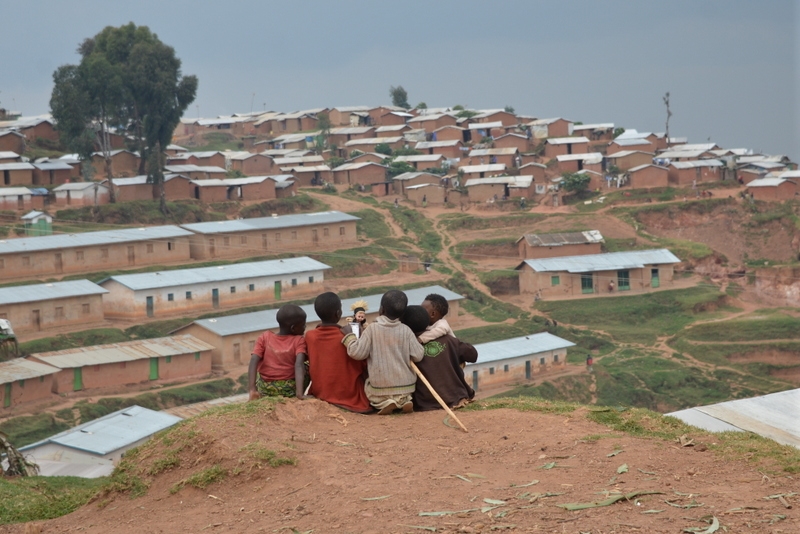
A refugee camp is a temporary settlement built to receive refugees and people in refugee-like situations. Refugee camps usually accommodate displaced people who have fled their home country, but camps are also made for internally displaced people. Usually, refugees seek asylum after they have escaped war in their home countries, but some camps also house environmental and economic migrants. Camps with over a hundred thousand people are common, but as of 2012, the average-sized camp housed around 11,400. They are usually built and run by a government, the United Nations, international organizations (such as the International Committee of the Red Cross), or non-governmental organization. Unofficial refugee camps, such as Idomeni in Greece or the Calais jungle in France, are where refugees are largely left without the support of governments or international organizations.
Refugee camps generally develop in an impromptu fashion with the aim of meeting basic human needs for only a short time. Facilities that make a camp look or feel more permanent are often prohibited by host country governments. If the return of refugees is prevented (often by civil war), a humanitarian crisis can result or continue.
According to UNHCR, most refugees worldwide do not live in refugee camps. At the end of 2015, some 67% of refugees around the world lived in individual, private accommodations. This can be partly explained by the high number of Syrian refugees renting apartments in urban agglomerations across the Middle East. Worldwide, slightly over a quarter (25.4%) of refugees were reported to be living in managed camps. At the end of 2015, about 56% of the total refugee population in rural locations resided in a managed camp, compared to the 2% who resided in individual accommodation. In urban locations, the overwhelming majority (99%) of refugees lived in individual accommodations, compared with less than 1% who lived in a managed camp. A small percentage of refugees also live in collective centres, transit camps, and self-settled camps.
Despite 74% of refugees being in urban areas, the service delivery model of international humanitarian aid agencies remains focused on the establishment and operation of refugee camps.
The average camp size is recommended by UNHCR to be 45 square metres (480 sq ft) per person of the accessible camp area. Within this area, the following facilities can usually be found:
Schools and markets may be prohibited by the host country's government to discourage refugees from settling permanently in camps. Many refugee camps also have:
To understand and monitor an emergency over a period of time, the development and organisation of the camps can be tracked by satellite, and analyzed by GIS.
Most new arrivals travel distances up to 500 km on foot. The journey can be dangerous, e.g. wild animals, armed bandits or militias, or landmines. Some refugees are supported by the International Organization for Migration, and some use smugglers. Many new arrivals suffer from acute malnutrition and dehydration. Long queues can develop outside the reception centres, and waiting times of up to two months are possible. People outside the camp are not entitled to official support (but refugees from inside may support them). Some locals sell water or food for excessive prices and make large profits. Not uncommonly, some refugees die while waiting outside the reception centre. They stay in the reception centre until their refugee status is approved and the degree of vulnerability assessed. This usually takes two weeks. They are then taken, usually by bus, to the camp. New arrivals are registered, fingerprinted, and interviewed by the host country's government and the UNHCR. Health and nutrition screenings follow. Those who are extremely malnourished are taken to therapeutic feeding centres and the sick to a hospital. Men and women receive counselling separately from each other to determine their needs. After registration, they are given food rations (until then only high energy biscuits), receive ration cards (the primary marker of refugee status), soap, jerrycans, kitchen sets, sleeping mats, plastic tarpaulins to build shelters (some receive tents or fabricated shelters). Leaders from the refugee community may provide further support to the new arrivals.[citation needed]
Hub AI
Refugee camp AI simulator
(@Refugee camp_simulator)
Refugee camp
A refugee camp is a temporary settlement built to receive refugees and people in refugee-like situations. Refugee camps usually accommodate displaced people who have fled their home country, but camps are also made for internally displaced people. Usually, refugees seek asylum after they have escaped war in their home countries, but some camps also house environmental and economic migrants. Camps with over a hundred thousand people are common, but as of 2012, the average-sized camp housed around 11,400. They are usually built and run by a government, the United Nations, international organizations (such as the International Committee of the Red Cross), or non-governmental organization. Unofficial refugee camps, such as Idomeni in Greece or the Calais jungle in France, are where refugees are largely left without the support of governments or international organizations.
Refugee camps generally develop in an impromptu fashion with the aim of meeting basic human needs for only a short time. Facilities that make a camp look or feel more permanent are often prohibited by host country governments. If the return of refugees is prevented (often by civil war), a humanitarian crisis can result or continue.
According to UNHCR, most refugees worldwide do not live in refugee camps. At the end of 2015, some 67% of refugees around the world lived in individual, private accommodations. This can be partly explained by the high number of Syrian refugees renting apartments in urban agglomerations across the Middle East. Worldwide, slightly over a quarter (25.4%) of refugees were reported to be living in managed camps. At the end of 2015, about 56% of the total refugee population in rural locations resided in a managed camp, compared to the 2% who resided in individual accommodation. In urban locations, the overwhelming majority (99%) of refugees lived in individual accommodations, compared with less than 1% who lived in a managed camp. A small percentage of refugees also live in collective centres, transit camps, and self-settled camps.
Despite 74% of refugees being in urban areas, the service delivery model of international humanitarian aid agencies remains focused on the establishment and operation of refugee camps.
The average camp size is recommended by UNHCR to be 45 square metres (480 sq ft) per person of the accessible camp area. Within this area, the following facilities can usually be found:
Schools and markets may be prohibited by the host country's government to discourage refugees from settling permanently in camps. Many refugee camps also have:
To understand and monitor an emergency over a period of time, the development and organisation of the camps can be tracked by satellite, and analyzed by GIS.
Most new arrivals travel distances up to 500 km on foot. The journey can be dangerous, e.g. wild animals, armed bandits or militias, or landmines. Some refugees are supported by the International Organization for Migration, and some use smugglers. Many new arrivals suffer from acute malnutrition and dehydration. Long queues can develop outside the reception centres, and waiting times of up to two months are possible. People outside the camp are not entitled to official support (but refugees from inside may support them). Some locals sell water or food for excessive prices and make large profits. Not uncommonly, some refugees die while waiting outside the reception centre. They stay in the reception centre until their refugee status is approved and the degree of vulnerability assessed. This usually takes two weeks. They are then taken, usually by bus, to the camp. New arrivals are registered, fingerprinted, and interviewed by the host country's government and the UNHCR. Health and nutrition screenings follow. Those who are extremely malnourished are taken to therapeutic feeding centres and the sick to a hospital. Men and women receive counselling separately from each other to determine their needs. After registration, they are given food rations (until then only high energy biscuits), receive ration cards (the primary marker of refugee status), soap, jerrycans, kitchen sets, sleeping mats, plastic tarpaulins to build shelters (some receive tents or fabricated shelters). Leaders from the refugee community may provide further support to the new arrivals.[citation needed]
Recent media