
Recent from talks
Robert Gould Shaw
Knowledge base stats:
Talk channels stats:
Members stats:
Robert Gould Shaw
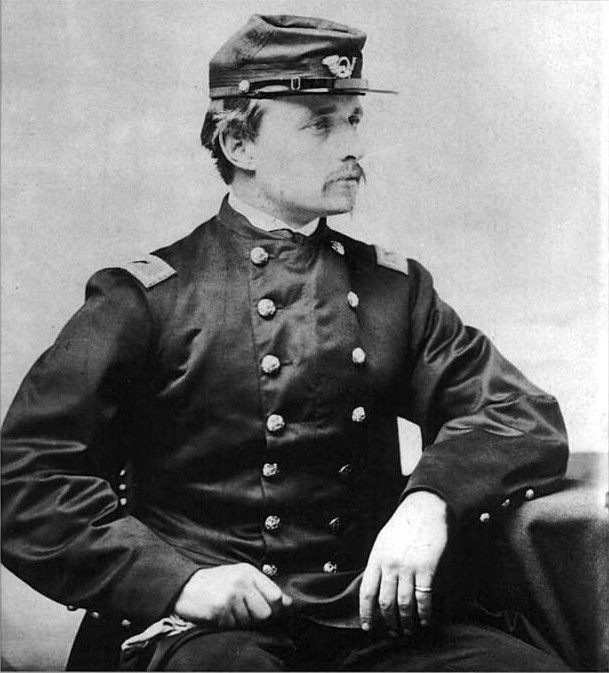
Robert Gould Shaw (October 10, 1837 – July 18, 1863) was an American officer in the Union Army during the American Civil War. Born into an abolitionist family from the Boston upper class, he accepted command of the first all-black regiment (the 54th Massachusetts) in the Northeast. Supporting the promised equal treatment for his troops, he encouraged the men to refuse their pay until it was equal to that of white troops' wage.
He led his regiment at the Second Battle of Fort Wagner in July 1863. They attacked a beachhead near Charleston, South Carolina, and Shaw was shot and killed while leading his men to the parapet of the Confederate-held fort. Although the regiment was overwhelmed by firing from the defenses and driven back, suffering many casualties, Shaw's leadership and the regiment became legendary, and helped lead to more than one hundred thousand more African Americans to enlist for the Union. The story of Shaw and his regiment were dramatized in the 1989 Oscar-winning film Glory.
Shaw was born in Dartmouth, Massachusetts, to abolitionists Francis George and Sarah Blake (Sturgis) Shaw, well-known Unitarian philanthropists and intellectuals. The Shaws had the benefit of a large inheritance left by Shaw's merchant grandfather and namesake Robert Gould Shaw (1775–1853). Shaw had four sisters: Anna, Josephine (Effie), Susanna, and Ellen (Nellie).
When Shaw was five years old, the family moved to a large estate in West Roxbury, adjacent to Brook Farm, which he visited with his father. During his teens he traveled and studied for some years in Europe. In 1847, the family moved to Staten Island, New York, and settled among a community of literati and abolitionists while Shaw attended preparatory school at the Second Division of St. John's College (now Fordham Preparatory School at Fordham University). These studies were at the behest of his uncle Joseph Coolidge Shaw, who had been ordained as a Roman Catholic priest in 1847. He converted to Catholicism during a trip to Rome, in which he befriended several members of the Oxford Movement, which had begun in the Anglican Church. Robert began his high school-level education at St. John's in 1850, the same year that Joseph Shaw began studying there for entrance into the Jesuits.
In 1851, while Shaw was still at St. John's, his uncle died from tuberculosis. Aged 13, Shaw had a difficult time adjusting to his surroundings and wrote several despondent letters home to his mother. In one of his letters, he claimed to be so homesick that he often cried in front of his classmates. While at St. John's, he studied Latin, Greek, French, and Spanish, and practiced playing the violin, which he had begun as a young boy.
He left St. John's in late 1851 before graduation, as the Shaw family departed for an extended tour of Europe. Shaw entered a boarding school in Neuchâtel, Switzerland, where he stayed for two years. Afterward, his father transferred him to a school with a less strict system of discipline in Hanover, Germany, hoping that it would better suit his restless temperament. While in Hanover, Shaw enjoyed the greater degree of personal freedom at his new school, on one occasion writing home to his mother, "It's almost impossible not to drink a good deal, because there is so much good wine here."
While Shaw was studying in Europe, Harriet Beecher Stowe, an abolitionist friend of his parents, published her novel Uncle Tom's Cabin (1852). Shaw read the book multiple times and was moved by its plot and anti-slavery attitude. Around the same time, Shaw wrote that his patriotism was bolstered after encountering several instances of anti-Americanism among some Europeans. He expressed interest to his parents in attending West Point or joining the Navy. Because Shaw had a longstanding difficulty with taking orders and obeying authority figures, his parents did not view this ambition seriously.
Shaw returned to the United States in 1856. From 1856 until 1859 he attended Harvard University, joining the Porcellian Club and the Hasty Pudding Club, but he withdrew before graduating. He would have been a member of the class of 1860. Shaw found Harvard no easier to adjust to than any of his previous schools and wrote to his parents about his discontent.
Hub AI
Robert Gould Shaw AI simulator
(@Robert Gould Shaw_simulator)
Robert Gould Shaw
Robert Gould Shaw (October 10, 1837 – July 18, 1863) was an American officer in the Union Army during the American Civil War. Born into an abolitionist family from the Boston upper class, he accepted command of the first all-black regiment (the 54th Massachusetts) in the Northeast. Supporting the promised equal treatment for his troops, he encouraged the men to refuse their pay until it was equal to that of white troops' wage.
He led his regiment at the Second Battle of Fort Wagner in July 1863. They attacked a beachhead near Charleston, South Carolina, and Shaw was shot and killed while leading his men to the parapet of the Confederate-held fort. Although the regiment was overwhelmed by firing from the defenses and driven back, suffering many casualties, Shaw's leadership and the regiment became legendary, and helped lead to more than one hundred thousand more African Americans to enlist for the Union. The story of Shaw and his regiment were dramatized in the 1989 Oscar-winning film Glory.
Shaw was born in Dartmouth, Massachusetts, to abolitionists Francis George and Sarah Blake (Sturgis) Shaw, well-known Unitarian philanthropists and intellectuals. The Shaws had the benefit of a large inheritance left by Shaw's merchant grandfather and namesake Robert Gould Shaw (1775–1853). Shaw had four sisters: Anna, Josephine (Effie), Susanna, and Ellen (Nellie).
When Shaw was five years old, the family moved to a large estate in West Roxbury, adjacent to Brook Farm, which he visited with his father. During his teens he traveled and studied for some years in Europe. In 1847, the family moved to Staten Island, New York, and settled among a community of literati and abolitionists while Shaw attended preparatory school at the Second Division of St. John's College (now Fordham Preparatory School at Fordham University). These studies were at the behest of his uncle Joseph Coolidge Shaw, who had been ordained as a Roman Catholic priest in 1847. He converted to Catholicism during a trip to Rome, in which he befriended several members of the Oxford Movement, which had begun in the Anglican Church. Robert began his high school-level education at St. John's in 1850, the same year that Joseph Shaw began studying there for entrance into the Jesuits.
In 1851, while Shaw was still at St. John's, his uncle died from tuberculosis. Aged 13, Shaw had a difficult time adjusting to his surroundings and wrote several despondent letters home to his mother. In one of his letters, he claimed to be so homesick that he often cried in front of his classmates. While at St. John's, he studied Latin, Greek, French, and Spanish, and practiced playing the violin, which he had begun as a young boy.
He left St. John's in late 1851 before graduation, as the Shaw family departed for an extended tour of Europe. Shaw entered a boarding school in Neuchâtel, Switzerland, where he stayed for two years. Afterward, his father transferred him to a school with a less strict system of discipline in Hanover, Germany, hoping that it would better suit his restless temperament. While in Hanover, Shaw enjoyed the greater degree of personal freedom at his new school, on one occasion writing home to his mother, "It's almost impossible not to drink a good deal, because there is so much good wine here."
While Shaw was studying in Europe, Harriet Beecher Stowe, an abolitionist friend of his parents, published her novel Uncle Tom's Cabin (1852). Shaw read the book multiple times and was moved by its plot and anti-slavery attitude. Around the same time, Shaw wrote that his patriotism was bolstered after encountering several instances of anti-Americanism among some Europeans. He expressed interest to his parents in attending West Point or joining the Navy. Because Shaw had a longstanding difficulty with taking orders and obeying authority figures, his parents did not view this ambition seriously.
Shaw returned to the United States in 1856. From 1856 until 1859 he attended Harvard University, joining the Porcellian Club and the Hasty Pudding Club, but he withdrew before graduating. He would have been a member of the class of 1860. Shaw found Harvard no easier to adjust to than any of his previous schools and wrote to his parents about his discontent.
Recent media