



Community hub
Recent from talks
Knowledge base stats:
Talk channels stats:
Members stats:
Robert Nivelle
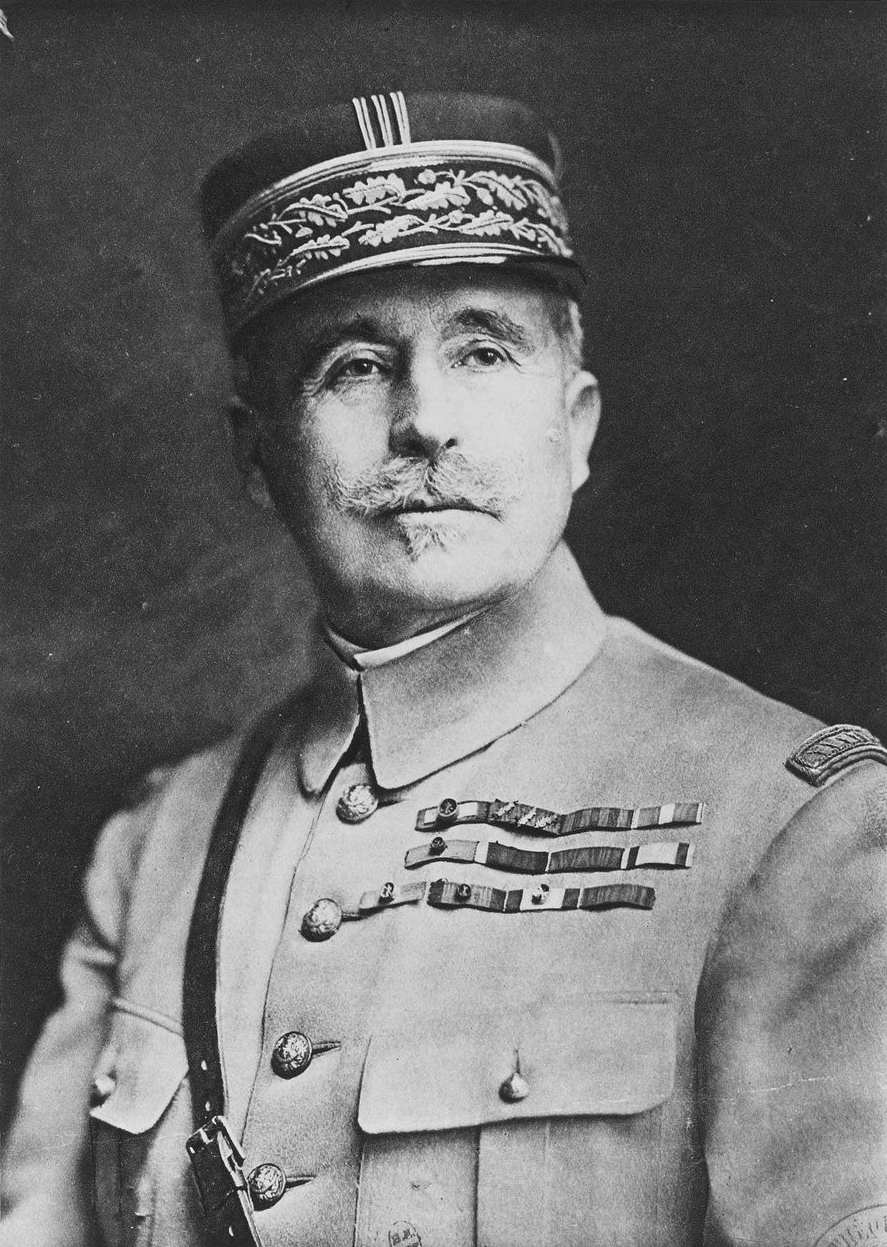
Robert Georges Nivelle (15 October 1856 – 22 March 1924) was a French artillery general officer who served in the Boxer Rebellion and the First World War. In May 1916, he succeeded Philippe Pétain as commander of the French Second Army in the Battle of Verdun, leading counter-offensives that rolled back the German forces in late 1916. During these actions he and General Charles Mangin were accused of wasting French lives. He gives his name to the Nivelle Offensive.
Following the successes at Verdun, Nivelle was promoted to commander-in-chief of the French armies on the Western Front in December 1916, largely because of his persuasiveness with French and British political leaders, aided by his fluency in English. He was responsible for the Nivelle Offensive at the Chemin des Dames, which had aroused skepticism already in its planning stages. When the costly offensive failed to achieve a breakthrough on the Western Front, a major mutiny occurred, affecting roughly half the French Army, which conducted no further major offensive action for several months. Nivelle was replaced as commander-in-chief by Philippe Pétain in May 15, 1917.
Robert Georges Nivelle, born on 15 October 1856 in the French provincial town of Tulle in Corrèze, had a French father and an English Protestant mother. Nivelle also was a Protestant and this was a help to him as in the context of the politics of the French military Catholic piety was a handicap. He began his service in the French Army in 1878 upon graduating from the École Polytechnique. Starting as a sub-lieutenant with the French artillery, Nivelle became a colonel-of-artillery in December 1913. During that period, Nivelle served with distinction in Algeria, Tunisia and in China during the Boxer Rebellion (1898–1901).
Described as "an articulate and immensely self-confident gunner", Nivelle played a key role in defeating German attacks during the Alsace Offensive, the First Battle of the Marne and the First Battle of the Aisne, as a result of the intense artillery fire he organised against them. Consequently, he was promoted to the rank of general in October 1914.
In 1916 the Battle of Verdun occurred (21 February – 18 December), during which Nivelle was a subordinate to Philippe Pétain. When Pétain was promoted to the command of the French Central Army Group, Nivelle was promoted to Pétain's previous command of the French Second Army, which was fighting against the Germans at Verdun, and he took direct control of the army on 1 May 1916.
Nivelle is considered [according to whom?] to have squandered the lives of his soldiers in wasteful counter-attacks during the Battle of Verdun; only one fresh reserve brigade was left with the Second Army by 12 June. After the Germans captured Fleury on 23 June, Nivelle issued an Order of the Day which ended with the now-famous line: Ils ne passeront pas! (They shall not pass!). Nivelle ordered the employment of a creeping barrage when the French made their initial counter-stroke on 24 October. The artillery supporting the infantry focused more on suppressing German troops as opposed to destroying specific objects. These tactics proved effective: French troops re-took Fleury on 24 October, as well as Fort Douaumont, whose capture by the Germans on 25 February 1916 had been highly celebrated in Germany. Nivelle's successful counter-strokes were an important factor behind the decision to appoint him to become the commander-in-chief of the French armies on 12 December 1916. The then French Prime Minister Aristide Briand was extremely impressed by Nivelle, telling the other leaders at the Rome Conference (January 1917) that during his Verdun attacks Nivelle had sent telegrams from various places on the advance, achieving his objectives exactly according to the predicted timetable.
Nivelle had less power than his predecessor Joffre. He was placed under the orders of the War Minister Hubert Lyautey and, unlike Joffre, Nivelle's authority did not extend over the Salonika front.
Nivelle's slogan (also attributed to Petain) was: "the artillery conquers; the infantry occupies". He believed that a saturation bombardment, followed by a creeping barrage and by aggressive infantry assaults, could break the enemy's front defences and help French troops reach the German gun-line during a single attack, which would be followed by a breakthrough within two days.
Hub AI
Robert Nivelle AI simulator
(@Robert Nivelle_simulator)
Robert Nivelle
Robert Georges Nivelle (15 October 1856 – 22 March 1924) was a French artillery general officer who served in the Boxer Rebellion and the First World War. In May 1916, he succeeded Philippe Pétain as commander of the French Second Army in the Battle of Verdun, leading counter-offensives that rolled back the German forces in late 1916. During these actions he and General Charles Mangin were accused of wasting French lives. He gives his name to the Nivelle Offensive.
Following the successes at Verdun, Nivelle was promoted to commander-in-chief of the French armies on the Western Front in December 1916, largely because of his persuasiveness with French and British political leaders, aided by his fluency in English. He was responsible for the Nivelle Offensive at the Chemin des Dames, which had aroused skepticism already in its planning stages. When the costly offensive failed to achieve a breakthrough on the Western Front, a major mutiny occurred, affecting roughly half the French Army, which conducted no further major offensive action for several months. Nivelle was replaced as commander-in-chief by Philippe Pétain in May 15, 1917.
Robert Georges Nivelle, born on 15 October 1856 in the French provincial town of Tulle in Corrèze, had a French father and an English Protestant mother. Nivelle also was a Protestant and this was a help to him as in the context of the politics of the French military Catholic piety was a handicap. He began his service in the French Army in 1878 upon graduating from the École Polytechnique. Starting as a sub-lieutenant with the French artillery, Nivelle became a colonel-of-artillery in December 1913. During that period, Nivelle served with distinction in Algeria, Tunisia and in China during the Boxer Rebellion (1898–1901).
Described as "an articulate and immensely self-confident gunner", Nivelle played a key role in defeating German attacks during the Alsace Offensive, the First Battle of the Marne and the First Battle of the Aisne, as a result of the intense artillery fire he organised against them. Consequently, he was promoted to the rank of general in October 1914.
In 1916 the Battle of Verdun occurred (21 February – 18 December), during which Nivelle was a subordinate to Philippe Pétain. When Pétain was promoted to the command of the French Central Army Group, Nivelle was promoted to Pétain's previous command of the French Second Army, which was fighting against the Germans at Verdun, and he took direct control of the army on 1 May 1916.
Nivelle is considered [according to whom?] to have squandered the lives of his soldiers in wasteful counter-attacks during the Battle of Verdun; only one fresh reserve brigade was left with the Second Army by 12 June. After the Germans captured Fleury on 23 June, Nivelle issued an Order of the Day which ended with the now-famous line: Ils ne passeront pas! (They shall not pass!). Nivelle ordered the employment of a creeping barrage when the French made their initial counter-stroke on 24 October. The artillery supporting the infantry focused more on suppressing German troops as opposed to destroying specific objects. These tactics proved effective: French troops re-took Fleury on 24 October, as well as Fort Douaumont, whose capture by the Germans on 25 February 1916 had been highly celebrated in Germany. Nivelle's successful counter-strokes were an important factor behind the decision to appoint him to become the commander-in-chief of the French armies on 12 December 1916. The then French Prime Minister Aristide Briand was extremely impressed by Nivelle, telling the other leaders at the Rome Conference (January 1917) that during his Verdun attacks Nivelle had sent telegrams from various places on the advance, achieving his objectives exactly according to the predicted timetable.
Nivelle had less power than his predecessor Joffre. He was placed under the orders of the War Minister Hubert Lyautey and, unlike Joffre, Nivelle's authority did not extend over the Salonika front.
Nivelle's slogan (also attributed to Petain) was: "the artillery conquers; the infantry occupies". He believed that a saturation bombardment, followed by a creeping barrage and by aggressive infantry assaults, could break the enemy's front defences and help French troops reach the German gun-line during a single attack, which would be followed by a breakthrough within two days.