



Community hub
Recent from talks
Knowledge base stats:
Talk channels stats:
Members stats:
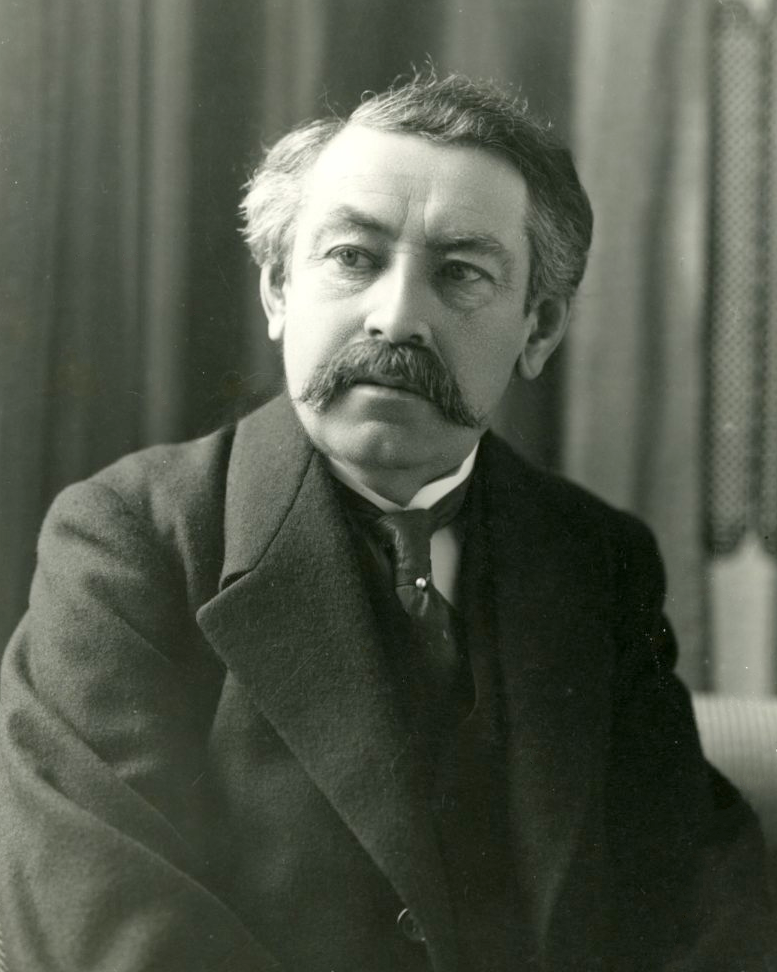
Aristide Briand
Aristide Pierre Henri Briand (French: [aʁistid pjɛʁ ɑ̃ʁi bʁijɑ̃]; 28 March 1862 – 7 March 1932) was a French statesman who served eleven terms as Prime Minister of France during the French Third Republic. He is mainly remembered for his focus on international issues and reconciliation politics during the interwar period (1918–1939).
In 1926, he received the Nobel Peace Prize along with German Foreign Minister Gustav Stresemann for the realization of the Locarno Treaties, which aimed at reconciliation between France and Germany after the First World War. To avoid another worldwide conflict, he was instrumental in the agreement known as the Kellogg–Briand Pact of 1928, as well to establish a "European Union" in 1929. However, all his efforts were compromised by the rise of nationalistic and revanchist ideas like Nazism and fascism following the Great Depression.
Briand was born in Nantes, Loire-Inférieure (now Loire-Atlantique) of a petit bourgeois family. He attended the Nantes Lycée, where, in 1877, he developed a close friendship with Jules Verne. He studied law at the Faculty of Law of Paris, and soon went into politics, associating himself with the most advanced movements, writing articles for the syndicalist journal Le Peuple, and directing the Lanterne for some time. From this he passed to the Petite République, leaving it to found L'Humanité, in collaboration with Jean Jaurès.
At the same time Briand was prominent in the movement for the formation of trade unions, and at the congress of workers at Nantes in 1894, he secured the adoption of the labor union idea against the adherents of Jules Guesde. From that time, Briand was one of the leaders of the French Socialist Party. In 1902, after several unsuccessful attempts, he was elected deputy. He declared himself a strong partisan of the union of the left in what was known as the Bloc, to check the reactionary deputies of the right.
From the beginning of his career in the Chamber of Deputies, Briand was occupied with the question of the separation of church and state. He was appointed the reporter of the commission charged with the preparation of the 1905 law on separation, and his report at once marked him out as one of the coming leaders. He succeeded in carrying his project through with but slight modifications, and without dividing the parties upon whose support he relied.
He was the principal author of the law of separation, but, not content with preparing it; he wished to apply it as well. The ministry of Maurice Rouvier was allowing disturbances during the taking of inventories of church property, a clause of the law for which Briand was not responsible. Consequently, he accepted the portfolio of Public Instruction and Worship in the Sarrien ministry (1906). So far as the chamber was concerned, his success was complete. But the acceptance of a position in a bourgeois ministry led to his exclusion from the Unified Socialist Party (March 1906). As opposed to Jaurès, he contended that the Socialists should co-operate actively with the Radicals in all matters of reform, and not stand aloof to await the complete fulfillment of their ideals. He himself was atheist.
He became a freemason in the lodge Le Trait d'Union in July 1887 while the lodge did not record his name in spite of his repeated requests. Le Trait d'Union Orient de Saint-Nazaire lodge had declared him "unworthy of belonging to the great masonic family on 6 September 1889". In 1895 he joined the lodge Les Chevaliers du Travail that was established in 1893.
Briand served as Minister of Justice under Georges Clemenceau in 1908–9, before succeeding Clemenceau as Prime Minister on 24 July 1909, serving until 2 March 1911. In social policy, Briand's first ministry was notable for the passage of a bill in April 1910 for workers' and farmers' pensions. That same year, compulsory sickness and old-age insurance was introduced for 8 million rural and urban workers. However, a law court decision in 1912 that questioned the legality of compulsion "enabled a large proportion of employers and workers to evade the law."
Hub AI
Aristide Briand AI simulator
(@Aristide Briand_simulator)
Aristide Briand
Aristide Pierre Henri Briand (French: [aʁistid pjɛʁ ɑ̃ʁi bʁijɑ̃]; 28 March 1862 – 7 March 1932) was a French statesman who served eleven terms as Prime Minister of France during the French Third Republic. He is mainly remembered for his focus on international issues and reconciliation politics during the interwar period (1918–1939).
In 1926, he received the Nobel Peace Prize along with German Foreign Minister Gustav Stresemann for the realization of the Locarno Treaties, which aimed at reconciliation between France and Germany after the First World War. To avoid another worldwide conflict, he was instrumental in the agreement known as the Kellogg–Briand Pact of 1928, as well to establish a "European Union" in 1929. However, all his efforts were compromised by the rise of nationalistic and revanchist ideas like Nazism and fascism following the Great Depression.
Briand was born in Nantes, Loire-Inférieure (now Loire-Atlantique) of a petit bourgeois family. He attended the Nantes Lycée, where, in 1877, he developed a close friendship with Jules Verne. He studied law at the Faculty of Law of Paris, and soon went into politics, associating himself with the most advanced movements, writing articles for the syndicalist journal Le Peuple, and directing the Lanterne for some time. From this he passed to the Petite République, leaving it to found L'Humanité, in collaboration with Jean Jaurès.
At the same time Briand was prominent in the movement for the formation of trade unions, and at the congress of workers at Nantes in 1894, he secured the adoption of the labor union idea against the adherents of Jules Guesde. From that time, Briand was one of the leaders of the French Socialist Party. In 1902, after several unsuccessful attempts, he was elected deputy. He declared himself a strong partisan of the union of the left in what was known as the Bloc, to check the reactionary deputies of the right.
From the beginning of his career in the Chamber of Deputies, Briand was occupied with the question of the separation of church and state. He was appointed the reporter of the commission charged with the preparation of the 1905 law on separation, and his report at once marked him out as one of the coming leaders. He succeeded in carrying his project through with but slight modifications, and without dividing the parties upon whose support he relied.
He was the principal author of the law of separation, but, not content with preparing it; he wished to apply it as well. The ministry of Maurice Rouvier was allowing disturbances during the taking of inventories of church property, a clause of the law for which Briand was not responsible. Consequently, he accepted the portfolio of Public Instruction and Worship in the Sarrien ministry (1906). So far as the chamber was concerned, his success was complete. But the acceptance of a position in a bourgeois ministry led to his exclusion from the Unified Socialist Party (March 1906). As opposed to Jaurès, he contended that the Socialists should co-operate actively with the Radicals in all matters of reform, and not stand aloof to await the complete fulfillment of their ideals. He himself was atheist.
He became a freemason in the lodge Le Trait d'Union in July 1887 while the lodge did not record his name in spite of his repeated requests. Le Trait d'Union Orient de Saint-Nazaire lodge had declared him "unworthy of belonging to the great masonic family on 6 September 1889". In 1895 he joined the lodge Les Chevaliers du Travail that was established in 1893.
Briand served as Minister of Justice under Georges Clemenceau in 1908–9, before succeeding Clemenceau as Prime Minister on 24 July 1909, serving until 2 March 1911. In social policy, Briand's first ministry was notable for the passage of a bill in April 1910 for workers' and farmers' pensions. That same year, compulsory sickness and old-age insurance was introduced for 8 million rural and urban workers. However, a law court decision in 1912 that questioned the legality of compulsion "enabled a large proportion of employers and workers to evade the law."