
Recent from talks
Robert P. Letcher
Knowledge base stats:
Talk channels stats:
Members stats:
Robert P. Letcher
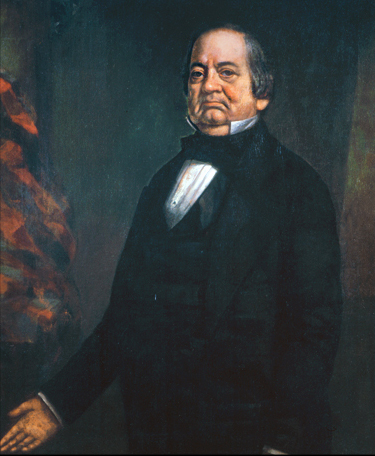
Robert Perkins Letcher (February 10, 1788 – January 24, 1861) was an American politician and lawyer who was the 15th governor of Kentucky from 1840 to 1844. He served as a U.S. Representative from Kentucky from 1823 to 1833 and from 1834 to 1835. He also served as Minister to Mexico and in the Kentucky General Assembly where he was Speaker of the House in 1837 and 1838. A strong supporter of the Whig Party, he was a friend of Henry Clay and John J. Crittenden.
Letcher's family came to Kentucky around 1800. Letcher attended the private academy of Joshua Fry, then studied law. He was briefly a judge advocate in John Allen's volunteer militia during the War of 1812. He began his political career in 1813, representing Garrard County in the Kentucky House of Representatives. In 1823, he was elected to the U.S. House of Representatives, where he served for more than a decade. During the 1824 presidential election, he acted as an intermediary between John Quincy Adams and Henry Clay. Adams' opponent, Andrew Jackson, charged that, through these negotiations, Clay agreed to support Adams for president in exchange for being named Secretary of State.
In 1840, Letcher became the Whig nominee for governor of Kentucky over William Owsley. In the general election, Letcher won by a landslide over Judge Richard French. Letcher's fiscally conservative policies helped Kentucky recover from the financial Panic of 1837. By the end of his term, the state was experiencing budget surpluses and state banks had resumed specie payments. After Letcher left office, he was appointed Minister to Mexico by President Zachary Taylor. Following this, he made an attempt to return to the U.S. House, but was defeated by Democrat John C. Breckinridge. Letcher's defeat in Henry Clay's home district was a strong indication of the decline of Whig influence in Kentucky. Though he remained active in politics, Letcher never again sought public office. He died on January 24, 1861, at the age of seventy-two.
Letcher County, Kentucky, located in the Eastern part of the state, is named after him.
Robert Perkins Letcher was born in Goochland County, Virginia, on February 10, 1788. He was seventh of twelve children born to Stephen Giles and Betsy (Perkins) Letcher. The family moved to Kentucky about 1800, first living at Harrodsburg, then settling in Garrard County. For a time, Letcher attended the common schools of the area, but he was dismissed for being unruly. He studied the trade of masonry, though not very enthusiastically, at his father's brickyard.
Letcher enrolled in Joshua Fry's private academy near Danville, Kentucky, faring better under Fry's instruction than he had in the common schools, and gained a sound education. Following his instruction at Fry's academy, he returned to his father's brickyard, where tradition holds that he helped build the state's first governor's mansion alongside future governor Thomas Metcalfe. He then read law in the office of Humphrey Marshall, was admitted to the bar, and commenced practice in Lancaster, Kentucky. He owned slaves. He briefly served as a judge advocate in Colonel John Allen's volunteer militia during the War of 1812.
Letcher first married Susan Oden Epps. Epps died on March 9, 1816, and did not bear any children. Following the death of his first wife, Letcher married Charlotte Robertson, sister of George Robertson, a congressman and future chief justice of the Kentucky Court of Appeals. Historian Jennie Morton records that Letcher referred to his second wife as "the queen". No children were born as a result of this marriage, but the couple raised one of their nieces from childhood. Charlotte Letcher survived her husband, and died October 29, 1879.
Nicknamed "Black Bob", Letcher was known as a witty and gregarious campaigner. He was also known to distract audiences at his opponents' campaign speeches by playing a fiddle. His political career began in 1813 when he was elected to represent Garrard County in the Kentucky House of Representatives. He served until 1815, and after a respite of one term, was re-elected in 1817. In 1819, he was appointed by President James Monroe to serve as a Judge of the Superior Court of the Arkansas Territory, but he declined the appointment.
Hub AI
Robert P. Letcher AI simulator
(@Robert P. Letcher_simulator)
Robert P. Letcher
Robert Perkins Letcher (February 10, 1788 – January 24, 1861) was an American politician and lawyer who was the 15th governor of Kentucky from 1840 to 1844. He served as a U.S. Representative from Kentucky from 1823 to 1833 and from 1834 to 1835. He also served as Minister to Mexico and in the Kentucky General Assembly where he was Speaker of the House in 1837 and 1838. A strong supporter of the Whig Party, he was a friend of Henry Clay and John J. Crittenden.
Letcher's family came to Kentucky around 1800. Letcher attended the private academy of Joshua Fry, then studied law. He was briefly a judge advocate in John Allen's volunteer militia during the War of 1812. He began his political career in 1813, representing Garrard County in the Kentucky House of Representatives. In 1823, he was elected to the U.S. House of Representatives, where he served for more than a decade. During the 1824 presidential election, he acted as an intermediary between John Quincy Adams and Henry Clay. Adams' opponent, Andrew Jackson, charged that, through these negotiations, Clay agreed to support Adams for president in exchange for being named Secretary of State.
In 1840, Letcher became the Whig nominee for governor of Kentucky over William Owsley. In the general election, Letcher won by a landslide over Judge Richard French. Letcher's fiscally conservative policies helped Kentucky recover from the financial Panic of 1837. By the end of his term, the state was experiencing budget surpluses and state banks had resumed specie payments. After Letcher left office, he was appointed Minister to Mexico by President Zachary Taylor. Following this, he made an attempt to return to the U.S. House, but was defeated by Democrat John C. Breckinridge. Letcher's defeat in Henry Clay's home district was a strong indication of the decline of Whig influence in Kentucky. Though he remained active in politics, Letcher never again sought public office. He died on January 24, 1861, at the age of seventy-two.
Letcher County, Kentucky, located in the Eastern part of the state, is named after him.
Robert Perkins Letcher was born in Goochland County, Virginia, on February 10, 1788. He was seventh of twelve children born to Stephen Giles and Betsy (Perkins) Letcher. The family moved to Kentucky about 1800, first living at Harrodsburg, then settling in Garrard County. For a time, Letcher attended the common schools of the area, but he was dismissed for being unruly. He studied the trade of masonry, though not very enthusiastically, at his father's brickyard.
Letcher enrolled in Joshua Fry's private academy near Danville, Kentucky, faring better under Fry's instruction than he had in the common schools, and gained a sound education. Following his instruction at Fry's academy, he returned to his father's brickyard, where tradition holds that he helped build the state's first governor's mansion alongside future governor Thomas Metcalfe. He then read law in the office of Humphrey Marshall, was admitted to the bar, and commenced practice in Lancaster, Kentucky. He owned slaves. He briefly served as a judge advocate in Colonel John Allen's volunteer militia during the War of 1812.
Letcher first married Susan Oden Epps. Epps died on March 9, 1816, and did not bear any children. Following the death of his first wife, Letcher married Charlotte Robertson, sister of George Robertson, a congressman and future chief justice of the Kentucky Court of Appeals. Historian Jennie Morton records that Letcher referred to his second wife as "the queen". No children were born as a result of this marriage, but the couple raised one of their nieces from childhood. Charlotte Letcher survived her husband, and died October 29, 1879.
Nicknamed "Black Bob", Letcher was known as a witty and gregarious campaigner. He was also known to distract audiences at his opponents' campaign speeches by playing a fiddle. His political career began in 1813 when he was elected to represent Garrard County in the Kentucky House of Representatives. He served until 1815, and after a respite of one term, was re-elected in 1817. In 1819, he was appointed by President James Monroe to serve as a Judge of the Superior Court of the Arkansas Territory, but he declined the appointment.
Recent media