
Recent from talks
Ruthenian Greek Catholic Church
Knowledge base stats:
Talk channels stats:
Members stats:
Ruthenian Greek Catholic Church
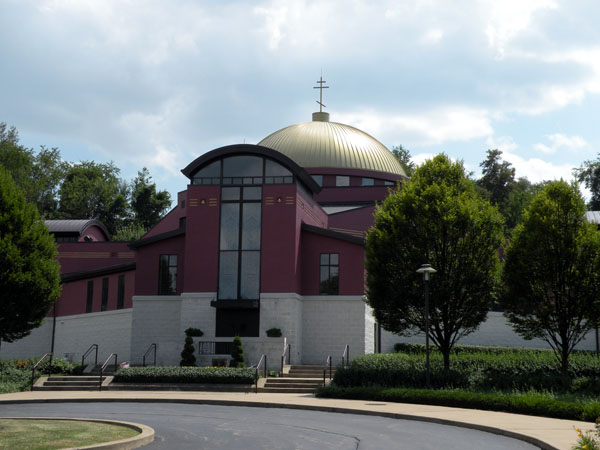
The Ruthenian Greek Catholic Church, also known in the United States as the Byzantine Catholic Church, is a sui iuris (autonomous) Eastern Catholic particular church based in Eastern Europe and North America that is part of the worldwide Catholic Church and is in full communion with the Holy See. It uses the Byzantine Rite for its liturgies, laws, and cultural identity. The church originated at the Union of Uzhhorod in 1646, when Orthodox East Slavs with a Rusyn identity in the Carpathian Mountains returned to communion with the Pope.
The church does not have a unified structure. Its numerically largest jurisdiction is in Europe, the Greek Catholic Eparchy of Mukachevo, which reemerged in Ukraine after having been suppressed by the Soviet Union. There is also the Apostolic Exarchate of the Greek Catholic Church in the Czech Republic, founded in 1996. Both of them are exempt territories immediately subject to the Holy See.
The Metropolis of Pittsburgh is the church's self-governing jurisdiction in the United States, created in the early 20th century for Rusyn immigrants. Today it includes many members of non-Eastern European descent while still continuing Ruthenian traditions. In 1956 the U.S. jurisdiction stopped using Ruthenian Greek Catholic to describe itself, and since 1969 it has called itself the Byzantine Catholic Church, also being reorganized as a metropolitan church by Pope Paul VI. This makes the Byzantine Catholic Church the only self-governing Eastern Catholic metropolitan church in the United States. In 2022 the Slovak Greek Catholic eparchy for Canada was changed to an exarchate and was subordinated to the Byzantine Catholic Metropolis of Pittsburgh.
While not directly associated with the former Ruthenian Uniate Church, the Ruthenian Greek Catholic Church also derives its name from the Rusyn and Ruthenian Slavic peoples of Eastern Europe and their communion with Rome. Ruthenia was originally the Latin term for the Rus' people (from whom the name Russia was also derived) but later on, especially after the Schism of 1054 led to the separation of the East Slavs from Rome with Eastern Orthodoxy, its definition was narrowed. It was used for the Orthodox Slavs in the eastern Polish–Lithuanian Commonwealth that entered communion with the Pope at the Union of Brest in 1595 while continuing to use the Byzantine (or Greek) Rite. This was the basis for what later became the Ukrainian and Belarusian Greek Catholic churches. In 1646, further to the south in Hungary, the Slavs in the Eastern Carpathians with a Rusyn identity who entered communion with Rome at the Union of Uzhhorod were also called Ruthenians. This created the Ruthenian Greek Catholic Church. In the 19th century, the term Ruthenian Greek Catholic referred to the Carpatho-Rusyns from Austria-Hungary, though their membership also included smaller numbers of Hungarians, Slovaks, and others. Today that region is divided between Ukraine, Slovakia, Hungary, and Romania.
While Ruthenian Catholics are not the only Eastern Catholics to utilize the Byzantine Rite in the United States, the Ruthenian Greek Catholic Church refers to itself as the "Byzantine Catholic Church" for its U.S. jurisdiction. Its full official name is the Byzantine Catholic Metropolitan Church of Pittsburgh.
The Ruthenian Church originally developed among the Rusyn people who lived in Carpathian Ruthenia. Christianity and the Byzantine Rite was brought to the Slavic peoples in the 9th century as a result of the missionary outreach of Saints Cyril and Methodius, two Greek missionaries from the Byzantine Empire.
Following the Great Schism of 1054, the Ruthenian Church retained its Orthodox ties until the Union of Uzhhorod.
The present structure of the Ruthenian Greek Catholic Church traces its origins to the 1646 Union of Uzhhorod, when Eastern Orthodox clergy were received into communion with the Holy See of Rome. Sixty three Ruthenian clergy were received into the Catholic Church; in 1664 a union reached at Munkács (today Mukachevo, Ukraine) brought additional communities into the Catholic communion. In 1771 Pope Clement XIV established the Greek Catholic Eparchy of Mukachevo as a suffragan of the primate of Hungary, to give the Ruthenian Greek Catholics a jurisdiction that was separate from the Latin Church.
Hub AI
Ruthenian Greek Catholic Church AI simulator
(@Ruthenian Greek Catholic Church_simulator)
Ruthenian Greek Catholic Church
The Ruthenian Greek Catholic Church, also known in the United States as the Byzantine Catholic Church, is a sui iuris (autonomous) Eastern Catholic particular church based in Eastern Europe and North America that is part of the worldwide Catholic Church and is in full communion with the Holy See. It uses the Byzantine Rite for its liturgies, laws, and cultural identity. The church originated at the Union of Uzhhorod in 1646, when Orthodox East Slavs with a Rusyn identity in the Carpathian Mountains returned to communion with the Pope.
The church does not have a unified structure. Its numerically largest jurisdiction is in Europe, the Greek Catholic Eparchy of Mukachevo, which reemerged in Ukraine after having been suppressed by the Soviet Union. There is also the Apostolic Exarchate of the Greek Catholic Church in the Czech Republic, founded in 1996. Both of them are exempt territories immediately subject to the Holy See.
The Metropolis of Pittsburgh is the church's self-governing jurisdiction in the United States, created in the early 20th century for Rusyn immigrants. Today it includes many members of non-Eastern European descent while still continuing Ruthenian traditions. In 1956 the U.S. jurisdiction stopped using Ruthenian Greek Catholic to describe itself, and since 1969 it has called itself the Byzantine Catholic Church, also being reorganized as a metropolitan church by Pope Paul VI. This makes the Byzantine Catholic Church the only self-governing Eastern Catholic metropolitan church in the United States. In 2022 the Slovak Greek Catholic eparchy for Canada was changed to an exarchate and was subordinated to the Byzantine Catholic Metropolis of Pittsburgh.
While not directly associated with the former Ruthenian Uniate Church, the Ruthenian Greek Catholic Church also derives its name from the Rusyn and Ruthenian Slavic peoples of Eastern Europe and their communion with Rome. Ruthenia was originally the Latin term for the Rus' people (from whom the name Russia was also derived) but later on, especially after the Schism of 1054 led to the separation of the East Slavs from Rome with Eastern Orthodoxy, its definition was narrowed. It was used for the Orthodox Slavs in the eastern Polish–Lithuanian Commonwealth that entered communion with the Pope at the Union of Brest in 1595 while continuing to use the Byzantine (or Greek) Rite. This was the basis for what later became the Ukrainian and Belarusian Greek Catholic churches. In 1646, further to the south in Hungary, the Slavs in the Eastern Carpathians with a Rusyn identity who entered communion with Rome at the Union of Uzhhorod were also called Ruthenians. This created the Ruthenian Greek Catholic Church. In the 19th century, the term Ruthenian Greek Catholic referred to the Carpatho-Rusyns from Austria-Hungary, though their membership also included smaller numbers of Hungarians, Slovaks, and others. Today that region is divided between Ukraine, Slovakia, Hungary, and Romania.
While Ruthenian Catholics are not the only Eastern Catholics to utilize the Byzantine Rite in the United States, the Ruthenian Greek Catholic Church refers to itself as the "Byzantine Catholic Church" for its U.S. jurisdiction. Its full official name is the Byzantine Catholic Metropolitan Church of Pittsburgh.
The Ruthenian Church originally developed among the Rusyn people who lived in Carpathian Ruthenia. Christianity and the Byzantine Rite was brought to the Slavic peoples in the 9th century as a result of the missionary outreach of Saints Cyril and Methodius, two Greek missionaries from the Byzantine Empire.
Following the Great Schism of 1054, the Ruthenian Church retained its Orthodox ties until the Union of Uzhhorod.
The present structure of the Ruthenian Greek Catholic Church traces its origins to the 1646 Union of Uzhhorod, when Eastern Orthodox clergy were received into communion with the Holy See of Rome. Sixty three Ruthenian clergy were received into the Catholic Church; in 1664 a union reached at Munkács (today Mukachevo, Ukraine) brought additional communities into the Catholic communion. In 1771 Pope Clement XIV established the Greek Catholic Eparchy of Mukachevo as a suffragan of the primate of Hungary, to give the Ruthenian Greek Catholics a jurisdiction that was separate from the Latin Church.
Recent media