
Recent from talks
Sacred trees in Sikhism
Knowledge base stats:
Talk channels stats:
Members stats:
Sacred trees in Sikhism
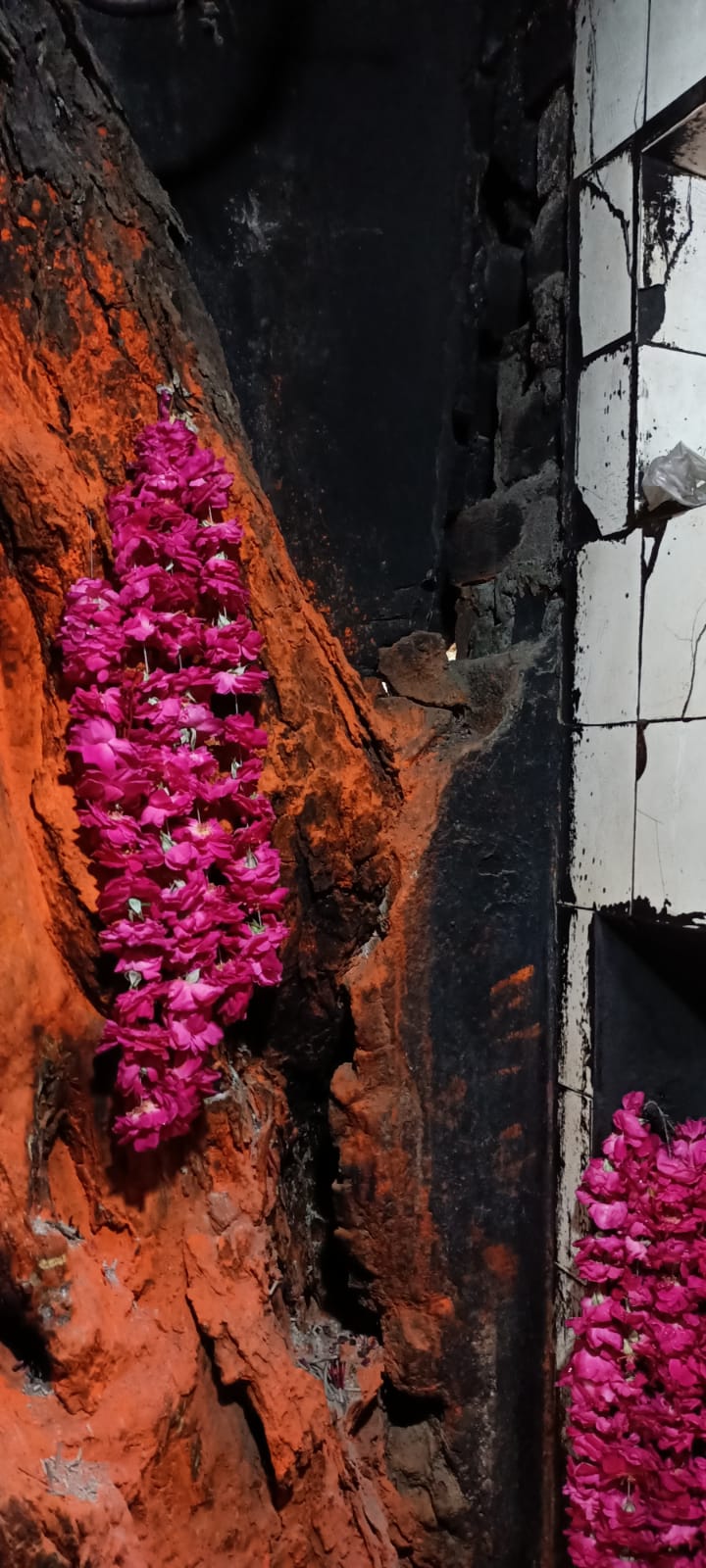
There are a number of sacred trees considered sacred in the Sikh religion. As many as fifty-eight Sikh shrines are associated with particular trees of importance, with up to nineteen tree species being represented amongst these sacred trees. Many of the sacred trees are associated with miraculous sakhis or historical events.
In India, the ber (Indian jujube) tree and its fruit is widespread and has played a prominent role in Indic culture since ancient times. The tree and its fruit finds mention in Sanskrit literature, such as in religious texts where the tree is sanctified. The name given to the tree varies by the local Indian language. The Sikh gurus themselves favoured the planting of jujube trees at locations of religious significance, such as gurdwaras. At the Golden Temple complex in Amritsar, one can find jujube trees which hold religious importance to Sikhs. Other Sikh shrines where celebrated trees that are held sacred by Sikhs exist are Gurdwara Ber Sahib in Sultanpur Lodhi, Gurdwara Shish Ganj Sahib in Anandpur Sahib, and Gurdwara Katana Sahib in Ludhiana. Whilst jujube trees tend to live for around 100 years, three prominent ones located within the confines of the Golden Temple complex have lived four times the expected lifespan of jujube trees. In the Sikh religion, trees are celebrated as Sabaj Mandir (green temples).
Research by Damanbir Singh Jaspal has identified 48 historic Sikh shrines associated with the names of seventeen indigenous species of trees. Some tree-species which hold sanctity in Sikhism are:
The tree species highly-regarded in Sikhism are those which have practical uses for humans, such as by providing sustenance, security, or shelter. The Sikh gurus were mobile preachers, travelling around, thus when they halted at a tree for shade, food, or shelter, the tree they halted at would gain religious significance. This explains why some revered trees are older than the period of the Sikh gurus (such as the tree at Gurdwara Tahli Sahib in Garhshankar, Nawanshahr). Eventually, religious structures would be constructed around these trees to mark permanent shrines. In Leh, there is a Datun (Margossa) tree revered by both Muslims and Buddhists which is believed to have sprouted from a datun planted by Guru Nanak during his second udasi (travels). According to Jaswinder Singh Brar, most of the trees viewed as sacred by Sikhs are ber trees due to the tree's ability to survive for long periods of time without water and many other tree species were extirpated due to them being cleared for agriculture. In India, Sikhs consider the pruned wood and leaves of the sacred ber trees as a benediction from the Sikh gurus, with devotees catching naturally-dropped fruits with dupattas during the fruiting season between February and March.
The Dukh Bhanjani Ber (meaning "the tree which removes sorrows") is a jujube tree (belonging to the Ziziphus jujuba species) located within the Golden Temple complex in Amritsar. Specifically, it is located on the eastern side of the parikarma. Sikhs believe a leper, who was the husband of Bibi Rajani, was cured after bathing in the small body of water near this tree. Sikhs believe the tree was named "Dukh Bhanjani" by Guru Ram Das. The small body of water that once existed near the tree was believed to have existed since ancient times. This body of water was later expanded, becoming the basis for the sarovar of the current temple complex. The tree is commonly used as a prayer site for petitionary prayers, such as ones asking for cures regarding severe, unknown, and untreatable diseases and infertility. Many pilgrims believe that taking a dip in the water near the tree will heal ailments. It is perhaps the second-oldest ber tree in India, after the Baba Buddha Ber.
The Ber Baba Budha Sahib (meaning "tree of Baba Budha") is another jujube tree located also in the Golden temple complex in Amritsar. The Ber Baba Budha Sahib tree is over 440-years-old (dating back to circa 1573). It is perhaps the oldest ber tree in India. The tree is associated with a prime religious figure of early Sikhism, Baba Budda.
Another jujube tree within the Golden Temple complex is known as the Lachhi Ber.
A Ziziphus jujuba tree associated with Guru Nanak can be found at Gurdwara Ber Sahib in Sultanpur Lodhi. It is believed that Guru Nanak revealed the Mul Mantar near the tree. The tree is notable for bearing many fruit annually and having few spines.
Hub AI
Sacred trees in Sikhism AI simulator
(@Sacred trees in Sikhism_simulator)
Sacred trees in Sikhism
There are a number of sacred trees considered sacred in the Sikh religion. As many as fifty-eight Sikh shrines are associated with particular trees of importance, with up to nineteen tree species being represented amongst these sacred trees. Many of the sacred trees are associated with miraculous sakhis or historical events.
In India, the ber (Indian jujube) tree and its fruit is widespread and has played a prominent role in Indic culture since ancient times. The tree and its fruit finds mention in Sanskrit literature, such as in religious texts where the tree is sanctified. The name given to the tree varies by the local Indian language. The Sikh gurus themselves favoured the planting of jujube trees at locations of religious significance, such as gurdwaras. At the Golden Temple complex in Amritsar, one can find jujube trees which hold religious importance to Sikhs. Other Sikh shrines where celebrated trees that are held sacred by Sikhs exist are Gurdwara Ber Sahib in Sultanpur Lodhi, Gurdwara Shish Ganj Sahib in Anandpur Sahib, and Gurdwara Katana Sahib in Ludhiana. Whilst jujube trees tend to live for around 100 years, three prominent ones located within the confines of the Golden Temple complex have lived four times the expected lifespan of jujube trees. In the Sikh religion, trees are celebrated as Sabaj Mandir (green temples).
Research by Damanbir Singh Jaspal has identified 48 historic Sikh shrines associated with the names of seventeen indigenous species of trees. Some tree-species which hold sanctity in Sikhism are:
The tree species highly-regarded in Sikhism are those which have practical uses for humans, such as by providing sustenance, security, or shelter. The Sikh gurus were mobile preachers, travelling around, thus when they halted at a tree for shade, food, or shelter, the tree they halted at would gain religious significance. This explains why some revered trees are older than the period of the Sikh gurus (such as the tree at Gurdwara Tahli Sahib in Garhshankar, Nawanshahr). Eventually, religious structures would be constructed around these trees to mark permanent shrines. In Leh, there is a Datun (Margossa) tree revered by both Muslims and Buddhists which is believed to have sprouted from a datun planted by Guru Nanak during his second udasi (travels). According to Jaswinder Singh Brar, most of the trees viewed as sacred by Sikhs are ber trees due to the tree's ability to survive for long periods of time without water and many other tree species were extirpated due to them being cleared for agriculture. In India, Sikhs consider the pruned wood and leaves of the sacred ber trees as a benediction from the Sikh gurus, with devotees catching naturally-dropped fruits with dupattas during the fruiting season between February and March.
The Dukh Bhanjani Ber (meaning "the tree which removes sorrows") is a jujube tree (belonging to the Ziziphus jujuba species) located within the Golden Temple complex in Amritsar. Specifically, it is located on the eastern side of the parikarma. Sikhs believe a leper, who was the husband of Bibi Rajani, was cured after bathing in the small body of water near this tree. Sikhs believe the tree was named "Dukh Bhanjani" by Guru Ram Das. The small body of water that once existed near the tree was believed to have existed since ancient times. This body of water was later expanded, becoming the basis for the sarovar of the current temple complex. The tree is commonly used as a prayer site for petitionary prayers, such as ones asking for cures regarding severe, unknown, and untreatable diseases and infertility. Many pilgrims believe that taking a dip in the water near the tree will heal ailments. It is perhaps the second-oldest ber tree in India, after the Baba Buddha Ber.
The Ber Baba Budha Sahib (meaning "tree of Baba Budha") is another jujube tree located also in the Golden temple complex in Amritsar. The Ber Baba Budha Sahib tree is over 440-years-old (dating back to circa 1573). It is perhaps the oldest ber tree in India. The tree is associated with a prime religious figure of early Sikhism, Baba Budda.
Another jujube tree within the Golden Temple complex is known as the Lachhi Ber.
A Ziziphus jujuba tree associated with Guru Nanak can be found at Gurdwara Ber Sahib in Sultanpur Lodhi. It is believed that Guru Nanak revealed the Mul Mantar near the tree. The tree is notable for bearing many fruit annually and having few spines.
Recent media