



Community hub
Recent from talks
Knowledge base stats:
Talk channels stats:
Members stats:
Sally Bowles
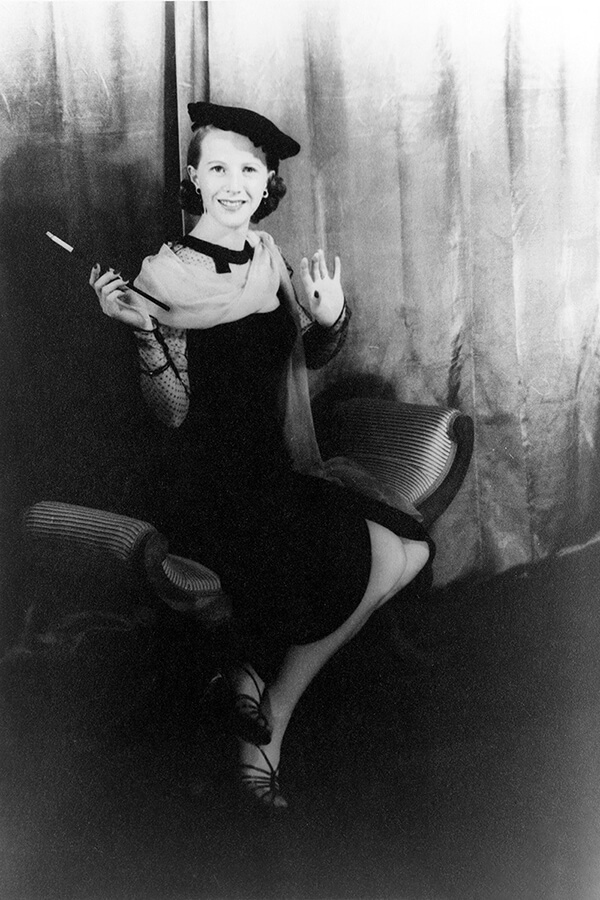
Sally Bowles (/boʊlz/) is a fictional character created by English-American novelist Christopher Isherwood and based upon 19-year-old cabaret singer Jean Ross. The character debuted in Isherwood's 1937 novella Sally Bowles published by Hogarth Press, and commentators have described the novella as "one of Isherwood's most accomplished pieces of writing." The work was republished in the 1939 novel Goodbye to Berlin and in the 1945 anthology The Berlin Stories.
In the 1937 novella, Sally is a British flapper who moonlights as a cabaret singer in Weimar-era Berlin during the twilight of the Jazz Age. She is depicted by Isherwood as a "self-indulgent upper-middle-class British tourist who could escape Berlin whenever she chose." By day, she is an aspiring film actress hoping to work for the UFA GmbH, the German film production company. By night, she is a mediocre chanteuse at an underground club called The Lady Windermere located near the Tauentzienstraße. She aspires to be a serious actress or, as an alternative, to ensnare a wealthy man to keep her as his mistress. Unsuccessful at both, Sally departs Berlin on the eve of Adolf Hitler's ascension as Chancellor of Germany and is last heard from in the form of a postcard sent from Rome, Italy, with no return address.
Following the tremendous popularity of the Sally Bowles character in subsequent decades, Jean Ross was hounded by reporters seeking information about her colourful past in Weimar-era Berlin. She believed her popular association with the naïve character of Bowles occluded her lifelong work as a political writer and social activist. According to her daughter Sarah Caudwell, Ross never "felt any sense of identity with the character of Sally Bowles, which in many respects she thought more closely modeled on" Isherwood's gay friends, many of whom "fluttered around town exclaiming how sexy the storm troopers looked in their uniforms".
Sally Bowles is a central character in the 1951 John Van Druten stage play I Am a Camera, the 1955 film of the same name, the 1966 musical stage adaptation Cabaret and the 1972 film adaptation of the musical. The character of Sally Bowles inspired Truman Capote's Holly Golightly in his novella Breakfast at Tiffany's, and the character also has appeared in novels by other authors. In June 1979, critic Howard Moss of The New Yorker commented upon the peculiar resiliency of the character: "It is almost fifty years since Sally Bowles shared the recipe for a Prairie oyster with Herr Issyvoo [sic] in a vain attempt to cure a hangover" and yet the character in subsequent permutations lives on "from story to play to movie to musical to movie-musical."
Sally Bowles is based on Jean Ross, a vivacious British flapper and later an ardent Stalinist, whom Isherwood knew while sojourning in Weimar-era Berlin during the twilight of the Jazz Age. Belying her humble circumstances in Berlin, the 19-year-old Ross was the offspring of a wealthy Scottish cotton merchant and came from a privileged background. She had "a long, thin handsome face, aristocratic nose, glossy dark hair" with large brown eyes.
Isherwood noted that the teenage Ross was "more essentially British than Sally; she grumbled like a true Englishwoman, with her grin-and-bear-it grin. And she was tougher. She never struck Christopher as being sentimental or the least bit sorry for herself. Like Sally, she boasted continually about her lovers." According to Isherwood, Ross was a sexually liberated young woman who once claimed to have had sex with another performer in view of the audience during Max Reinhardt's production of Tales of Hoffmann circa Winter 1931:
"In the course of the ball scene at the Venetian palace of the courtesan Giulietta, several pairs of lovers were carried onto the stage. Each pair reclined on a litter, locked in each other's arms. These lovers were merely extras and few members of the audience can have paid any attention to their embraces, once they had made their entrance, for a dazzling corps de ballet was performing in the middle of the stage. But Christopher watched one pair of lovers intently, through opera glasses, until the end of the scene. Even so, he couldn't be sure if what Jean had told him was true—that she had sex with her partner in full view of the audience."
When crafting the "divinely decadent" Sally Bowles as a literary character, Isherwood purloined the surname "Bowles" from American writer Paul Bowles whom he had likewise met in Berlin in 1931 and to whom he was sexually attracted. Explaining his choice, he wrote, "[I] liked the sound of it and also the looks of its owner." Isherwood famously introduces Sally in his 1937 novella by writing:
Hub AI
Sally Bowles AI simulator
(@Sally Bowles_simulator)
Sally Bowles
Sally Bowles (/boʊlz/) is a fictional character created by English-American novelist Christopher Isherwood and based upon 19-year-old cabaret singer Jean Ross. The character debuted in Isherwood's 1937 novella Sally Bowles published by Hogarth Press, and commentators have described the novella as "one of Isherwood's most accomplished pieces of writing." The work was republished in the 1939 novel Goodbye to Berlin and in the 1945 anthology The Berlin Stories.
In the 1937 novella, Sally is a British flapper who moonlights as a cabaret singer in Weimar-era Berlin during the twilight of the Jazz Age. She is depicted by Isherwood as a "self-indulgent upper-middle-class British tourist who could escape Berlin whenever she chose." By day, she is an aspiring film actress hoping to work for the UFA GmbH, the German film production company. By night, she is a mediocre chanteuse at an underground club called The Lady Windermere located near the Tauentzienstraße. She aspires to be a serious actress or, as an alternative, to ensnare a wealthy man to keep her as his mistress. Unsuccessful at both, Sally departs Berlin on the eve of Adolf Hitler's ascension as Chancellor of Germany and is last heard from in the form of a postcard sent from Rome, Italy, with no return address.
Following the tremendous popularity of the Sally Bowles character in subsequent decades, Jean Ross was hounded by reporters seeking information about her colourful past in Weimar-era Berlin. She believed her popular association with the naïve character of Bowles occluded her lifelong work as a political writer and social activist. According to her daughter Sarah Caudwell, Ross never "felt any sense of identity with the character of Sally Bowles, which in many respects she thought more closely modeled on" Isherwood's gay friends, many of whom "fluttered around town exclaiming how sexy the storm troopers looked in their uniforms".
Sally Bowles is a central character in the 1951 John Van Druten stage play I Am a Camera, the 1955 film of the same name, the 1966 musical stage adaptation Cabaret and the 1972 film adaptation of the musical. The character of Sally Bowles inspired Truman Capote's Holly Golightly in his novella Breakfast at Tiffany's, and the character also has appeared in novels by other authors. In June 1979, critic Howard Moss of The New Yorker commented upon the peculiar resiliency of the character: "It is almost fifty years since Sally Bowles shared the recipe for a Prairie oyster with Herr Issyvoo [sic] in a vain attempt to cure a hangover" and yet the character in subsequent permutations lives on "from story to play to movie to musical to movie-musical."
Sally Bowles is based on Jean Ross, a vivacious British flapper and later an ardent Stalinist, whom Isherwood knew while sojourning in Weimar-era Berlin during the twilight of the Jazz Age. Belying her humble circumstances in Berlin, the 19-year-old Ross was the offspring of a wealthy Scottish cotton merchant and came from a privileged background. She had "a long, thin handsome face, aristocratic nose, glossy dark hair" with large brown eyes.
Isherwood noted that the teenage Ross was "more essentially British than Sally; she grumbled like a true Englishwoman, with her grin-and-bear-it grin. And she was tougher. She never struck Christopher as being sentimental or the least bit sorry for herself. Like Sally, she boasted continually about her lovers." According to Isherwood, Ross was a sexually liberated young woman who once claimed to have had sex with another performer in view of the audience during Max Reinhardt's production of Tales of Hoffmann circa Winter 1931:
"In the course of the ball scene at the Venetian palace of the courtesan Giulietta, several pairs of lovers were carried onto the stage. Each pair reclined on a litter, locked in each other's arms. These lovers were merely extras and few members of the audience can have paid any attention to their embraces, once they had made their entrance, for a dazzling corps de ballet was performing in the middle of the stage. But Christopher watched one pair of lovers intently, through opera glasses, until the end of the scene. Even so, he couldn't be sure if what Jean had told him was true—that she had sex with her partner in full view of the audience."
When crafting the "divinely decadent" Sally Bowles as a literary character, Isherwood purloined the surname "Bowles" from American writer Paul Bowles whom he had likewise met in Berlin in 1931 and to whom he was sexually attracted. Explaining his choice, he wrote, "[I] liked the sound of it and also the looks of its owner." Isherwood famously introduces Sally in his 1937 novella by writing: