Hubbry Logo
GayGayMain
Open search
Gay
Community hub
Gay
logo
8 pages, 0 posts
0 subscribers
Be the first to start a discussion here.
Contribute something
Gay
Gay
from Wikipedia

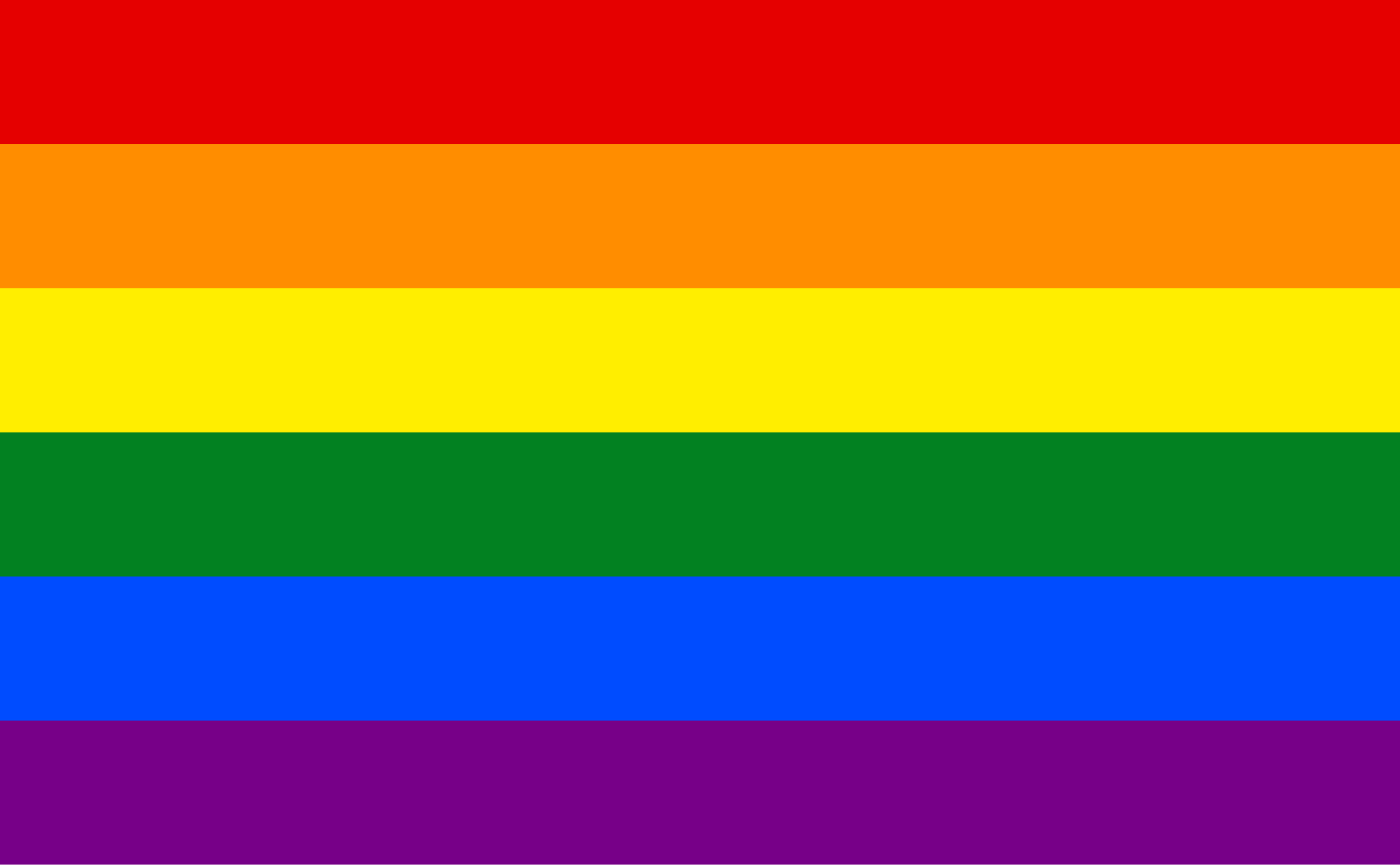
The rainbow flag, a common symbol representing gay people, or more recently, the overall LGBTQ community.

Gay is a term that primarily refers to a homosexual person or the trait of being homosexual. The term originally meant "carefree", "cheerful', or "bright and showy".[1]

While scant usage referring to male homosexuality dates to the late 19th century, that meaning became increasingly common by the mid-20th century.[2] In modern English, gay has come to be used as an adjective, and as a noun, referring to the community, practices and cultures associated with homosexuality. In the 1960s, gay became the word favored by homosexual men to describe their sexual orientation.[3] By the end of the 20th century and beginning of the 21st century, the word gay was recommended by major LGBTQ groups and style guides to describe people attracted to members of the same sex,[4][5] although it is more commonly used to refer specifically to men.[6]

Since the 1980s, a new, pejorative use became prevalent in some parts of the world. Among younger speakers, the word has a meaning ranging from derision (e.g., equivalent to "rubbish" or "stupid") to a light-hearted mockery or ridicule (e.g., equivalent to "weak", "unmanly", or "boring"). The extent to which these usages still retain connotations of homosexuality has been debated and harshly criticized.[7][8][needs update] Because of the strongly offensive and homophobic insult, the use of gay as an insult is generally considered socially inappropriate, sometimes even legally restricted, especially in Canada.

History

[edit]

Overview

[edit]
Cartoon from Punch magazine in 1857 illustrating the use of "gay" as a colloquial euphemism for being a prostitute;[9] one woman says to the other (who looks glum), "How long have you been gay?" The poster on the wall is for La Traviata, an opera about a courtesan

The word gay arrived in English during the 12th century from Old French gai, most likely deriving ultimately from a Germanic source.[2]

In English, the word's primary meaning was "joyful", "carefree", "bright and showy", and the word was very commonly used with this meaning in speech and literature. For example, the optimistic 1890s are still often referred to as the Gay Nineties. The title of the 1938 French ballet Gaîté Parisienne ("Parisian Gaiety"), which became the 1941 Warner Brothers movie, The Gay Parisian,[10] also illustrates this connotation. It was apparently not until the 20th century that the word began to be used to mean specifically "homosexual", although it had earlier acquired sexual connotations.[2]

The derived abstract noun gaiety remains largely free of sexual connotations and has, in the past, been used in the names of places of entertainment, such as the Gaiety Theatre in Dublin.

Sexualization

[edit]
Usage statistics from English books, according to Google Ngram Viewer

The word may have started to acquire associations of sexual immorality as early as the 14th century, but had certainly acquired them by the 17th.[2] By the late 17th century, it had acquired the specific meaning of "addicted to pleasures and dissipations",[11] an extension of its primary meaning of "carefree" implying "uninhibited by moral constraints". A gay woman was a prostitute, a gay man a womanizer, and a gay house a brothel.[12][2] An example is a letter read to a London court in 1885 during the prosecution of brothel madam and procuress Mary Jeffries that had been written by a girl while enslaved inside of a French brothel:

I write to tell you it is a gay house ... Some captains came in the other night, and the mistress wanted us to sleep with them.[13]

The use of gay to mean "homosexual" was often an extension of its application to prostitution: a gay boy was a young man or boy serving male clients.[14]

Similarly, a gay cat was a young male apprenticed to an older hobo and commonly exchanging sex and other services for protection and tutelage.[2] The application to homosexuality was also an extension of the word's sexualized connotation of "carefree and uninhibited", which implied a willingness to disregard conventional or respectable sexual mores. Such usage, documented as early as the 1920s, was likely present before the 20th century,[2] although it was initially more commonly used to imply heterosexually unconstrained lifestyles, as in the once-common phrase "gay Lothario",[15] or in the title of the book and film The Gay Falcon (1941), which concerns a womanizing detective whose first name is "Gay". Similarly, Fred Gilbert and G. H. MacDermott's music hall song of the 1880s, "Charlie Dilke Upset the Milk" – "Master Dilke upset the milk, when taking it home to Chelsea; the papers say that Charlie's gay, rather a wilful wag!" – referred to Sir Charles Dilke's alleged heterosexual impropriety.[16] Giving testimony in court in 1889, the prostitute John Saul stated: "I occasionally do odd-jobs for different gay people."[17]

Well into the mid-20th century a middle-aged bachelor could be described as "gay", indicating that he was unattached and therefore free, without any implication of homosexuality. This usage could apply to women too. The British comic strip Jane, first published in the 1930s, described the adventures of Jane Gay. Far from implying homosexuality, it referred to her free-wheeling lifestyle with plenty of boyfriends (while also punning on Lady Jane Grey).

A passage from Gertrude Stein's Miss Furr & Miss Skeene (1922) is possibly the first traceable published use of the word to refer to a homosexual relationship. According to Linda Wagner-Martin (Favored Strangers: Gertrude Stein and her Family, 1995) the portrait "featured the sly repetition of the word gay, used with sexual intent for one of the first times in linguistic history", and Edmund Wilson (1951, quoted by James Mellow in Charmed Circle, 1974) agreed.[18] For example:

They were ... gay, they learned little things that are things in being gay, ... they were quite regularly gay.

— Gertrude Stein, 1922

The word continued to be used with the dominant meaning of "carefree", as evidenced by the title of The Gay Divorcee (1934), a musical film about a heterosexual couple.

Bringing Up Baby (1938) was the first film to use the word gay in an apparent reference to homosexuality. In a scene in which Cary Grant's character's clothes have been sent to the cleaners, he is forced to wear a woman's feather-trimmed robe. When another character asks about his robe, he responds, "Because I just went gay all of a sudden!" Since this was a mainstream film at a time, when the use of the word to refer to cross-dressing (and, by extension, homosexuality) would still be unfamiliar to most film-goers, the line can also be interpreted to mean, "I just decided to do something frivolous."[19]

In 1950, the earliest reference found to date for the word gay as a self-described name for homosexuals came from Alfred A. Gross, executive secretary for the George W. Henry Foundation, who said in the June 1950 issue of SIR magazine: "I have yet to meet a happy homosexual. They have a way of describing themselves as gay but the term is a misnomer. Those who are habitues of the bars frequented by others of the kind, are about the saddest people I've ever seen."[20]

Shift to specifically homosexual

[edit]

By the mid-20th century, gay was well established in reference to hedonistic and uninhibited lifestyles[11] and its antonym straight, which had long had connotations of seriousness, respectability, and conventionality, had now acquired specific connotations of heterosexuality.[21] In the case of gay, other connotations of frivolousness and showiness in dress ("gay apparel") led to association with camp and effeminacy. This association no doubt helped the gradual narrowing in scope of the term towards its current dominant meaning, which was at first confined to subcultures. Gay was the preferred term since other terms, such as queer, were felt to be derogatory.[22] Homosexual is perceived as excessively clinical,[23][24][25] since the sexual orientation now commonly referred to as "homosexuality" was at that time a mental illness diagnosis in the Diagnostic and Statistical Manual of Mental Disorders (DSM).

In mid-20th century Britain, where male homosexuality was illegal until the Sexual Offences Act 1967, to openly identify someone as homosexual was considered very offensive and an accusation of serious criminal activity. Additionally, none of the words describing any aspect of homosexuality were considered suitable for polite society. Consequently, a number of euphemisms were used to hint at suspected homosexuality. Examples include "sporty" girls and "artistic" boys,[26] all with the stress deliberately on the otherwise completely innocent adjective.

The 1960s marked the transition in the predominant meaning of the word gay from that of "carefree" to the current "homosexual". In the British comedy-drama film Light Up the Sky! (1960), directed by Lewis Gilbert, about the antics of a British Army searchlight squad during World War II, there is a scene in the mess hut where the character played by Benny Hill proposes an after-dinner toast. He begins, "I'd like to propose..." at which point a fellow diner interjects "Who to?", implying a proposal of marriage. The Benny Hill character responds, "Not to you for start, you ain't my type". He then adds in mock doubt, "Oh, I don't know, you're rather gay on the quiet."

By 1963, a new sense of the word gay was known well enough to be used by Albert Ellis in his book The Intelligent Woman's Guide to Man-Hunting. Similarly, Hubert Selby Jr. in his 1964 novel Last Exit to Brooklyn, could write that a character "took pride in being a homosexual by feeling intellectually and esthetically superior to those (especially women) who weren't gay...."[27] Later examples of the original meaning of the word being used in popular culture include the theme song to the 1960–1966 animated TV series The Flintstones, wherein viewers are assured that they will "have a gay old time." Similarly, the 1966 Herman's Hermits song "No Milk Today", which became a Top 10 hit in the UK and a Top 40 hit in the U.S., included the lyric "No milk today, it was not always so; The company was gay, we'd turn night into day."[28]

In June 1967, the headline of the review of the Beatles' Sgt. Pepper's Lonely Hearts Club Band album in the British daily newspaper The Times stated, "The Beatles revive hopes of progress in pop music with their gay new LP".[29] The same year, the Kinks recorded "David Watts", which is about a schoolmate of Ray Davies, but is named after a homosexual concert promoter they knew, with the ambiguous line "he is so gay and fancy-free" attesting to the word's double meaning at that time.[30] As late as 1970, the first episode of The Mary Tyler Moore Show has the demonstrably straight Mary Richards' neighbor Phyllis breezily declaiming that Mary is still "young and gay", but in an episode about two years later, Phyllis is told that her brother is "gay", which is immediately understood to mean that he is homosexual.

Homosexuality

[edit]
The rainbow flag is a symbol of gay pride

Sexual orientation, identity, behavior

[edit]

The American Psychological Association defines sexual orientation as "an enduring pattern of emotional, romantic, and/or sexual attractions to men, women, or both sexes," ranging "along a continuum, from exclusive attraction to the other sex to exclusive attraction to the same sex."[31] Sexual orientation can also be "discussed in terms of three categories: heterosexual (having emotional, romantic, or sexual attractions to members of the other sex), gay/lesbian (having emotional, romantic, or sexual attractions to members of one's own sex), and bisexual (having emotional, romantic, or sexual attractions to both men and women)."[31]

According to Rosario, Schrimshaw, Hunter, Braun (2006), "the development of a lesbian, gay, or bisexual (LGB) sexual identity is a complex and often difficult process. Unlike members of other minority groups (e.g., ethnic and racial minorities), most LGB individuals are not raised in a community of similar others from whom they learn about their identity and who reinforce and support that identity. Rather, LGB individuals are often raised in communities that are either ignorant of or openly hostile toward homosexuality."[32]

The British gay rights activist Peter Tatchell has argued that the term gay is merely a cultural expression which reflects the current status of homosexuality within a given society, and claiming that "Queer, gay, homosexual ... in the long view, they are all just temporary identities. One day, we will not need them at all."[33]

If a person engages in sexual activity with a partner of the same sex but does not self-identify as gay, terms such as 'closeted', 'discreet', or 'bi-curious' may apply. Conversely, a person may identify as gay without having had sex with a same-sex partner. Possible choices include identifying as gay socially, while choosing to be celibate, or while anticipating a first homosexual experience. Further, a bisexual person might also identify as "gay" but others may consider gay and bisexual to be mutually exclusive. There are some who are drawn to the same sex but neither engage in sexual activity nor identify as gay; these could have the term asexual applied, even though asexual generally can mean no attraction, or involve heterosexual attraction but no sexual activity.

Terminology

[edit]

Some reject the term homosexual as an identity-label because they find it too clinical-sounding;[24][25][34] they believe it is too focused on physical acts rather than romance or attraction, or too reminiscent of the era when homosexuality was considered a mental illness. Conversely, some reject the term gay as an identity-label because they perceive the cultural connotations to be undesirable or because of the negative connotations of the slang usage of the word.

Style guides, like the following from the Associated Press, call for gay over homosexual:

Gay: Used to describe men and women attracted to the same sex, though lesbian is the more common term for women. Preferred over homosexual except in clinical contexts or references to sexual activity.[6]

There are those who reject the gay label for reasons other than shame or negative connotations. Writer Alan Bennett[35] and fashion icon André Leon Talley[36] are out and open queer men who reject being labeled gay, believing the gay label confines them.

Gay community vs. LGBTQ community

[edit]

Starting in the mid-1980s in the United States, a conscious effort was underway within what was then commonly called the gay community, to add the term lesbian to the name of organizations that involved both male and female homosexuals, and to use the terminology of gay and lesbian, lesbian/gay, or a similar phrase when referring to that community. Accordingly, organizations such as the National Gay Task Force became the National Gay and Lesbian Task Force. For many feminist lesbians, it was also important that lesbian be named first, to avoid the implication that women were secondary to men, or an afterthought.[37] In the 1990s, this was followed by a similar effort to include terminology specifically including bisexual, transgender, intersex, and other people, reflecting the intra-community debate about the inclusion of these other sexual minorities as part of the same movement. Consequently, the portmanteau les/bi/gay has sometimes been used, and initialisms such as LGBT, LGBTQ, LGBTQI, and others have come into common use by such organizations, and most news organizations have formally adopted some such variation.

Descriptor

[edit]
"Bar Revenge", a gay bar in Brighton, England

The term gay can also be used as an adjective to describe things related to homosexual men, or things which are part of the said culture. For example, the term "gay bar" describes the bar which either caters primarily to a homosexual male clientele or is otherwise part of homosexual male culture.

Using it to describe an object, such as an item of clothing, suggests that it is particularly flamboyant, often on the verge of being gaudy and garish. This usage predates the association of the term with homosexuality but has acquired different connotations since the modern usage developed.

Use as a noun

[edit]

The label gay was originally used purely as an adjective ("he is a gay man" or "he is gay"). The term has also been in use as a noun with the meaning "homosexual man" since the 1970s, most commonly in the plural for an unspecified group, as in "gays are opposed to that policy." This usage is somewhat common in the names of organizations such as Parents, Families and Friends of Lesbians and Gays (PFLAG) and Children of Lesbians And Gays Everywhere (COLAGE). It is sometimes used to refer to individuals, as in "he is a gay" or "two gays were there too," although this may be perceived as derogatory.[38] It was also used for comedic effect by the Little Britain character Dafydd Thomas. To avoid pejorative connotations, the adjective form can be used instead, e.g. "gay person" or "gay people".

Generalized pejorative use

[edit]

When used with a derisive attitude (e.g., "that was so gay"), the word gay is pejorative. Though retaining other meanings, its use among young people as a term of disparagement is common; 97 percent of American LGBTQ middle and high school students reported hearing its negative use as of 2021.[7][39][40]

This pejorative usage has its origins in the late 1970s, with the word gaining a pejorative sense by association with the previous meaning: homosexuality was seen as inferior or undesirable.[41] Beginning in the 1980s, and especially in the late 1990s, the usage as a generic insult became common among young people.[7] Use of "gay" in some circumstances continues to be considered a pejorative in present day. As recently as 2023, the American Psychological Association described language like "that's so gay" as heterosexist and heteronormative.[42]

The pejorative usage of the word "gay" has been criticized as homophobic. A 2006 BBC ruling by the Board of Governors over the negative use of the word by Chris Moyles advises that "caution on its use"; however, it acknowledges its common use among young people to mean "rubbish" or "lame".[39]

The BBC's ruling was heavily criticized by the Minister for Children, Kevin Brennan, who stated in response that "the casual use of homophobic language by mainstream radio DJs" is:

"too often seen as harmless banter instead of the offensive insult that it really represents. ... To ignore this problem is to collude in it. The blind eye to casual name-calling, looking the other way because it is the easy option, is simply intolerable."[43]

Shortly after the Moyles incident, a campaign against homophobia was launched in Britain under the slogan "homophobia is gay", playing on the double meaning of the word "gay" in youth culture, as well as the popular perception that vocal homophobia is common among closeted homosexuals.[44]

The United States had its own popular campaign against the pejorative use of "gay" called Think B4 You Speak. It was created in 2008 in partnership with the Advertising Council, GLSEN, and Arnold NYC. This initiative created television, radio, print and web PSAs with goals "to motivate teens to become allies in the efforts to raise awareness, stop using anti-LGBT language and safely intervene when they are present and anti-LGBT harassment and behavior occurs."[45]

Research has looked into the use and effect of the pejorative. In a 2013 article published in the Journal of Interpersonal Violence, University of Michigan researchers Michael Woodford, Alex Kulick and Perry Silverschanz, alongside Appalachian State University professor Michael L. Howell, argued that the pejorative use of the word "gay" was a microaggression.[46] They found that college-age men were more likely to repeat the word pejoratively if their friends said it, while they were less likely to say it if they had lesbian, gay or bisexual peers.[46] A 2019 study used data collected in a 2013 survey of cisgender LGBQ+ college students to evaluate the effects of microaggressions like "that's so gay" and "no homo."[47] It found that increased exposure to the phrase "that's so gay" was significantly associated with greater developmental challenge (a measure of academic stressors).[47] Research published in the Journal of Youth and Adolescence in 2021 finds that use of anti-gay banter among Midwestern middle and high school students such as "that's so gay" is perceived less negatively and more humorously if the person saying it is a friend.[48]

Parallels in other languages and cultures

[edit]
  • The concept of a "gay identity" and the use of the term gay may not be used or understood the same way in non-Westernised cultures, since modes of sexuality may differ from those prevalent in the West.[49]
  • For example, two-spirit is a term used by some Indigenous people in the United States and Canada to describe Indigenous people in their communities who do not conform to Western expressions of gender and sexuality. It functions as a modern, pan-Indian umbrella term, much like the use of queer or LGBTQ by non-Natives. Some Indigenous people identify as both two-spirit and gay.[50][51] For some traditional Native Americans, who usually use terms in their own languages for these individuals rather than the English neologism, two-spirit is not interchangeable with the "LGBT Native American" or "gay Indian"[52] sexual and gender identity labels because it is a sacred, spiritual, and ceremonial role that is recognized and confirmed only by tribal elders of the two-spirit person's ceremonial community.[50]
  • The German equivalent for "gay", "schwul", which is etymologically derived from "schwül" (hot, humid), also acquired the pejorative meaning within youth culture.[53]

See also

[edit]

References

[edit]

Further reading

[edit]
[edit]
Revisions and contributorsEdit on WikipediaRead on Wikipedia
from Grokipedia
Gay is an English adjective deriving from Old French gai (c. 12th century), originally denoting joyfulness, merriment, or lightheartedness, with connotations of brightness or showiness; by the 17th century, it acquired secondary senses of licentiousness or promiscuity in slang contexts, before predominantly shifting in the mid-20th century to refer to homosexual orientation, particularly male same-sex attraction. This semantic evolution progressed through subcultural slang in the early 20th century, where "gay" described female prostitutes and then homosexual men in urban underworlds, gaining wider currency post-World War II among homosexual communities as a neutral or affirmative self-identifier, especially following the 1969 Stonewall riots and the ensuing liberation movement. The term's adoption displaced earlier euphemisms like "homophile" and reflected a deliberate reclamation from pejorative undertones, though its dominance has rendered the original "happy" sense archaic outside literature or fixed expressions, prompting debates on linguistic loss and prescriptive resistance to change. In contemporary English, dictionaries list the homosexual meaning as primary, supported by corpus frequency shifts showing near-total supplantation since the 1970s.

Etymology and Linguistic Evolution

Origins and Early Meanings

The word "gay" entered the English language from Old French gai, attested around the 12th century, where it primarily denoted joyfulness, mirth, or a light-hearted disposition. This Old French term likely derived from a Proto-Germanic root akin to gahī or gahi, implying suddenness, quickness, or impetuous liveliness, which evolved to evoke brightness and exuberance. Earlier origins remain uncertain, with no definitive Indo-European precursor established beyond speculative links to concepts of rapid motion or vividness. By the 13th to 14th centuries, "gay" appeared in Middle English texts to describe merriment, ornamental splendor, or carefree states, often in poetic contexts like Chaucer's works, where it connoted festive or brightly attired scenes without sexual undertones. In medieval and Renaissance literature, such as ballads and moral allegories, the term extended to hedonistic or brightly immoral behaviors, signaling moral looseness like excessive revelry or dissipation, but still rooted in its core sense of vivacity rather than targeted eroticism. This usage reflected a broader semantic shift toward "wanton" or "licentious" by the late 14th century, influenced by associations with fleeting pleasures. From the 16th through 19th centuries, "gay" increasingly functioned in slang for lighthearted immorality, particularly linked to prostitution; "gay women" or "gay ladies" referred to female sex workers, while "gay houses" denoted brothels catering to such trade. This connotation arose in urban underworld lexicons, as in 17th-century English cant, where it implied promiscuous or flashy vice without initial specificity to same-sex acts, though overlapping with general debauchery. By the 19th century, dictionaries like those of Francis Grose recorded "gay" as evoking rakish or dissolute living, predating any dominant homosexual exclusivity.

Shift to Homosexual Connotation

The slang usage of "gay" to denote homosexual men emerged in early 20th-century subcultures, with possible precursors in late 16th-century Paris where homosexuals were reportedly referred to as gai. More reliably documented is its adoption as in-group code post-World War I in England, allowing discreet communication within broader society. By the 1920s and 1930s, the term appeared in American underground contexts, including a 1933 dictionary of underworld slang defining it as referring to homosexuals, particularly in Midwestern scenes. In the 1920s through 1950s, "gay" gained traction in clandestine homosexual networks, such as speakeasies, gay bars in U.S. cities like New York and Los Angeles, and UK establishments, where it signaled homosexual men in contrast to "straight" individuals— the latter originally connoting conventional or law-abiding. This period saw its use in bohemian enclaves like Greenwich Village and Harlem, though primarily as covert parlance amid pervasive legal and social prohibitions. By 1951, the Oxford English Dictionary recorded "gay" as slang for homosexual, reflecting established but niche circulation; it entered print for such audiences in 1950s literature. The 1960s marked the pivot to wider recognition, as "gay" supplanted clinical terms like "homosexual" among men identifying with the orientation, influenced by countercultural shifts toward openness. The June 1969 Stonewall riots in New York City accelerated this transition, catalyzing activism that embraced "gay" as a defiant, public self-identifier rather than mere subcultural shorthand, with its dominance evident by the 1970s in liberation movements.

Contemporary Usage and Descriptors

In contemporary English, "gay" functions primarily as an adjective denoting sexual or romantic attraction to individuals of the same sex, with particular application to men. Dictionaries such as Merriam-Webster and Oxford Learner's specify this sense as central, often exemplifying "gay men" while noting extension to women, though "lesbian" remains the standard term for female homosexuality. This denotation distinguishes "gay" from broader or reclaimed terms like "queer," which encompasses non-normative sexualities or identities beyond exclusive same-sex attraction, and from "LGBTQ," an acronym aggregating lesbian, gay, bisexual, transgender, and queer elements without equating to homosexual orientation alone. Corpus evidence from sources like Google Books Ngram Viewer reveals the homosexual connotation's dominance since the 1970s, with frequency peaking alongside associations like "bisexual" and "marriage" rather than "happy." Sociolinguistic surveys confirm this shift: among older speakers, "happy" retains up to 50% usage, but it drops to 5% among the youngest cohorts, rendering the original sense largely archaic in modern discourse. Noun forms like "gay" or "gays" to designate homosexual persons appear in some dictionaries but provoke debate over implications of categorization, with detractors contending such usage reduces individuals to their orientation, fostering dehumanization akin to labeling by immutable traits. Advocates for person-centered phrasing, such as "gay people," argue it preserves individuality, though empirical dictionary entries permit nominal use without endorsing it as preferable. In formal contexts, residual ambiguity with "happy" advises precision, yet data affirm the sexual meaning's prevalence, minimizing practical confusion post-1970.

Historical Context

Pre-Modern References and Attitudes

In ancient Greece, particularly during the Archaic and Classical periods (circa 600–300 BCE), pederasty represented a formalized social institution in city-states such as Athens and Thebes, involving an adult male mentor (erastes) engaging erotically with an adolescent male youth (eromenos, typically aged 12–18). Primary evidence includes over 1,000 surviving Attic red-figure vase paintings from the 6th to 4th centuries BCE depicting courtship scenes, gift-giving, and symposia, alongside literary sources like Plato's Symposium (circa 385–370 BCE), which idealizes these bonds as intellectual and pedagogical while condemning excessive physicality. These relationships emphasized dominance and education, with the eromenos expected to transition to heterosexual marriage and procreation by adulthood, rendering pederasty situational and hierarchical rather than indicative of a lifelong exclusive preference for male partners. In the Roman Republic and Empire (509 BCE–476 CE), same-sex acts among elites often involved freeborn men penetrating male slaves, prostitutes, or youths, framed by a "cult of virility" that prioritized active dominance over passive roles to preserve status. Literary accounts, such as Suetonius's Lives of the Twelve Caesars (circa 121 CE), record emperors like Nero (r. 54–68 CE) publicly marrying men such as Sporus while maintaining wives and concubines, and Hadrian (r. 117–138 CE) deifying his youth Antinous after his death in 130 CE, yet these were exceptional displays of power or grief, not rejections of heterosexual norms. Roman law, including the Lex Scantinia (circa 149 BCE), penalized freeborn males for passive roles but tolerated elite exploitation of inferiors, underscoring acts as violations of social order rather than innate orientations. Medieval European attitudes, shaped by Christian theology from the 4th century onward, condemned "sodomy"—encompassing anal intercourse between men or with animals—as a grave sin contra naturam, drawing from biblical texts like Leviticus 18:22 and Romans 1:26–27, with penitentials such as the Penitential of Theodore (circa 690 CE) prescribing penances of up to seven years for clergy. Secular laws emerged sporadically, such as Bologna's 1259 statute mandating castration and fines for sodomy, and by the mid-14th century, Italian cities like Florence enforced civil penalties including burning, as in the 1343 podestà ordinances targeting networks of acts rather than personal identities. Prosecutions, often against monks or opportunistic pairs documented in inquisitorial records (e.g., 131 trials in Italy from 1250–1500), treated behaviors as moral failings amenable to confession, with no conceptual framework for fixed homosexuality; participants frequently confessed to isolated lapses amid heterosexual marriages. Across these eras, historical records indicate the rarity of documented lifelong exclusive same-sex attraction, with most evidenced behaviors opportunistic, status-driven, or fluid, integrated into expectations of family formation and reproduction; pre-modern sources categorized deviance by acts alone, not enduring personal essences. This contrasts with modern identity constructs, as no primary texts prior to the 19th century describe individuals defined solely by persistent same-sex exclusivity, a pattern corroborated by the absence of such cases in extensive archival reviews of elite biographies and legal proceedings.

Modern Emergence and Sexualization

In the mid-19th century, German writer and activist Karl Heinrich Ulrichs introduced the term "Urning" to describe men with innate attractions to other men, positing it as a congenital third sex arising from embryonic developmental anomalies rather than moral failing or choice. Ulrichs argued in pamphlets published starting in 1864 that Urnings possessed a female psyche in a male body, framing homosexuality as an immutable biological variant and advocating for its decriminalization, which laid groundwork for scientific sexology despite prevailing religious and legal prohibitions. This perspective challenged earlier theological condemnations by emphasizing empirical observation of self-identified individuals, though Ulrichs's ideas were marginalized in an era dominated by sodomy statutes across Europe. Building on such foundations, Austrian psychiatrist Richard von Krafft-Ebing's Psychopathia Sexualis (1886) systematically categorized homosexuality as a form of sexual inversion and hereditary degeneration, detailing case studies of what he termed "contrary sexual instinct" as a pathological perversion akin to other neuroses. Krafft-Ebing distinguished innate from acquired cases but viewed most as symptomatic of broader neuropathic conditions, influencing forensic psychiatry by recommending medical intervention over punishment, yet reinforcing stigma through clinical detachment that prioritized procreative norms as evolutionary baselines. His work, drawing from hundreds of patient histories, popularized the medicalization of homosexuality, shifting discourse from sin to sickness while underscoring causal links to heredity and nervous system irregularities absent in heterosexual baselines. Sigmund Freud, in early 20th-century writings such as Three Essays on the Theory of Sexuality (1905), reconceptualized homosexuality not as innate degeneracy but as an arrested psychosexual development where libidinal fixation on early objects—often same-sex parental figures—halted progression toward mature genital heterosexuality. Freud maintained it was a variation within human bisexuality rather than pathology warranting cure, attributing it to constitutional factors combined with environmental arrests like overidentification with the mother or defensive reactions to castration anxiety, thus prioritizing psychoanalytic etiology over biological determinism. This framework, while decriminalizing in intent, pathologized homosexuality as immature, influencing therapeutic approaches that sought resolution through analysis of unconscious conflicts. Legally, early 20th-century United States sodomy laws—rooted in colonial statutes and codified in state penal codes—explicitly criminalized anal intercourse and often fellatio, targeting homosexual acts with penalties up to life imprisonment in states like Texas and Georgia, enforcing social norms amid rising urban anonymity. These laws, upheld through prosecutions peaking in the 1910s-1920s, reflected causal enforcement of moral panics linking homosexuality to vice districts, yet inadvertently fostered nascent subcultures in cities like New York and Chicago, where clandestine saloons, bathhouses, and rooming houses enabled discreet networks among working-class men. Such enclaves, documented in vice commission reports, represented embryonic community formation driven by migration to industrial centers, though vulnerability to raids perpetuated isolation.

20th-Century Reclamation and Activism

The Mattachine Society, founded in Los Angeles in 1950 by Harry Hay, represented an early effort in organized advocacy for homosexuals, initially employing the term "homophile" to emphasize emotional bonds over sexual aspects and avoid stigma associated with "homosexual." The Daughters of Bilitis, established in San Francisco in 1955 by Del Martin and Phyllis Lyon, similarly adopted "homophile" framing for lesbian rights, positioning itself as a social and psychological support network amid widespread criminalization of same-sex acts. These groups pursued assimilationist strategies, including petitions against police entrapment and publications challenging psychiatric views of homosexuality as pathology, though they faced internal debates over radicalism versus respectability. The 1969 Stonewall riots, erupting on June 28 outside the Stonewall Inn in New York City after a police raid, marked a pivot from homophile caution to confrontational "gay liberation," with activists reclaiming "gay" as an affirmative, non-clinical descriptor for homosexual identity, particularly among men. This event catalyzed annual pride marches starting in 1970 and propelled demands for decriminalization, exemplified by Illinois's 1961 repeal of sodomy laws—the first in the U.S.—followed by broader legal challenges. Yet tensions arose within the movement, as liberationist calls for sexual freedom clashed with assimilationists wary of public promiscuity perceptions, foreshadowing later rifts. The 1980s AIDS epidemic, first identified in 1981 among gay men in urban centers, thrust homosexuality into heightened visibility, spurring groups like ACT UP in 1987 to demand faster drug approvals and research funding through direct actions such as die-ins. By 1987-1996, peak U.S. AIDS deaths exceeded 50,000 annually, many attributable to unprotected anal intercourse in networks with high partner turnover, prompting internal critiques—from figures like Larry Kramer—of bathhouse culture and promiscuity as exacerbating factors, even as stigma delayed government response. By the 1990s, "gay" expanded into the "LGBT" acronym to encompass lesbians, bisexuals, and transgender individuals, reflecting coalition-building amid ongoing activism. Recent surveys indicate rising self-identification, with Gallup reporting 7.6% of U.S. adults as LGBTQ in 2023—up from 3.5% in 2012—and over 20% among Generation Z, driven largely by bisexual labels among young women. This surge has fueled debates over innate traits versus social influences, with some analyses attributing increases to cultural shifts and peer dynamics rather than solely destigmatization of fixed orientations.

Biological and Etiological Foundations

Genetic and Heritable Factors

Studies of monozygotic (identical) twins, who share nearly 100% of their genetic material, have consistently shown higher concordance rates for same-sex sexual orientation compared to dizygotic (fraternal) twins, who share about 50% on average, indicating a heritable component but not complete genetic determination. A meta-analysis of twin pairs reported concordance rates of 21.2% for monozygotic twins and 8.7% for dizygotic twins in same-sex orientation. Earlier studies, such as Bailey and Pillard's 1991 analysis of male twins, found 52% concordance among monozygotic pairs versus 22% for dizygotic, though subsequent population-based twin registry data yielded lower figures around 20-25% for monozygotic and 10-12% for dizygotic, reflecting reduced sampling bias. Heritability estimates from these twin studies, which compare observed concordance to expectations under genetic and environmental models, place the genetic influence on male homosexuality at approximately 30-40%, with the remainder attributable to non-shared environmental factors. For females, estimates are similar or slightly lower, around 20-30%, though data are sparser due to smaller sample sizes and definitional variations in orientation assessment. These figures derive from structural equation modeling of twin and family data, accounting for shared family environment, which shows minimal contribution (near 0%). Genome-wide association studies (GWAS) have sought to identify specific genetic variants, analyzing millions of single nucleotide polymorphisms (SNPs) across large cohorts. The 2019 Ganna et al. study, involving 477,522 individuals primarily of European ancestry, identified five loci significantly associated with same-sex sexual behavior, collectively explaining 8-25% of the variance in the trait. No single "gay gene" emerged; instead, the trait appears polygenic, involving many variants of small effect, with partial sex-specific overlap (e.g., some loci more predictive for males reporting same-sex partners). Subsequent analyses, including a 2024 GWAS focused on bisexual behavior, reinforced this polygenic architecture but explained even less variance (<1-5% per locus), underscoring that genetics alone do not predict orientation. These findings align with twin heritability by capturing only additive genetic effects, excluding dominance, epistasis, or rare variants. One evolutionary explanation for the persistence of homosexuality-associated alleles, despite reduced direct fitness in carriers, invokes sexually antagonistic selection, where variants beneficial in one sex (e.g., increasing female fecundity) impose costs in the other. A 2008 Italian study of gay men found their female relatives had higher reproduction rates, supporting this for X-linked factors. However, a 2024 Czech population study of over 1,000 gay and straight individuals reported no elevated fertility in female relatives of gay men, challenging the hypothesis and suggesting alternative mechanisms like balancing selection or cultural influences on persistence. A 2025 analysis of familial fertility further tested this, finding mixed support: while some alleles link to bisexual traits and higher female reproductive success, direct evidence for antagonism remains inconclusive without broader genomic data.

Prenatal and Hormonal Influences

The fraternal birth order effect refers to the observation that each additional older brother increases the likelihood of homosexuality in later-born males by approximately 33%, independent of family size or other siblings. This phenomenon, documented across multiple studies involving thousands of participants, is attributed to a maternal immune response during gestation, where the mother's antibodies target male-specific proteins (such as NLGN4Y) on the fetal Y chromosome, progressively altering brain development in subsequent male fetuses. The effect is specific to biological older brothers carried by the same mother and does not apply to adopted or non-biological siblings, nor does it influence female sexual orientation. Estimates suggest this factor accounts for 15-29% of male homosexuality cases among those without older brothers. Prenatal hormone exposure, particularly testosterone, has been indirectly assessed through the second-to-fourth digit ratio (2D:4D), a marker purportedly reflecting fetal androgen levels, with lower ratios indicating higher prenatal testosterone. Meta-analyses of over 30 studies show mixed but statistically significant associations: homosexual men exhibit slightly higher (more feminine) 2D:4D ratios on average compared to heterosexual men, suggesting reduced prenatal androgen influence in some cases, though effect sizes are small and inconsistent across right and left hands. For homosexual women, findings are more robust, with lower (more masculine) 2D:4D ratios linked to increased prenatal testosterone, aligning with organizational effects on brain sexual differentiation. These correlations persist after controlling for ethnicity and measurement method but are criticized for relying on a proxy measure with limited direct causal evidence from hormone assays. Animal models provide supporting evidence for hormonal organization of sexual orientation. In domestic sheep (Ovis aries), approximately 8% of rams exhibit exclusive preference for male partners, displaying reduced sexual interest in estrous ewes despite normal libido and mounting behavior toward males. Neuroanatomical studies reveal that these male-oriented rams have a smaller ovine sexually dimorphic nucleus (oSDN) in the hypothalamus, analogous to structures implicated in human orientation, correlated with elevated aromatase activity that converts testosterone to estradiol during critical prenatal periods. Prenatal androgen manipulations in rodents further demonstrate that disrupting testosterone surges around gestation days 18-22 can shift partner preferences toward same-sex mounting in adulthood, underscoring organizational rather than activational hormonal roles. These findings in non-human mammals bolster the hypothesis of prenatal endocrine influences on fixed sexual preferences, though species differences limit direct extrapolation to humans.

Environmental and Developmental Contributions

Retrospective and objective studies consistently identify childhood gender nonconformity—manifested as atypical play preferences, clothing choices, or mannerisms—as the strongest developmental predictor of later same-sex attraction, with effect sizes often exceeding those of other childhood traits. For instance, analyses of home videos from before age 5 show prehomosexual boys and girls rated as significantly more gender nonconforming than preheterosexual peers, with differences observable across sexes and cultures. However, this association's causal direction remains debated: gender nonconformity may reflect early temperamental dispositions rather than postnatal environmental shaping, as longitudinal data indicate limited plasticity in core attractions post-adolescence, with fluidity more common in self-labeling than in underlying desires. Empirical investigations into postnatal environmental factors, such as parenting styles or trauma, reveal correlations but no robust causal links to the development of homosexuality. Meta-analyses document higher reported rates of childhood sexual abuse among sexual minorities (odds ratios around 2-3), yet prospective designs suggest orientation markers like gender nonconformity precede victimization, implying reverse causation via increased vulnerability rather than abuse inducing attractions. Freudian models positing developmental arrest from overbearing mothers or absent fathers—once influential—lack replication in controlled studies, with critiques highlighting their reliance on unverified anecdotes over falsifiable evidence, and twin data showing shared environments explain minimal variance in orientation. Rapid generational shifts in self-identified homosexuality, particularly among youth, underscore potential environmental amplification of expression or labeling, challenging strict innatist views. Gallup surveys from 2025 report 9.3% of U.S. adults identifying as LGBTQ+, with rates surging to over 20% among those under 30—driven disproportionately by females (e.g., bisexual identification rising 21 points in young women since 2012)—a pattern incompatible with fixed genetic causation given stable adult rates and short timescales. Longitudinal youth data similarly show identification fluidity, with some reversions to heterosexual labeling, suggesting cultural cues like media portrayals or peer dynamics influence disclosure or adoption of gay identities without altering innate predispositions.

Psychological and Health Outcomes

Mental Health Disparities

Homosexual individuals exhibit significantly elevated rates of mental health issues compared to heterosexuals, including depression, anxiety, and suicidal ideation. Gay men, in particular, experience depression at rates approximately three times higher than the general adult male population. Similarly, the prevalence of depression among men who have sex with men (MSM) is nearly three times that of the broader male population, based on a global meta-analysis of 233 studies encompassing over 100,000 participants. Anxiety disorders also show marked disparities, with gay and bisexual men reporting moderate-to-high anxiety at 45%, alongside 28% for depression. Suicide ideation follows a comparable pattern, with sexual minority youth demonstrating lifetime suicidality rates of 28% versus 12% among heterosexual peers, derived from aggregated data across multiple studies. Among LGBTQ youth, 41% seriously considered suicide in the past year according to the 2023 U.S. National Survey, with elevated risks persisting across subgroups including gay youth. These disparities extend to recurrent major depression, which is more prevalent among gay men than in heterosexual men. Longitudinal research underscores the persistence of these mental health challenges, even as societal acceptance increases. Nonheterosexual individuals display weaker mental health outcomes and lower social integration compared to heterosexuals, with gaps most pronounced during adolescence but enduring into adulthood, as evidenced in cohort studies tracking orientation groups over time. In more tolerant environments, such as lower-stigma countries, gay and bisexual men still face reduced but nonzero elevations in suicidality and depression relative to heterosexuals, suggesting factors beyond external discrimination alone. Bisexual individuals often fare worse than gay or lesbian counterparts, further complicating attributions to societal stigma as the primary cause. Meta-analyses indicate bisexuals have higher levels of depressive and anxiety symptoms than gay men or lesbians, with bisexuals showing greater common mental disorder prevalence in population samples. This pattern holds across studies, where bisexuals report poorer outcomes despite potentially lower visibility of discrimination compared to monosexual minorities, pointing toward intrinsic or identity-related contributors alongside external pressures.

Behavioral Patterns and Risks

Gay and bisexual men exhibit elevated rates of substance use compared to the general male population. According to a 2021 analysis of population surveys, men identifying as gay or bisexual report higher prevalence of use for nearly all substances, including alcohol, tobacco, marijuana, cocaine, and methamphetamine, with corresponding increases in substance use disorders. Earlier studies estimated that up to one-third of gay men experience alcohol-related problems, exceeding general population figures. These patterns are documented through self-reported data in national health surveys, though underreporting may occur due to social desirability biases in such samples. Sexual behavior among gay men involves higher average numbers of partners, contributing to disparities in infectious disease transmission. Surveys indicate that men who have sex with men (MSM) aged 35-39 report a median lifetime of 67 male partners, compared to 10 for heterosexual men in the same age group. Other estimates place the average lifetime partners for gay men at around 30, with medians ranging from 10 to 22 across U.S. general social surveys. This elevated partner concurrency, combined with the biomechanical risks of receptive anal intercourse—such as mucosal tearing and higher per-act HIV transmission probability (estimated at 1.38% versus 0.08% for vaginal)—drives epidemiological outcomes. Consequently, MSM face disproportionate sexually transmitted infection burdens. In 2019, gay, bisexual, and other MSM experienced higher rates of syphilis and gonorrhea than heterosexual men, with primary and secondary syphilis rates among MSM 106 times that of men who have sex with women only. HIV diagnoses further illustrate this: in 2022, gay and bisexual men, comprising about 2% of the U.S. male population, accounted for 67% (25,482) of the 37,981 new HIV cases and 86% of male diagnoses overall. These disparities stem from network effects in dense sexual partner pools and the inherent transmissibility dynamics of anal versus vaginal exposure, as modeled in CDC surveillance data. Relationship stability among same-sex couples shows patterns of shorter duration on average. Post-legalization studies, including those from early-adopting jurisdictions like the Netherlands (2001) and Sweden, report dissolution risks for same-sex unions exceeding those of opposite-sex marriages, with gay male couples exhibiting approximately twice the divorce rate in some cohorts following legalization. Comparative analyses confirm higher overall breakup probabilities for same-sex pairs, potentially linked to factors such as non-monogamous agreements prevalent in male couples and selection effects in union formation. Longitudinal tracking of registered partnerships reveals that while lesbian couples dissolve at rates 2.2 times higher than heterosexual ones, gay male couples also surpass heterosexual benchmarks in instability metrics.

Empirical Comparisons to Heterosexual Norms

Studies of mortality rates among Danish individuals in same-sex marriages, registered between 1989 and 2004, revealed that gay men had life expectancies approximately 20 years shorter than heterosexual men, with similar gaps for lesbians compared to heterosexual women. Post-AIDS cohort studies in the U.S., examining men aged 17-59, confirmed elevated all-cause mortality among men who have sex with men (MSM), with HIV accounting for 13% of deaths versus 0.1% in heterosexual men, alongside non-HIV causes like suicide and accidents contributing to the overall deficit. These patterns align with causal factors rooted in lifestyle differences rather than solely external stigma, as evidenced by consistent findings across eras and regions with varying social acceptance. Reproductive outcomes further diverge from heterosexual norms, with gay men exhibiting near-zero biological fertility on average. Heterosexual men in developed nations typically father 1.8-2.1 children over their lifetimes, facilitating generational replacement, whereas gay men, by definition oriented away from opposite-sex reproduction, average fewer than 0.2 biological offspring, often from prior heterosexual encounters or exceptional cases. This reproductive shortfall imposes direct evolutionary fitness costs, reducing direct genetic propagation by over 90% relative to heterosexual baselines and challenging persistence hypotheses without compensatory mechanisms in kin, which empirical data on familial fecundity do not consistently support. Population surveys confirm that male same-sex households report biological children in under 10% of cases, predominantly relying on adoption or step-parenting, which do not offset the biological discontinuity. Well-being metrics, including subjective happiness and life satisfaction, show persistent gaps favoring heterosexuals even after statistical controls for discrimination. Longitudinal data from national health surveys indicate that sexual minorities report 10-20% lower happiness scores, linked to intrinsic relational instabilities and health burdens rather than external factors alone.
MetricHeterosexual MalesGay MalesSource Disparity Attribution
Life Expectancy (Denmark, 1989-2004)~75-80 years~55-60 yearsBehavioral risks, HIV
Biological Children (Lifetime Avg.)1.8-2.1<0.2Reproductive orientation
All-Cause Mortality Risk (U.S. MSM vs. Hetero)BaselineElevated (HR ~2-3)Infections, suicide, lifestyle

Social and Cultural Dynamics

Identity Formation and Community Structures

Gay identity formation typically progresses through stages of awareness, self-labeling, and integration, as outlined in Vivienne Cass's 1979 model, which includes identity confusion, comparison, tolerance, acceptance, pride, and synthesis. Empirical studies on milestones reveal that same-sex attraction often emerges in childhood or early adolescence, with self-identification as gay occurring later, around ages 15-20 on average across generations, though younger cohorts report earlier disclosure due to increased visibility. These processes involve navigating internal conflict and external stigma, with longitudinal data indicating variability influenced by cultural context and personal resilience rather than uniform progression. Community structures for gay men have evolved from clandestine networks in the mid-20th century to formalized organizations post-Stonewall in 1969, emphasizing liberation and visibility through pride events and advocacy groups. Early 1970s gay liberation movements focused on radical rejection of heteronormativity, fostering spaces like bars and activist collectives that built solidarity amid discrimination. By the 2020s, these structures have shifted toward commercialization, with pride parades attracting corporate sponsorships, prompting critiques from groups like Gay Shame formed in the late 1990s to counter perceived assimilation and loss of radical edge. Internal dynamics reveal fissures, including prioritization of male-specific health issues like HIV, which disproportionately affects gay and bisexual men—accounting for 66% of new U.S. infections despite comprising 2% of the population—over broader umbrella agendas. Surveys and reports highlight prevalent age disparities in gay male partnerships, often exceeding those in heterosexual couples, raising concerns about power imbalances and predation risks in community interactions. Ideological splits persist, with historical tensions among 1970s organizations reflecting debates between assimilationist and separatist approaches, echoed in contemporary divisions over integration with wider LGBTQ priorities. These elements underscore a non-monolithic community marked by both supportive networks and empirical challenges to cohesion.

Terminology in Relation to Broader Orientations

The term "gay" conventionally denotes a fixed sexual orientation characterized by primary or exclusive romantic and sexual attraction to individuals of the same sex, particularly among males, distinguishing it from bisexual orientations involving attraction to multiple genders or queer identities often encompassing fluid or non-conforming attractions. This usage emphasizes a stable, innate predisposition rather than transient behaviors or situational expressions, with longitudinal studies reporting high persistence rates for exclusive same-sex identification; for instance, among young adults self-reporting 100% homosexuality, stability approximates that of heterosexuals at over 95% across multi-year follow-ups. In contrast, bisexual self-identification exhibits greater fluidity, with change rates up to 26% in some male samples, while queer terminology frequently signals rejection of binary or fixed categories in favor of spectrum-based or evolving attractions. Although post-1970s discourse shifted emphasis from episodic same-sex behavior to enduring identity in defining "gay," homosexual acts persist independently of orientation in constrained environments, such as prisons, where self-identified heterosexual males report engaging in such behavior at rates of 20-30% without altering their core attractions or self-labels. This situational homosexuality underscores that "gay" pertains to intrinsic orientation rather than all instances of same-sex conduct, as evidenced by post-release reversion to heterosexual patterns among 75-80% of participants in prison surveys who identified as heterosexual prior to and after incarceration. Such distinctions highlight causal separation between environmental pressures and fixed traits, avoiding conflation that might inflate perceived fluidity in orientation data. Linguistic critiques of nominalizing "gay"—as in "a gay" versus adjectival "gay man"—argue it subordinates individual agency to categorical essence, potentially reinforcing essentialist views that prioritize orientation over personhood, a concern echoed in preferences for phrasing like "person who is gay" to maintain descriptive rather than definitional primacy. This approach aligns with broader stylistic recommendations against noun forms for attributes, which can imply reductionism, though empirical surveys of usage indicate nominal forms persist in informal contexts without universal pejorative intent. Overall, precise terminology guards against blurring stable homosexuality with more variable or context-dependent phenomena, supported by self-report stability metrics exceeding 80% for consistent gay identifiers over decade-long spans in population cohorts.

Pejorative and Generalized Applications

In the late 20th century, "gay" acquired a slang meaning denoting something lame, stupid, or inferior, particularly among American youth starting in the 1980s and gaining traction through the 1990s and 2000s. This generalized pejorative use, often detached from explicit reference to homosexuality, nonetheless draws on latent cultural associations of gayness with undesirability or weakness, illustrating how stigma can dilute into casual language even amid broader normalization efforts. Anti-gay epithets, including "gay" as a slur, feature prominently in interpersonal conflicts such as school bullying, where they serve as versatile insults targeting perceived deviations from norms regardless of the victim's actual orientation. A 2022 analysis of student surveys found that 97 percent of LGBTQ youth reported hearing "gay" invoked negatively in school environments, while other data indicate LGBT teens encounter such slurs about 26 times daily on average. These incidents correlate with heightened mental health vulnerabilities among recipients, including increased risks of depression and suicidality, though the persistence of the language points to entrenched social dynamics rather than isolated malice. Responses to this usage include targeted campaigns, such as the 2008 public service announcement featuring actress Hilary Duff decrying "that's so gay" as harmful rhetoric, which contributed to broader anti-slur initiatives recognized by advertising bodies. However, empirical indicators reveal limited erosion of underlying prejudice: FBI records document sexual orientation-motivated hate crimes rising from 1,178 incidents in 2014 to subsequent annual increases, while a 2017 survey reported one in four LGBT individuals experiencing discrimination in daily life as of 2016. This durability suggests that linguistic interventions alone insufficiently address causal roots in social conformity pressures and residual aversion.

Cross-Cultural and Global Perspectives

Equivalents in Other Languages

In French, the term pédé serves as a vulgar and derogatory slang expression for a male homosexual, derived as a clipping from pédéraste referring to pederasty. This word carries strong pejorative connotations, often used offensively rather than neutrally, reflecting historical associations with specific sexual practices over innate orientation. In Japanese, okama denotes an effeminate gay man, male transvestite, or preoperative transgender woman, typically implying flamboyant or feminine behavior alongside same-sex attraction. The term originates metaphorically from "kettle" (suggesting a pot calling the kettle black in deviance) and is considered colloquial and sensitive, frequently carrying humorous or stereotypical undertones in media rather than a precise equivalent to Western identity-based concepts. Arabic employs luti (plural luṭiyyūn) as a derogatory term for a homosexual man, rooted in the Quranic figure of Lut (Lot), whose people were condemned for sodomy-like acts. This usage emphasizes behavioral deviance from religious narratives over a fixed identity, with modern Arabic also featuring neologisms like mithliyy (homosexual) derived from "similar," though traditional terms retain act-focused stigma. Many non-Western languages lack direct lexical equivalents for a homosexual identity, instead prioritizing terms for isolated acts or effeminacy, as seen in certain African Bantu languages or Southeast Asian dialects where same-sex behaviors are described situationally without implying enduring orientation. Globalization via media has led to widespread borrowing of the English "gay" in urban settings across languages like Spanish, Italian, and Portuguese, often supplanting or coexisting with indigenous terms that preserve pre-modern, non-identity-centric meanings.

Variations in Societal Acceptance and Practices

Societal acceptance of male homosexuality varies markedly across regions, with Western countries exhibiting high levels of tolerance. In the United States, a Gallup poll conducted in May 2025 found that 68% of adults support legal same-sex marriage, reflecting a stabilization after peaks near 71% in prior years, though partisan divides have widened, with only 41% of Republicans in favor compared to 88% of Democrats. Similar trends appear in Western Europe, where public opinion surveys consistently show majority approval for same-sex unions, driven by legal recognitions and cultural shifts since the 2000s. In contrast, male homosexual acts remain criminalized in 64 United Nations member states as of 2025, according to ILGA World data, with penalties ranging from imprisonment to execution. At least 12 countries retain the death penalty in their penal codes for such acts, primarily in the Middle East and parts of Africa and Asia, including Iran, Saudi Arabia, Yemen, and Mauritania, where sharia-based laws prescribe stoning or other lethal punishments based on interpretations of religious texts. These prohibitions often stem from Islamic jurisprudence, drawing on Quranic accounts of the destruction of the people of Lot for their "indecency" (e.g., Surah 7:80-84) and hadith narrations mandating killing both participants in sodomy, as reported in collections like Sunan Abu Dawood. Cultural practices further illustrate divergence; among the Sambia (Simbari) people of Papua New Guinea, boys aged 7-10 undergo ritual insemination by older males during initiation rites to acquire masculine strength through semen ingestion, persisting until marriage, after which participants exclusively pursue heterosexual relations without developing enduring same-sex attraction. This institutionalized pederasty contrasts with outright religious bans elsewhere, highlighting how some non-Western societies integrate temporary same-sex acts into rites without endorsing them as orientation. Recent years have seen backlashes against expanding gay rights in multiple regions, often tied to concerns over family structures and demographic stability. Analyses from 2023-2025 document resistance in countries like Uganda, Ghana, and parts of Eastern Europe and Latin America, where legislation curbing "LGBT propaganda" or same-sex adoptions has advanced, framed by conservatives as safeguarding procreative norms amid declining birth rates. Such measures, while critiqued by international NGOs for authoritarian undertones, reflect empirical pushes in illiberal contexts to prioritize traditional kinship over individual sexual expression.

Controversies and Critical Debates

Achievements and Critiques of Rights Movements

The gay rights movement achieved significant legal milestones in the United States, including the Supreme Court's 2003 decision in Lawrence v. Texas, which invalidated state sodomy laws criminalizing consensual same-sex sexual conduct between adults in private, thereby decriminalizing such acts nationwide. This ruling extended privacy protections under the Due Process Clause of the Fourteenth Amendment, overturning prior precedents like Bowers v. Hardwick and affecting laws in 13 states at the time. Subsequently, the 2015 Obergefell v. Hodges decision mandated state recognition of same-sex marriages under the Fourteenth Amendment's Due Process and Equal Protection Clauses, legalizing them across all 50 states and establishing marriage equality as a fundamental right. Empirical analyses have linked such legal advancements to reduced violent hate crimes against gay individuals; for instance, announcements of same-sex marriage legalization correlated with a decline in anti-gay violent hate crime rates by approximately 0.072 incidents per 100,000 population in affected areas. Broader studies indicate that higher societal acceptance, facilitated by these reforms, correlates with lower rates of violence and discrimination in domains like employment and housing. Critics, particularly from conservative perspectives, argue that these gains have eroded religious freedoms by compelling individuals and businesses to participate in same-sex wedding-related activities against their beliefs. In Masterpiece Cakeshop, Ltd. v. Colorado Civil Rights Commission (2018), the Supreme Court ruled 7-2 in favor of baker Jack Phillips, finding that Colorado's anti-discrimination enforcement showed hostility toward his religious objections to creating custom cakes for same-sex weddings, though the decision was narrowly limited to that case's facts. Conversely, in Elane Photography, LLC v. Willock (2013), the New Mexico Supreme Court upheld a ruling against photographers Elaine and Jonathan Huguenin for declining to photograph a same-sex commitment ceremony, deeming it a violation of state public accommodations law despite their free speech and religious claims; the U.S. Supreme Court denied certiorari in 2014. Such cases illustrate tensions where anti-discrimination mandates override conscientious objections, prompting critiques that the movement prioritizes accommodation over pluralism. Further critiques highlight the movement's radicalization through a pivot toward transgender issues, which some contend has diluted focus on gay-specific concerns like male homosexuality and lesbianism. A 2025 New York Times opinion piece by gay rights veterans argued that post-Obergefell integration of trans advocacy shifted priorities toward gender identity debates, alienating core gay and lesbian constituencies and framing dissent as bigotry, thus fracturing the original coalition built around sexual orientation equality. Empirically, same-sex marriage legalization has not boosted fertility rates, as it decouples marriage from biological procreation—a causal link historically tied to population renewal—potentially exacerbating declining birthrates observed in Western nations; analyses of European data post-legalization show no fertility uptick among same-sex couples and a weakened societal norm linking matrimony to childbearing. Additionally, the commercialization of Pride events through corporate sponsorships has drawn accusations of co-optation, where multinational firms leverage rainbow branding for profit while inconsistently supporting rights abroad or retreating amid political backlash, transforming grassroots activism into performative consumerism.

Impacts on Family, Children, and Society

The New Family Structures Study (NFSS), a 2012 longitudinal survey of nearly 3,000 young adults aged 18-39, found that children raised by parents who reported a same-sex romantic relationship during their childhood exhibited significantly worse outcomes across 24 of 40 social, emotional, and relational measures compared to children from intact biological heterosexual families, including higher rates of depression (2.6 times more likely to report recent suicidal ideation), unemployment (twice as likely), and sexual victimization (higher incidence of forced sex). As a correlational study, the NFSS does not establish causation and may involve genetic or selection confounders, with most respondents experiencing transient same-sex relationships rather than being raised primarily by stable same-sex parents—many cases originating from prior heterosexual unions, and only a small fraction living full-time with same-sex parents throughout childhood. These differences persisted even after controlling for factors like parental education and income, with children of lesbian mothers faring worst, reporting more instability due to frequent parental breakups and transitions. Critics, often affiliated with pro-same-sex marriage advocacy groups, argued the sample included unstable households rather than stable gay parenting, but reanalyses of the NFSS data, including a 2015 study, confirmed the results held when isolating subsets with less disruption, attributing disparities to inherent relationship volatility in same-sex pairs rather than orientation alone. A 2025 reexamination of NFSS and similar datasets reaffirmed that children in intact heterosexual biological families consistently outperformed those in same-sex households on emotional and educational metrics, with effects persisting across multiple robustness checks. Longitudinal studies on same-sex parenting yield mixed results, but those prioritizing large, population-based samples over convenience samples of self-selected stable couples tend to highlight elevated risks. Counterexamples from the Netherlands include Bos et al. (2018), which found no significant differences in child psychological well-being or behavior between same-sex and different-sex parent households using population data, and a 2021 analysis of linked administrative records showing superior academic achievement among children of same-sex parents, though ongoing debates address potential influences from socioeconomic factors and family stability. For instance, a review of post-2010 research by the American College of Pediatricians noted higher incidences of child emotional problems, identity confusion, and relational instability in same-sex parented families, linked to higher parental breakup rates (e.g., lesbian couples dissolve at 2-3 times the rate of heterosexual marriages). A 2024 38-year US longitudinal study (National Longitudinal Lesbian Family Study) of children born to lesbian mothers via donor insemination concluded that the children are thriving, debunking long-held societal assumptions about nontraditional families. Pro-same-sex outcome claims, such as a 2020 Oxford analysis showing better school performance, rely on non-representative samples from high-socioeconomic brackets and ignore comparator biases, with replications failing to hold in broader datasets. Broader societal impacts include correlations between widespread gay acceptance and family norm erosion, evidenced by fertility declines in high-acceptance nations. Countries like Sweden (fertility rate 1.66 in 2023) and the Netherlands (1.49), which legalized same-sex marriage in 2001 and 2001 respectively and score highly on LGBTQ indices, have sustained below-replacement birth rates since, coinciding with delayed heterosexual marriage and rising cohabitation instability. Redefining family to include same-sex units has been causally linked in demographic analyses to weakened incentives for biological reproduction, with U.S. fertility dropping to 1.62 by 2023 post-Obergefell v. Hodges (2015), exacerbating aging populations without compensatory immigration policies. These patterns suggest that prioritizing non-biological same-sex placements over intact heterosexual alternatives may compound child instability, as empirical comparisons favor the latter for causal predictors of well-being.

Scientific and Philosophical Contentions

Scientific research on the origins of same-sex attraction indicates a partial genetic component but rejects full biological determinism. Twin studies estimate broad-sense heritability of same-sex sexual behavior at approximately 30-60%, yet genome-wide association studies (GWAS) account for less than 25% of variance, with no single "gay gene" identified. A 2024 analysis of bisexual behavior similarly found genetic influences explaining only a fraction of the trait, underscoring environmental and non-genetic factors in its expression. These findings challenge claims of innate immutability, as genetic contributions do not preclude choice or developmental influences in orientation formation. Philosophically, natural law traditions, drawing from Aristotelian teleology, posit heterosexual unions as aligned with the reproductive purpose inherent to human sexual faculties, rendering same-sex acts intrinsically disordered by frustrating this end. Proponents like John Finnis argue that such acts lack the unitive and procreative complementarity essential to marital goods, independent of empirical outcomes. This perspective prioritizes causal ends over observed variations, critiquing reductionist views that equate prevalence with normativity. The evolutionary persistence of same-sex attraction poses a paradox, given its association with reduced direct reproduction—homosexual individuals produce fewer offspring on average, exerting negative selection pressure. Hypotheses like kin selection, whereby non-reproducing individuals aid relatives' fitness, lack empirical support; studies find no elevated altruism toward kin among gay men, contradicting predictions. Critiques extend to policy implications, where "born that way" narratives justify non-intervention despite unresolved evolutionary mechanisms, potentially overlooking modifiable behavioral patterns. Evidence for sexual fluidity, particularly among females, further complicates fixed-orientation models. Longitudinal research tracking women over a decade reveals frequent shifts in self-identified attractions, with many non-heterosexual women altering labels amid relational changes, suggesting responsiveness to social and emotional contexts over rigid biology. Bisexuality rates are higher in women, and recent surveys show surges in youth identification: 23.1% of U.S. Gen Z adults (born 1997-2006) reported LGBTQ+ status in 2023-2024, up from 18.8% in 2020-2022, predominantly as bisexual. These trends imply non-fixed traits influenced by cultural factors, challenging deterministic accounts.

References

Add your contribution
Related Hubs
Contribute something
User Avatar
No comments yet.