



Community hub
Recent from talks
Knowledge base stats:
Talk channels stats:
Members stats:
Satyadhyana Tirtha
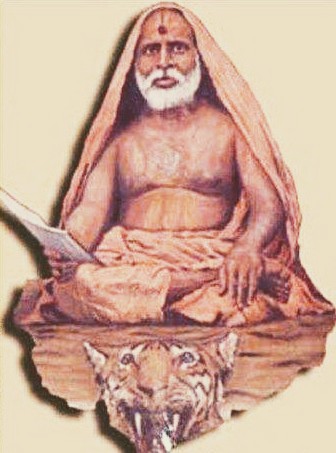
Satyadhyana Tirtha (Śrī Satya-dhyāna Tīrtha) (24 December 1872 – 24 March 1942) was an Indian Hindu philosopher, scholar, yogi, mystic, theologian and saint. He was the 38th pontiff of Uttaradi Math and served the pontificate from 1911-1942. He was considered most active and zealous pontiffs of 20th century. He was an untiring propagandist, the best debater of his days and almost a terror to his adversaries in philosophical polemics. It was at his initiative and inspiration that a splendid Marathi translation of Madhva's Brahmasutra Bhashya, with the Tatvaprakashika of Jayatirtha was published for the benefit of a large number of followers of Madhvacharya in Maharashtra. He made extensive tours all over India, held disputations and published polemical tracts and pamphlets in many languages in North and South India for free distribution. He started, Sriman Madhva Siddhanta Abhivruddhikarini Sabha around 1905-06 and registered in 1930 to promote the study of Sanskrit literature and philosophy, particularly the study of Dvaita Philosophy, to hold meetings and conferences of Madhva scholars.
Satyadhyāna Tīrtha was born on 24 December 1872 in Chikodi, Karnataka, into an ancient Deshastha Rigvedi Brahmin family renowned for its scholarship. His parents were Korlahalli Jayaramacharya, who later ascended the pontificate as Śrī Satyadhīra Tīrtha, and Krishna Bai. His purvashrama name was Korlahalli Sethuramacharya. Raised in a household steeped in Vedic learning, he was naturally initiated into Sanskrit, śāstric studies, and Madhva philosophy from a young age. His intellectual curiosity, combined with the scholarly atmosphere of his family, prepared him for a future of philosophical leadership.
Before entering the pontificate, Sethuramacharya served for several years as the Diwan (administrator) of the Uttaradi Maṭha. This period provided him with valuable experience in management, finance, and human relations. His sharp judgment of men and events earned him respect as a capable leader. At the same time, his humour, warmth, and accessibility made him popular among students and scholars. He had a rare gift for recognizing hidden talent in others and often encouraged younger scholars to devote themselves to serious study of Vedānta. This early administrative training would later prove indispensable when he took charge of the Maṭha.
In 1911, Sethuramacharya renounced worldly life and took sannyāsa, assuming the spiritual name "Satyadhyana Tirtha". As the thirty-eighth pontiff of the Uttaradi Matha, he presided over the institution for thirty-one years, until his own departure in 1942. His tenure is remembered as one of the most dynamic in the history of the Maṭha, marked by vigorous debates, far-reaching travels, and initiatives that cemented the prestige of Dvaita Vedānta.
One of the defining features of Satyadhyāna Tīrtha’s pontificate was his extraordinary mastery of dialectics. He engaged in numerous śāstrārthas (philosophical debates) with scholars of Advaita, Viśiṣṭādvaita, and Nyāya schools, consistently defending the doctrines of Madhvacharya with clarity and precision. His most celebrated achievement came in the Kumbakonam debate of 1929–30, where he faced a formidable team of Advaita scholars led by Anantha Krishna Shastri. Through rigorous logic and scriptural authority, he decisively refuted their arguments, a victory that entered the annals of Vedāntic history.
His reputation extended beyond traditional scholastic circles. He engaged in philosophical dialogue with national leaders like Bal Gangadhar Tilak, further demonstrating the depth of his intellect and the relevance of Vedāntic philosophy to contemporary thought. His debating prowess earned him the epithet of a “lion among dialecticians”, cementing his place among the greatest defenders of Dvaita Vedanta.
Satyadhyāna Tīrtha understood the importance of publishing and dissemination in strengthening the Madhva tradition. He edited and distributed important polemical texts such as Abhinavagada and Advaitakalanala, ensuring their accessibility to students and scholars by offering them free of cost. His vision also extended to institutional support for learning. At the Benares Sanskrit College, he established a Chair of Dvaita Vedanta and endowed funds for the publication of works authored by North Indian Dvaita scholars. In doing so, he expanded the reach of Madhva Siddhānta far beyond its traditional base in Southern India.
As a patron of learning, Satyadhyāna Tīrtha encouraged scholars across traditions. He organized annual sabhās at Tirupati and other centers, where scholars of different schools were invited to present research and rewarded for their contributions. His appreciation of scholarship was not limited to Dvaita Vedanta; he welcomed and supported intellectuals from Advaita, Visistadvaita, and other traditions. This ecumenical spirit distinguished him from many contemporaries, as he believed in honoring genuine learning wherever it was found. His encouragement also extended to younger Sanskritists and philosophers, many of whom were inspired to take up serious research under his guidance.
Hub AI
Satyadhyana Tirtha AI simulator
(@Satyadhyana Tirtha_simulator)
Satyadhyana Tirtha
Satyadhyana Tirtha (Śrī Satya-dhyāna Tīrtha) (24 December 1872 – 24 March 1942) was an Indian Hindu philosopher, scholar, yogi, mystic, theologian and saint. He was the 38th pontiff of Uttaradi Math and served the pontificate from 1911-1942. He was considered most active and zealous pontiffs of 20th century. He was an untiring propagandist, the best debater of his days and almost a terror to his adversaries in philosophical polemics. It was at his initiative and inspiration that a splendid Marathi translation of Madhva's Brahmasutra Bhashya, with the Tatvaprakashika of Jayatirtha was published for the benefit of a large number of followers of Madhvacharya in Maharashtra. He made extensive tours all over India, held disputations and published polemical tracts and pamphlets in many languages in North and South India for free distribution. He started, Sriman Madhva Siddhanta Abhivruddhikarini Sabha around 1905-06 and registered in 1930 to promote the study of Sanskrit literature and philosophy, particularly the study of Dvaita Philosophy, to hold meetings and conferences of Madhva scholars.
Satyadhyāna Tīrtha was born on 24 December 1872 in Chikodi, Karnataka, into an ancient Deshastha Rigvedi Brahmin family renowned for its scholarship. His parents were Korlahalli Jayaramacharya, who later ascended the pontificate as Śrī Satyadhīra Tīrtha, and Krishna Bai. His purvashrama name was Korlahalli Sethuramacharya. Raised in a household steeped in Vedic learning, he was naturally initiated into Sanskrit, śāstric studies, and Madhva philosophy from a young age. His intellectual curiosity, combined with the scholarly atmosphere of his family, prepared him for a future of philosophical leadership.
Before entering the pontificate, Sethuramacharya served for several years as the Diwan (administrator) of the Uttaradi Maṭha. This period provided him with valuable experience in management, finance, and human relations. His sharp judgment of men and events earned him respect as a capable leader. At the same time, his humour, warmth, and accessibility made him popular among students and scholars. He had a rare gift for recognizing hidden talent in others and often encouraged younger scholars to devote themselves to serious study of Vedānta. This early administrative training would later prove indispensable when he took charge of the Maṭha.
In 1911, Sethuramacharya renounced worldly life and took sannyāsa, assuming the spiritual name "Satyadhyana Tirtha". As the thirty-eighth pontiff of the Uttaradi Matha, he presided over the institution for thirty-one years, until his own departure in 1942. His tenure is remembered as one of the most dynamic in the history of the Maṭha, marked by vigorous debates, far-reaching travels, and initiatives that cemented the prestige of Dvaita Vedānta.
One of the defining features of Satyadhyāna Tīrtha’s pontificate was his extraordinary mastery of dialectics. He engaged in numerous śāstrārthas (philosophical debates) with scholars of Advaita, Viśiṣṭādvaita, and Nyāya schools, consistently defending the doctrines of Madhvacharya with clarity and precision. His most celebrated achievement came in the Kumbakonam debate of 1929–30, where he faced a formidable team of Advaita scholars led by Anantha Krishna Shastri. Through rigorous logic and scriptural authority, he decisively refuted their arguments, a victory that entered the annals of Vedāntic history.
His reputation extended beyond traditional scholastic circles. He engaged in philosophical dialogue with national leaders like Bal Gangadhar Tilak, further demonstrating the depth of his intellect and the relevance of Vedāntic philosophy to contemporary thought. His debating prowess earned him the epithet of a “lion among dialecticians”, cementing his place among the greatest defenders of Dvaita Vedanta.
Satyadhyāna Tīrtha understood the importance of publishing and dissemination in strengthening the Madhva tradition. He edited and distributed important polemical texts such as Abhinavagada and Advaitakalanala, ensuring their accessibility to students and scholars by offering them free of cost. His vision also extended to institutional support for learning. At the Benares Sanskrit College, he established a Chair of Dvaita Vedanta and endowed funds for the publication of works authored by North Indian Dvaita scholars. In doing so, he expanded the reach of Madhva Siddhānta far beyond its traditional base in Southern India.
As a patron of learning, Satyadhyāna Tīrtha encouraged scholars across traditions. He organized annual sabhās at Tirupati and other centers, where scholars of different schools were invited to present research and rewarded for their contributions. His appreciation of scholarship was not limited to Dvaita Vedanta; he welcomed and supported intellectuals from Advaita, Visistadvaita, and other traditions. This ecumenical spirit distinguished him from many contemporaries, as he believed in honoring genuine learning wherever it was found. His encouragement also extended to younger Sanskritists and philosophers, many of whom were inspired to take up serious research under his guidance.