
Recent from talks
Sebastiano Visconti Prasca
Knowledge base stats:
Talk channels stats:
Members stats:
Sebastiano Visconti Prasca
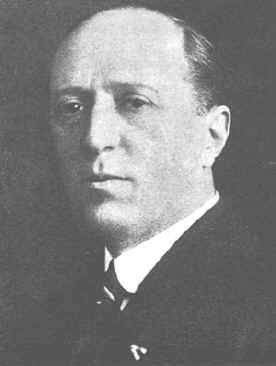
Sebastiano Visconti Prasca (27 February 1883, Rome – 25 February 1961, Monte Porzio Catone) was an Italian general. A veteran of the Italo-Turkish War of 1911–1912 and World War I, he led the initial offensive of the Greco-Italian War in 1940 during World War II, but was relieved of his command after two weeks for incompetence and relieved by General Ubaldo Soddu.
Sebastiano Visconti Prasca was born in Rome on 27 February 1883. He was a member of the noble family of the House of Visconti, patricians of Alessandria.
Visconti Prasca joined the Italian Royal Army (Regio Esercito) and began studies at the Royal Military Academy of Infantry and Cavalry in Modena, from which he graduated in 1904. He was commissioned with the rank of sottotenente (English: sub-lieutenant) on 5 September 1904. Promoted to tenente (English: lieutenant) on 5 September 1907, he participated in the Italo-Turkish War of 1911–1912, for which he received an award of the Bronze Medal of Military Valor. He was promoted to capitano (English: captain) on 31 December 1914. Italy entered World War I in May 1915, and during the war he served on the Italian front from 1915 to 1918, receiving a promotion first to maggiore (English: major) and then on 1 November 1917 to tenente colonnello (English: lieutenant colonel). He also received a second award of the Bronze Medal of Military Valor, as well as the War Merit Cross.
Visconti Prasca attended the Turin Army War School, then was attached to the Army General Staff on 20 October 1919. In January 1920 he went to Germany as a member of the Inter-Allied Commission for Upper Silesia. In 1921 he returned to Italy, where on 21 April 1921 he left the general staff and began duty in the Ministry of War. This duty ended when he was attached to the Army Council on 26 October 1922.
On 3 March 1924, Visconti Prasca became military attaché at the Embassy of the Kingdom of Italy in Belgrade in the Kingdom of Serbs, Croats, and Slovenes, which was renamed the Kingdom of Yugoslavia in 1928. He remained there for six years, during which time he was promoted to colonnello (English: colonel) on either 26 December 1926 or 9 June 1927, according to different sources. Prime Minister of Italy Benito Mussolini developed a special regard for him, reflected in notes made in 1931 by General Pietro Gacchera. Visconti Prasca was recalled to Italy on 20 April 1930 after the Government of Yugoslavia bluntly accused him of espionage. He returned briefly to the general staff while awaiting orders, then assumed command of the 36th Infantry Regiment on 1 October 1930. He relinquished command of the regiment on 16 January 1933, when he was attached to the Army of Bologna, in which he led the military administration of the city of Bologna, Italy.
On 10 October 1933, Visconti Prasca was appointed to the office of the Chief of the Army General Staff, General Pietro Badoglio. That same month, he published a book on military strategy under the title Guerra decisiva (English: Decisive War), in which he developed the theory of what was known in Germany as blitzkrieg (English: lightning war), Mussolini himself read the book, which may have decisively influenced many of the events that led to the outbreak of the Second Italo-Ethiopian War of 1935–1936. In April 1934, as an envoy of Badoglio, Visconti Prasca made a reconnaissance visit to the Colony of Eritrea. After his return to Italy, he drew up a report which helped to organize the operational plans for the Italian invasion of Ethiopia, which were implemented in 1935.
Visconti Prasca received a promotion to generale di brigata (English: brigadier general) for "exceptional merit" on 18 October 1934, but Badoglio decided to remove him from his general staff duties in 1934, as he was suspected of disclosing a secret agreement that Badoglio had concluded with the French general Maurice Gamelin. According to one source, Visconti Prasca was assigned to the general staff "for special duties" as of 18 October 1934, serving in this capacity until 11 September 1935. On 12 December 1934, Visconti Prasca took command of the Italian expeditionary corps in the Territory of the Saar Basin, occupied under a League of Nations mandate, in a move related to a League of Nations requirement for the supervision of local elections there. He served in the Saar either until January 1935 or 5 March 1935, according to different sources.
Either in January 1935 or on 11 July 1935, according to different sources, Visconti Prasca became an honorary adjutant to King Victor Emmanuel III. Sources differ on his subsequent assignments, claiming both that on 16 September 1935 he either assumed command or became deputy commander of the 5th Infantry Division "Cosseria" and that he was attached to the Ministry of War on 18 October 1935 before becoming deputy commander of the division at a later date. He remained in command of the division until 20 July 1937.
Hub AI
Sebastiano Visconti Prasca AI simulator
(@Sebastiano Visconti Prasca_simulator)
Sebastiano Visconti Prasca
Sebastiano Visconti Prasca (27 February 1883, Rome – 25 February 1961, Monte Porzio Catone) was an Italian general. A veteran of the Italo-Turkish War of 1911–1912 and World War I, he led the initial offensive of the Greco-Italian War in 1940 during World War II, but was relieved of his command after two weeks for incompetence and relieved by General Ubaldo Soddu.
Sebastiano Visconti Prasca was born in Rome on 27 February 1883. He was a member of the noble family of the House of Visconti, patricians of Alessandria.
Visconti Prasca joined the Italian Royal Army (Regio Esercito) and began studies at the Royal Military Academy of Infantry and Cavalry in Modena, from which he graduated in 1904. He was commissioned with the rank of sottotenente (English: sub-lieutenant) on 5 September 1904. Promoted to tenente (English: lieutenant) on 5 September 1907, he participated in the Italo-Turkish War of 1911–1912, for which he received an award of the Bronze Medal of Military Valor. He was promoted to capitano (English: captain) on 31 December 1914. Italy entered World War I in May 1915, and during the war he served on the Italian front from 1915 to 1918, receiving a promotion first to maggiore (English: major) and then on 1 November 1917 to tenente colonnello (English: lieutenant colonel). He also received a second award of the Bronze Medal of Military Valor, as well as the War Merit Cross.
Visconti Prasca attended the Turin Army War School, then was attached to the Army General Staff on 20 October 1919. In January 1920 he went to Germany as a member of the Inter-Allied Commission for Upper Silesia. In 1921 he returned to Italy, where on 21 April 1921 he left the general staff and began duty in the Ministry of War. This duty ended when he was attached to the Army Council on 26 October 1922.
On 3 March 1924, Visconti Prasca became military attaché at the Embassy of the Kingdom of Italy in Belgrade in the Kingdom of Serbs, Croats, and Slovenes, which was renamed the Kingdom of Yugoslavia in 1928. He remained there for six years, during which time he was promoted to colonnello (English: colonel) on either 26 December 1926 or 9 June 1927, according to different sources. Prime Minister of Italy Benito Mussolini developed a special regard for him, reflected in notes made in 1931 by General Pietro Gacchera. Visconti Prasca was recalled to Italy on 20 April 1930 after the Government of Yugoslavia bluntly accused him of espionage. He returned briefly to the general staff while awaiting orders, then assumed command of the 36th Infantry Regiment on 1 October 1930. He relinquished command of the regiment on 16 January 1933, when he was attached to the Army of Bologna, in which he led the military administration of the city of Bologna, Italy.
On 10 October 1933, Visconti Prasca was appointed to the office of the Chief of the Army General Staff, General Pietro Badoglio. That same month, he published a book on military strategy under the title Guerra decisiva (English: Decisive War), in which he developed the theory of what was known in Germany as blitzkrieg (English: lightning war), Mussolini himself read the book, which may have decisively influenced many of the events that led to the outbreak of the Second Italo-Ethiopian War of 1935–1936. In April 1934, as an envoy of Badoglio, Visconti Prasca made a reconnaissance visit to the Colony of Eritrea. After his return to Italy, he drew up a report which helped to organize the operational plans for the Italian invasion of Ethiopia, which were implemented in 1935.
Visconti Prasca received a promotion to generale di brigata (English: brigadier general) for "exceptional merit" on 18 October 1934, but Badoglio decided to remove him from his general staff duties in 1934, as he was suspected of disclosing a secret agreement that Badoglio had concluded with the French general Maurice Gamelin. According to one source, Visconti Prasca was assigned to the general staff "for special duties" as of 18 October 1934, serving in this capacity until 11 September 1935. On 12 December 1934, Visconti Prasca took command of the Italian expeditionary corps in the Territory of the Saar Basin, occupied under a League of Nations mandate, in a move related to a League of Nations requirement for the supervision of local elections there. He served in the Saar either until January 1935 or 5 March 1935, according to different sources.
Either in January 1935 or on 11 July 1935, according to different sources, Visconti Prasca became an honorary adjutant to King Victor Emmanuel III. Sources differ on his subsequent assignments, claiming both that on 16 September 1935 he either assumed command or became deputy commander of the 5th Infantry Division "Cosseria" and that he was attached to the Ministry of War on 18 October 1935 before becoming deputy commander of the division at a later date. He remained in command of the division until 20 July 1937.
Recent media