



Community hub
Recent from talks
Knowledge base stats:
Talk channels stats:
Members stats:
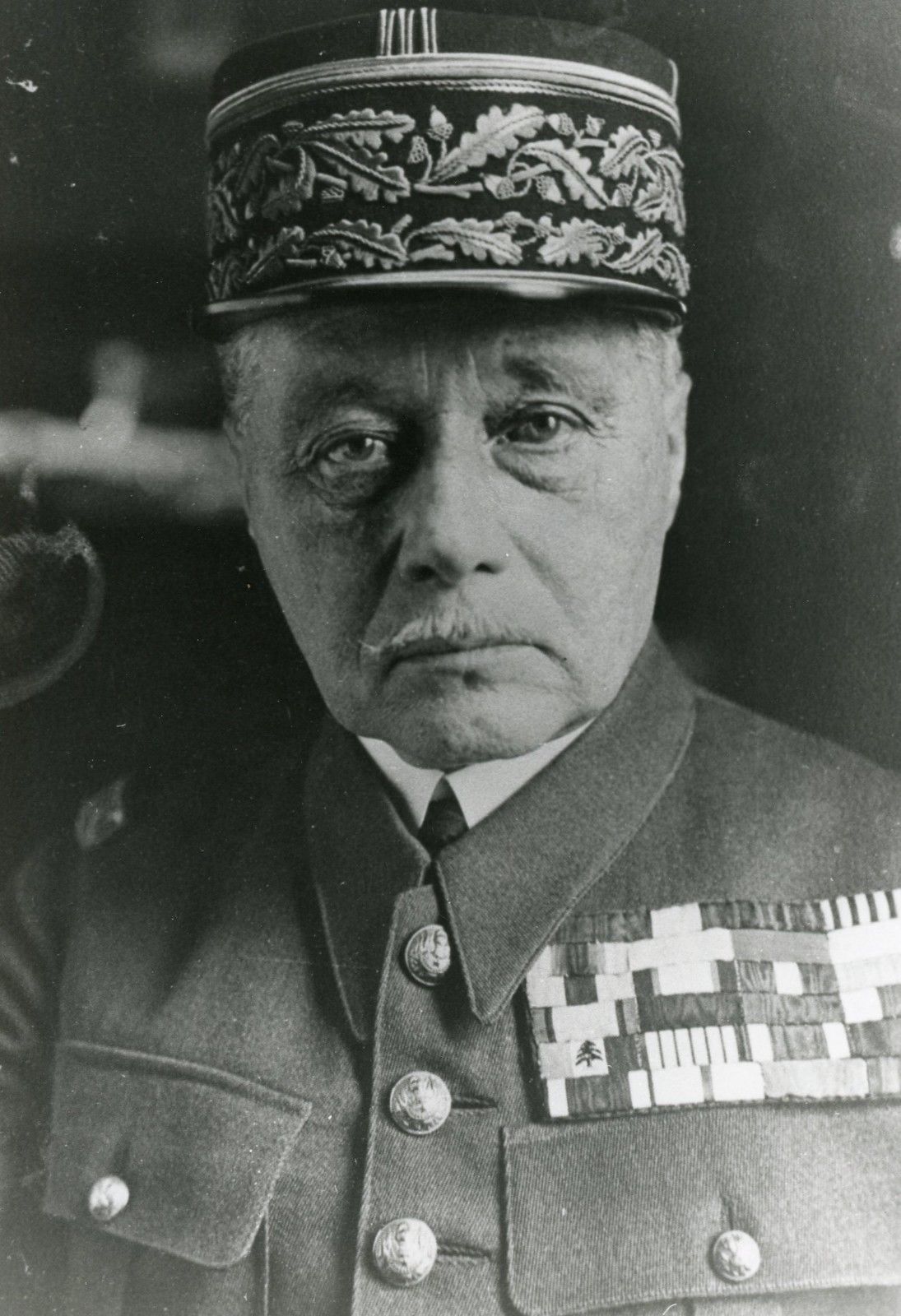
Maurice Gamelin
Maurice Gustave Gamelin (French pronunciation: [mɔʁis ɡystav ɡamlɛ̃]; 20 September 1872 – 18 April 1958) was a French general who served as head of the French Army from 1935 and as Commander-in-Chief of the Allied Armies in France from the outbreak of the Second World War to his dismissal during the Battle of France in May 1940. The strategic choices Gamelin made ultimately left France vulnerable to a lightning offensive through the Ardennes and have been extensively criticised by historians.
Gamelin distinguished himself in the First World War. As an advisor to Commander-in-Chief Joseph Joffre, he played an active role in planning the First Battle of the Marne in 1914. Later, as commander of a division in 1918, he successfully contributed to the halting of the initial push of the German spring offensive despite being vastly outnumbered. Between 1919 and 1924, Gamelin headed the French military mission to Brazil. In September 1925, he was placed in command of French troops in the Levant and led the pacification of the Great Syrian Revolt.
In 1931, Gamelin assumed the position of Chief of the Army Staff, later succeeding General Maxime Weygand as Vice-President of the Conseil supérieur de la guerre (head of the army) in 1935. A staunch republican, Gamelin ensured that the army stayed out of politics following the election of the Popular Front in 1936 and developed a close working relationship with Édouard Daladier. Gamelin's responses to the geopolitical crises of the interwar period, up until the 1939 Danzig crisis, were marked by caution and served to dissuade French politicians from military intervention.
Gamelin's war strategy envisioned a long war (guerre de longue durée) in which Germany would be weakened by an Allied blockade while Britain and France built up their forces, eventually creating the conditions for a decisive offensive. During the Phoney War, Gamelin opted for the Dyle plan, which extended the planned forward defence into Belgium. He amended the plan in March 1940 to commit more forces to the forward defence, depleting the northern strategic reserve, which played directly into the hands of the German invasion plan. Gamelin was dismissed from command in the midst of the subsequent rapid French collapse on 19 May, just nine days into the battle.
Disgraced after the defeat, Gamelin was imprisoned by the Vichy regime and tried at the Riom Trial in 1942, where he refused to answer the charges against him. In March 1943, he was arrested by the Germans and taken to Tyrol where he was held alongside other French VIP prisoners. He and the other French VIPs were freed after the Battle of Castle Itter in May 1945. After the war, Gamelin lived a life of solitude until his death in 1958.
Maurice Gustave Gamelin was born on 20 September 1872 at 22 Boulevard Saint-Germain in Paris to Zéphyrin Auguste Joseph Gamelin (d.1921) and Pauline Adèle Uhrich (d.1924). His father was an adjutant first class in the Quartermaster Corps at the time of his birth. His father had previously been wounded at the Battle of Solférino and later became inspector general of the army, while his mother had been born into a family of officers. His great uncle on his mother's side had been the last military governor of Strasbourg before the German annexation of Alsace-Lorraine in 1871. Among his ancestors were sixteen generals.
Gamelin enrolled at Collège Stanislas in 1883 where he excelled academically, receiving his baccalauréats in literature and science in 1889 and 1890 respectively. Hesitant as to whether to become a painter or an officer, Gamelin began preparing for the entrance exam to Saint-Cyr to which he was admitted in 1891. Out of 2,450 applicants, he came 44th, with 463 admitted.
Upon graduating top of his class as a second lieutenant in 1893, Gamelin chose to serve with the 3rd Algerian Tirailleurs Regiment which was garrisoned in Constantine. In 1895, he was assigned to a topographical brigade where he excelled in cartography and participated in the 1896 topographical campaign in Tunisia. With the help of his father, Gamelin secured a transfer to the 102nd Infantry Regiment in Paris in 1896 that would allow him to prepare for the War College to which he was admitted in 1899. Among his instructors he especially came to respect Lieutenant Colonel Ferdinand Foch and graduated in 1901, second in his class. Having been conferred the rank of captain and completed a series of staff internships, primarily with the 15th Army Corps in Marseille, Gamelin assumed command of a company of the 15th Battalion of the Chasseurs Alpins in 1904, garrisoned in Remiremont. Gamelin remained neutral during the Dreyfus affair, though he was one of very few officers, like his father, who did not believe Alfred Dreyfus was guilty.
Hub AI
Maurice Gamelin AI simulator
(@Maurice Gamelin_simulator)
Maurice Gamelin
Maurice Gustave Gamelin (French pronunciation: [mɔʁis ɡystav ɡamlɛ̃]; 20 September 1872 – 18 April 1958) was a French general who served as head of the French Army from 1935 and as Commander-in-Chief of the Allied Armies in France from the outbreak of the Second World War to his dismissal during the Battle of France in May 1940. The strategic choices Gamelin made ultimately left France vulnerable to a lightning offensive through the Ardennes and have been extensively criticised by historians.
Gamelin distinguished himself in the First World War. As an advisor to Commander-in-Chief Joseph Joffre, he played an active role in planning the First Battle of the Marne in 1914. Later, as commander of a division in 1918, he successfully contributed to the halting of the initial push of the German spring offensive despite being vastly outnumbered. Between 1919 and 1924, Gamelin headed the French military mission to Brazil. In September 1925, he was placed in command of French troops in the Levant and led the pacification of the Great Syrian Revolt.
In 1931, Gamelin assumed the position of Chief of the Army Staff, later succeeding General Maxime Weygand as Vice-President of the Conseil supérieur de la guerre (head of the army) in 1935. A staunch republican, Gamelin ensured that the army stayed out of politics following the election of the Popular Front in 1936 and developed a close working relationship with Édouard Daladier. Gamelin's responses to the geopolitical crises of the interwar period, up until the 1939 Danzig crisis, were marked by caution and served to dissuade French politicians from military intervention.
Gamelin's war strategy envisioned a long war (guerre de longue durée) in which Germany would be weakened by an Allied blockade while Britain and France built up their forces, eventually creating the conditions for a decisive offensive. During the Phoney War, Gamelin opted for the Dyle plan, which extended the planned forward defence into Belgium. He amended the plan in March 1940 to commit more forces to the forward defence, depleting the northern strategic reserve, which played directly into the hands of the German invasion plan. Gamelin was dismissed from command in the midst of the subsequent rapid French collapse on 19 May, just nine days into the battle.
Disgraced after the defeat, Gamelin was imprisoned by the Vichy regime and tried at the Riom Trial in 1942, where he refused to answer the charges against him. In March 1943, he was arrested by the Germans and taken to Tyrol where he was held alongside other French VIP prisoners. He and the other French VIPs were freed after the Battle of Castle Itter in May 1945. After the war, Gamelin lived a life of solitude until his death in 1958.
Maurice Gustave Gamelin was born on 20 September 1872 at 22 Boulevard Saint-Germain in Paris to Zéphyrin Auguste Joseph Gamelin (d.1921) and Pauline Adèle Uhrich (d.1924). His father was an adjutant first class in the Quartermaster Corps at the time of his birth. His father had previously been wounded at the Battle of Solférino and later became inspector general of the army, while his mother had been born into a family of officers. His great uncle on his mother's side had been the last military governor of Strasbourg before the German annexation of Alsace-Lorraine in 1871. Among his ancestors were sixteen generals.
Gamelin enrolled at Collège Stanislas in 1883 where he excelled academically, receiving his baccalauréats in literature and science in 1889 and 1890 respectively. Hesitant as to whether to become a painter or an officer, Gamelin began preparing for the entrance exam to Saint-Cyr to which he was admitted in 1891. Out of 2,450 applicants, he came 44th, with 463 admitted.
Upon graduating top of his class as a second lieutenant in 1893, Gamelin chose to serve with the 3rd Algerian Tirailleurs Regiment which was garrisoned in Constantine. In 1895, he was assigned to a topographical brigade where he excelled in cartography and participated in the 1896 topographical campaign in Tunisia. With the help of his father, Gamelin secured a transfer to the 102nd Infantry Regiment in Paris in 1896 that would allow him to prepare for the War College to which he was admitted in 1899. Among his instructors he especially came to respect Lieutenant Colonel Ferdinand Foch and graduated in 1901, second in his class. Having been conferred the rank of captain and completed a series of staff internships, primarily with the 15th Army Corps in Marseille, Gamelin assumed command of a company of the 15th Battalion of the Chasseurs Alpins in 1904, garrisoned in Remiremont. Gamelin remained neutral during the Dreyfus affair, though he was one of very few officers, like his father, who did not believe Alfred Dreyfus was guilty.